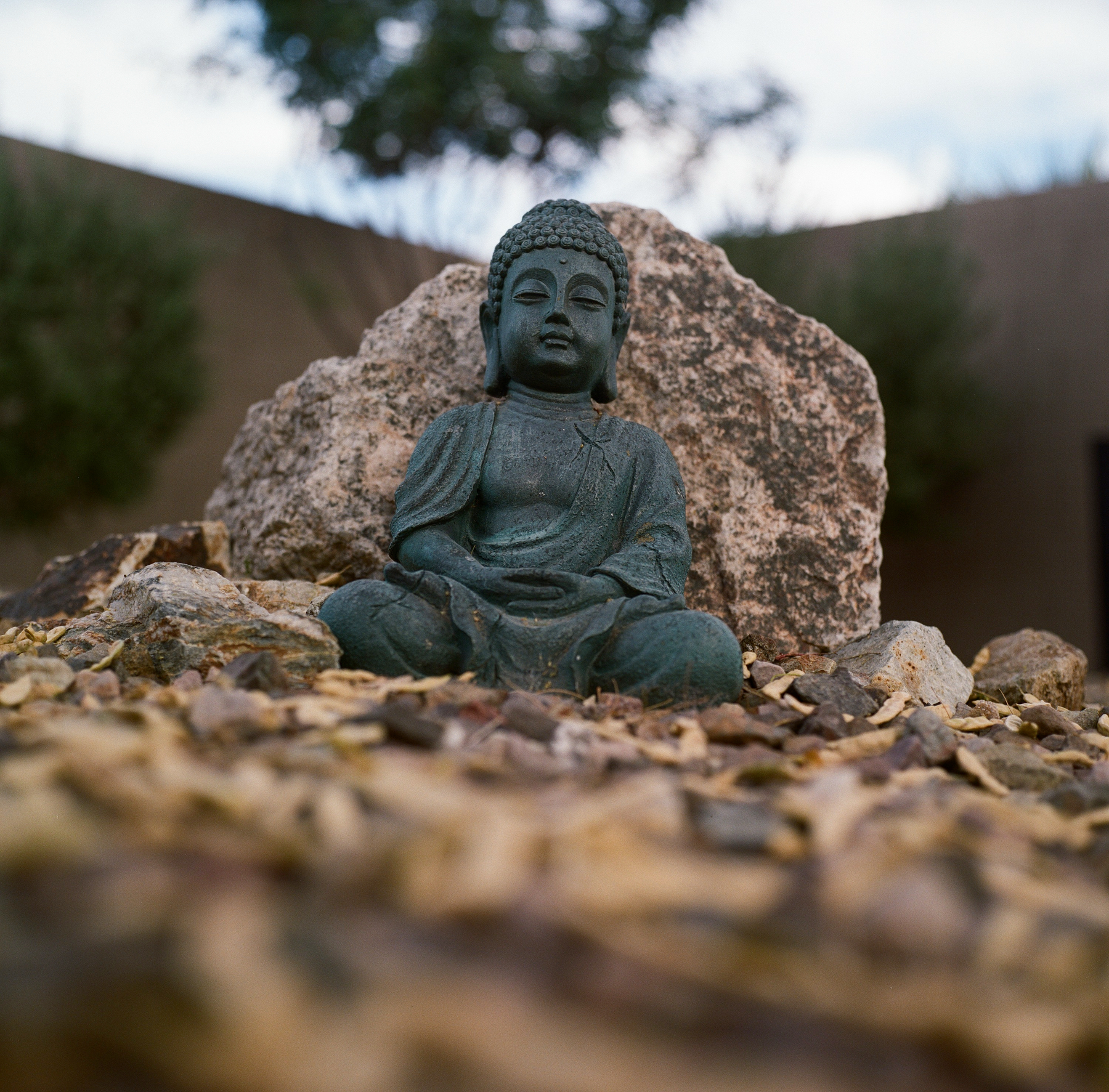
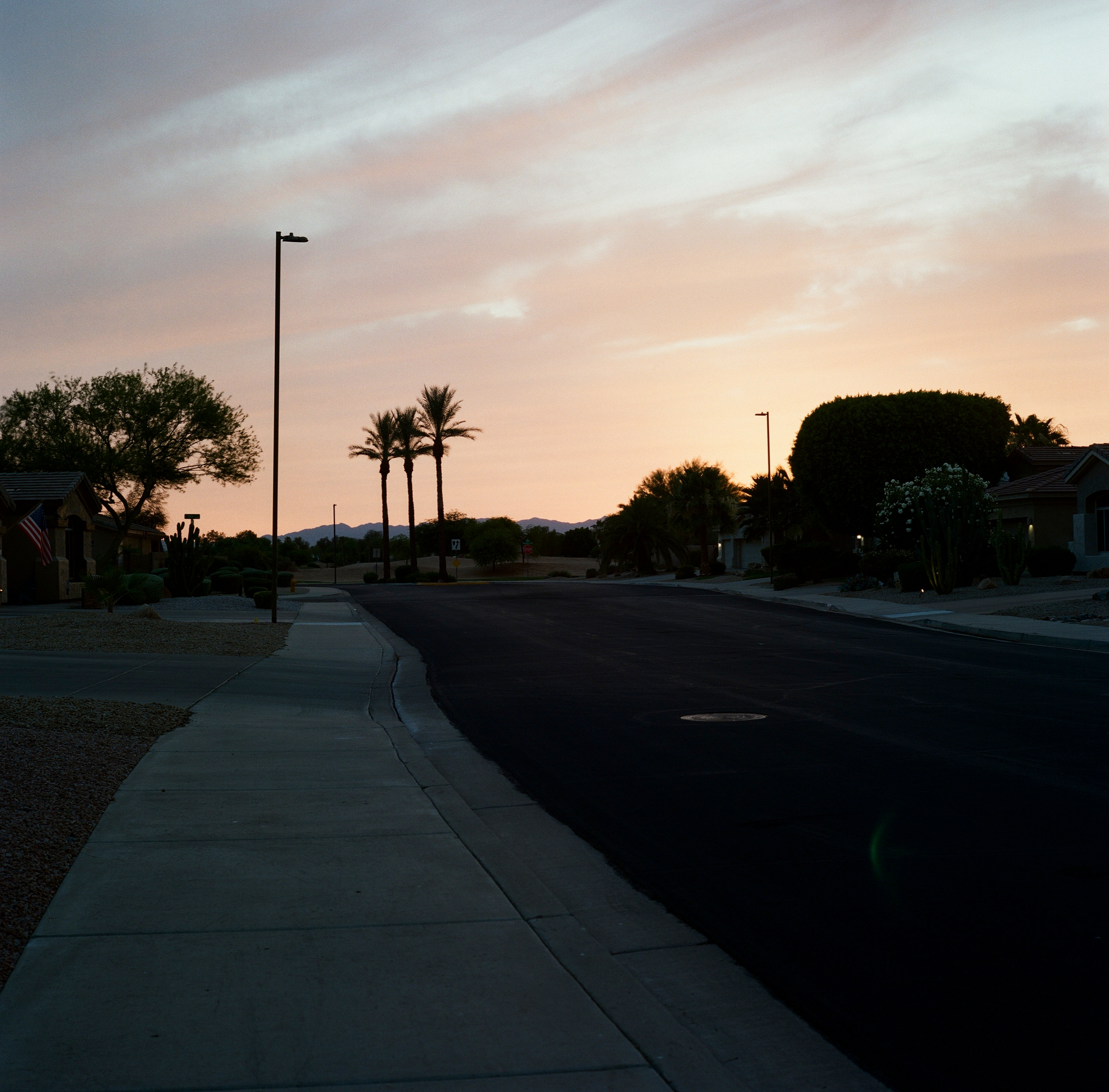
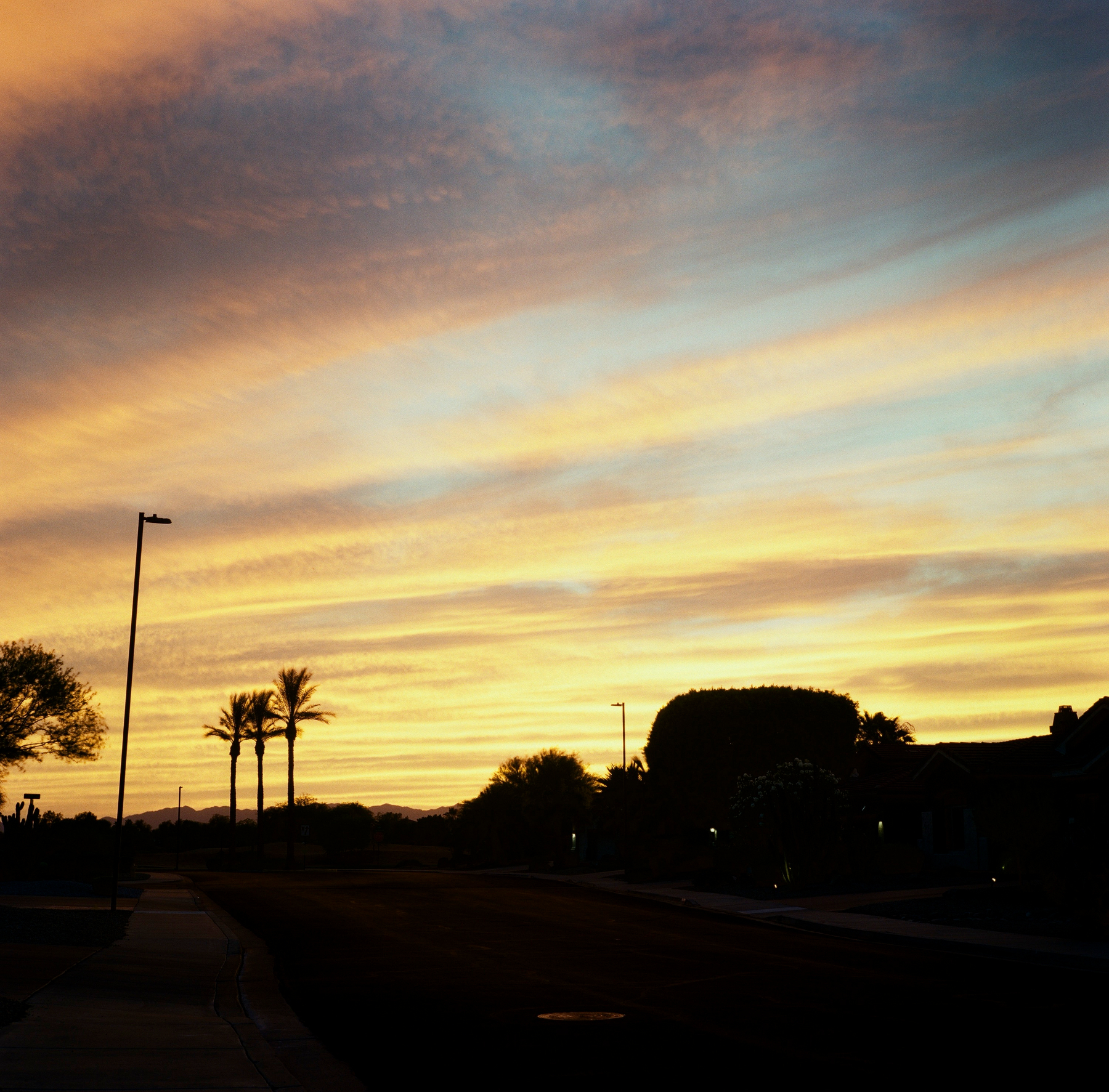
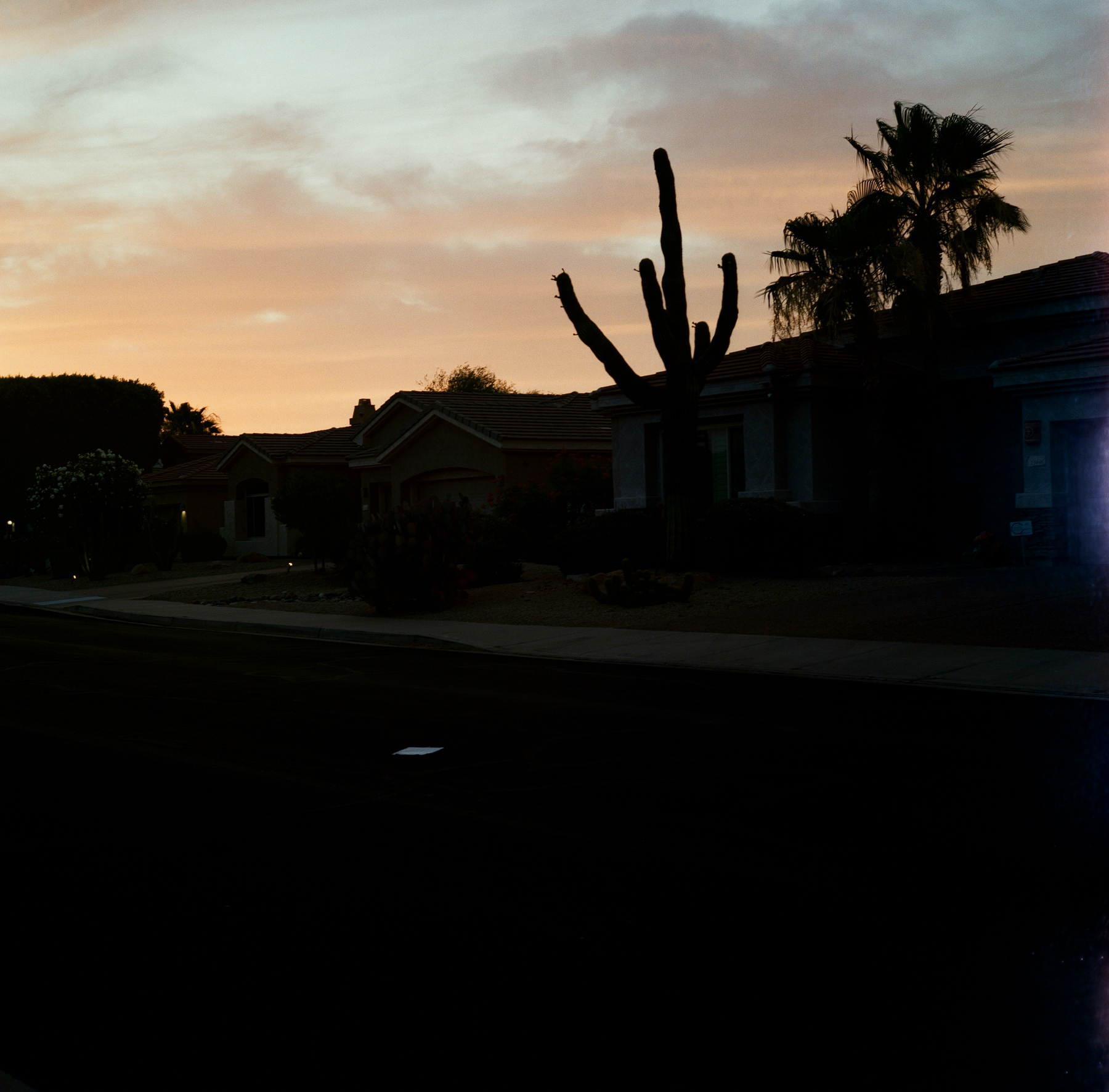
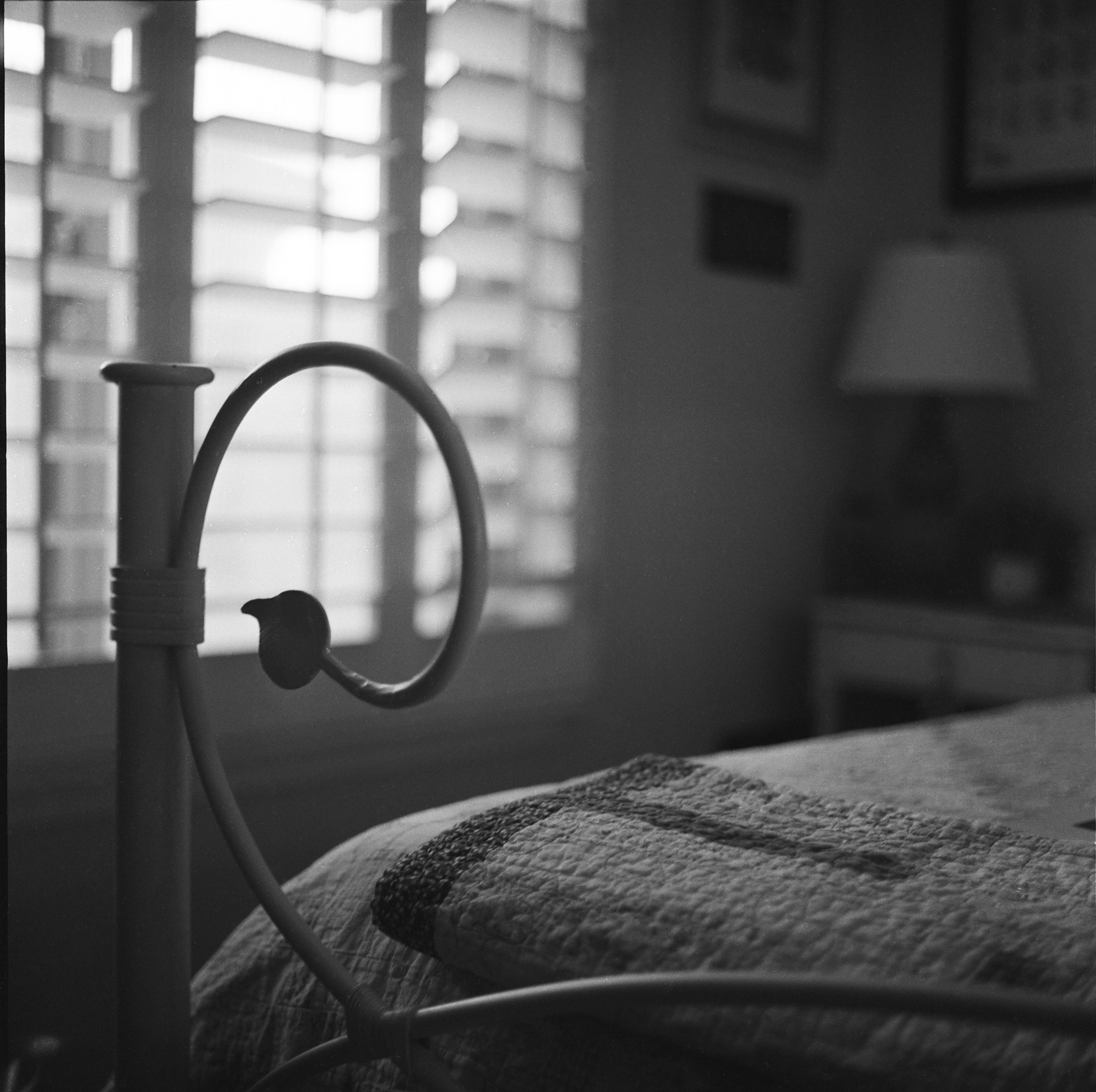
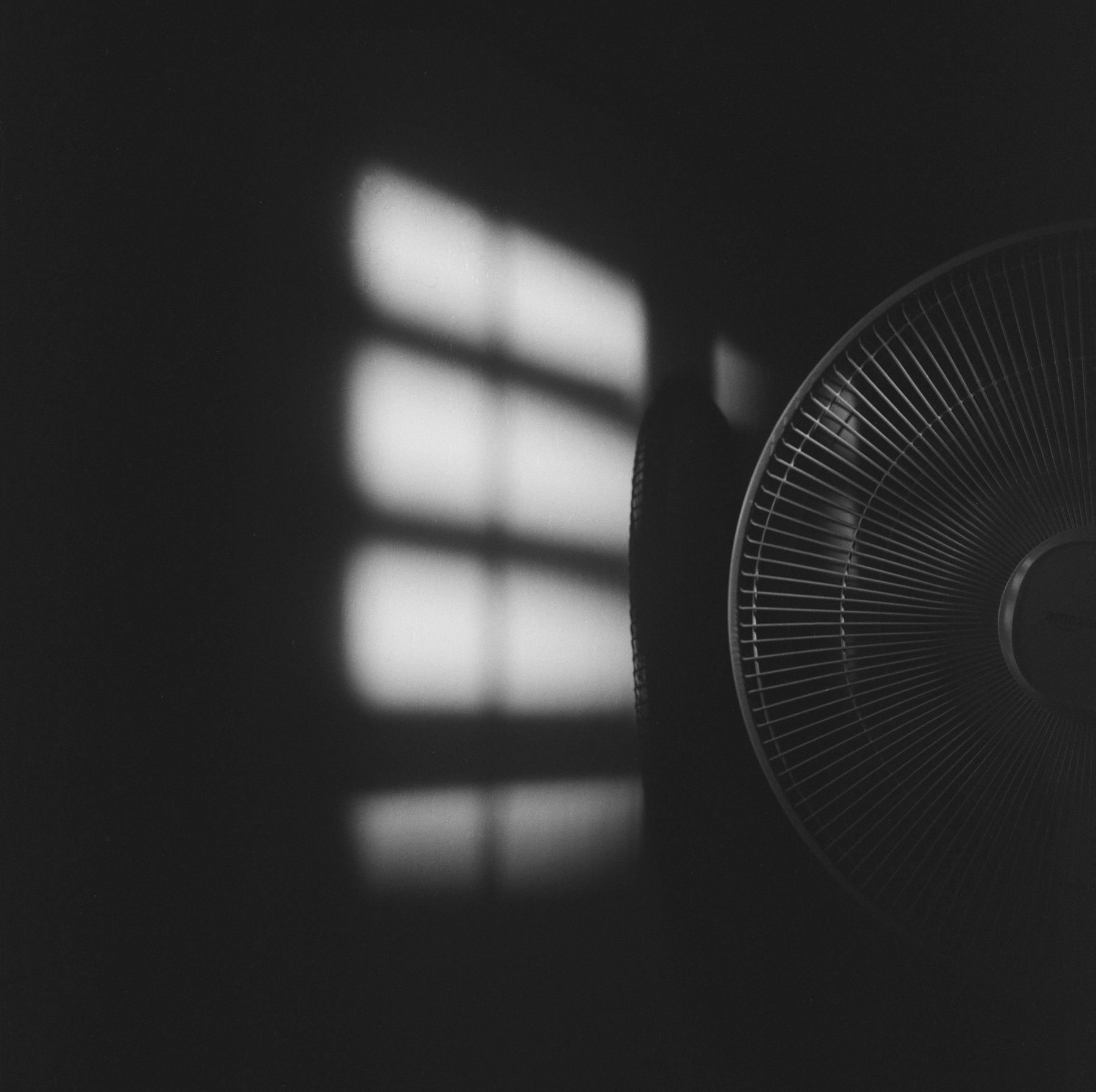
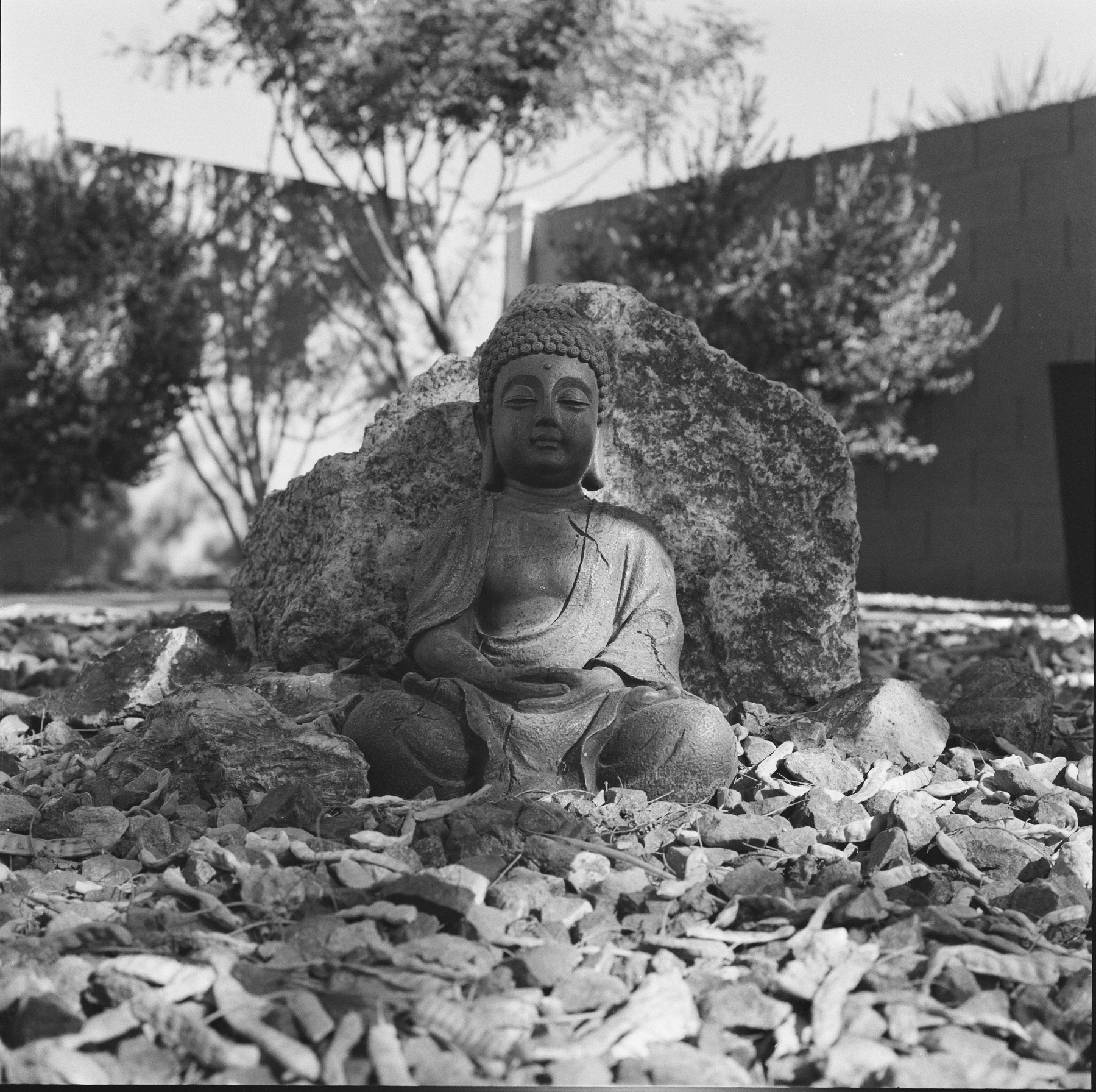
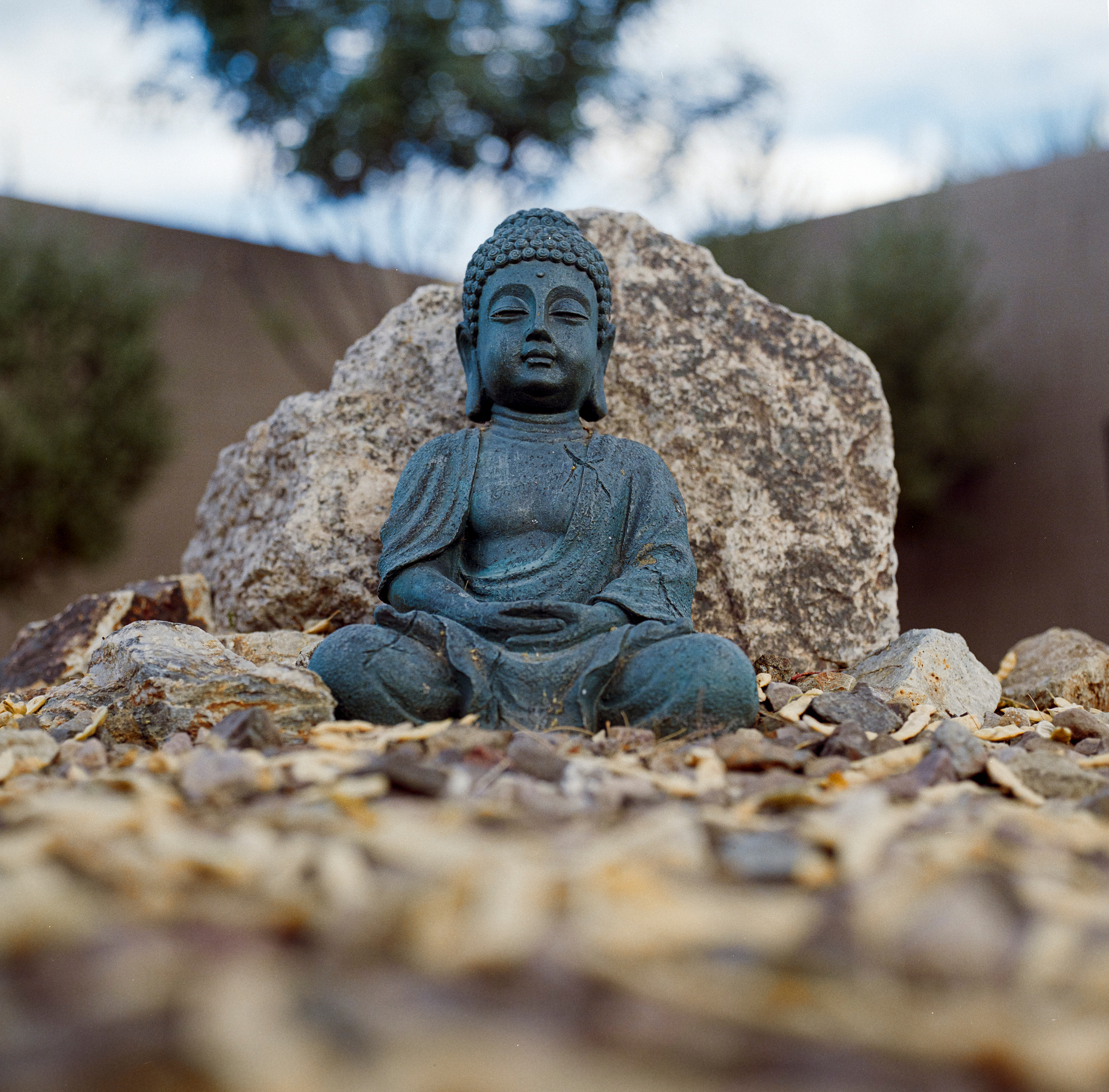
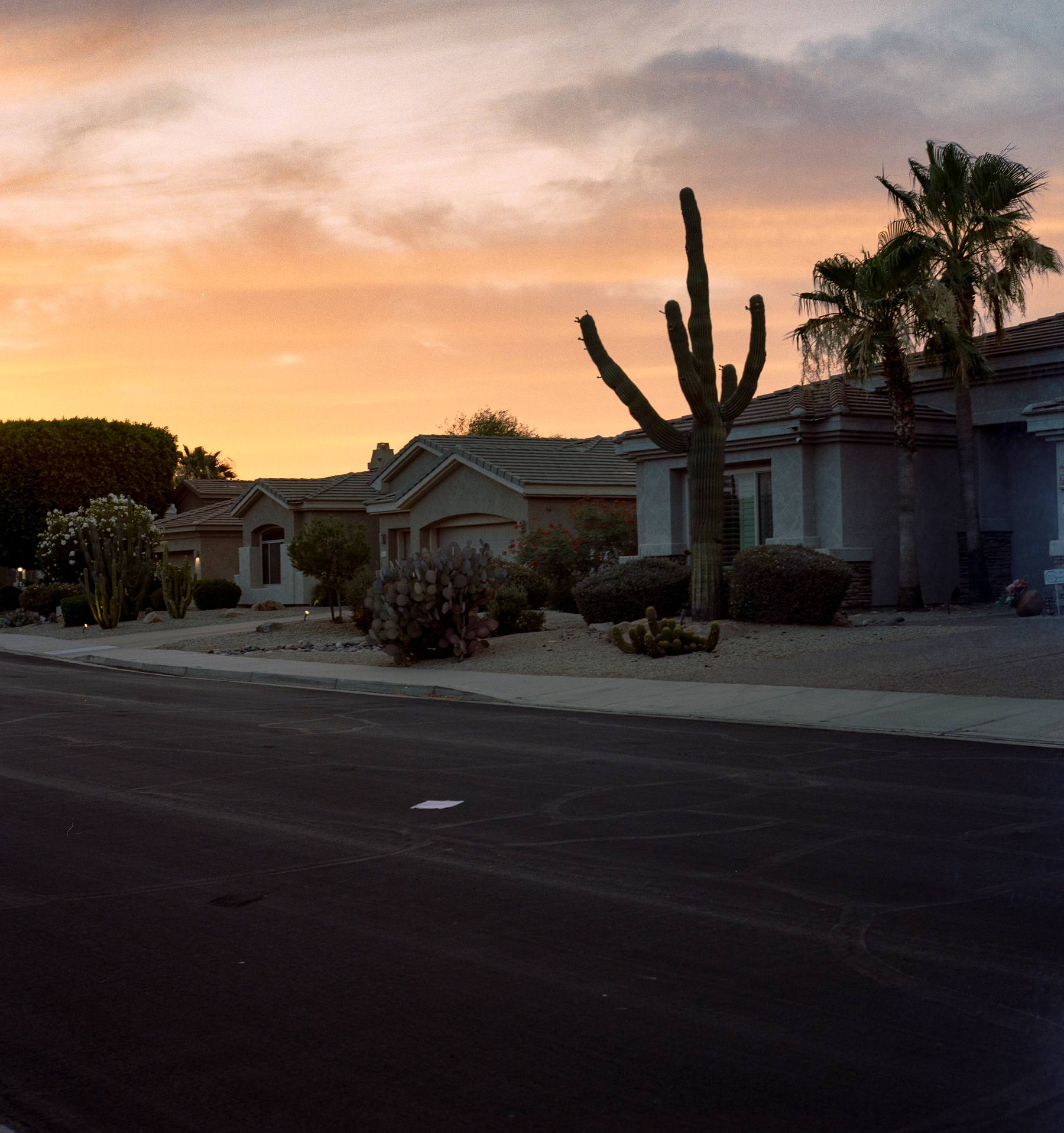
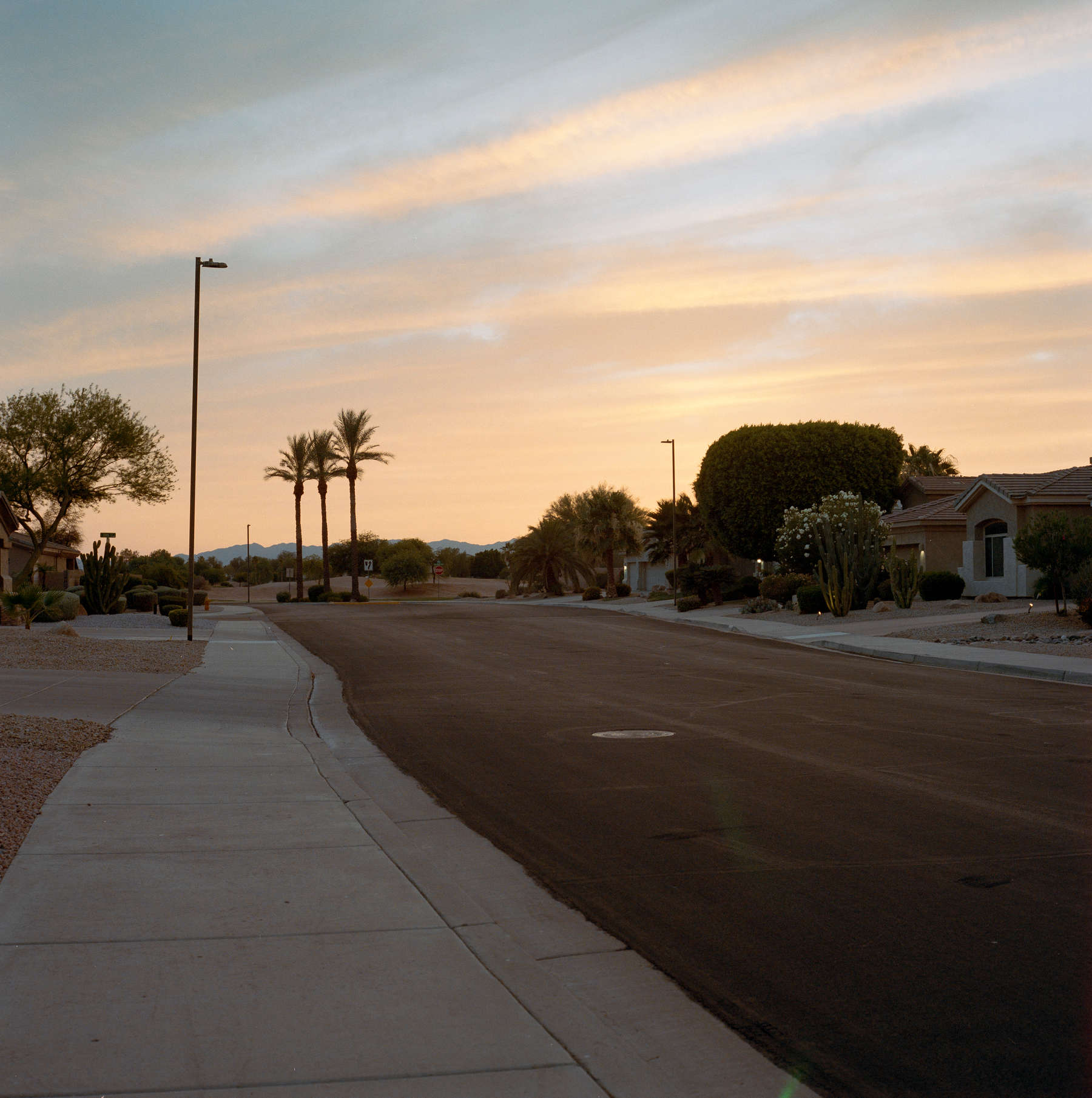
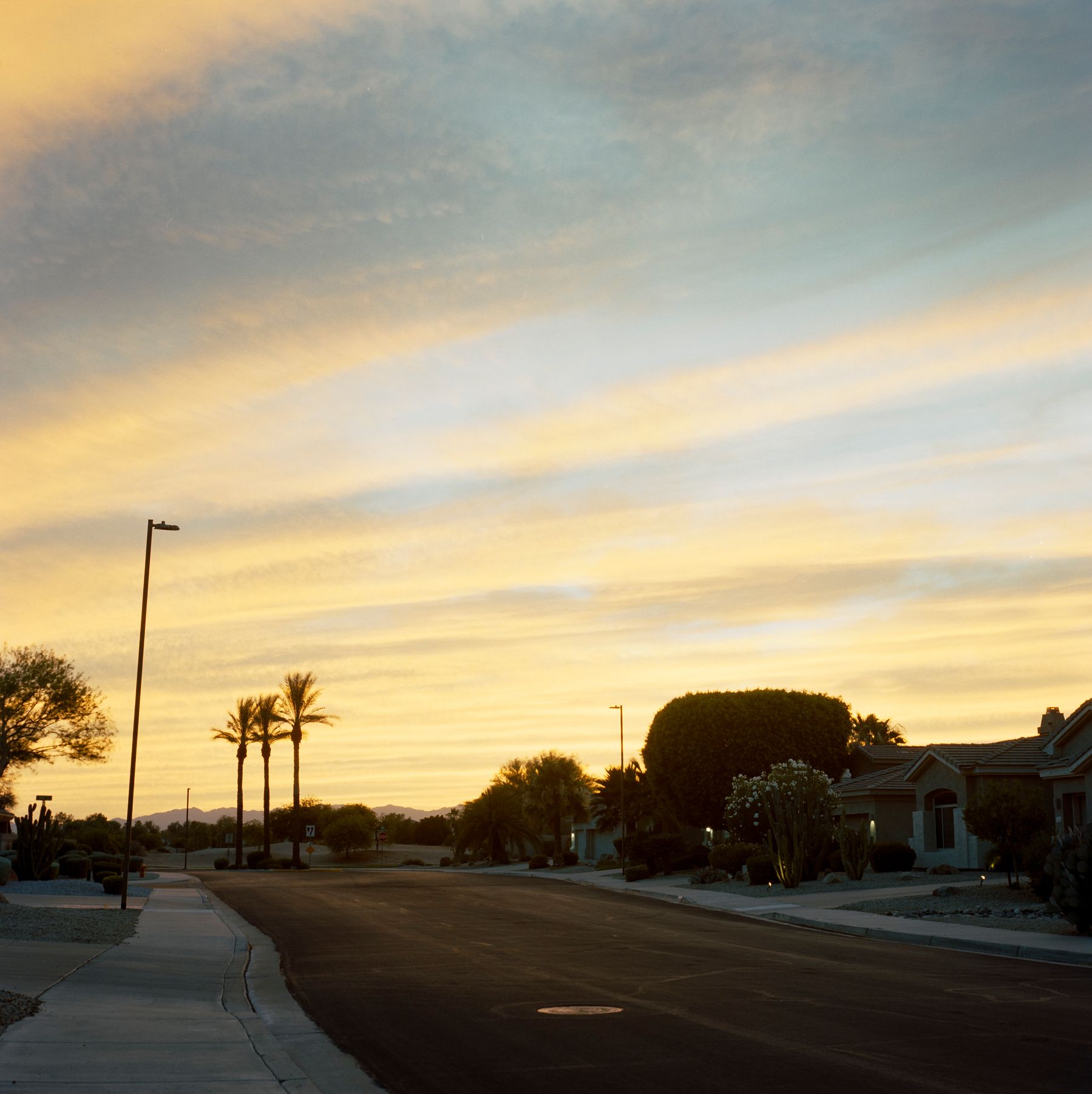
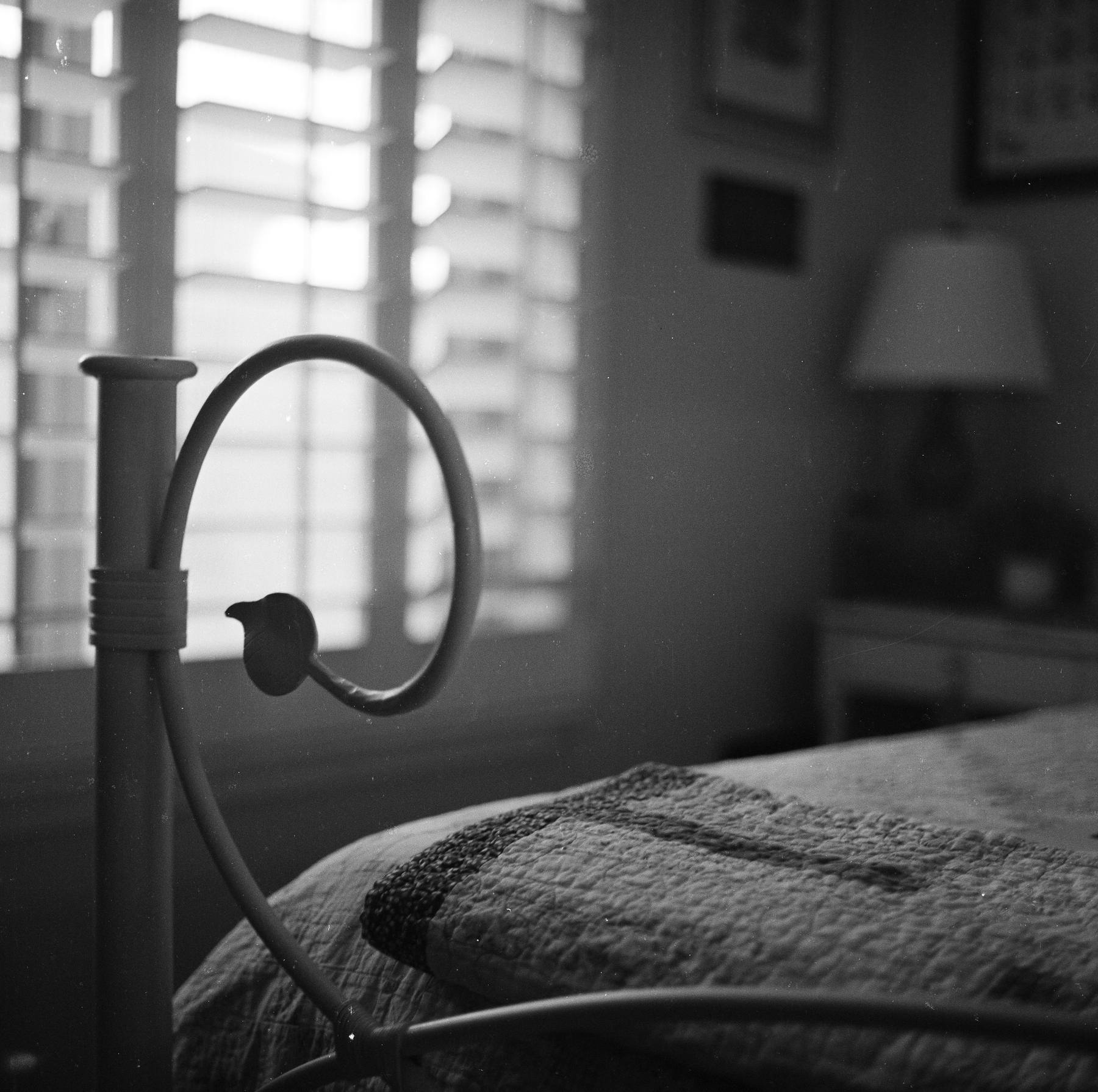
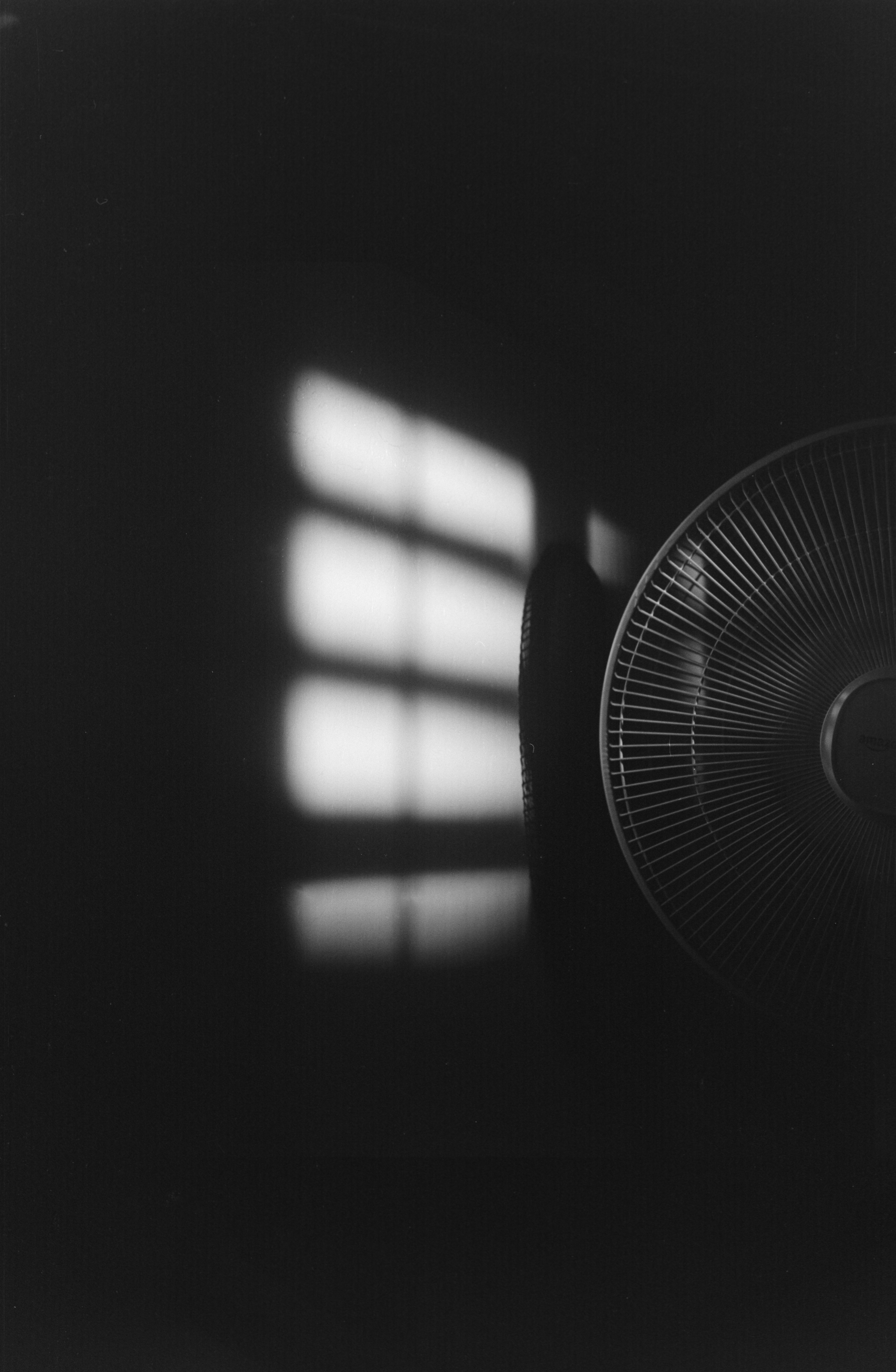
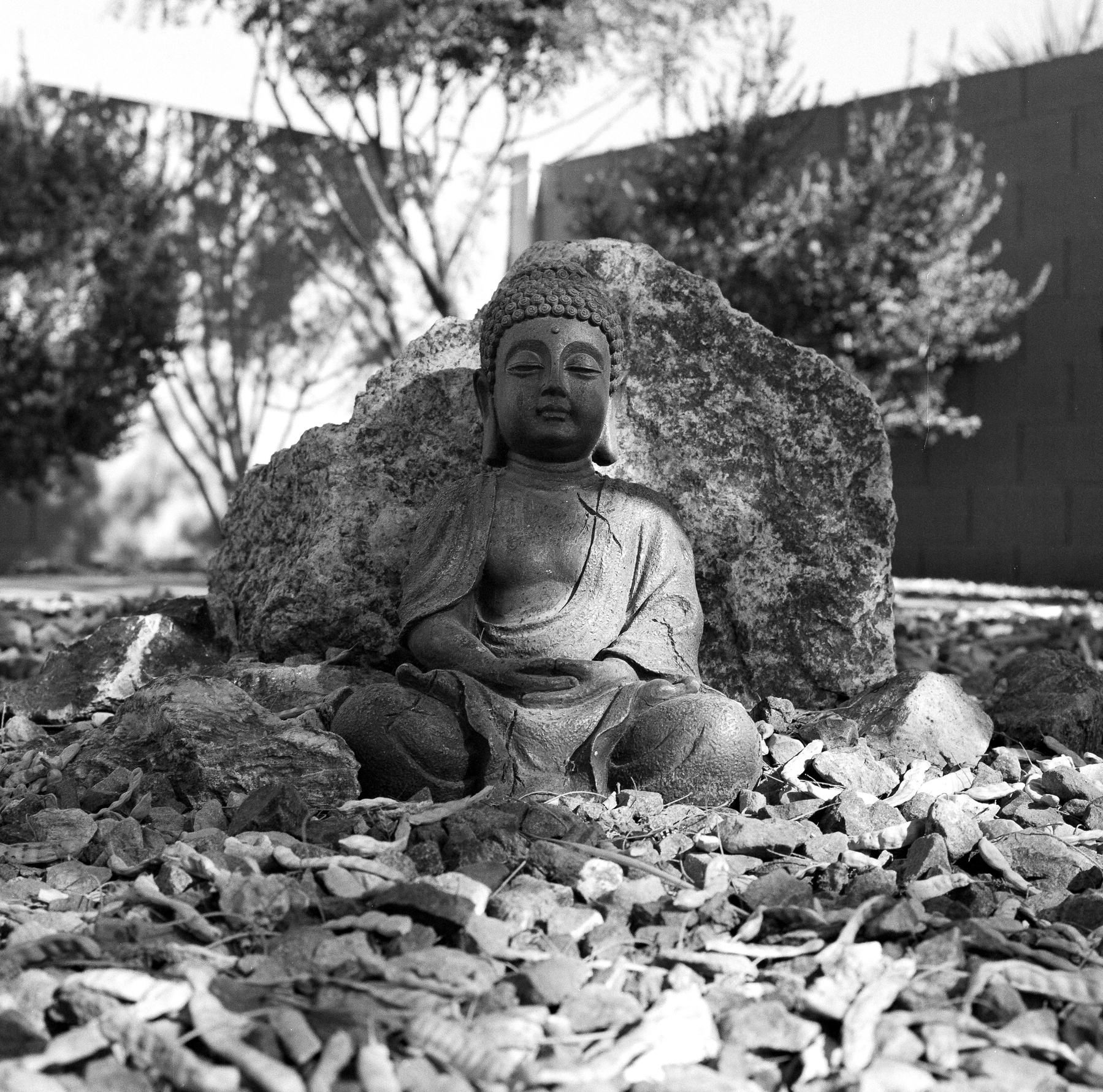
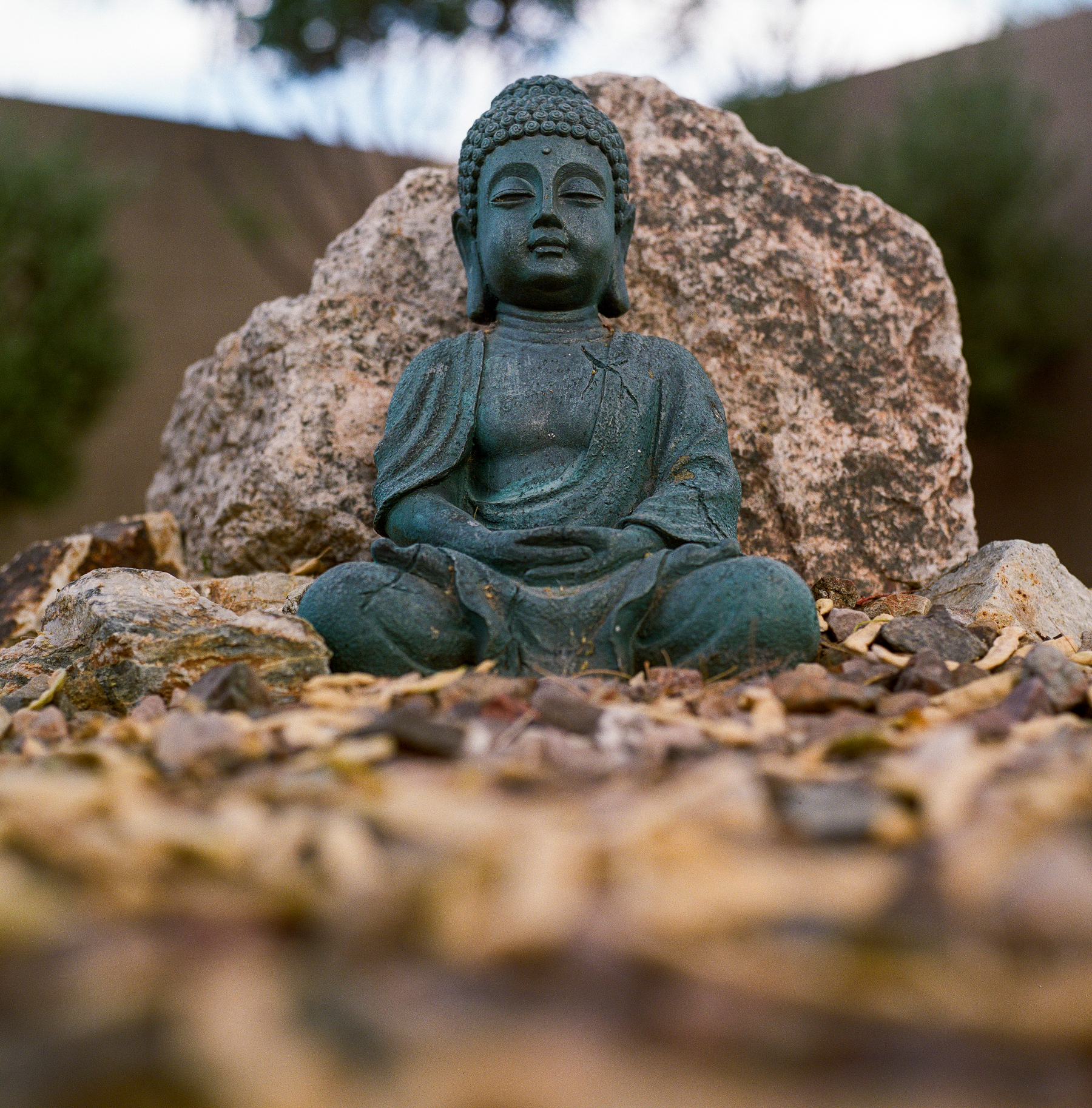
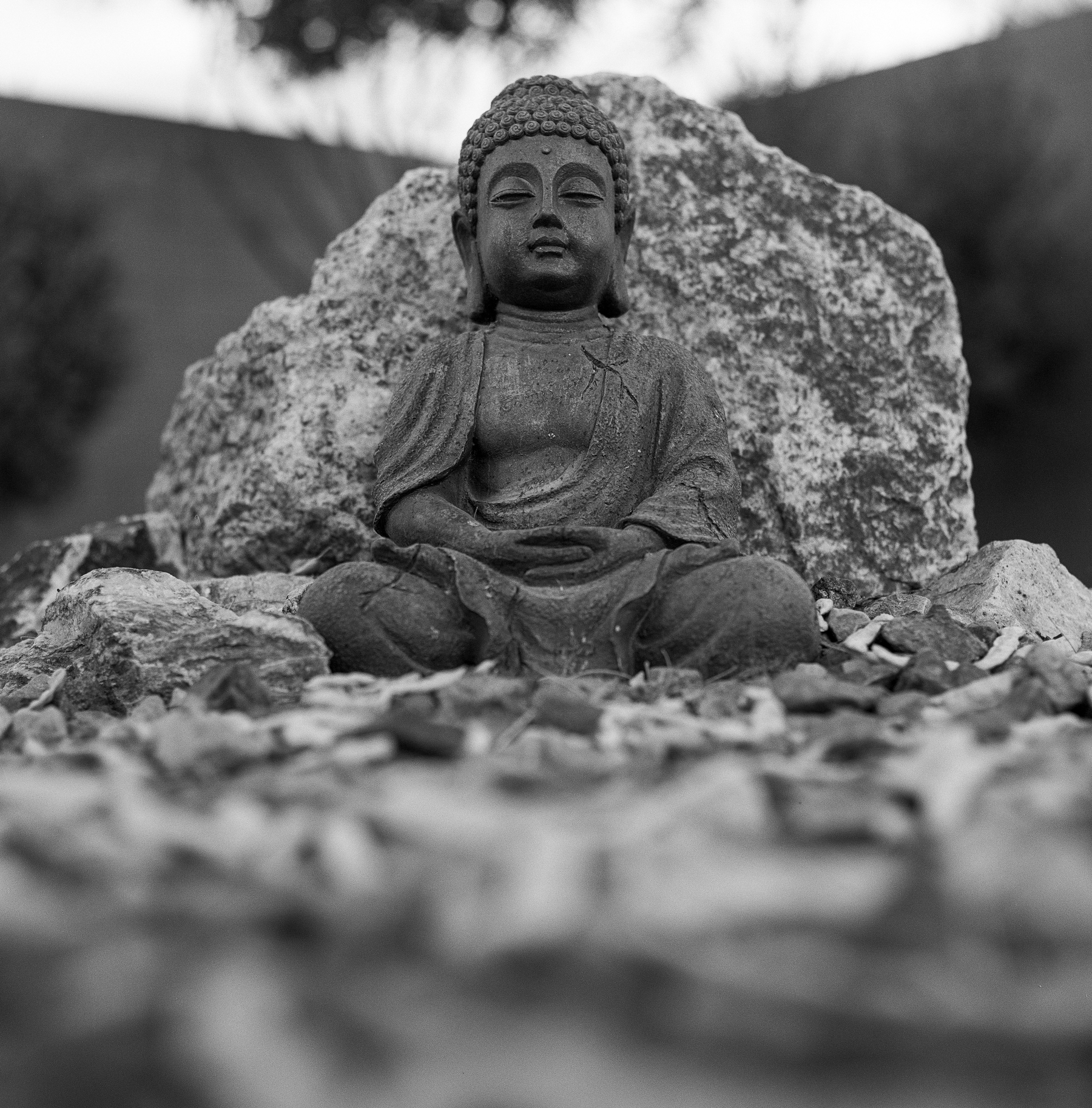
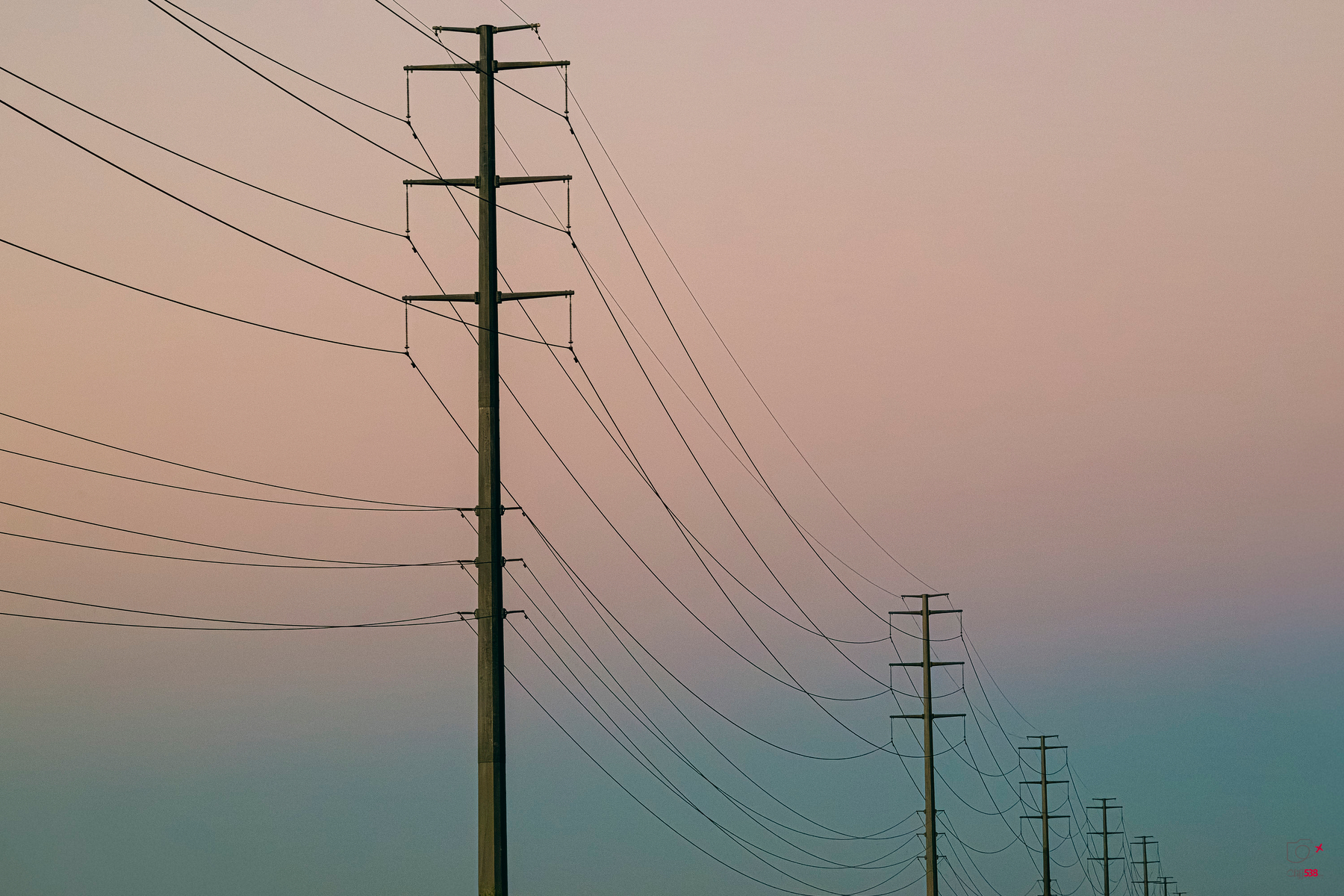
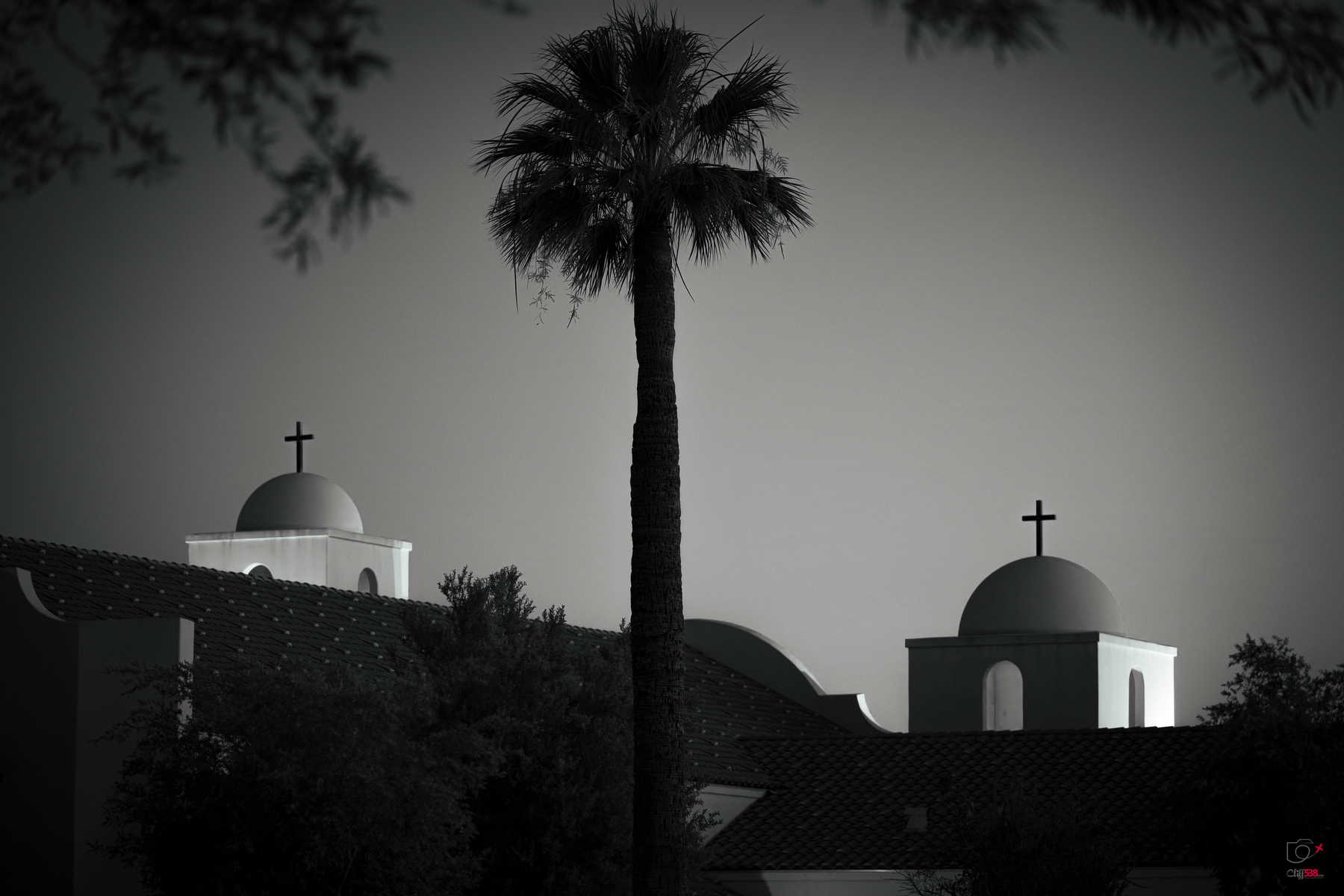
Allow me another film shot today. It wasn’t shot today, but it was developed and processed today (I need to add this to the house rules! LOL). If I keep developing and processing this much, I may get good at it.
I made a photo set of all my PNW Road Trip keepers. I wrote up tips & tricks for developing and processing the last three rolls.
O.K., now onto that 120 film… I’m not going to lie, I’m a little nervous about spooling that up in the dark bag.
Today was all about getting some film developed, scanned, and processed. I was excited to see what I captured and, to be honest, if nothing looked good, I was going to reevaluate my film shooting… It’s a lot of work, not to mention expensive, and if you don’t love it and get a few shots you really like, you won’t be doing much of it.
I got enough keepers to keep me chugging along and shooting some film - ** big sigh of relief ** - There is a big learning curve getting back into shooting film, mostly relearning the limitations that you don’t have to worry about when shooting digital.
I do love the look of film, and the memories that it brings back for me; those things alone will keep me shooting it.
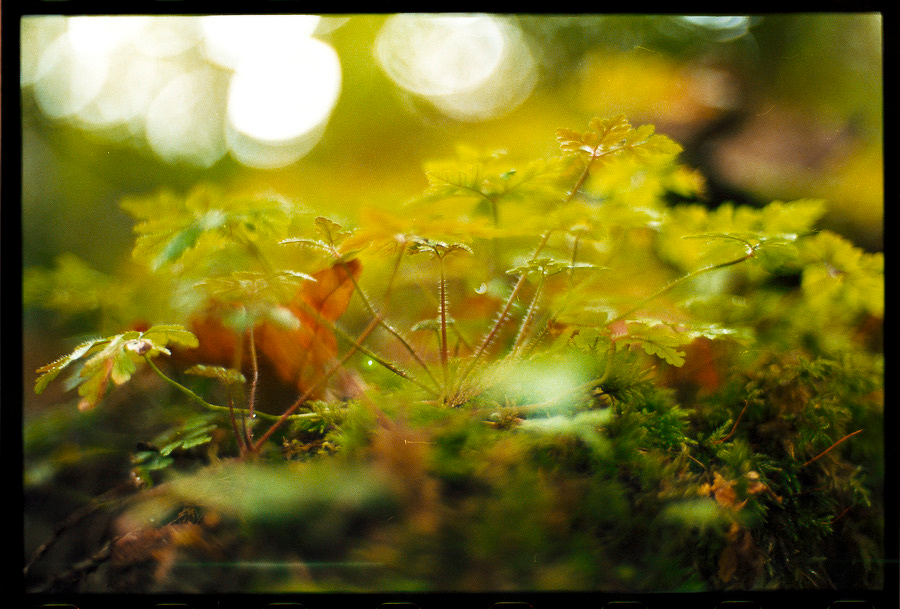
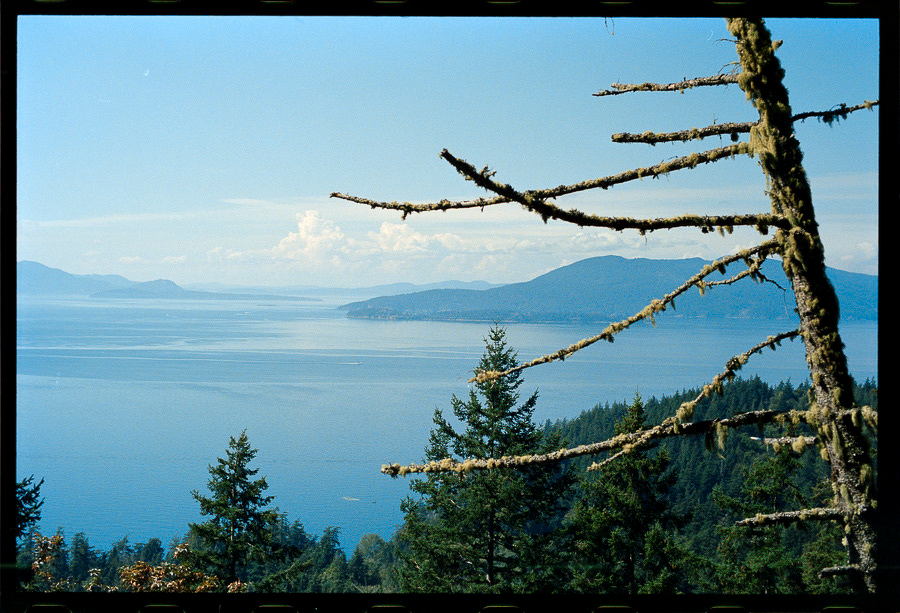
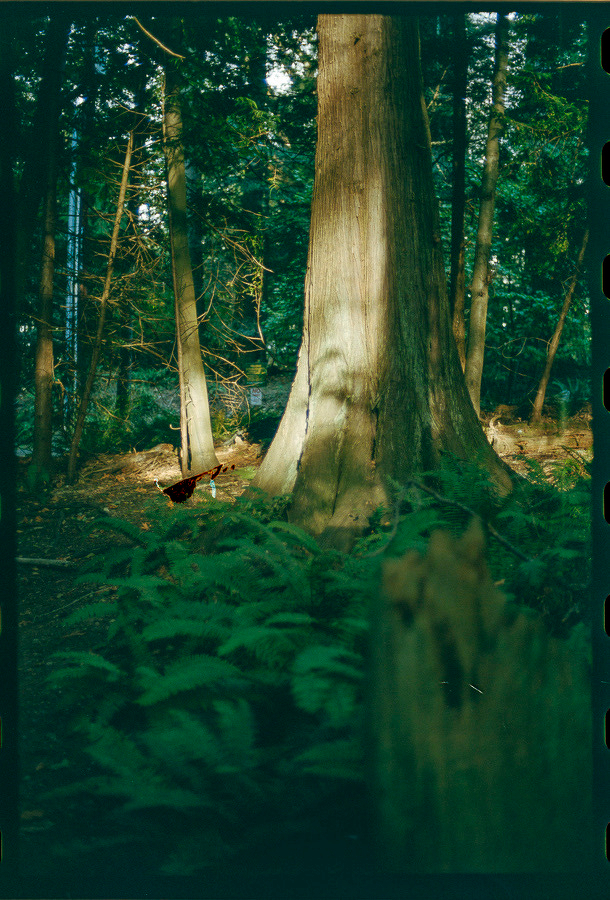
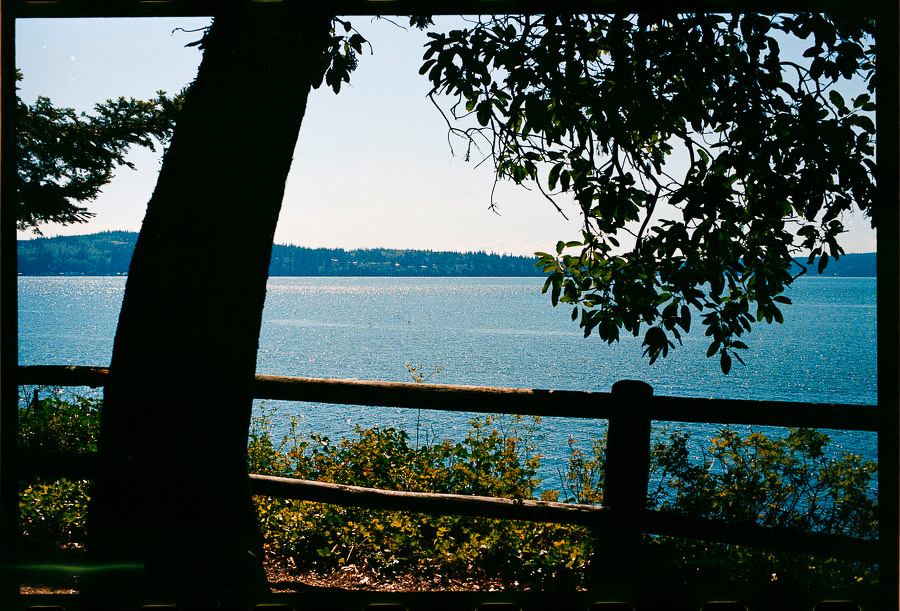
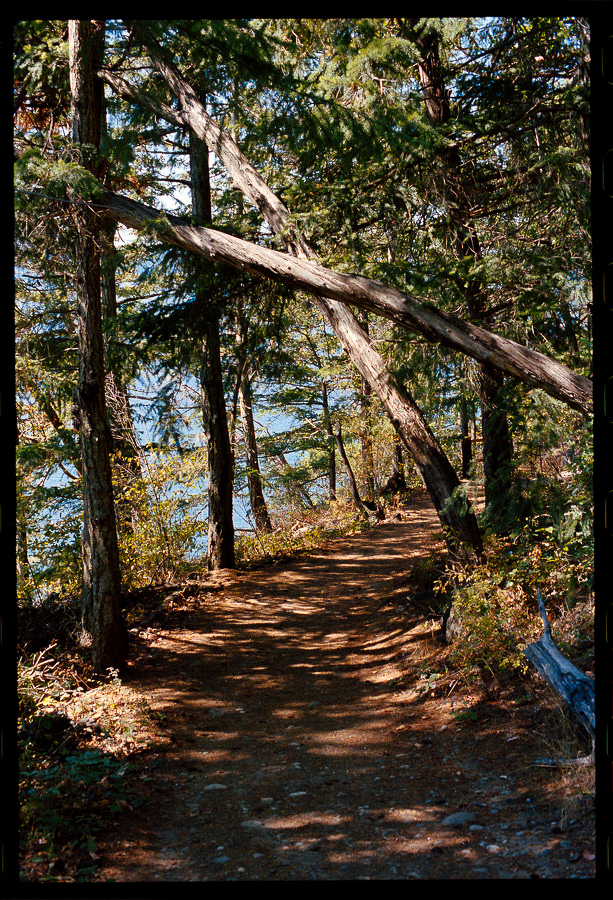
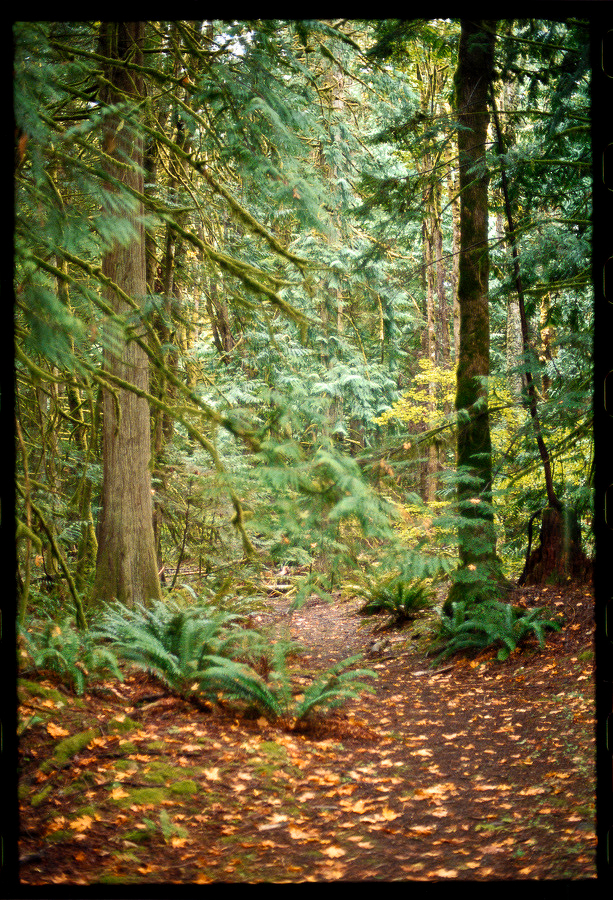
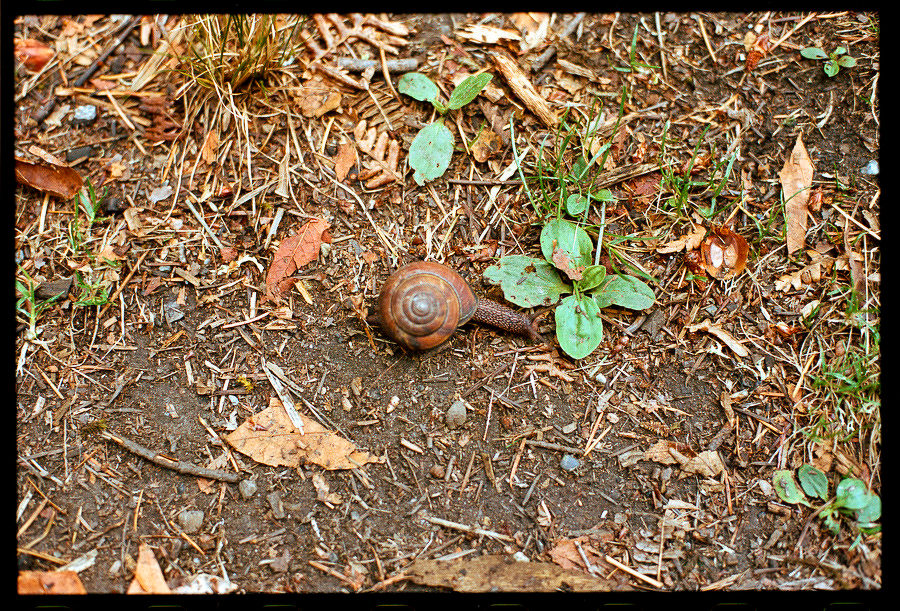
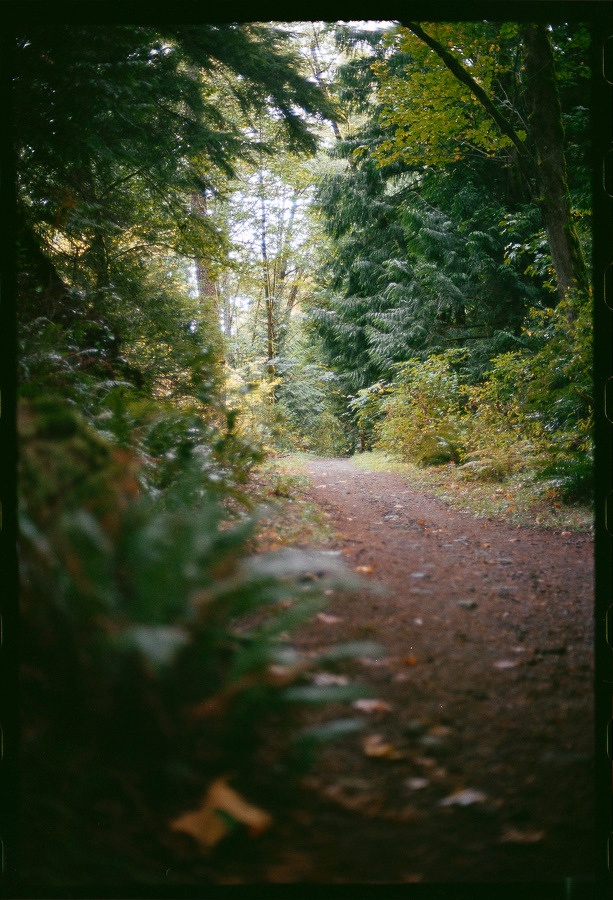
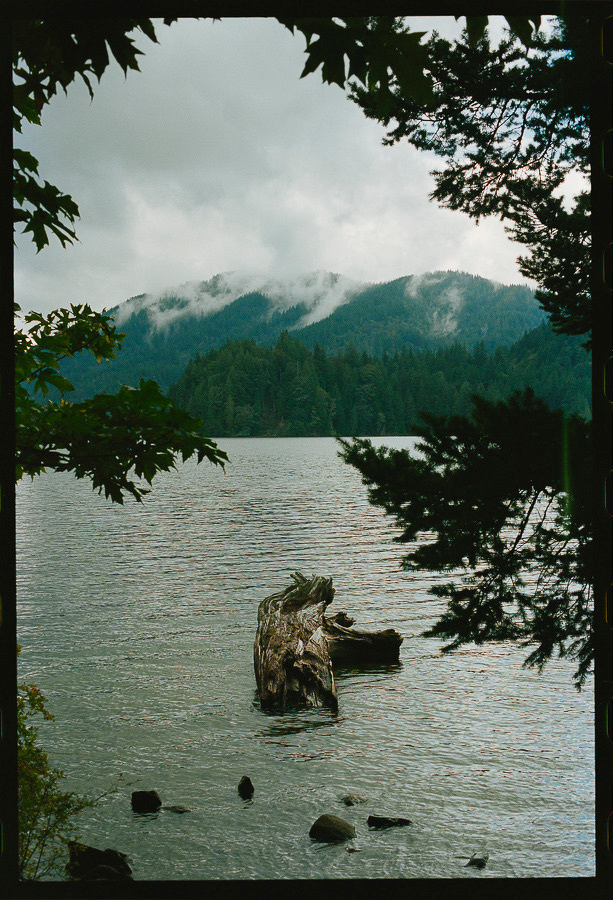
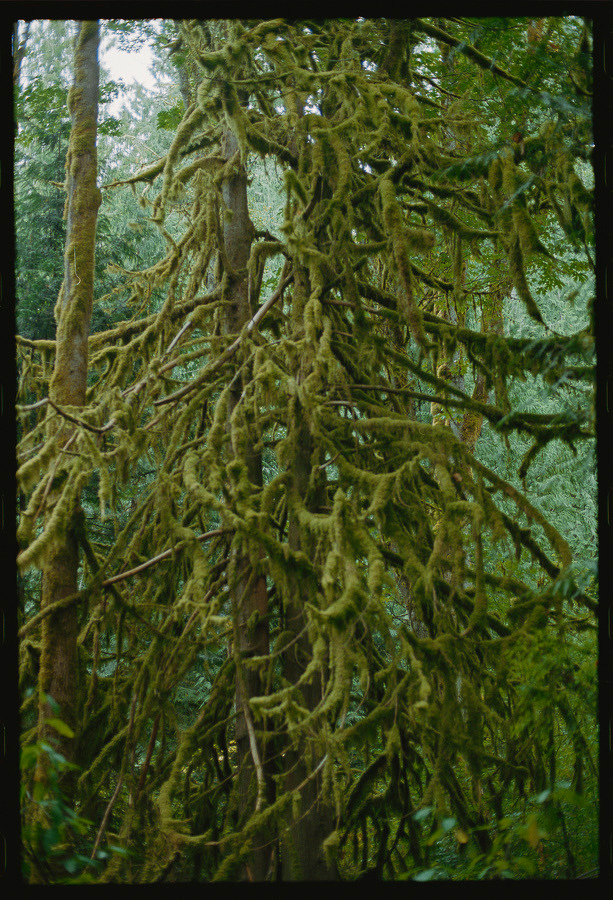
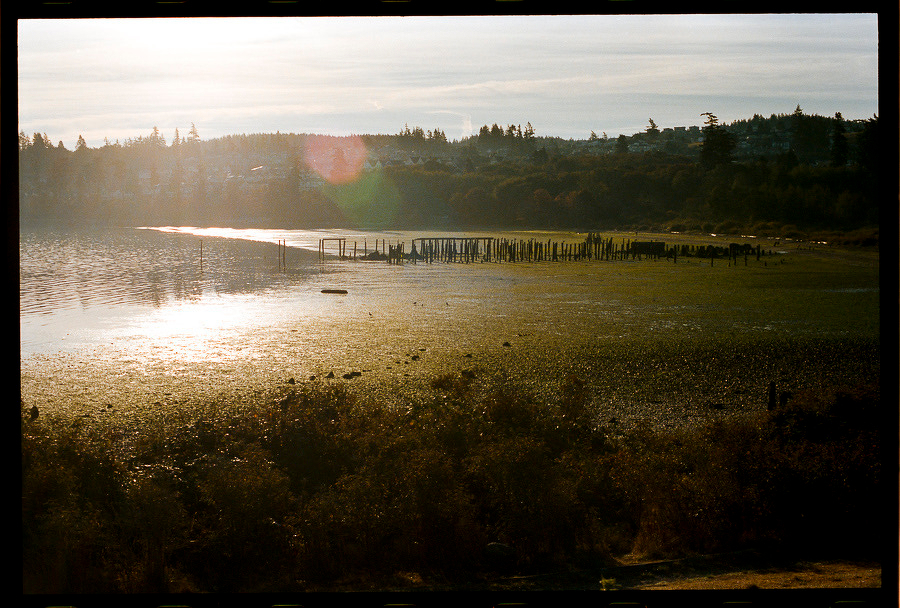
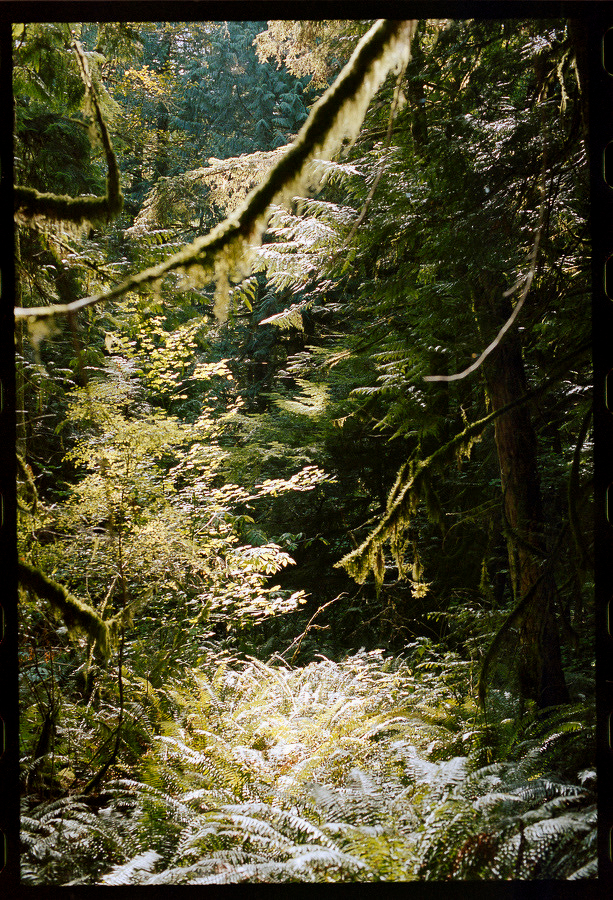
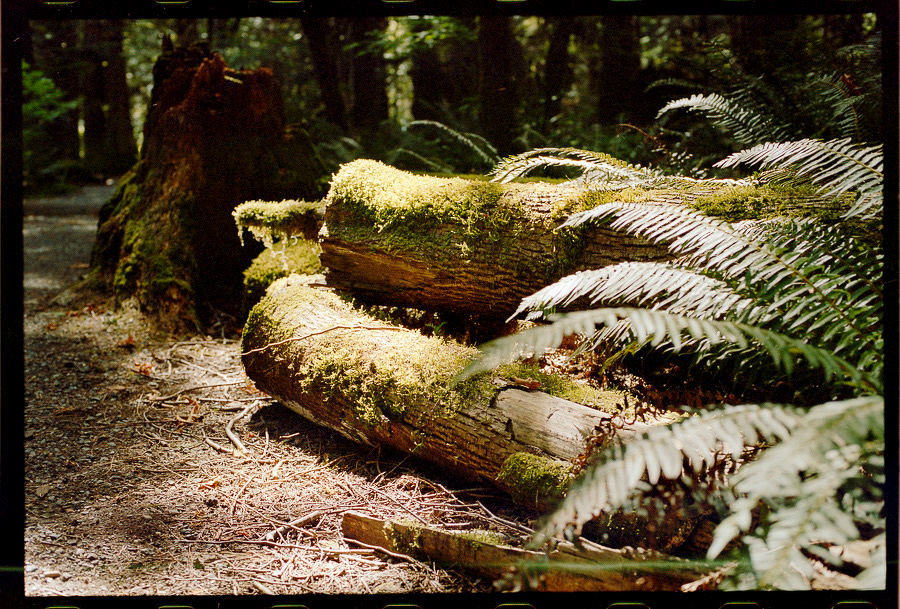
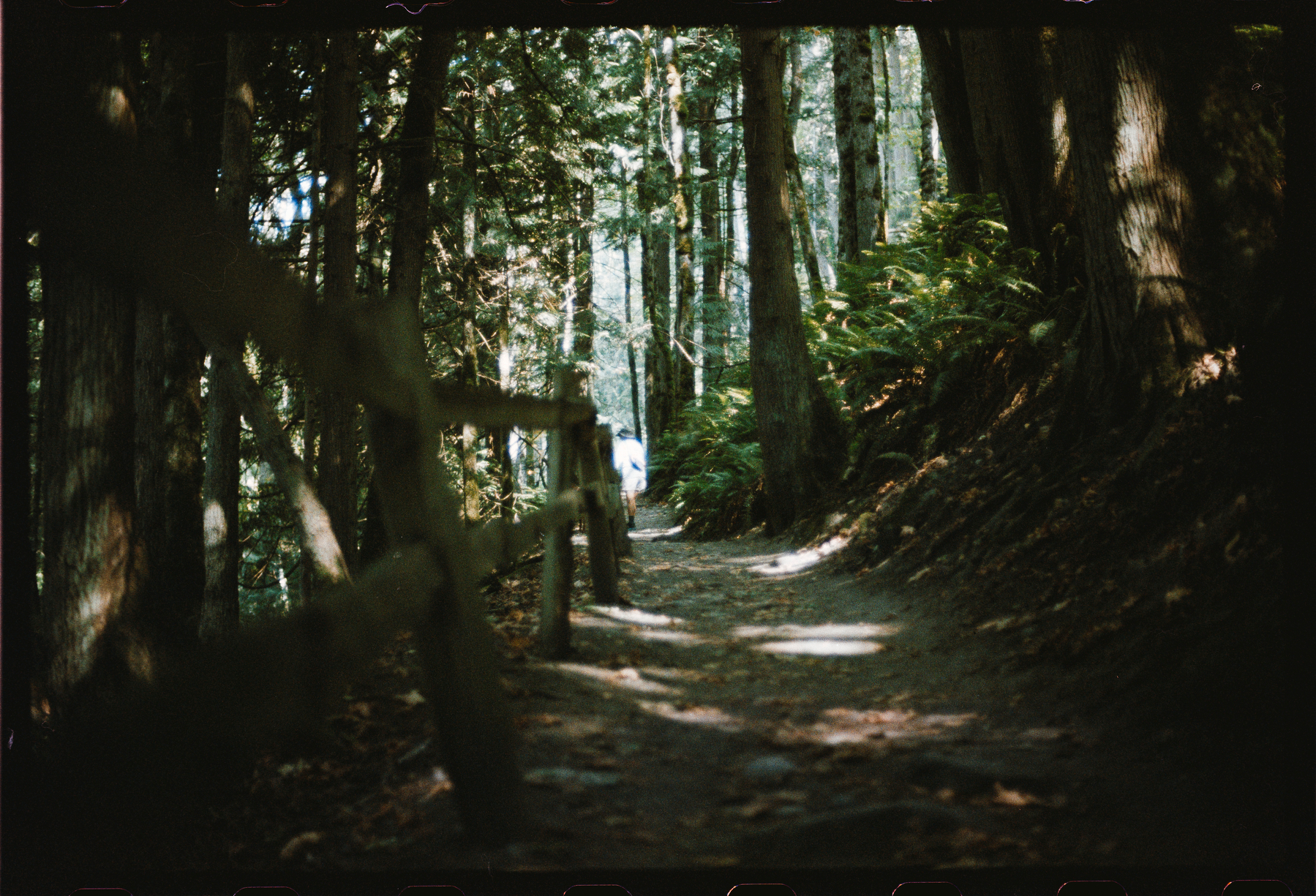
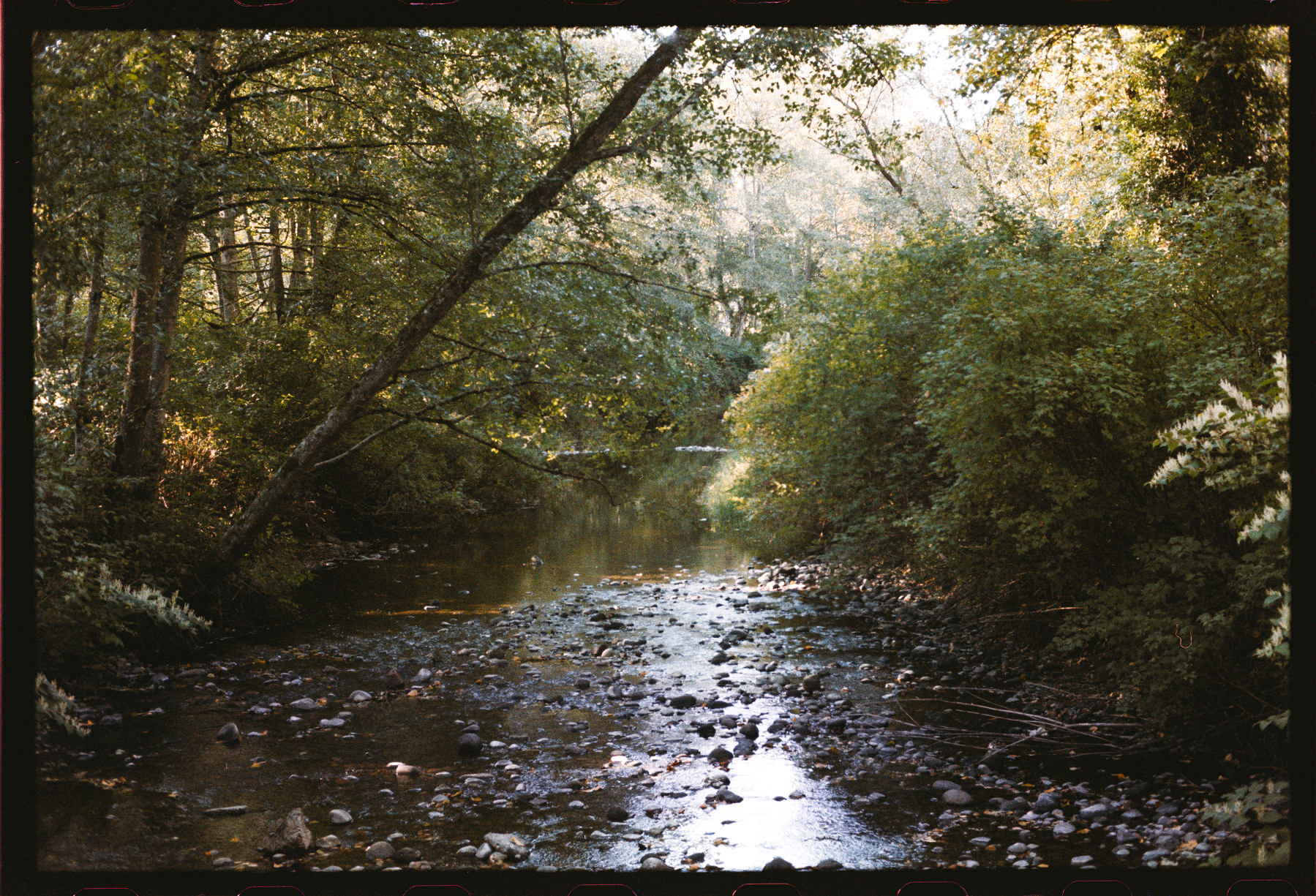
Down in Stray Pixels, some of my favorites from 3 rolls of 35mm developed today. Hopefully soon, I can get to the 120 that needs developing. I will make a page over on Cliff538.com with the rest of my film shots from the Washington trip; you can now find that here. I also need to decide what I’m doing with my borders. I did not take the time to crop off all the film edges. Part of me likes that, and part of me thinks they need to be properly cropped. I’ll do some of both and see which one wins out.
I posted some tips and tricks I learned from this latest develop & scan. You can see all of my “keepers” from the trip here.
👾Click for Stray Pixels👾
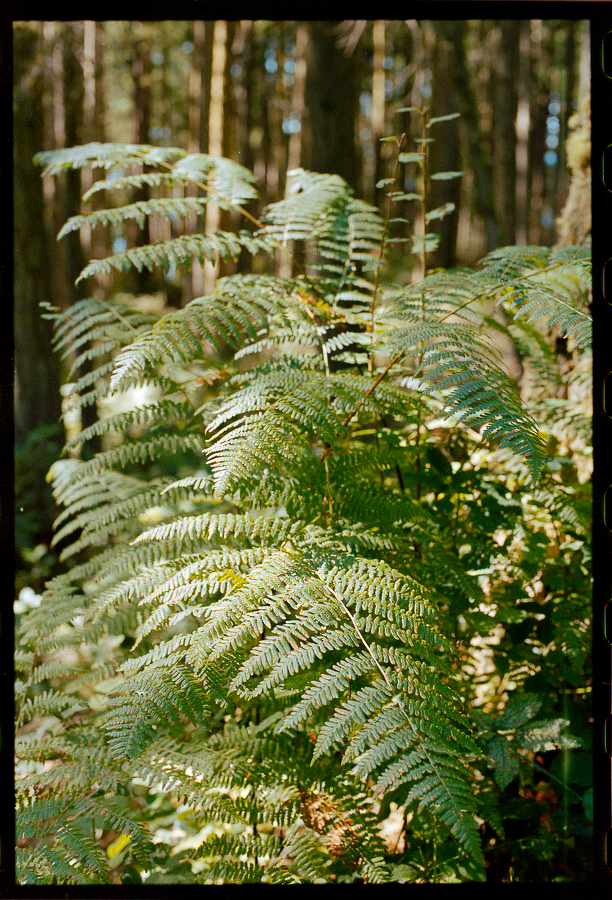
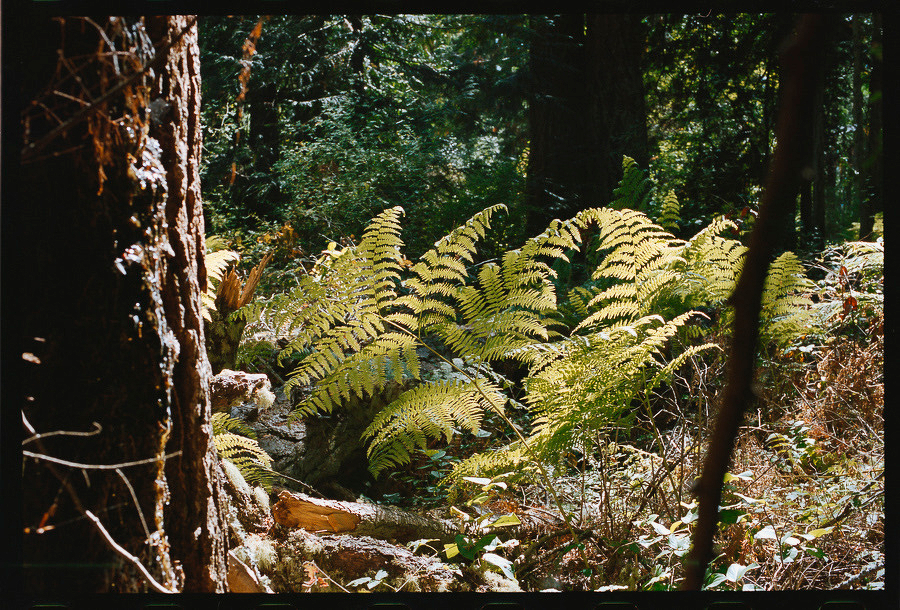
All Nikon F3, shot on Kodak Portra 400, Ektacolor 400, and Ilford Vintage Tone 400.
Note: it’s my understanding that Portra and Ektacolor are the same film, just different Kodak branding
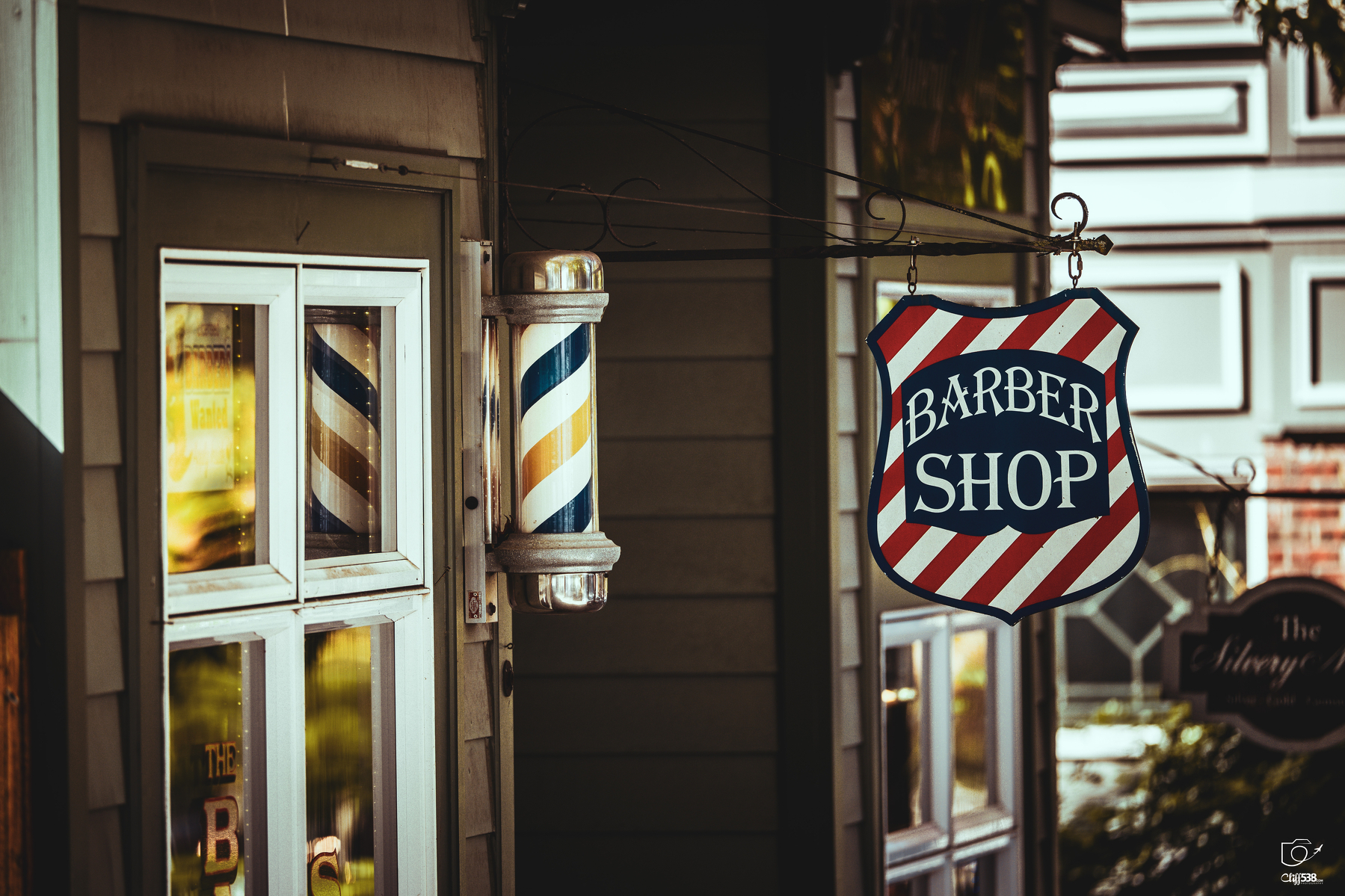
Another day of bookstores and walking around. Found an incredible deli that made me the best vegetarian sandwich I think I’ve ever had, along with a mushroom soup that I’m still thinking about.
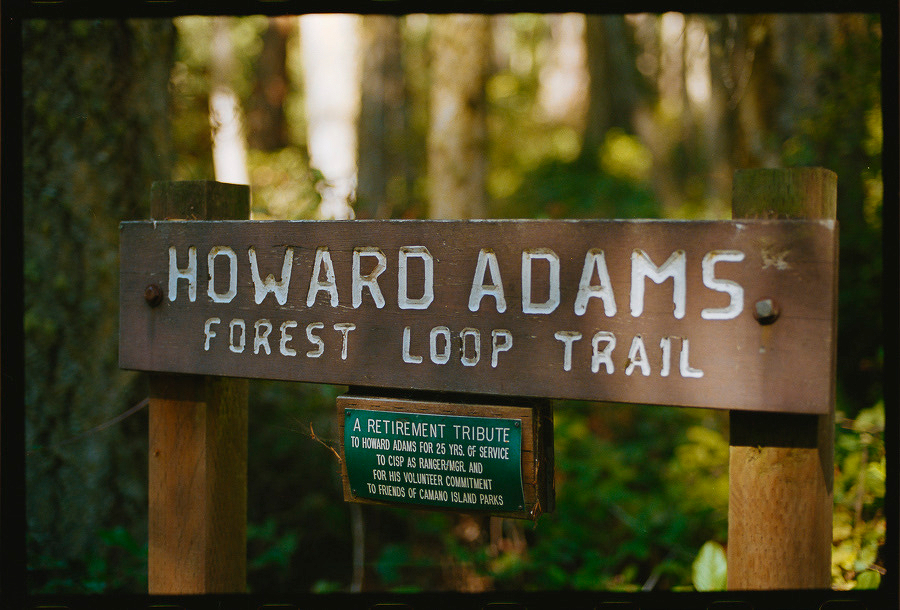
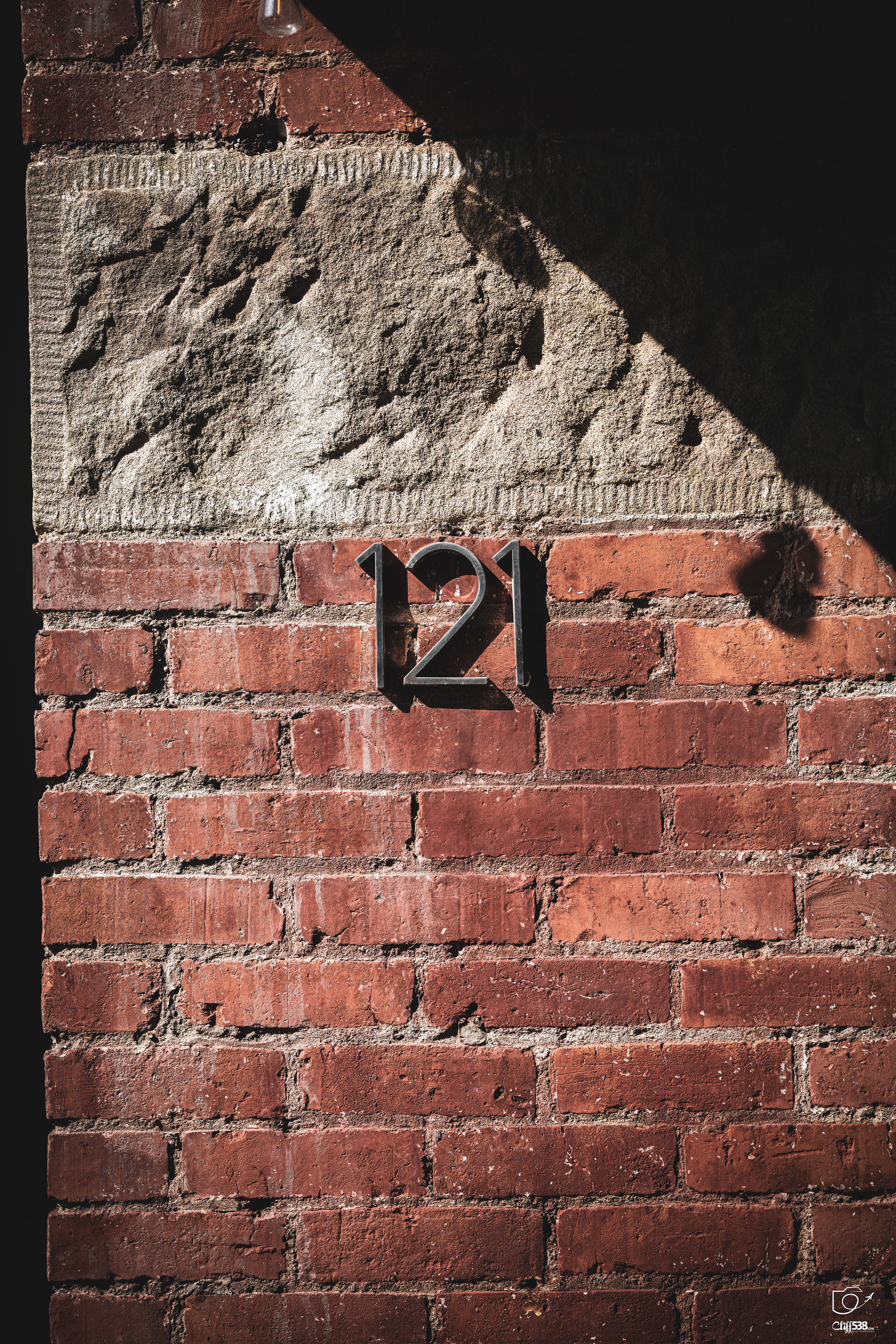
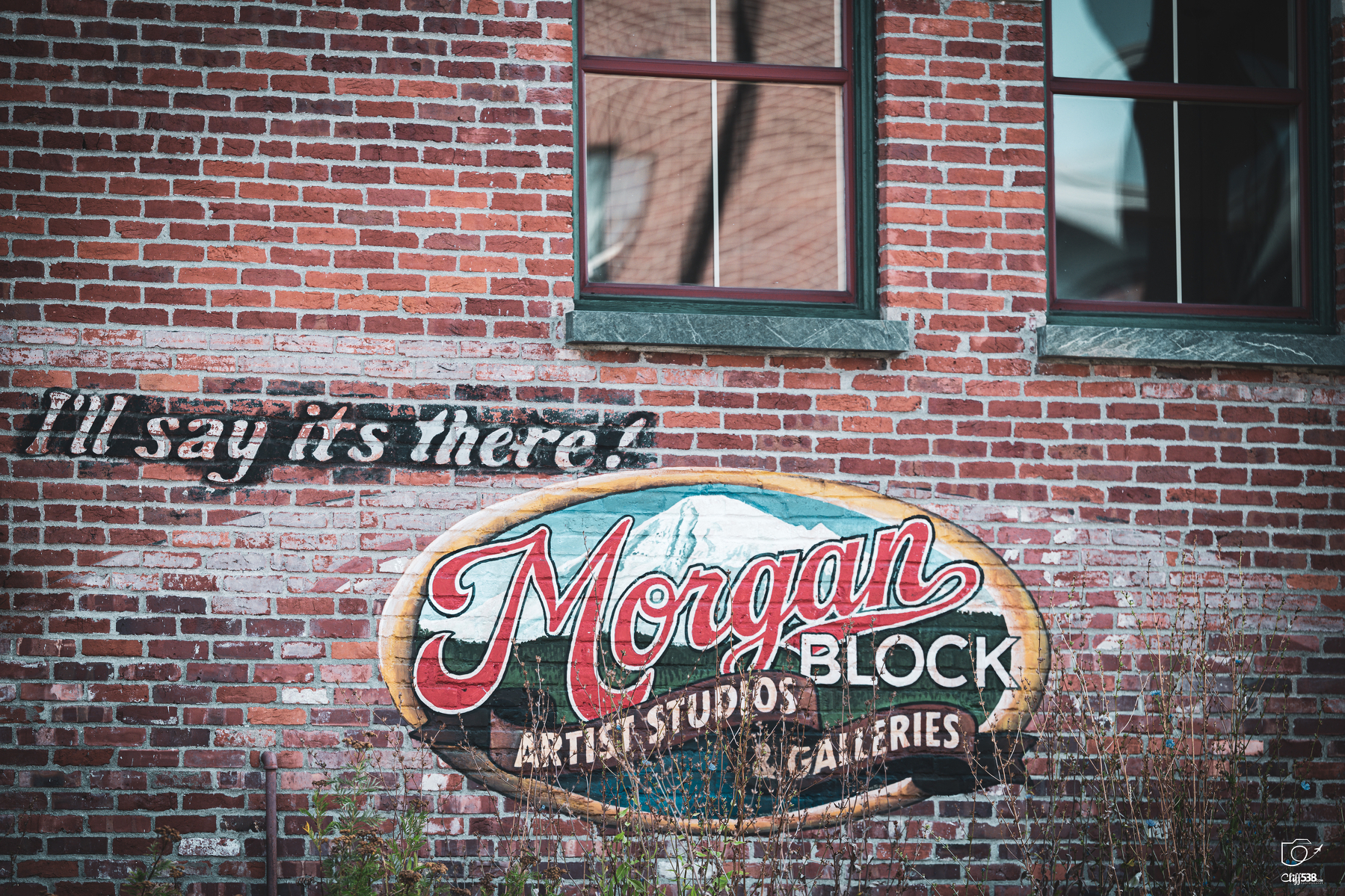
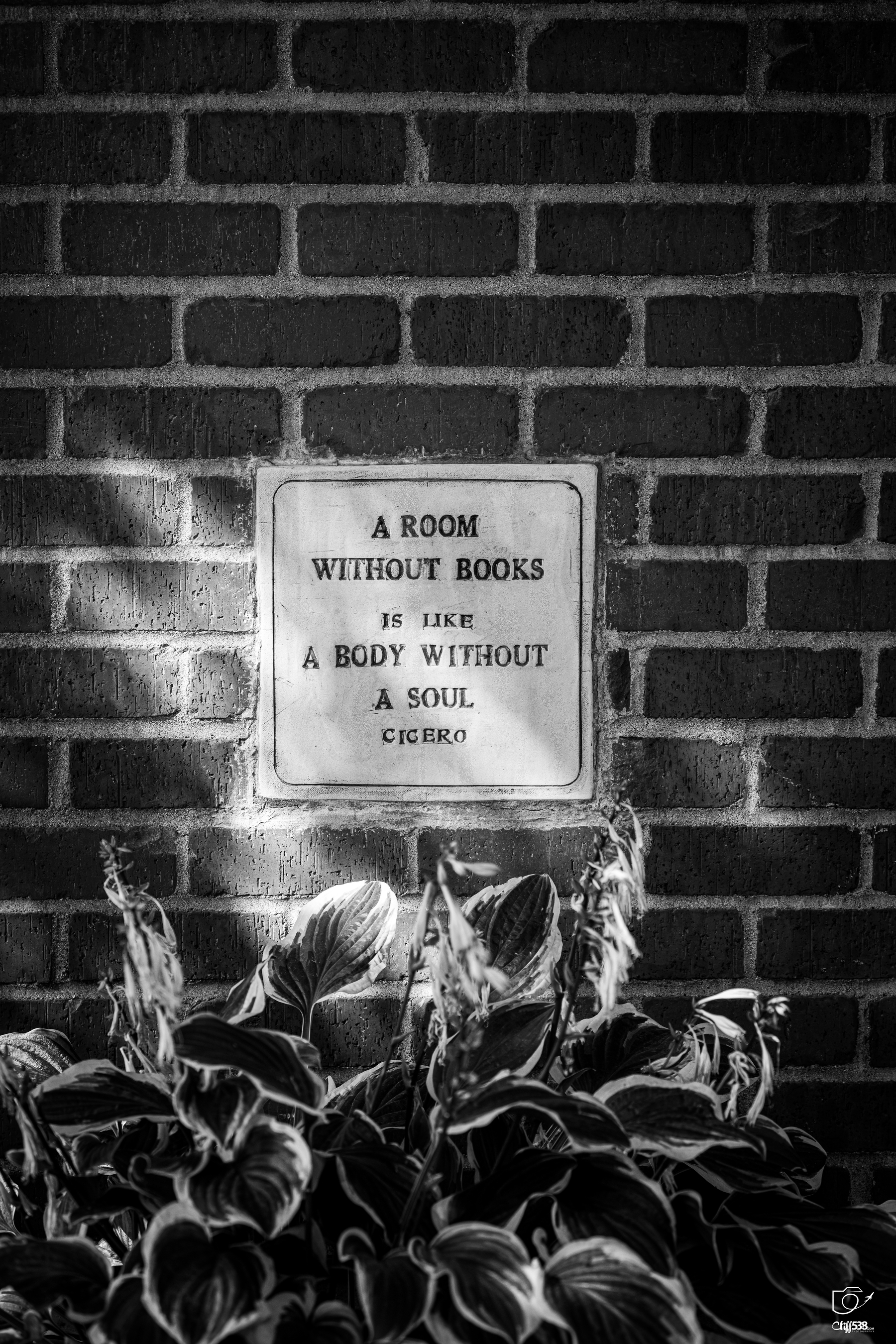
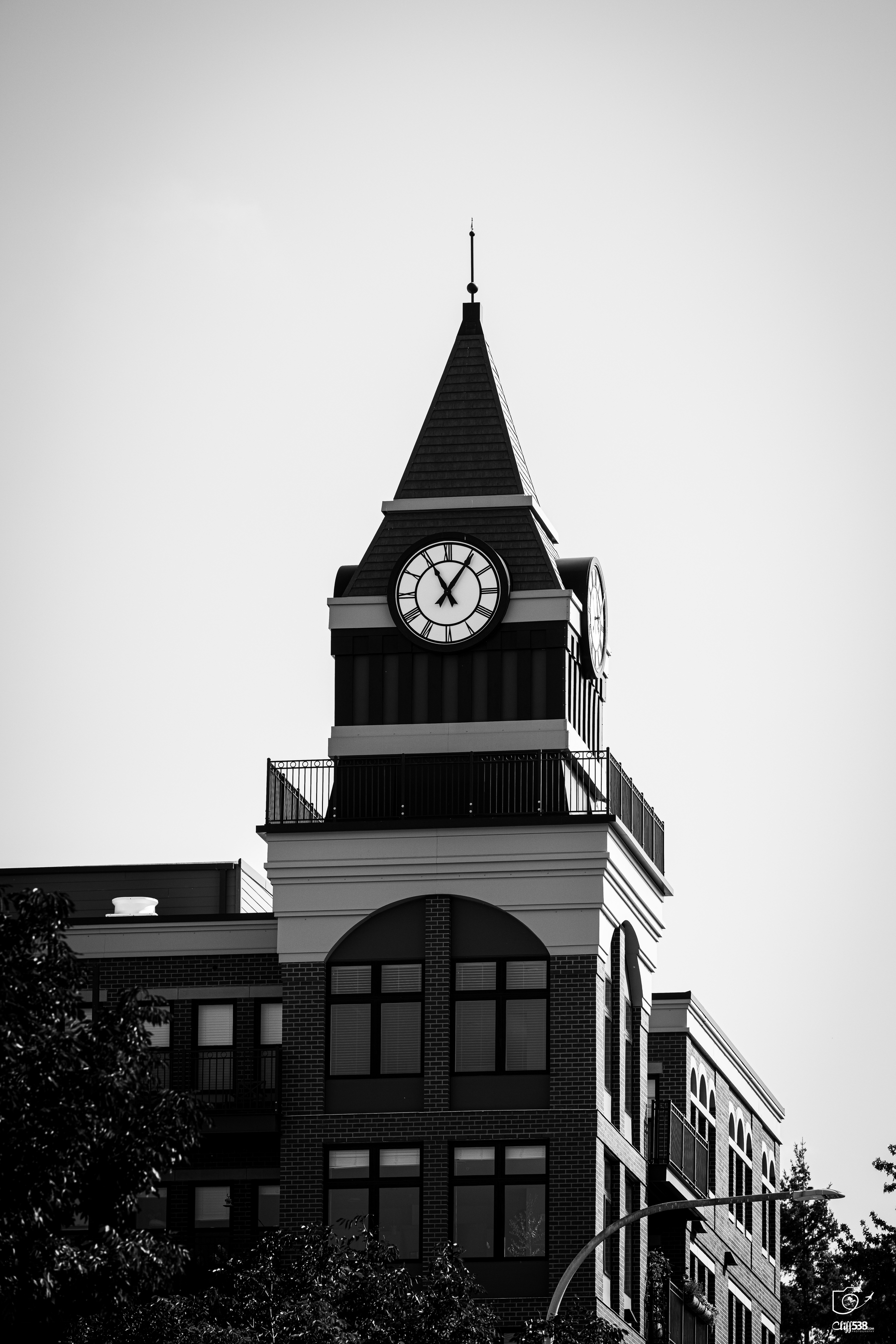
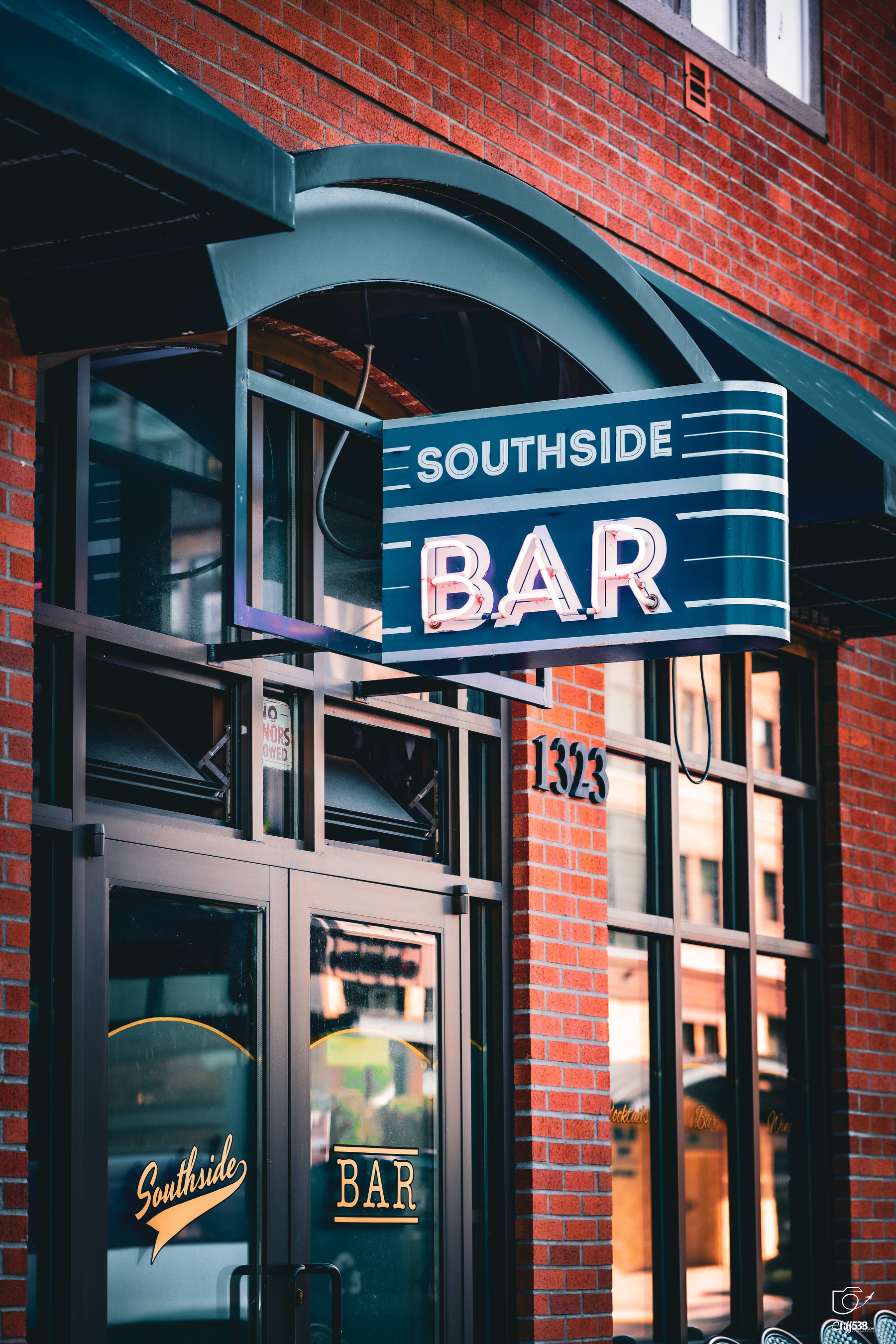
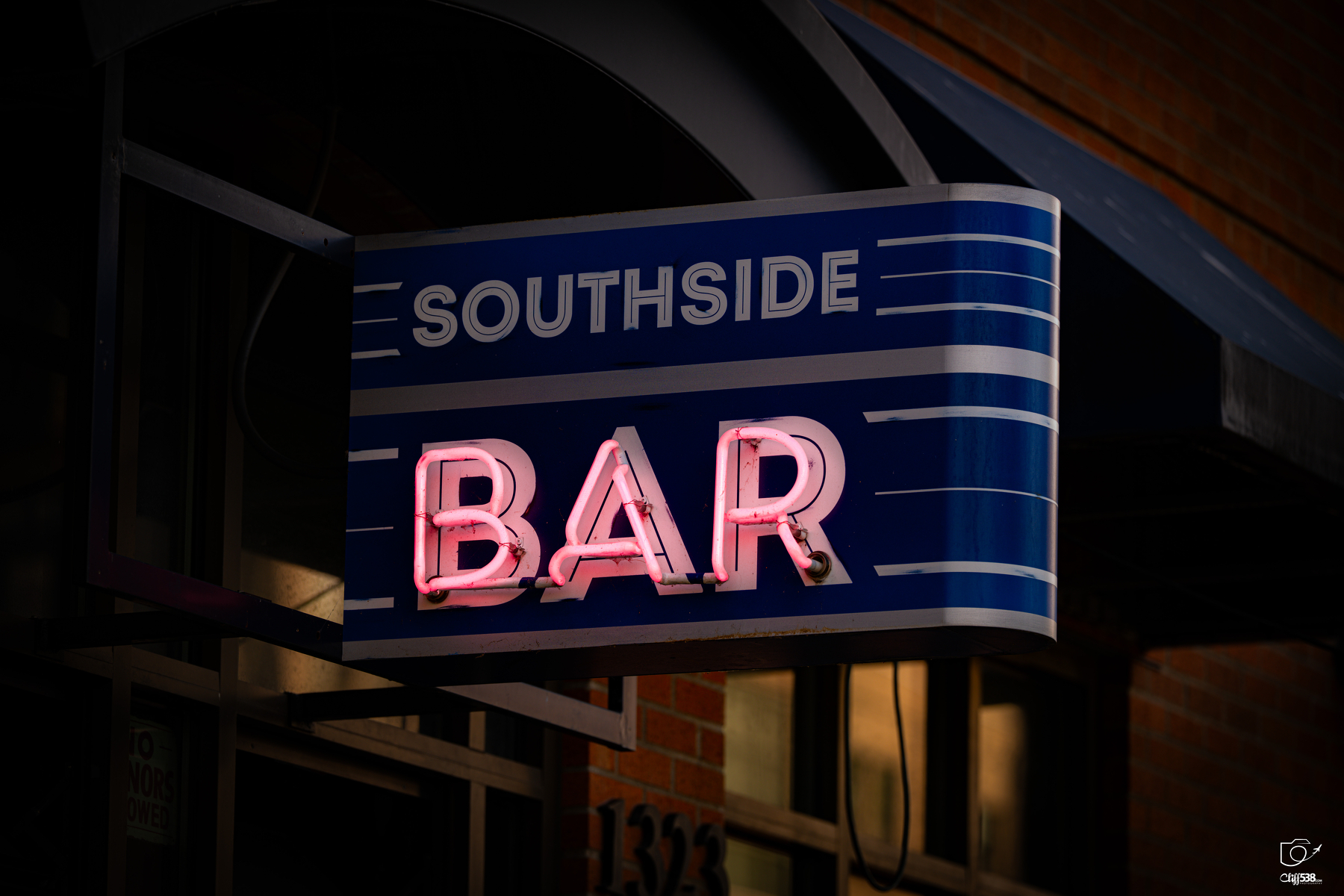
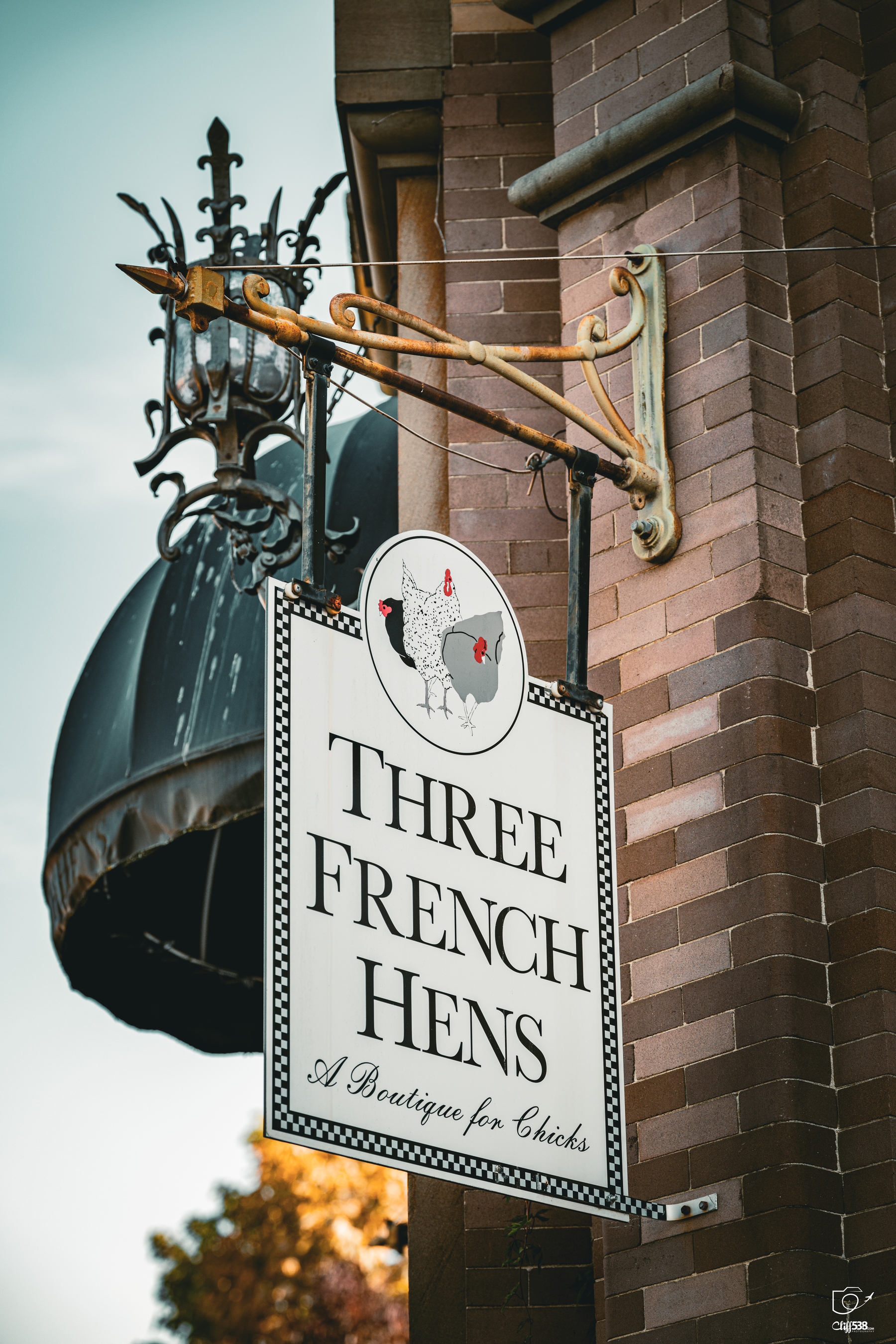
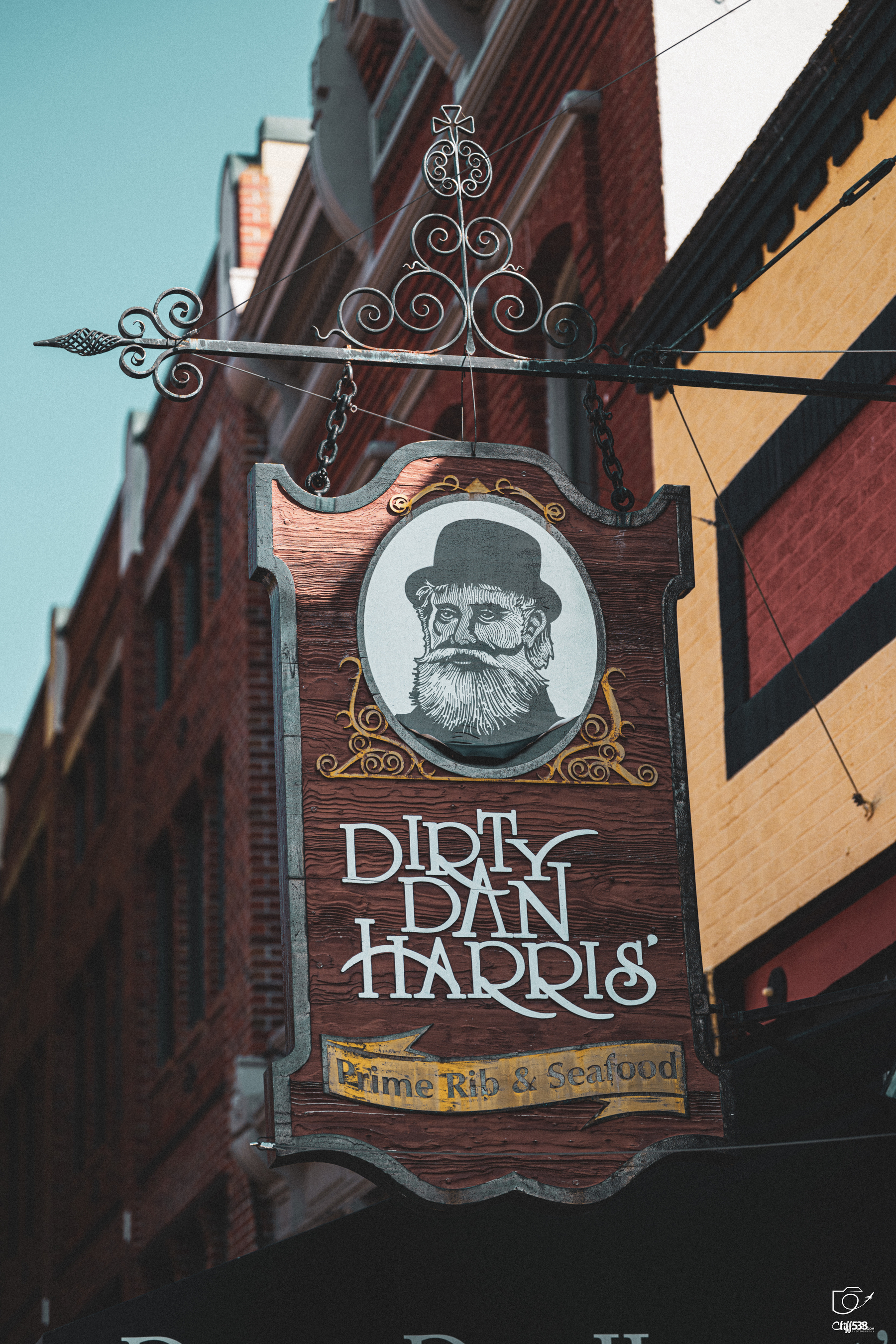
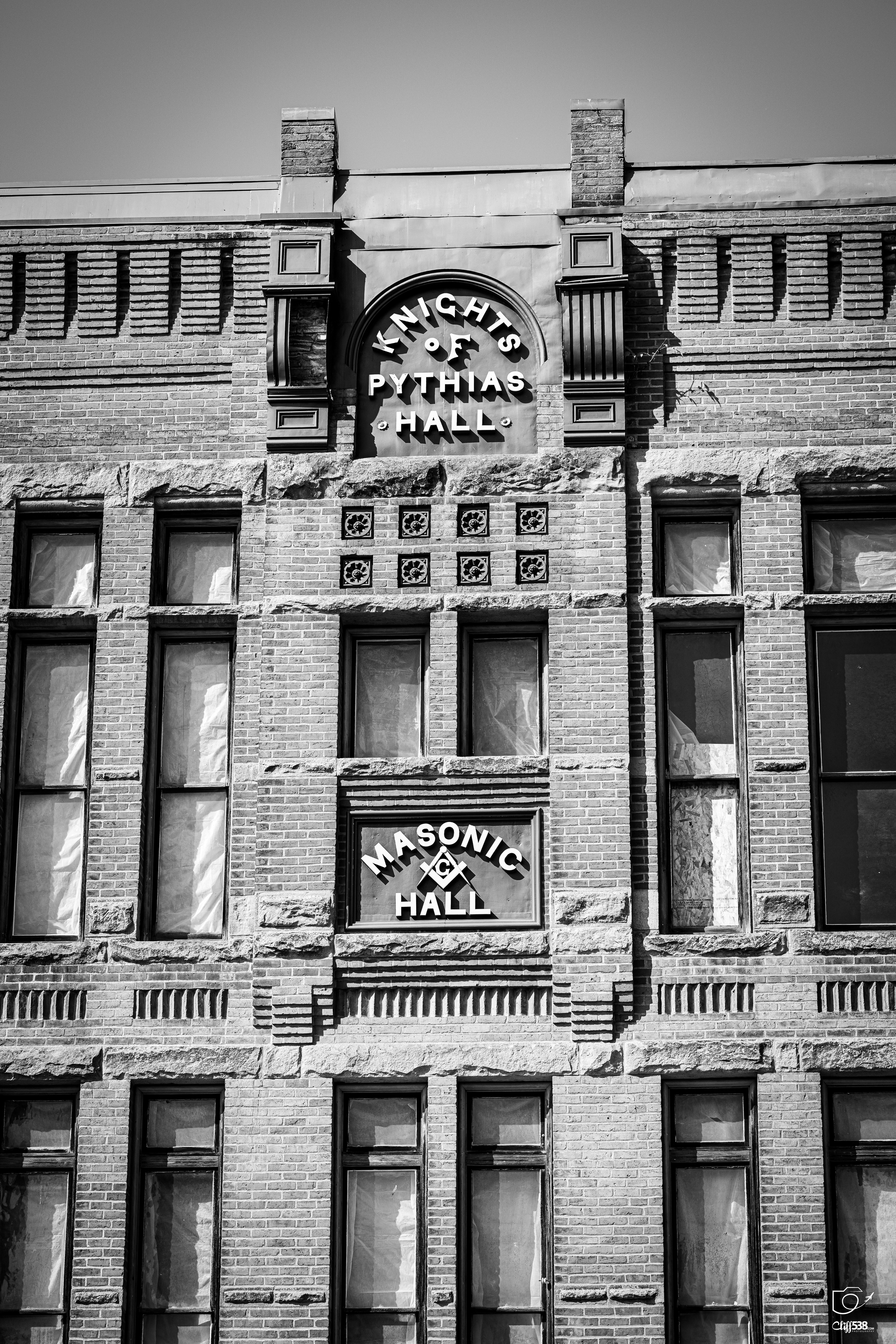
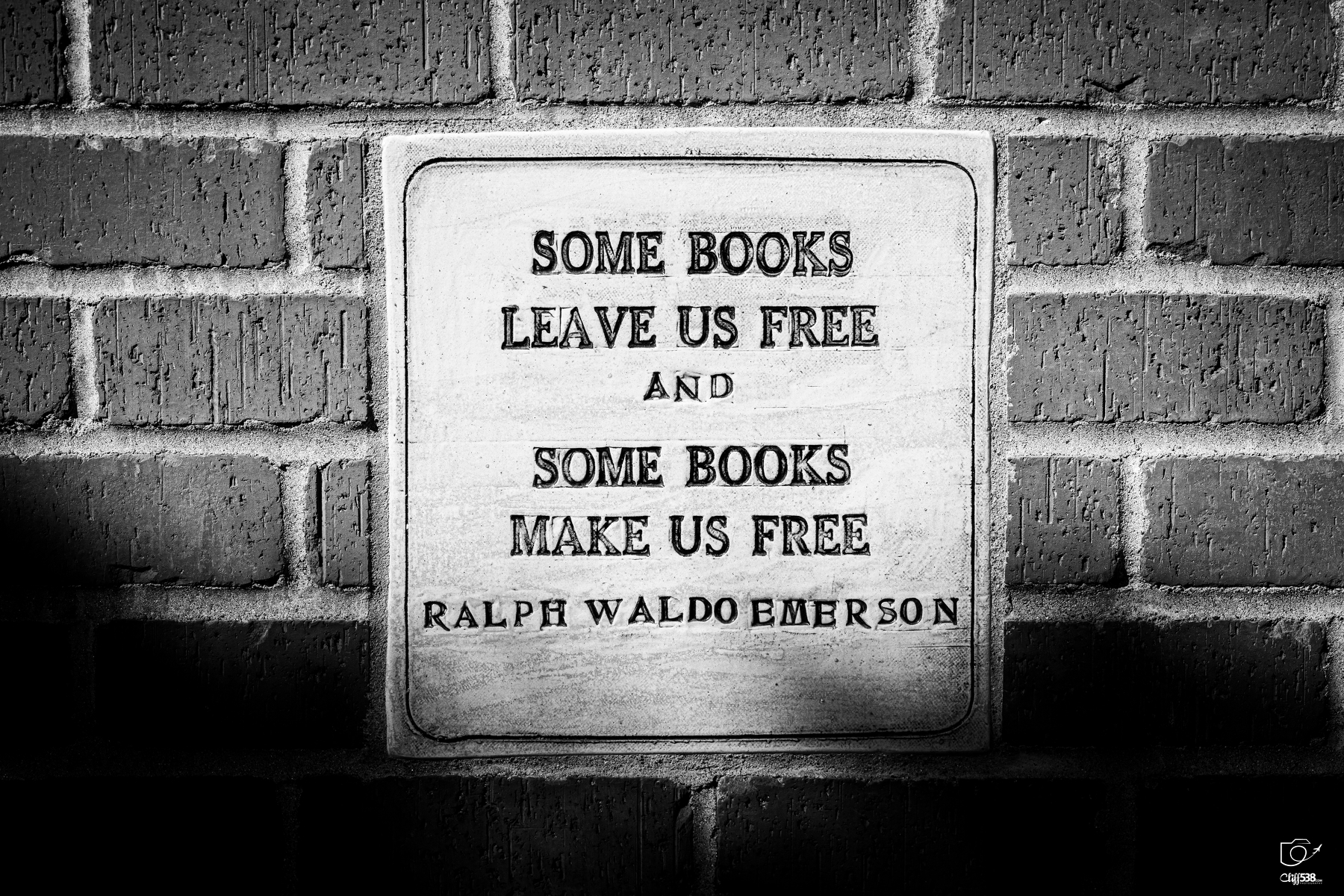
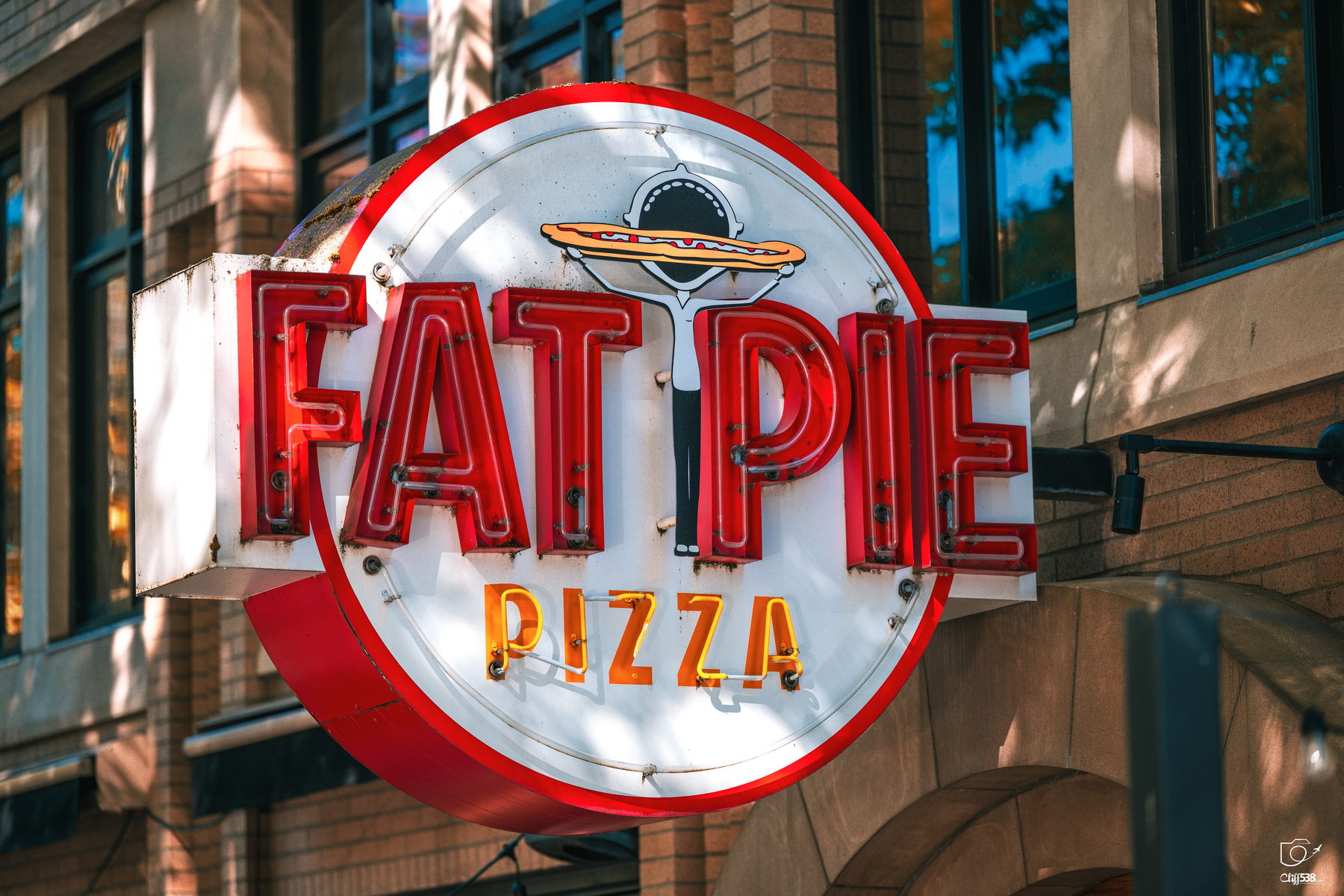
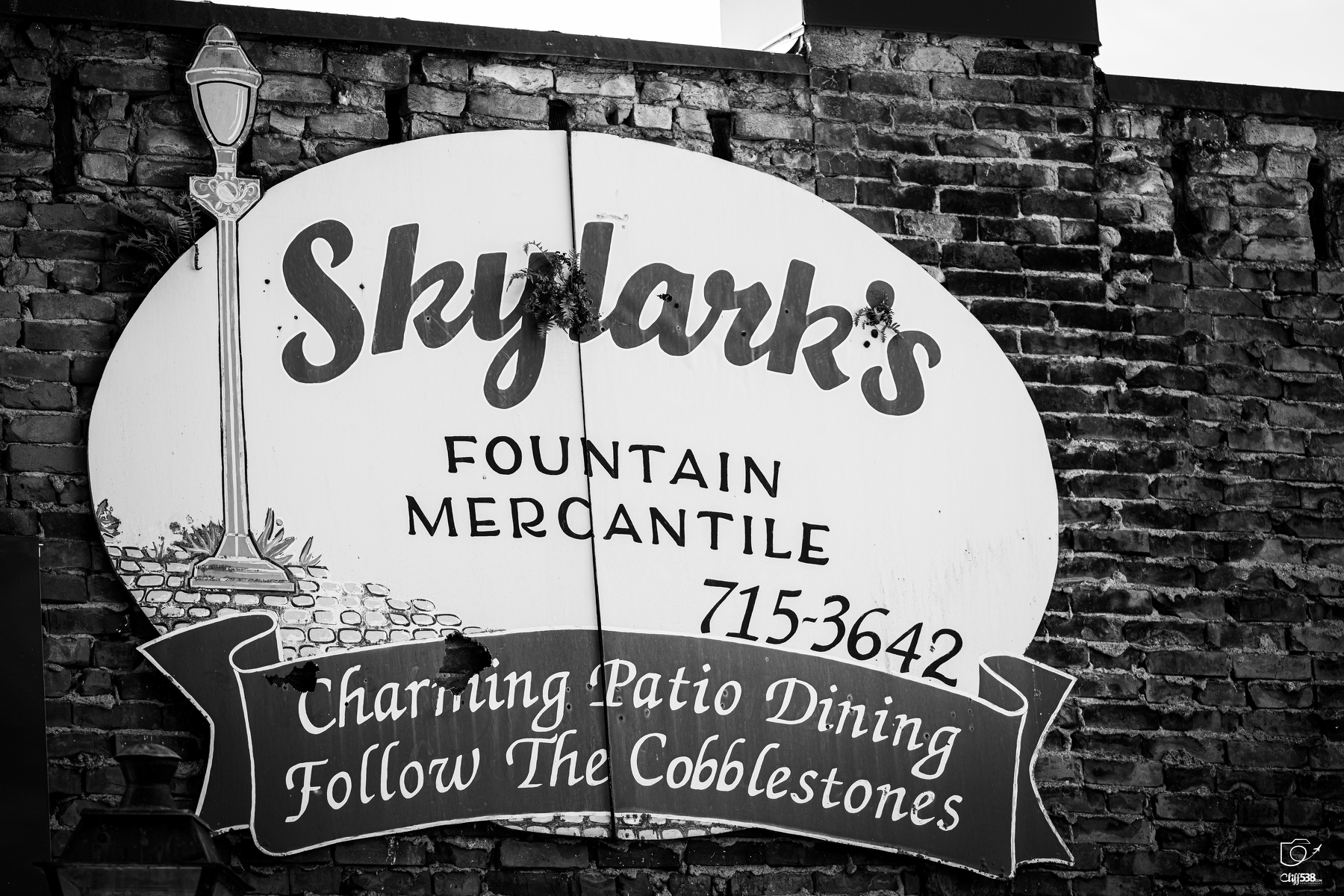
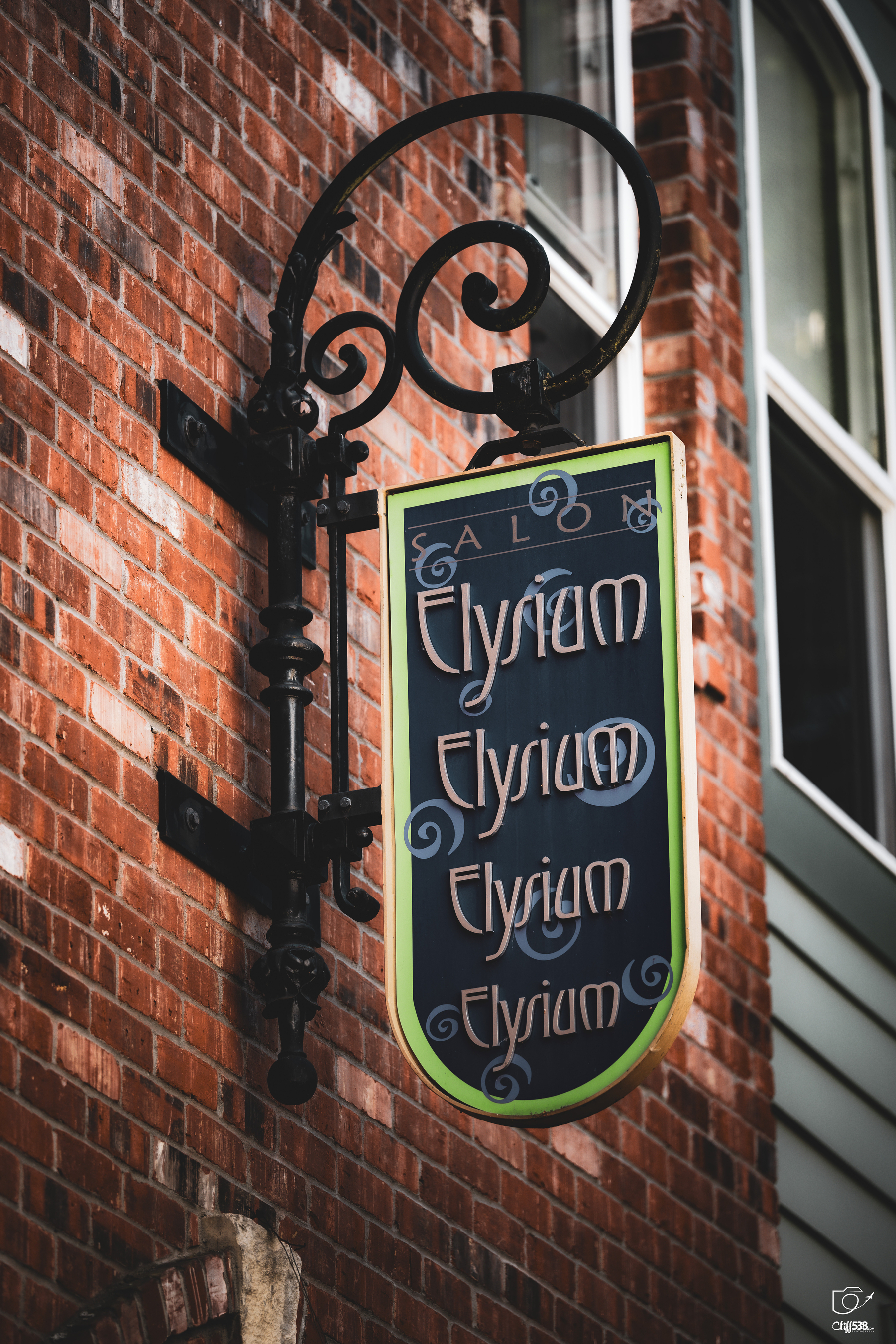
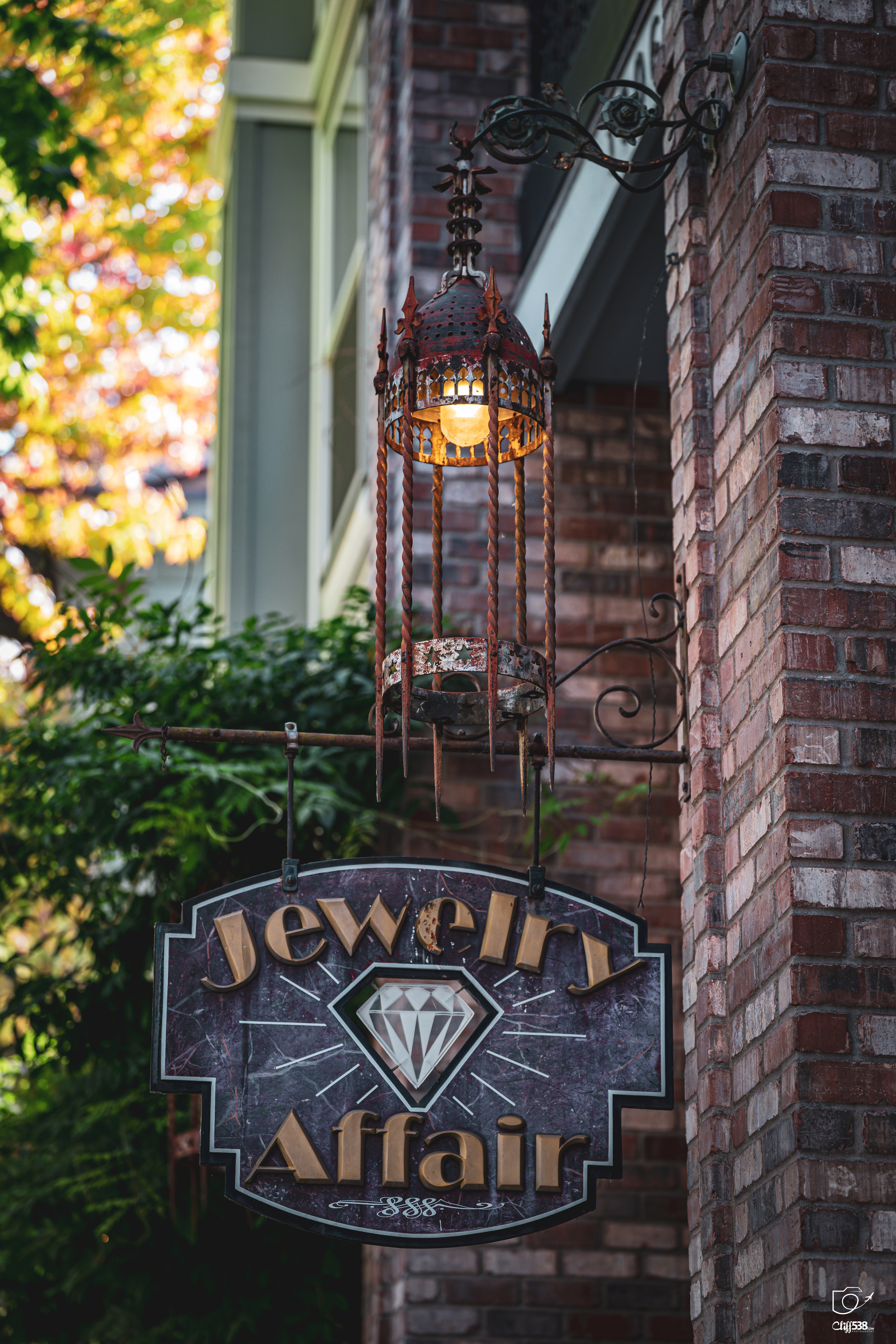
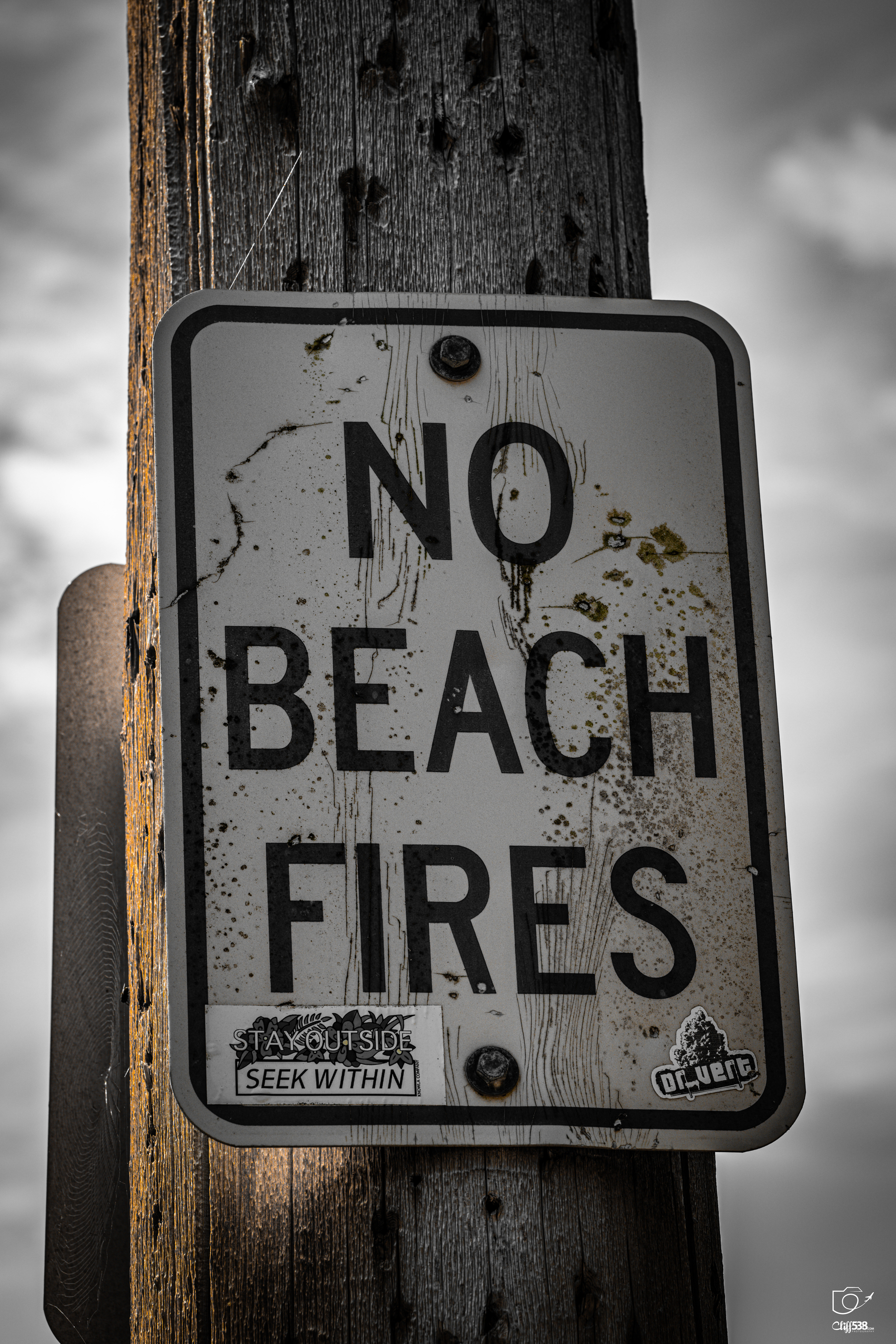
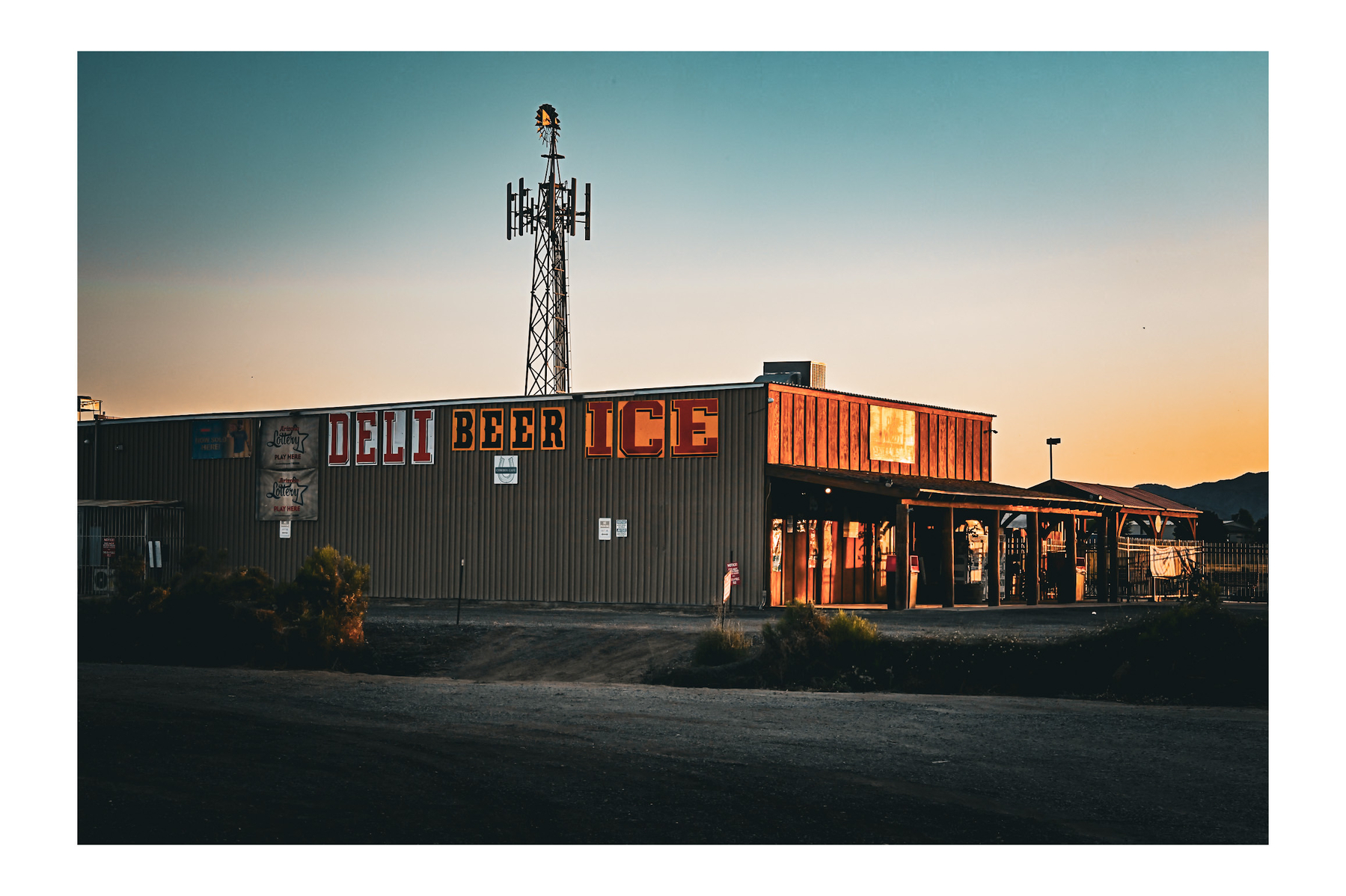
Lots of signs today. Got pretty creative with the processing, pushing boundaries, and probably embarrassing my future self…
Live large, make pictures, and use lots of vignetting! LOL
15 more signs down in Stray Pixels
I hope you had a good day; hug someone and tell them you love them.
Good night’s sleep last night and a slower day today gave me time to catch up.
Great coffee and a six-mile hike today; caught up on some shopping and chores.
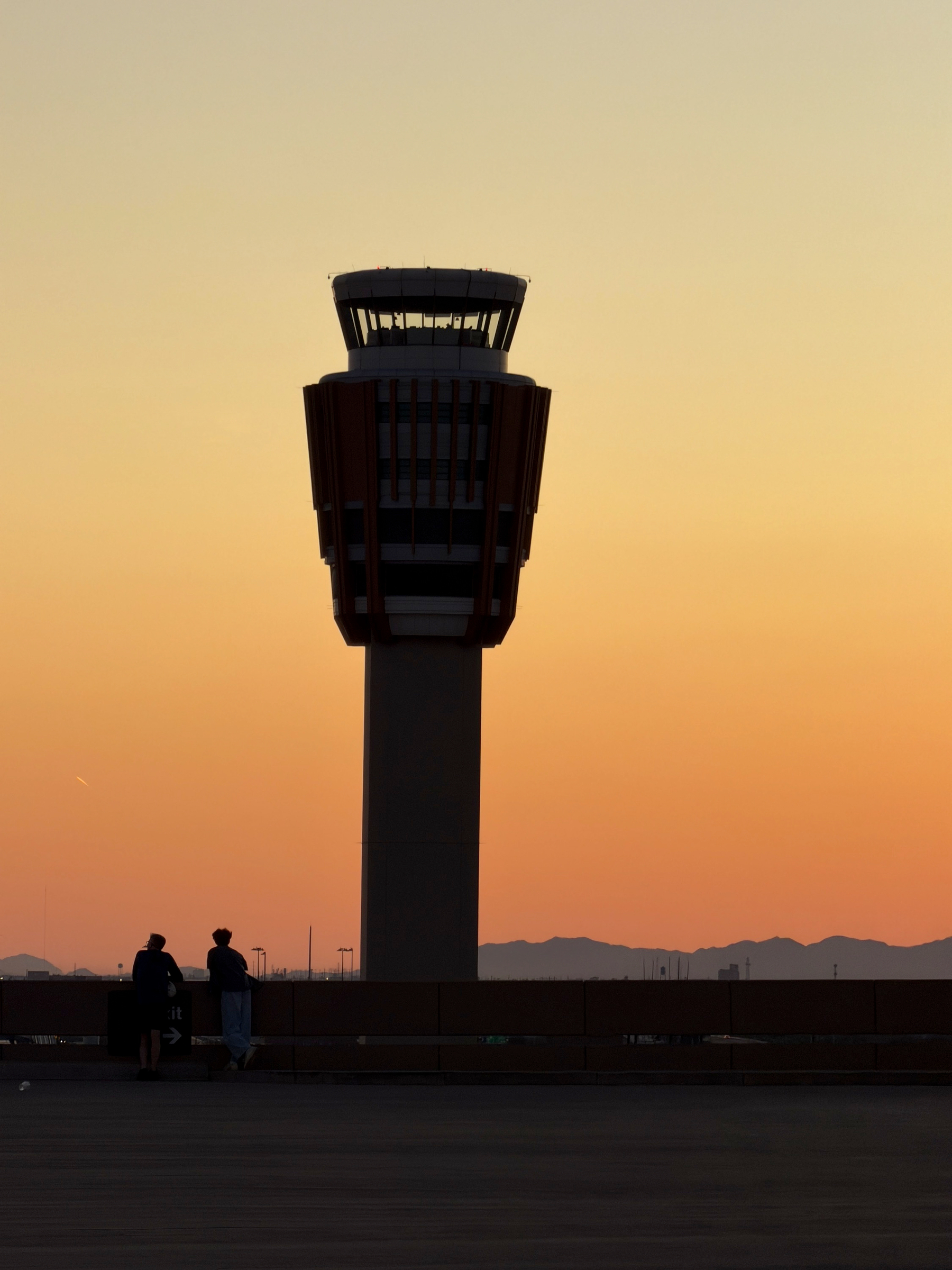
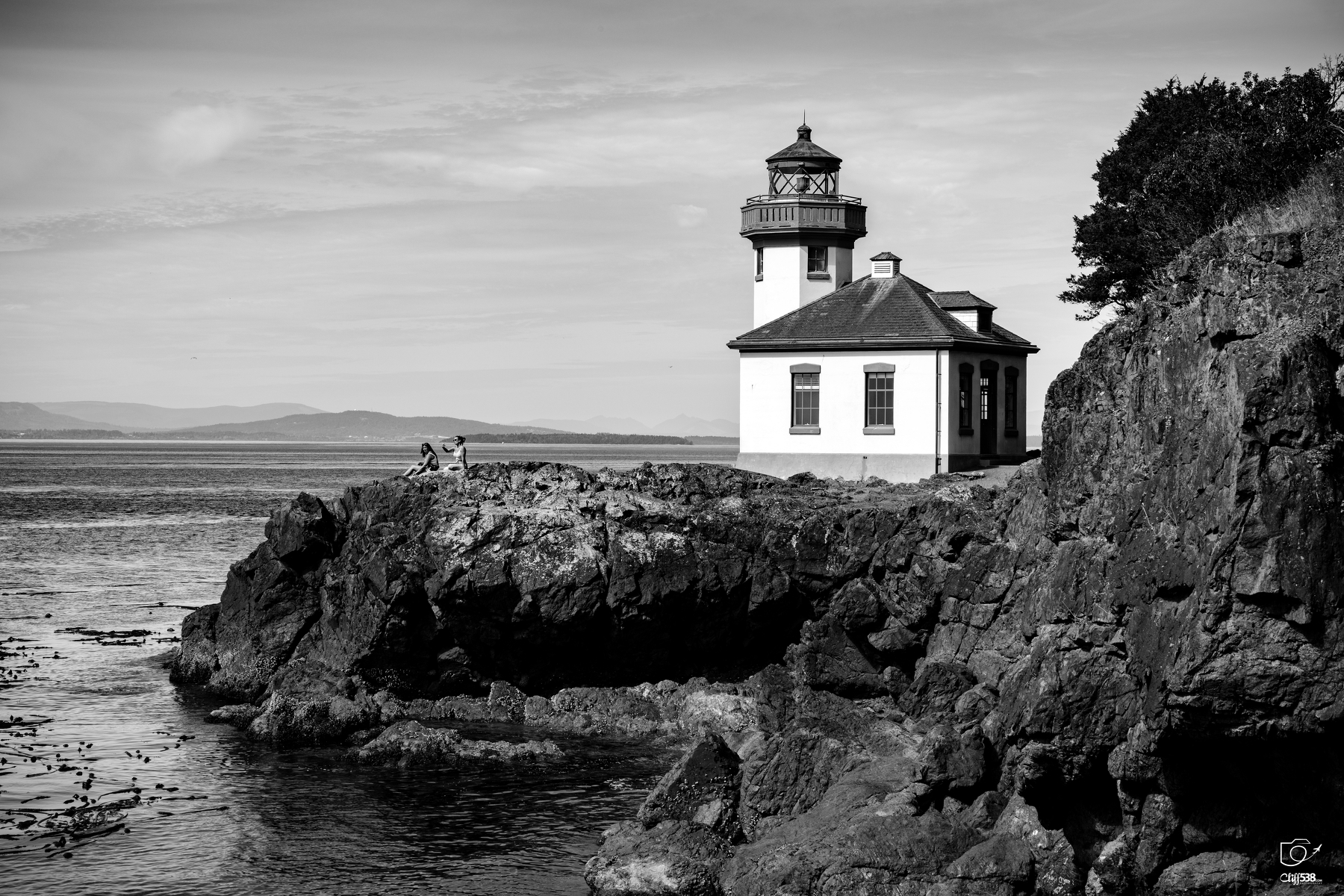
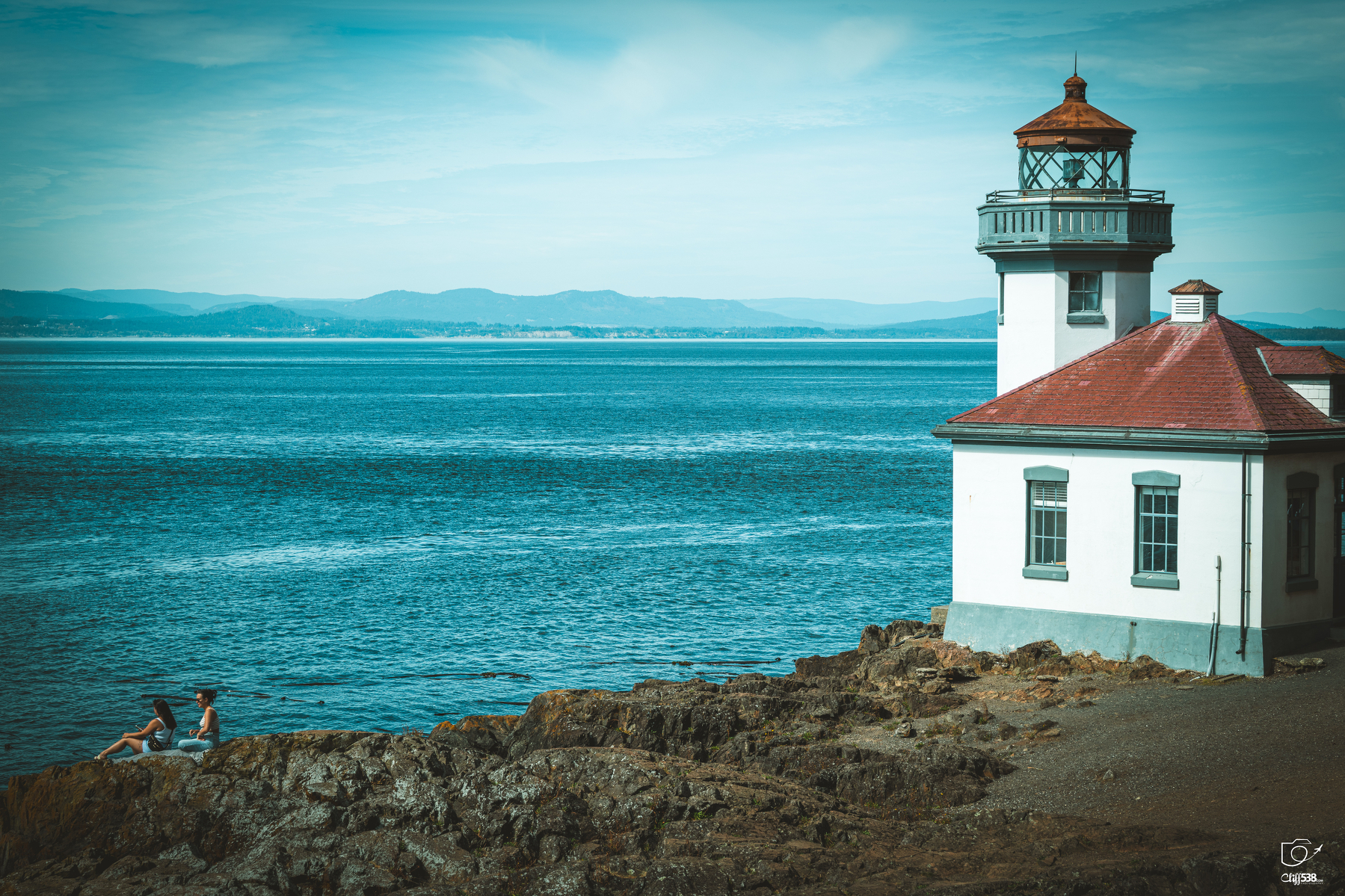
Down in Stray Pixels are the rest of the photos from yesterday. A couple of versions of “Keeping Watch”; the two people sitting out in front were just perfect. I really like the shot.
No chance of the Kodak Snapic review today; I’m just too tired. Today was a good 1000-yard swim at the gym, then I dove in with both feet and developed two rolls of color film (C-41): a roll of Kodak Portra 400 and a roll of Ilford Vintage Tone 400 Plus. It went very well. I learned a bunch and will be much more efficient next time. Scanned both rolls and just used generic settings so you can get a good feel for the “look” of each film type. I had to take the time to learn how to batch-process my film scans with Negative Lab Pro because processing each one individually is not realistic. If I’m going to keep this film experiment going, I’m going to have to be more efficient. Yesterday, I did the B&W conversions one by one, and it took forever.
It was a ton of fun, but man, I’m exhausted. The learning curve is steep!
Hopefully those pictures and a write-up about it tomorrow. I’m also delaying the Snapic review so I can show you both color and B&W shots from it. Sneak Peek: The Snapic is staying in my flight bag for sure; I’m just not sure which film to keep in it yet.
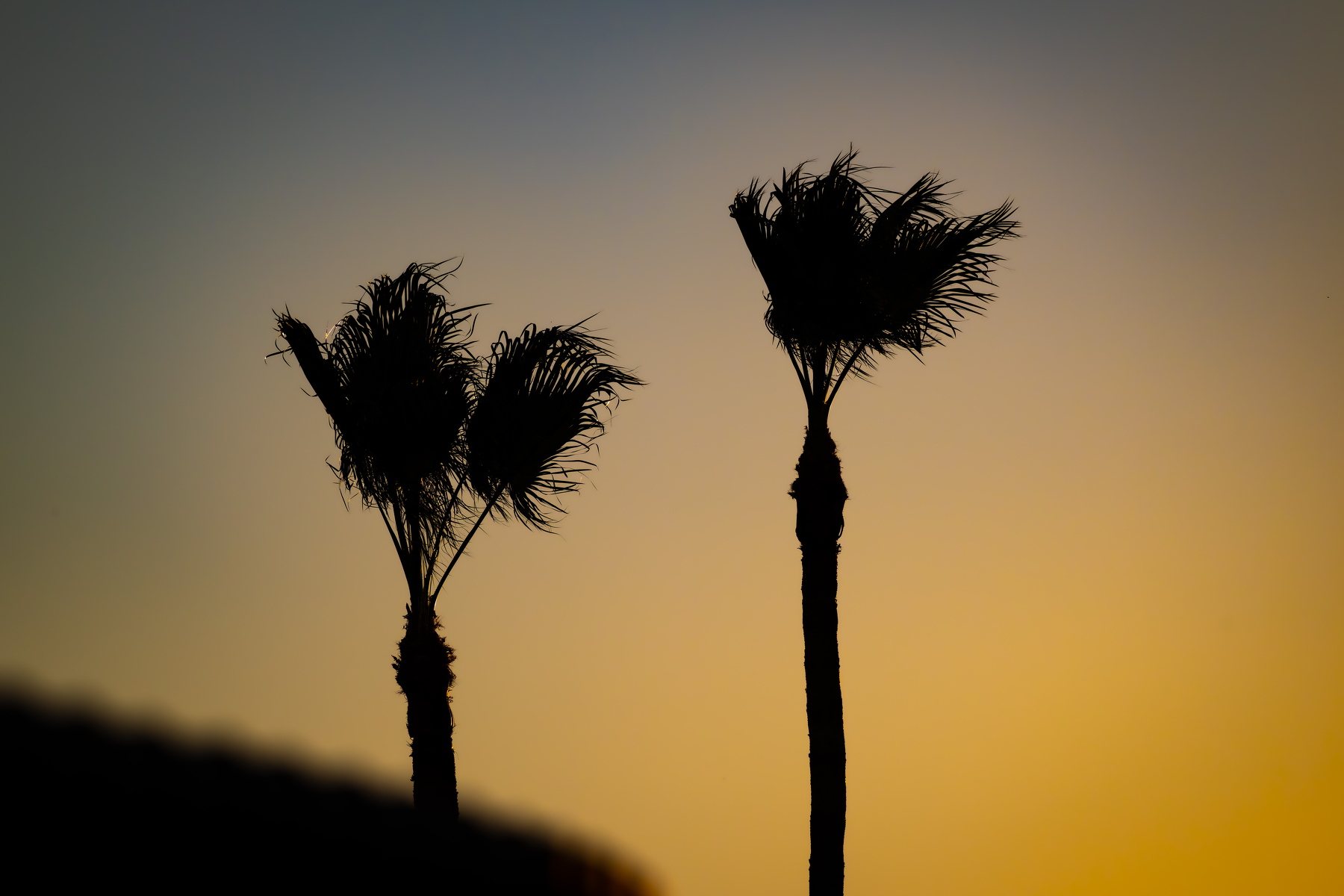
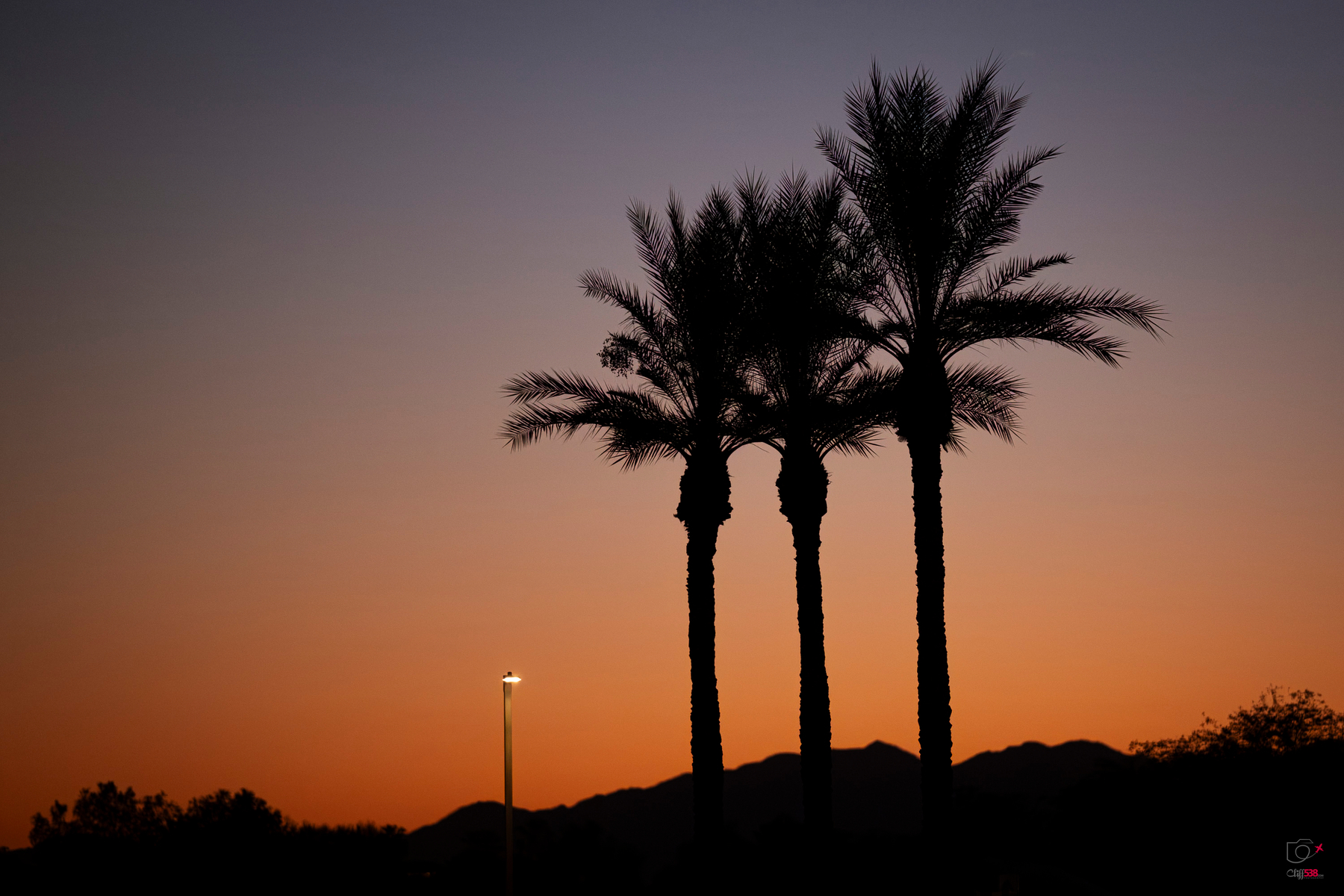
I’ve shot these three palms many times before. They never disappoint.
Got a long overdue haircut today. I’ll never get over how good you can feel after a haircut. You take off grams of weight, but you just feel good; you feel as though things are back in place. Ready to go back to work tomorrow.
Hope it was a great day wherever you are, and I wish that after a haircut, “everything is right again” feeling on you!
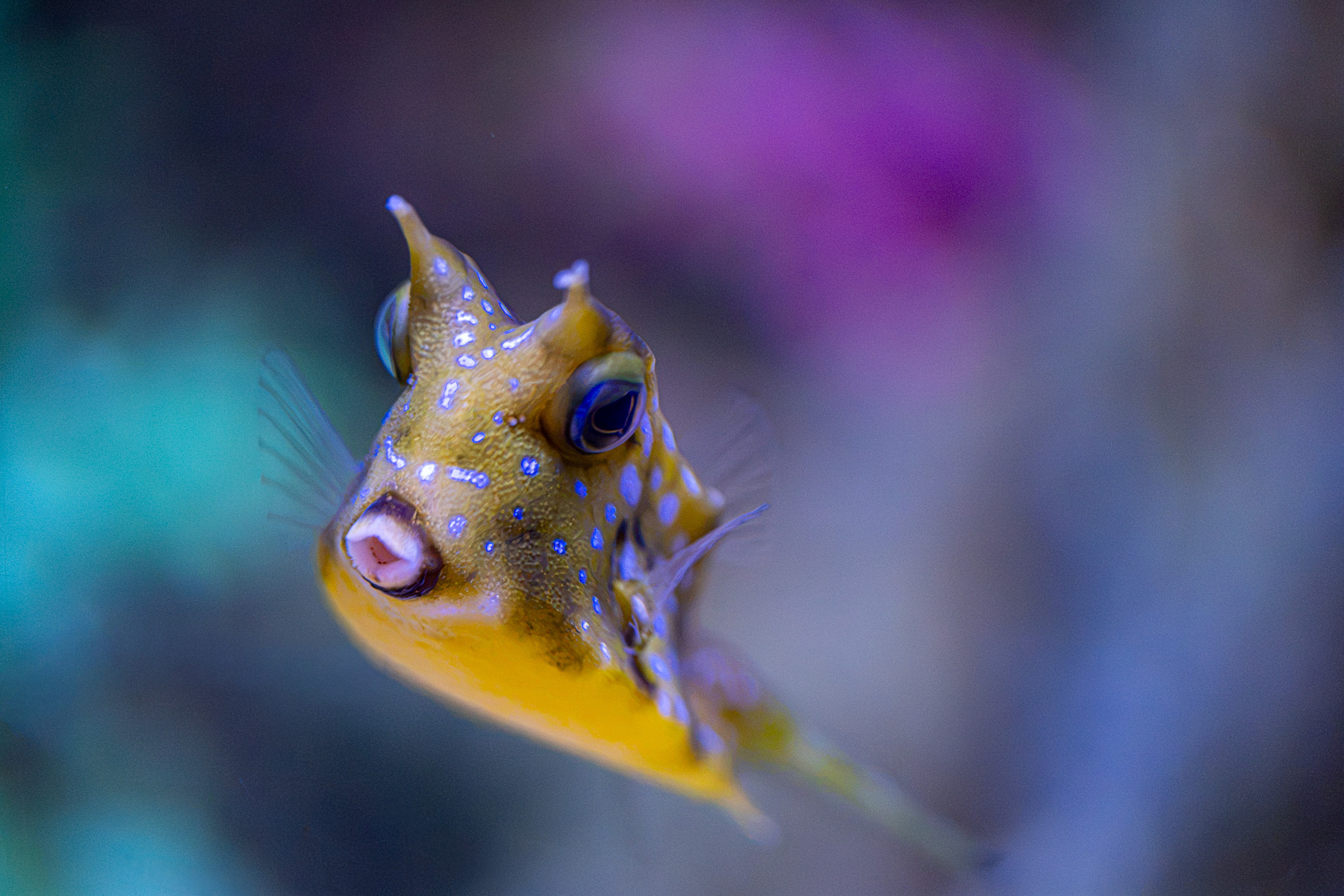
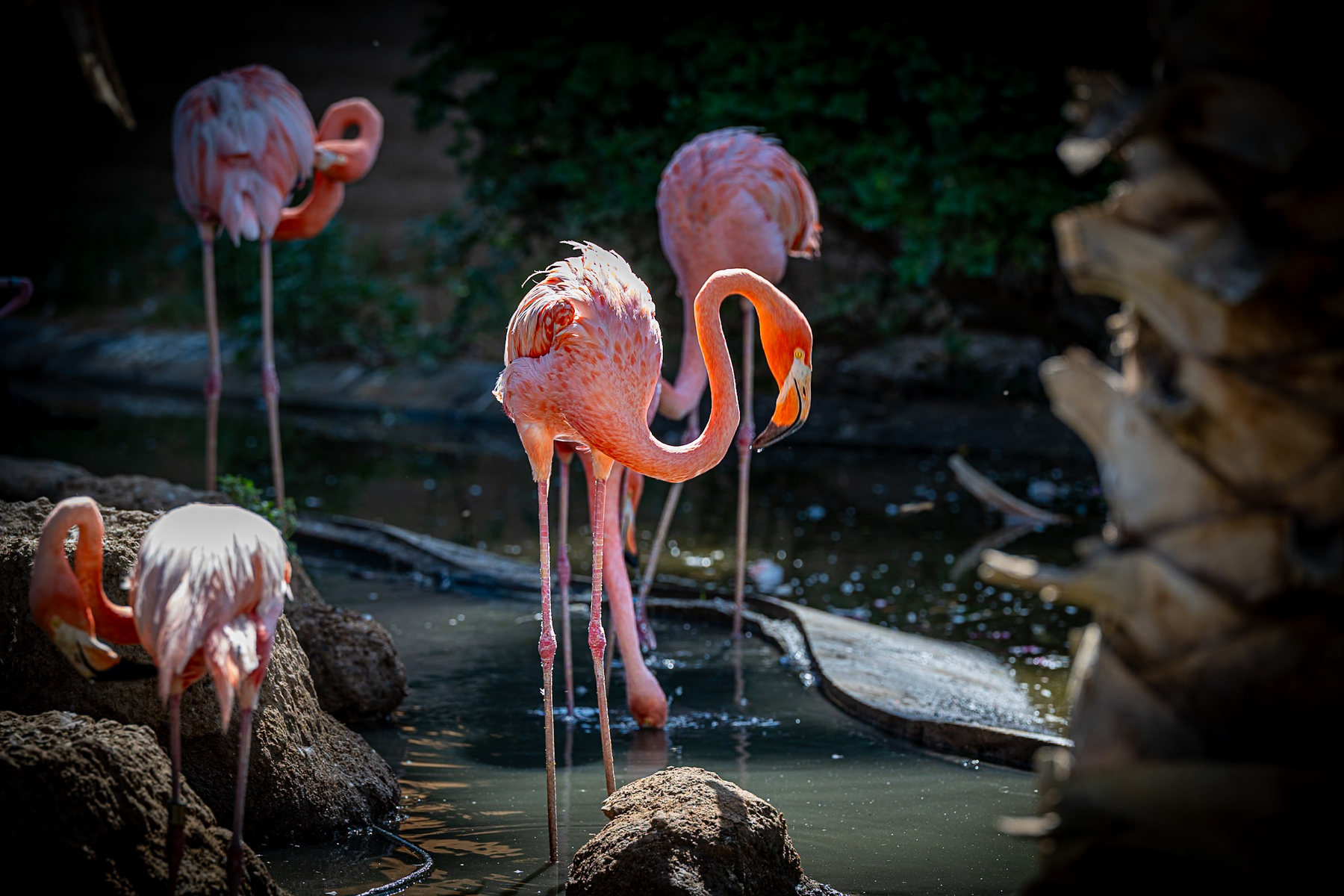
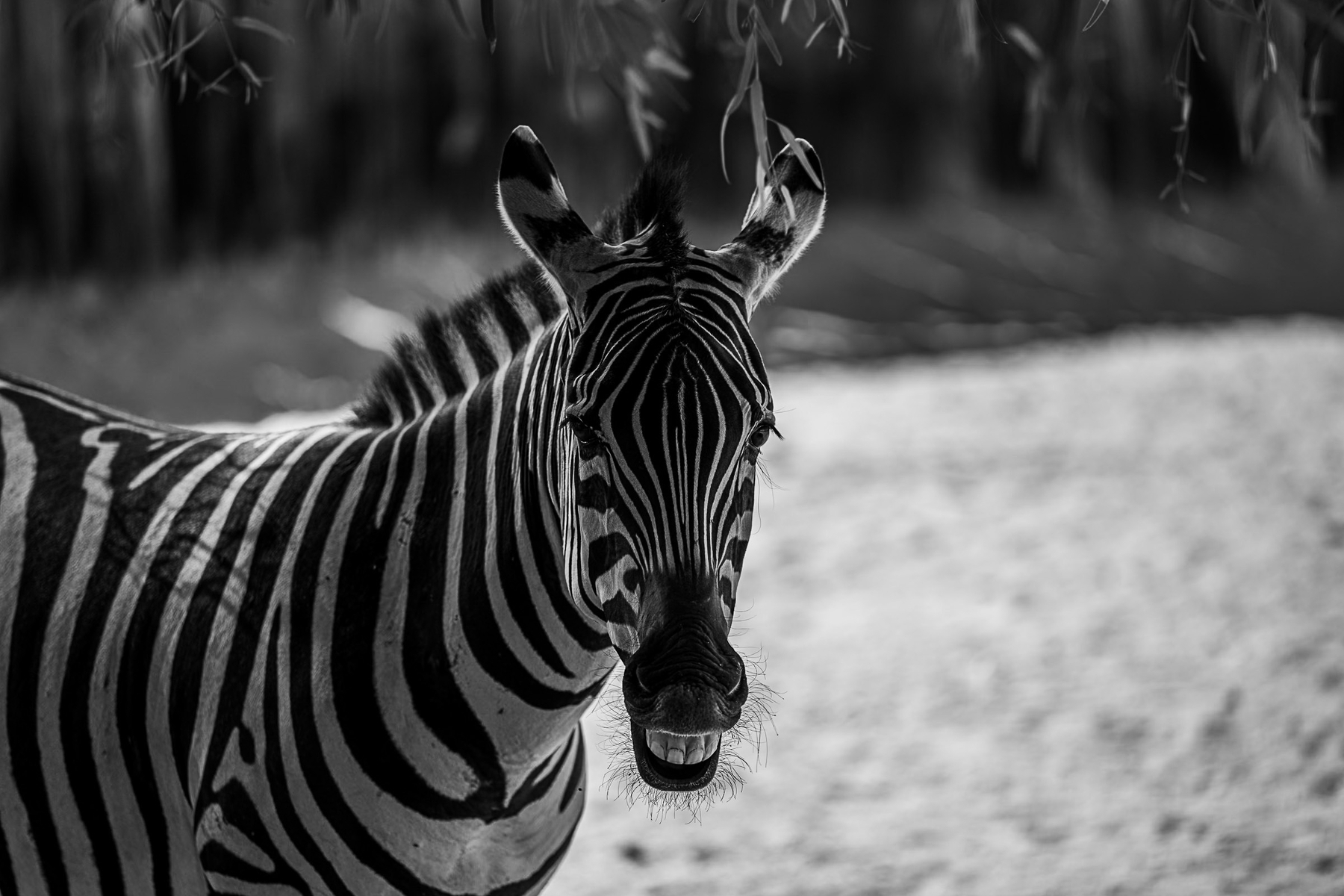
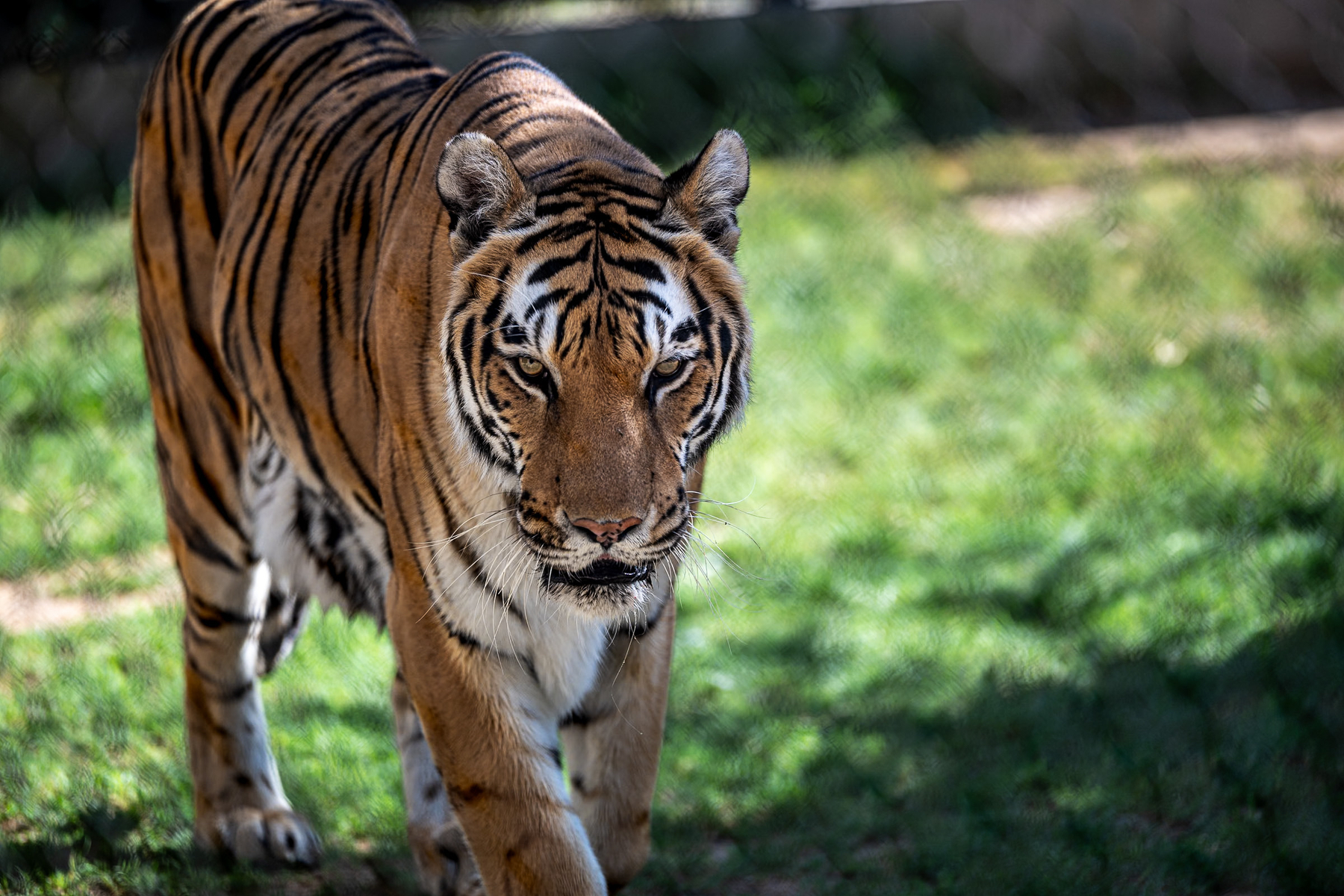
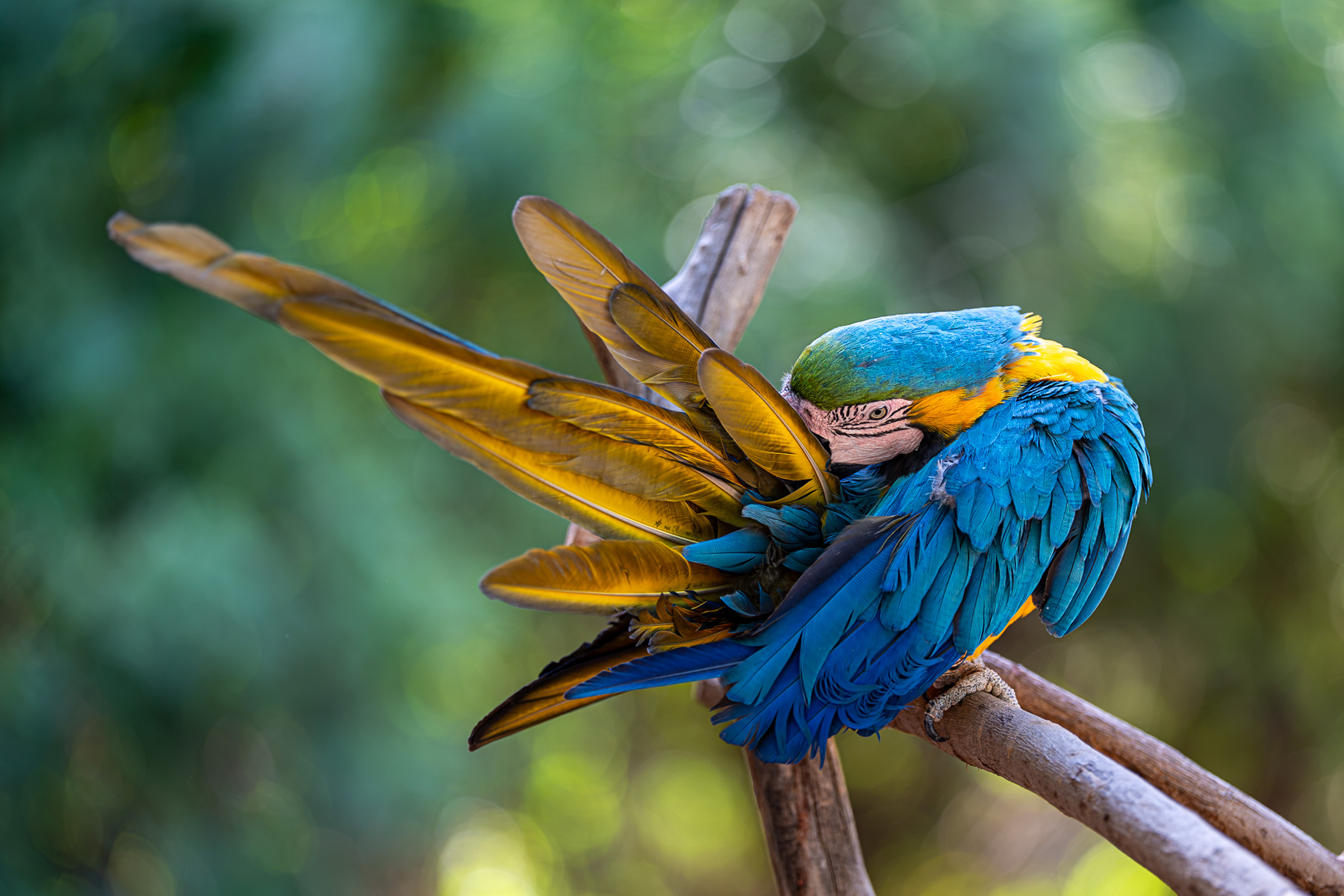
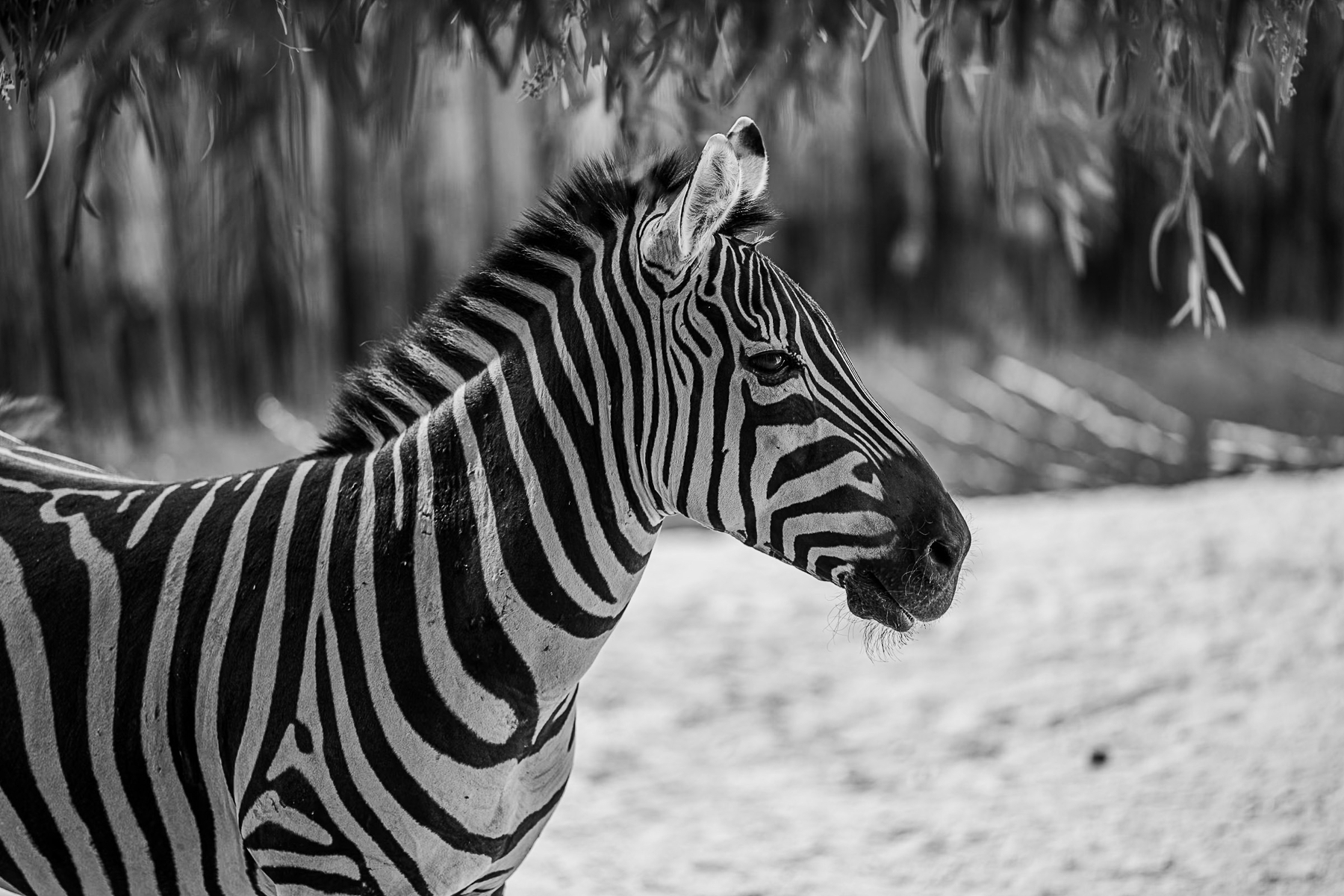
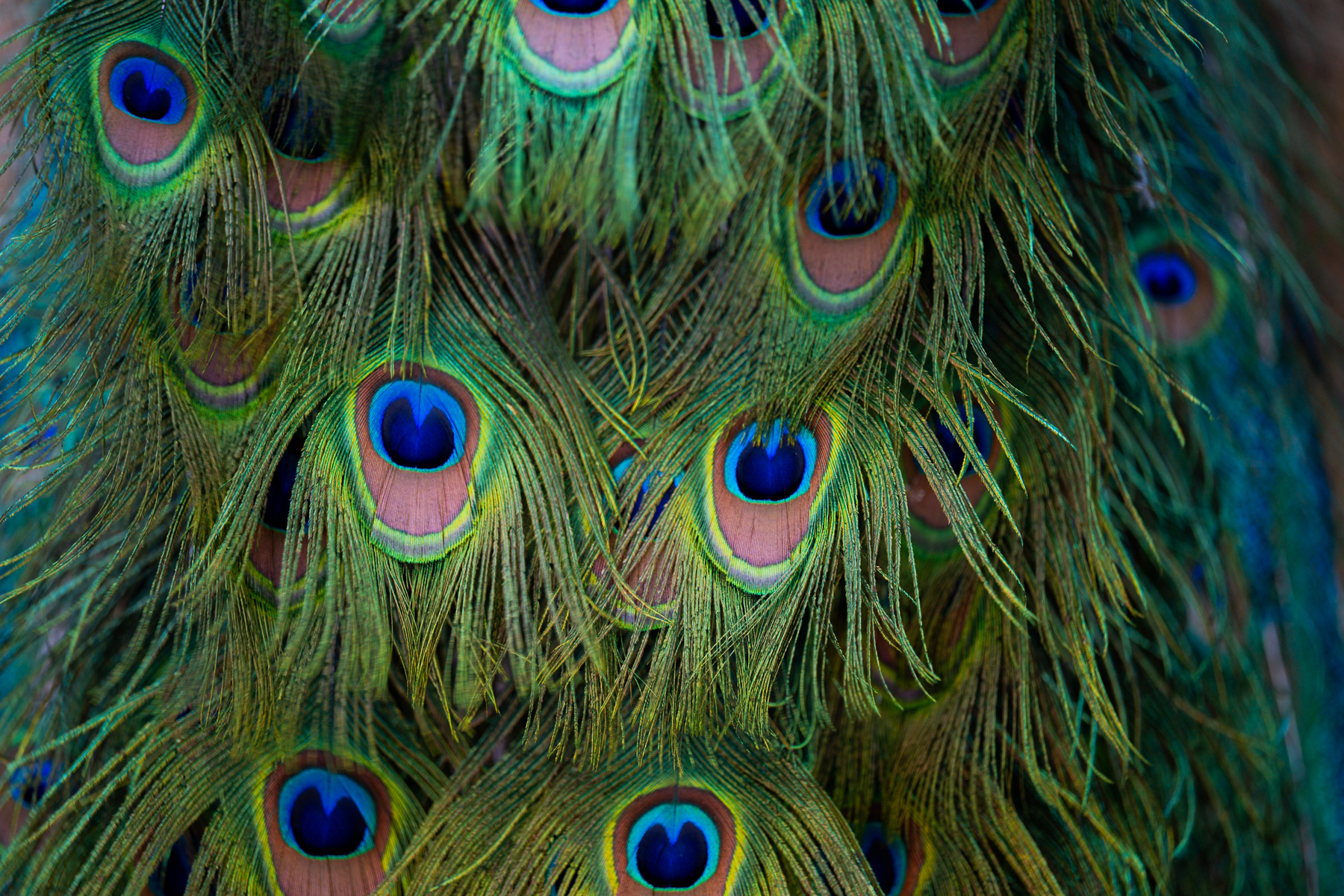
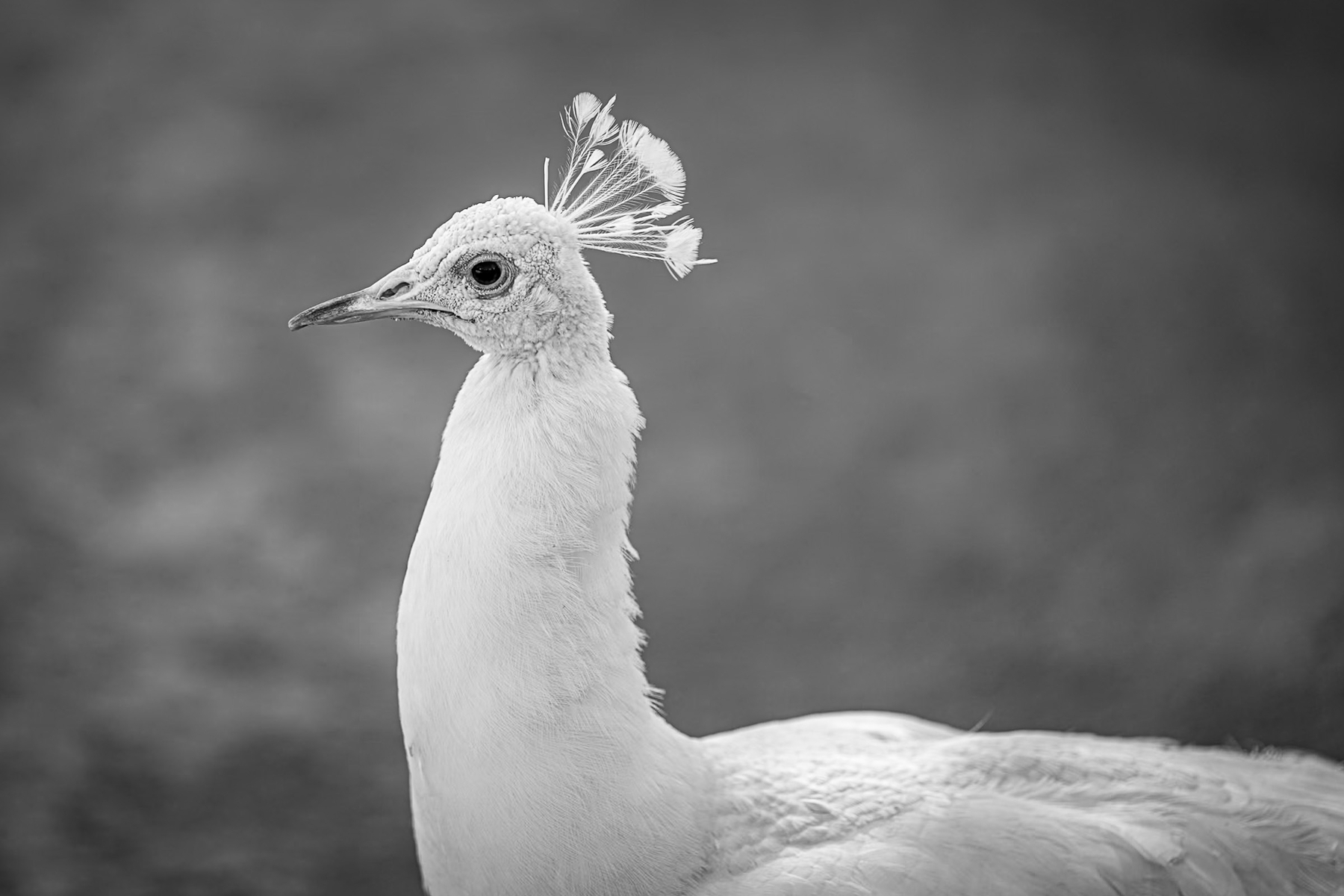
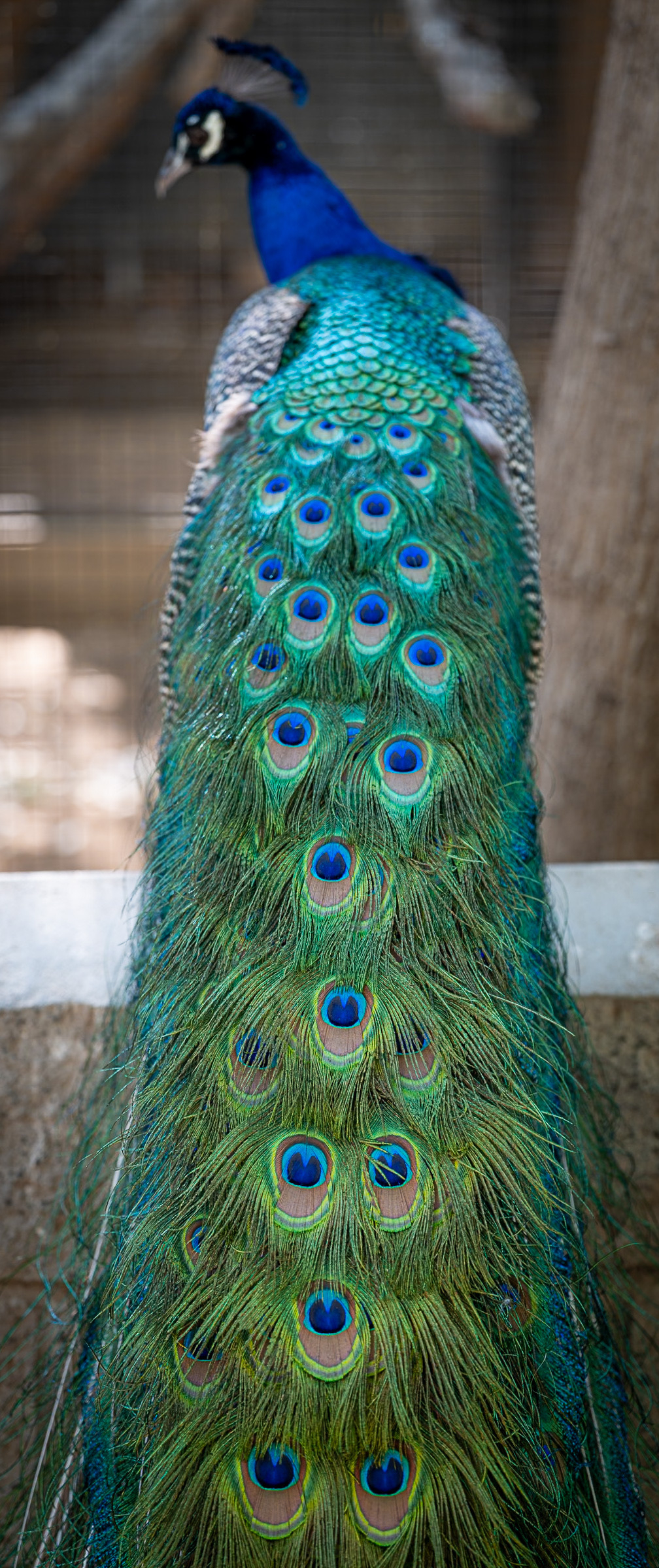
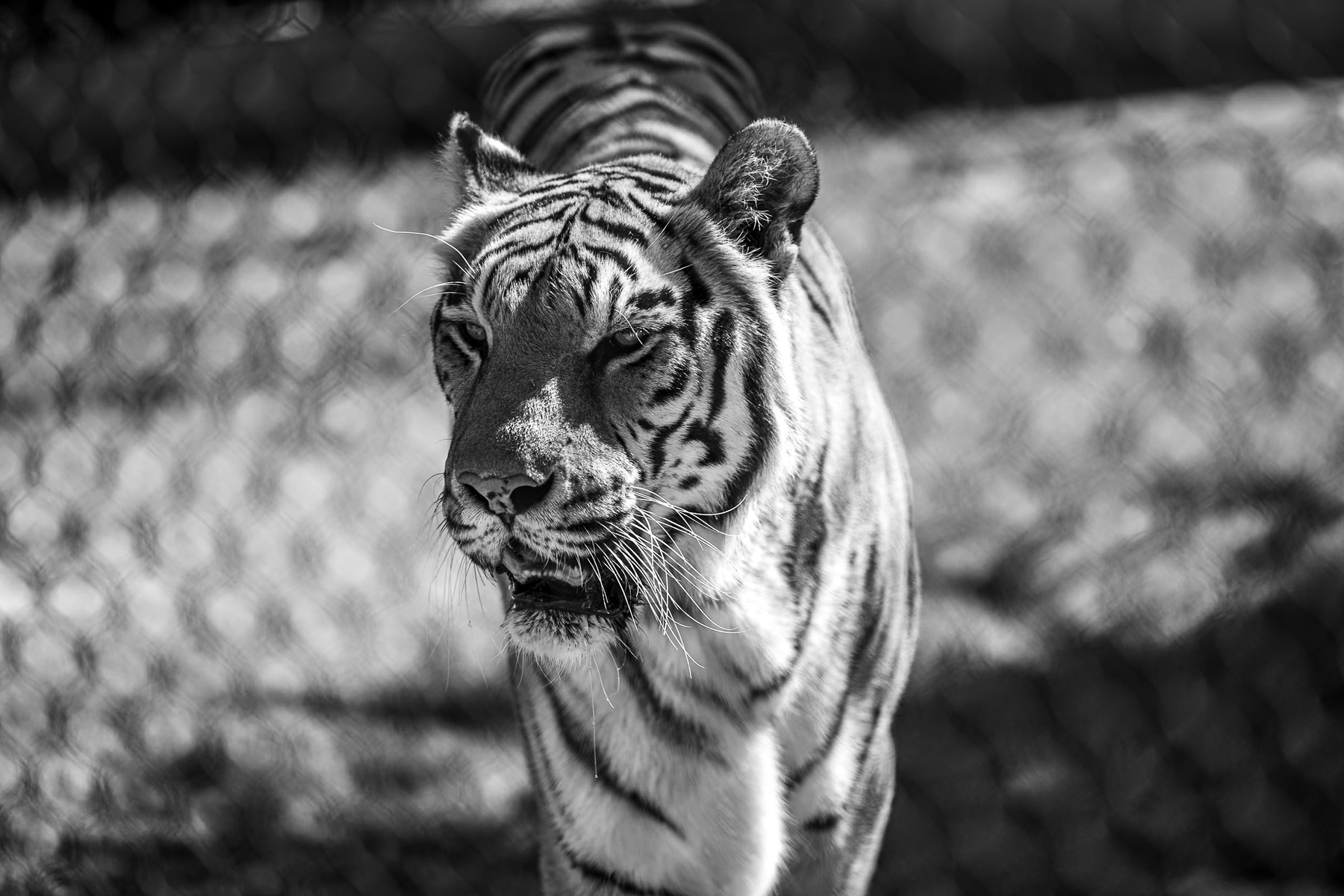
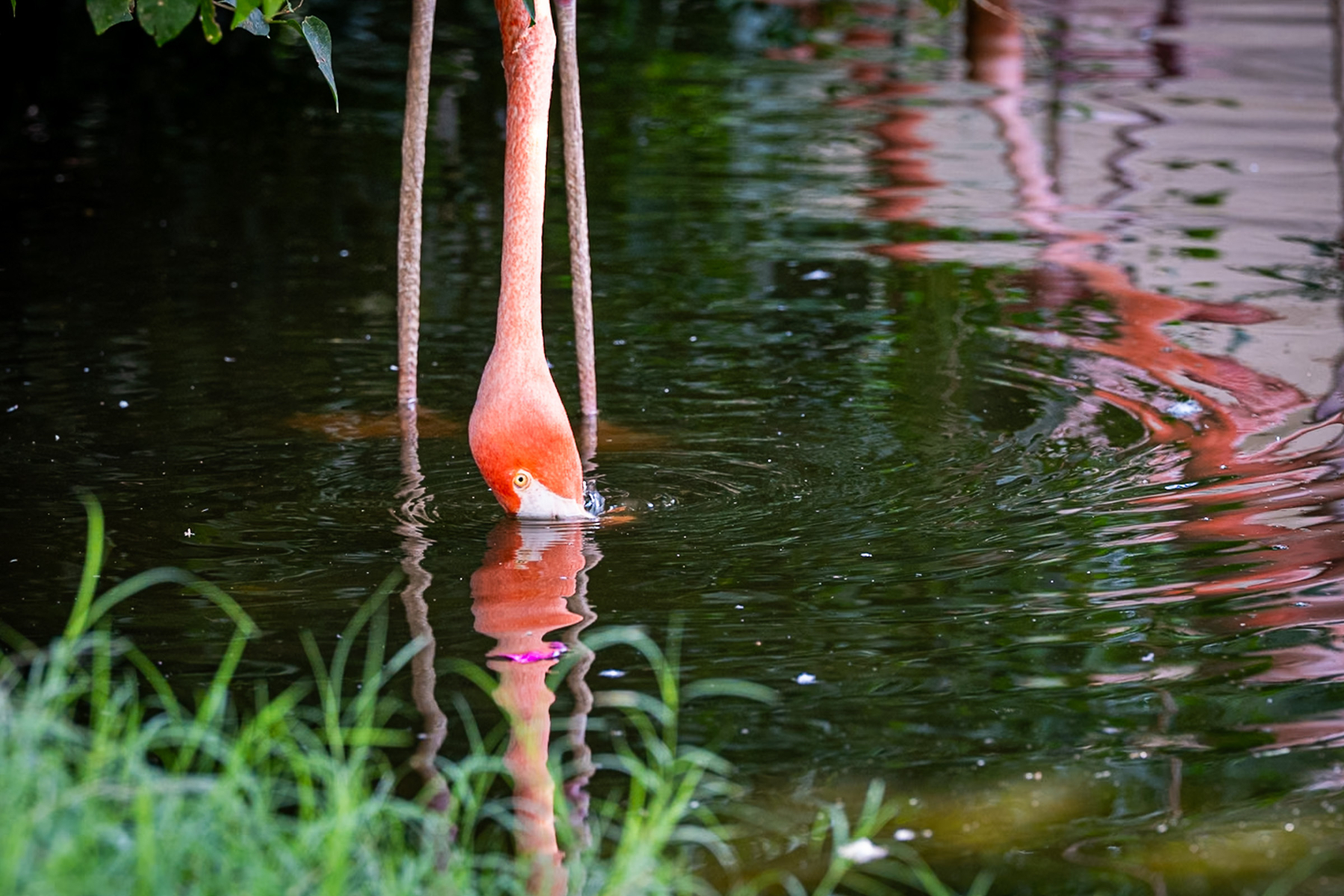
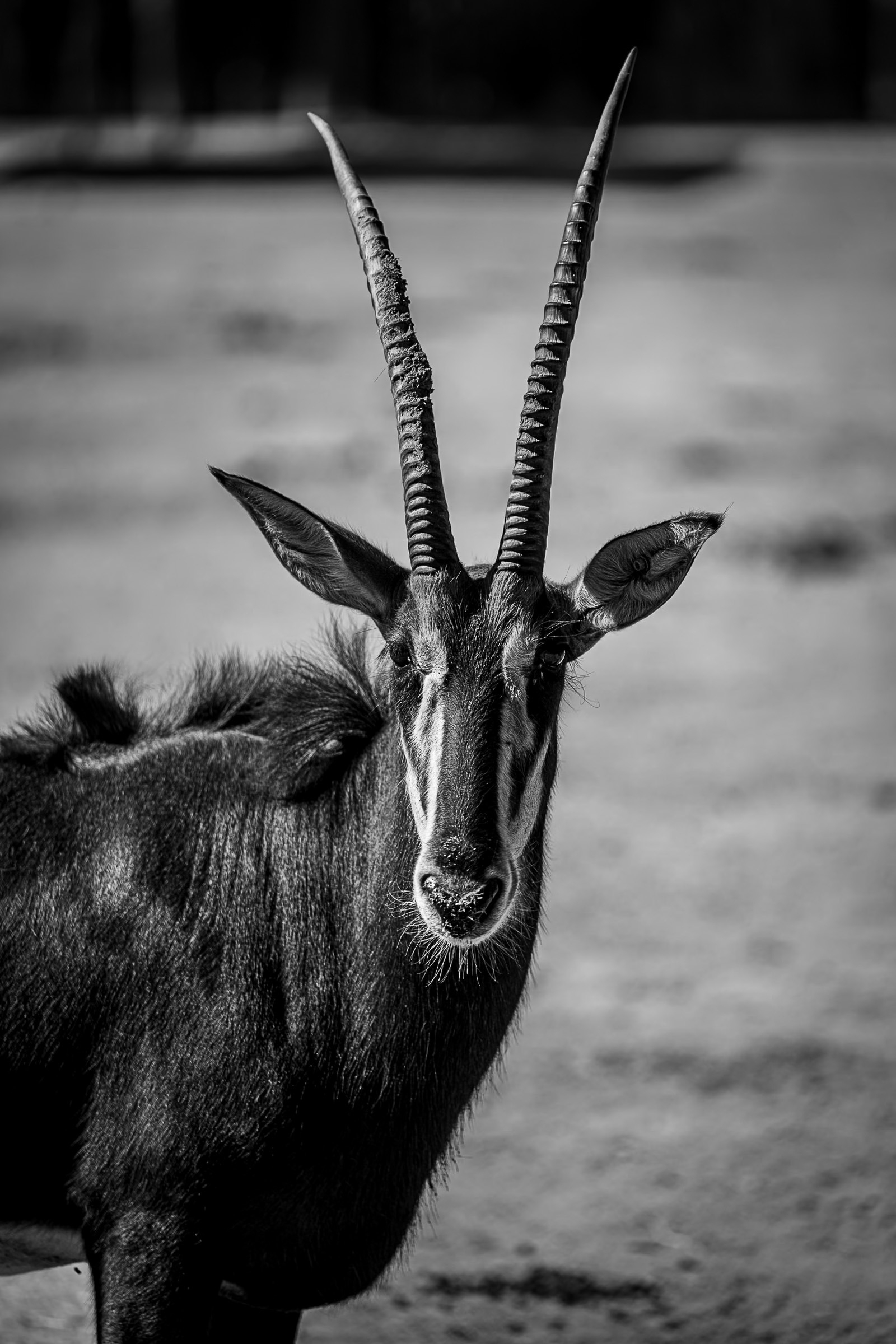
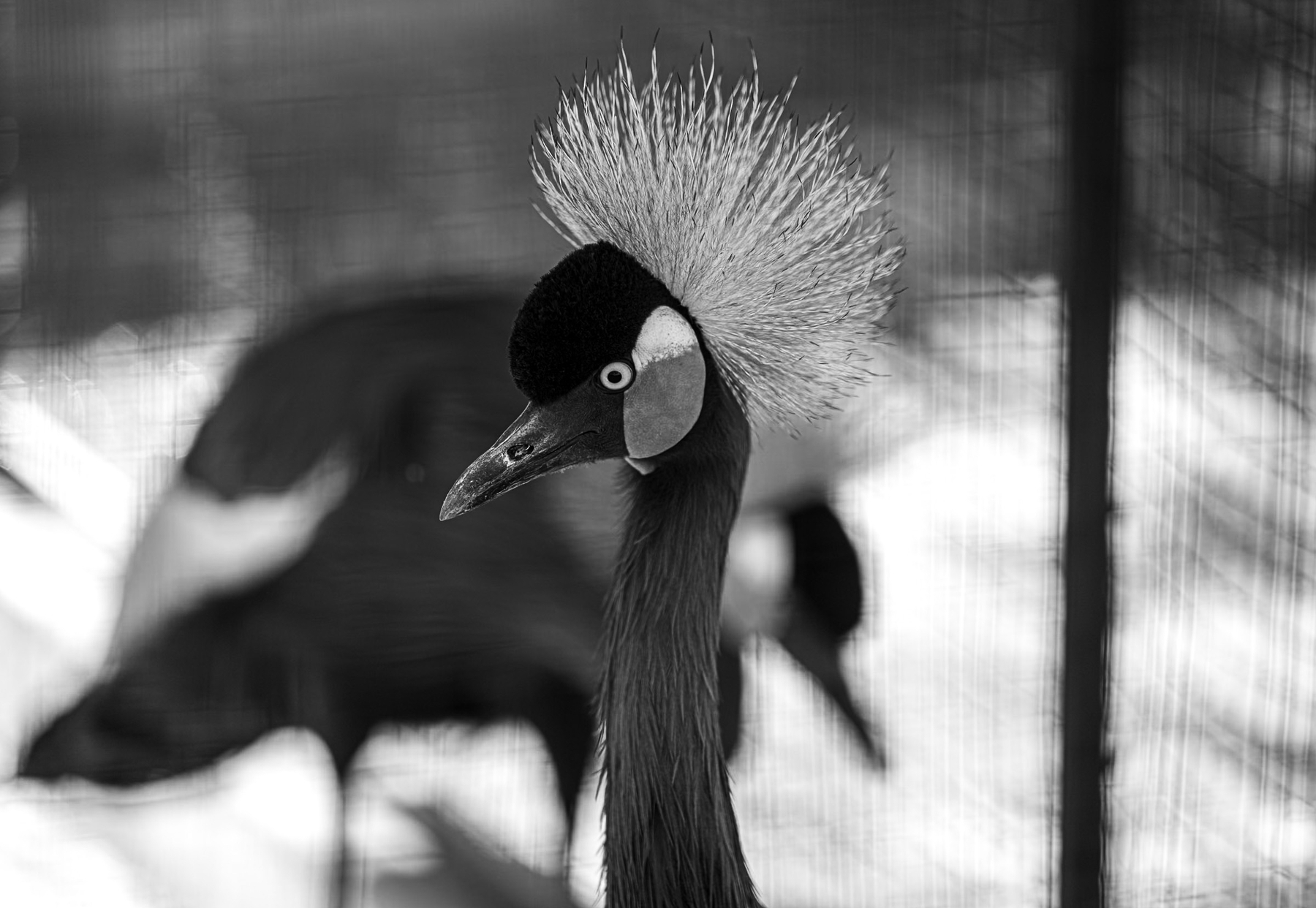
I didn’t wake up to an account being hacked, so I made my zoo trip today. I could only make it an hour and a half in this heat. My Z8 was getting way too hot; it was a clear win for the F3. It just tanked along with no issues. Something to be said for yesterday’s technology.
Got some decent shots and shot a roll in the F3 with Ilford Vintage Tone Color film. Can’t show you those yet… film builds patients. It has been very good for me to shoot more film. It’s really slowing me down, manual focus, setting your aperture and shutter speed, reading the light, all give you time to study your subject. I like it. It brings back good memories, and the older I get, the more I like good memories.
19 more pictures in Stray Pixels and, warning, a little rant about zoos. If you don’t want to read a rant, just ignore the text and look at the pictures.
Click for Stray Pixels
I have to say it. I can’t not say it: I loathe zoos.
If I were in charge, zoos would have very high minimums for space and quality of life—so high that there wouldn’t be many zoos left. You can look into the eyes of these creatures and see the sadness. Yes, I know I’m anthropomorphizing, but I’m pretty sure I’m right.
As an avid watcher of nature shows, I can’t be convinced these animals are happy and living full lives. They are not. These incredibly intelligent birds are kept in small cages, alone, while hordes of people gawp at them all day. It’s sad.
I know, I contributed to it today. And I’m not sure what to do about that. Do you support them so they have money to properly care for the animals, or stop going, hoping they go out of business? There is no good answer. We need stronger standards. I haven’t been to this zoo in many, many years. There will be many more before I return. My heart can’t take it.
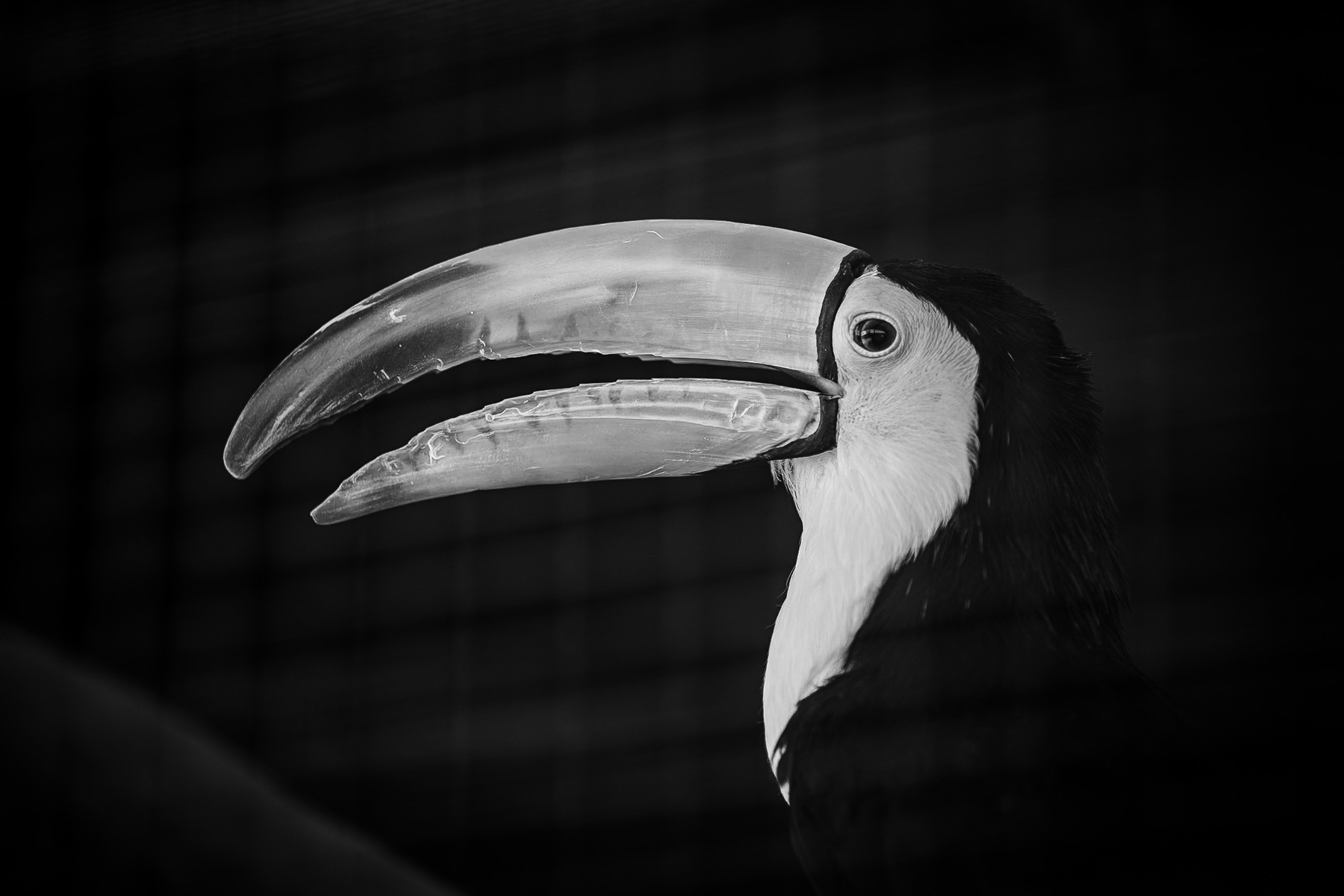
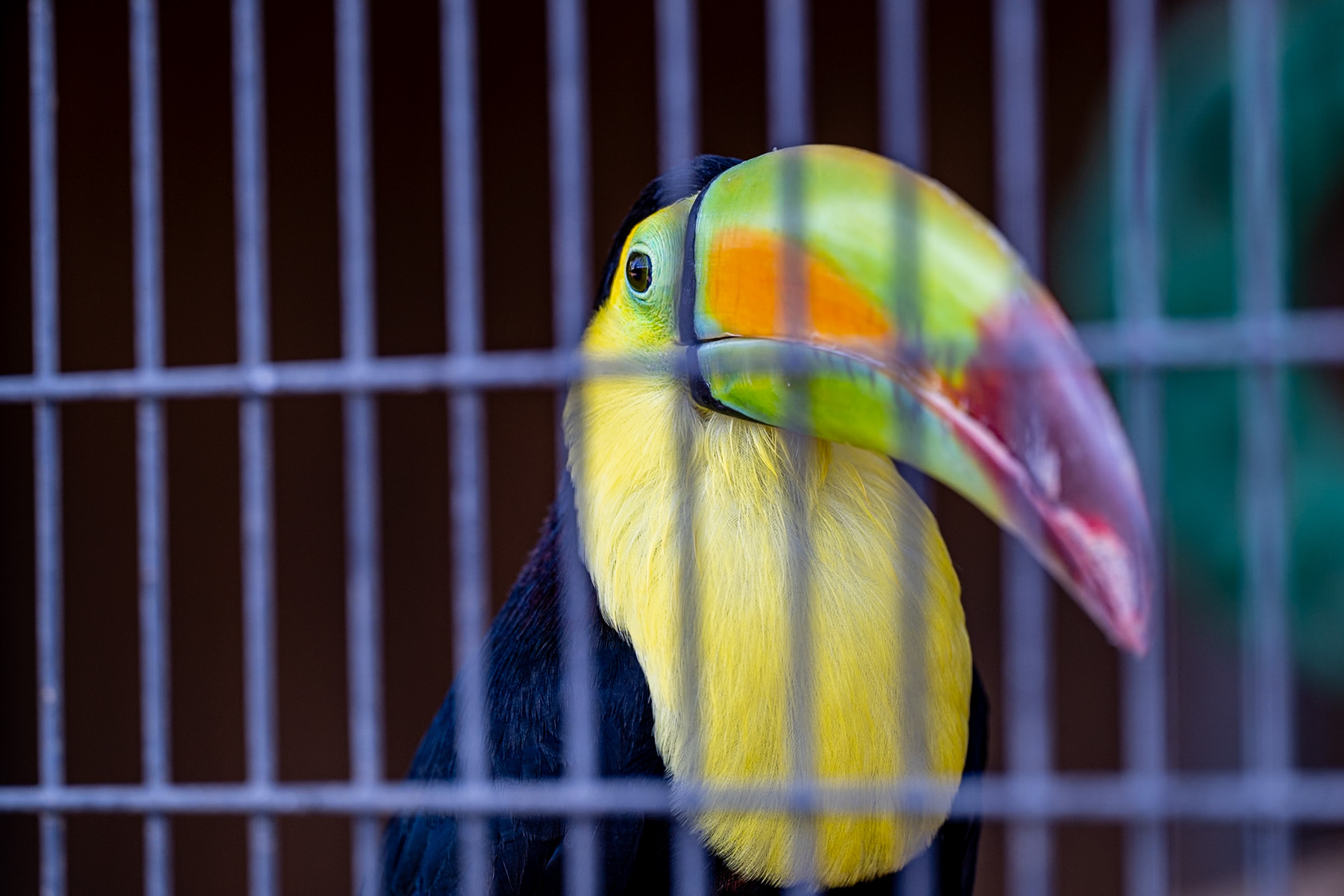
I met a toucan‑sort‑of bird today that kept bringing me things and dropping them toward me. I would move from one side of his cage to the other, talking to him, and he kept bringing me things, looking at me. You know what I’m going to say, right? Yeah, I think he was trying to pay me for breaking him out. Or just wanted some interaction, something to do. He has no partner, no mate, nothing natural at all. There, I said it.
He was alone, with no space to fly or forage—no space for anything at all but to sit there all day in what turned out to be 115°F / 46°C.
The last bird I photographed broke my heart. It just stared at you with soulless eyes. It looked defeated.
Yeah, I know, some zoos do good work and science, help rehabilitate animals, and breed endangered species, and that’s all wonderful. But these small enclosures and cages are unacceptable. And don’t even get me started on factory farms. If you can watch a video about how pigs, chickens, and cows are treated, then contribute to that… it all just makes me sad.
Ran out of time today due to errands and honey-dos. Made it out to the backyard before sunset and tried to get some good motion-blur shots of some palm trees, but I wasn’t happy with the results. I got what I got.
Off to work on a four-day trip tomorrow. It’s always hard to leave home…
Figuring out Darktable is in the queue. Reading this site gives me some hope. All I ever hear about Darktable is that it’s deep and complex, with a learning curve like a hockey stick. All that means is you need good instruction. The Darktable.info project looks like it breaks it down into bite-sized chunks. Hopefully, when I get back into town, I can spend some time with it.
You know what I’m missing these days? Photography road trips. I used to take five-to eight-day road trips and do nothing but shoot pictures and weave a story out of them. I used to post those stories on Exposure, but I got tired of their pricing and the lack of an easy way to download my stories intact. So I canceled everything. My goal was to remake those stories on my website, but I just haven’t gotten around to it yet. It’s just so time-consuming. I’m itching for a long road trip just to explore and shoot pictures.
Well, if you couldn’t tell, I’m trying to write more under my pictures. Keeping it mostly in a photography vein. I really like it when I read other photo blogs that have a story/thoughts along with the photos.
Film Journey: I’ve been thinking a lot about photography class back in high school and our darkroom work. Made me research today what folks are doing for film developing at home these days. That was a rabbit hole! Found some good stuff, and boy, it hasn’t changed much. There are some nice kits out there, and for B&W film in particular, it’s pretty straightforward stuff. I’m blowing off the kits and may just get a super simple piecemeal setup and try a roll or two at home, what the heck. You can get everything you need for about $120 if you shop around. If you get good results, it wouldn’t take long to recoup your investment with the cost of developing. If you’re going to jump back into film, why not jump in with both feet? More on this foray later.
It’s raining here. It’s 104°F/40°C and raining. Real nice.
Yesterday it was 113°F / 45°C, and it was miserable. From the news, it sounds like we’re not alone. The heat has settled in everywhere, and summer has arrived like a blowtorch.
This is a shot from yesterday that I just got around to editing in Lightroom.
Thanks for stopping by.
Click for Stray Pixels and a Film Journey Update
Film Journey:
Another update to home digital camera film scanning. I read the user manual for Negative Lab Pro and its scanning recommendations, and I tried a second batch of scans. I think they turned out much better. I’ll show a couple of shots from yesterday’s post, plus a few more, that show the difference between the lab scans and my scans. It surprised me and made me realize that the lab isn’t always the best.
I will say that color scans are the hardest. B&W is pretty darn easy; there is no white balance to deal with, and you’re basically just adjusting brightness, contrast, black clip, and white clip, unless you use toning.
I’m most surprised at the sunset pictures. The lab scans came out really dark, and I thought I had just screwed up my metering, which metering for that shot is tough with the bright sky and dark street, but I wasn’t even going to process those shots, and I’m glad I did. When I scanned them and used Negative Lab Pro with just standard settings, they were not that dark at all. It just shows me that whoever scans your pictures, they, or the software, is making a judgment call on your negative. I think I’d rather be making those decisions.
I’m rather enjoying the process and creative outlet. Looking forward to getting some good pictures to work with now.
Of note, I’ve been using Negative Lab Pro for negative conversions, but I just found another way from CineStill Film. They have LR, PS, and ACR presets that do the conversion. I downloaded them, but haven’t had a chance to play with them yet. You can watch a YouTube video on how to use them here.
The first seven shots are professional lab scans from my local lab. The next seven are my scans. Ignore the quality of the shots, I just wanted to shoot a couple of rolls of film to test the Rolleiflex and my metering. You can compare them yourself. I’m working on getting that cool image reveal slider on my blog, but it’s a bit more complex than I thought. It would be nice to have the slider and see the lab scan vs my scan in the same shot. Hopefully soon.
My second try with new knowledge and tweaks to the software and camera settings.
My Digital Camera Scans - Negative Lab Pro Software - Portra 400My Digital Camera Scans - Negative Lab Pro Software - Portra 400My Digital Camera Scans - Negative Lab Pro Software - Portra 400My Digital Camera Scans - Negative Lab Pro Software - Portra 400My Digital Camera Scans - Negative Lab Pro Software - Ilford HP5 400My Digital Camera Scans - Negative Lab Pro Software - Ilford HP5 400My Digital Camera Scans - Negative Lab Pro Software - Ilford HP5 400
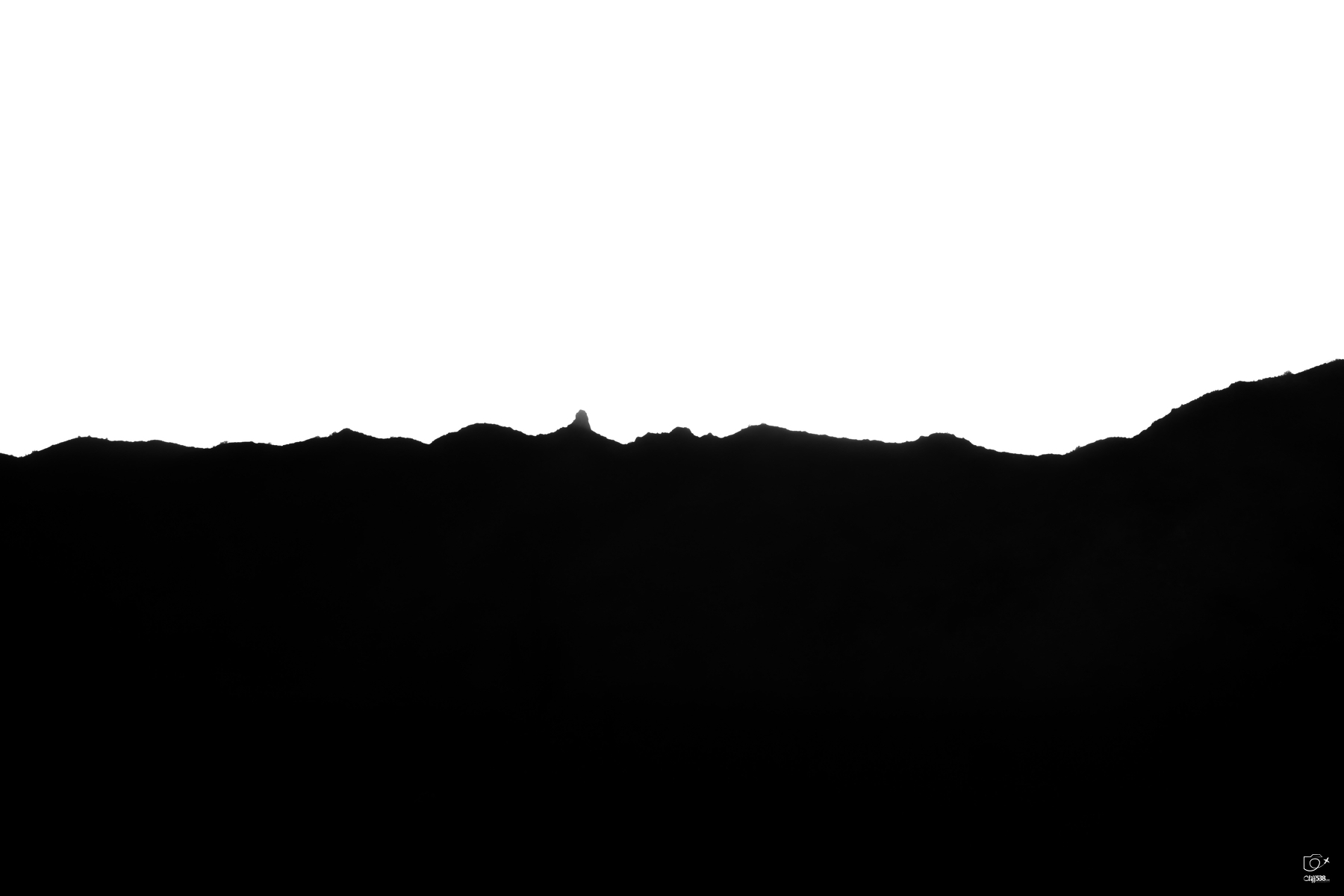
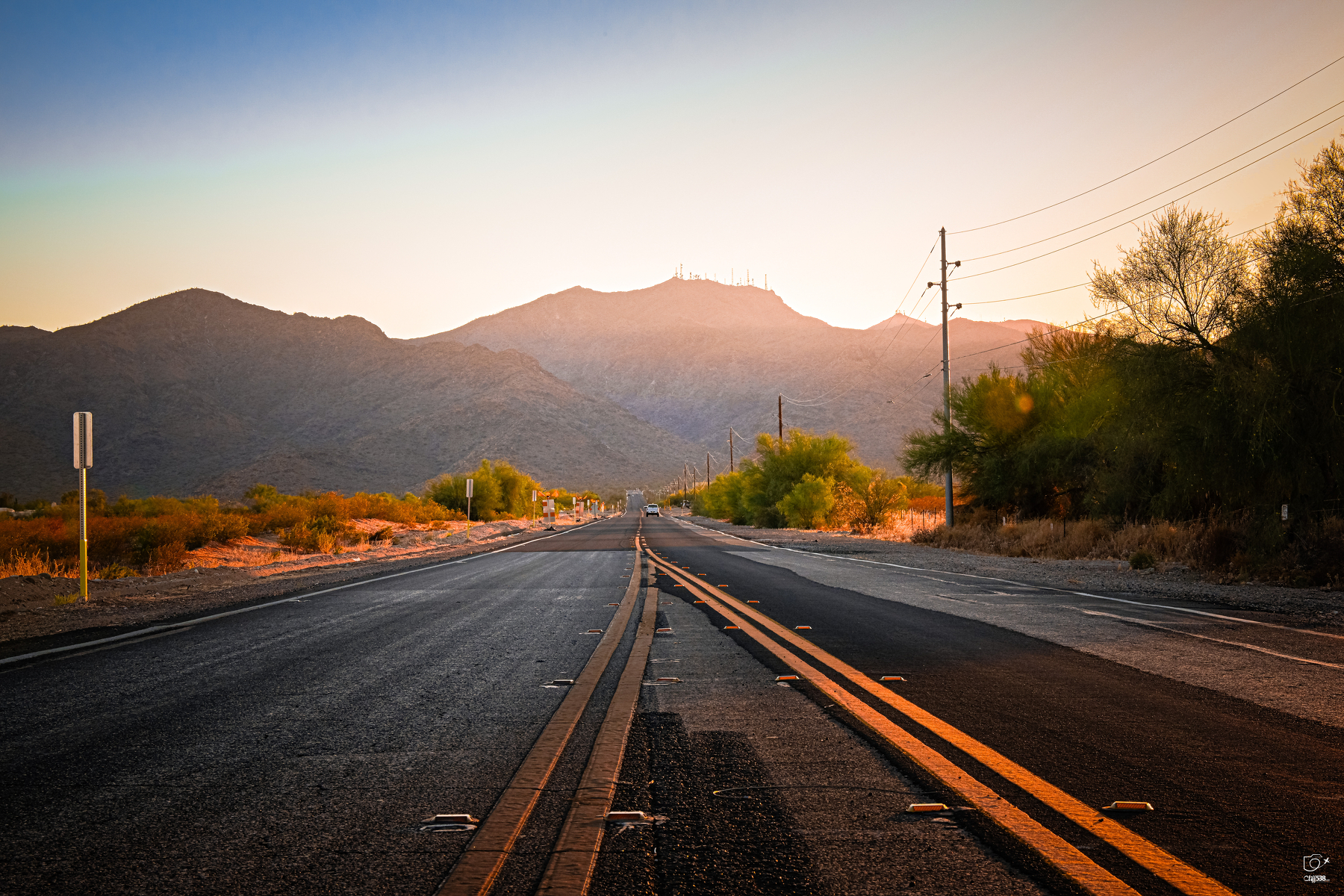
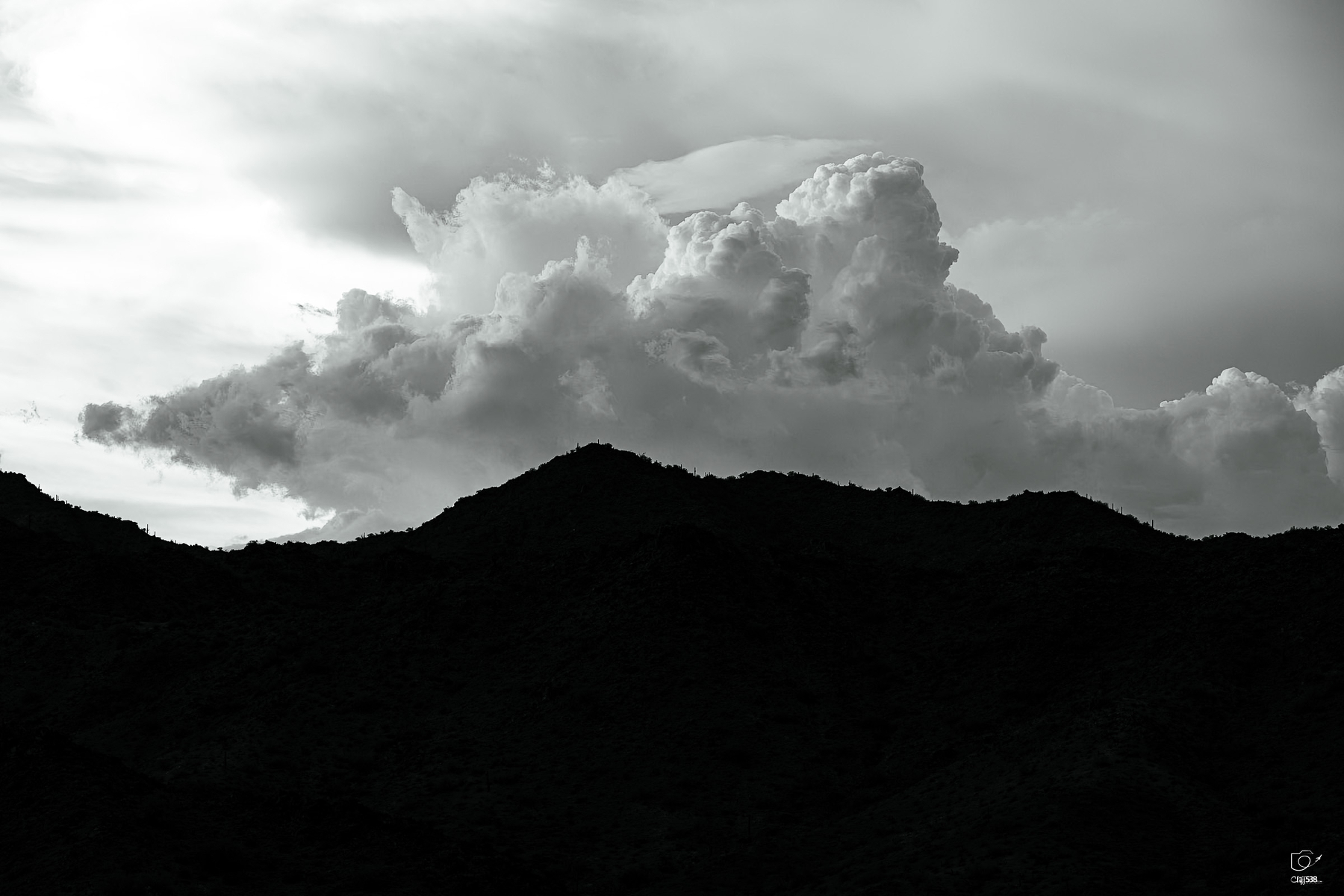
Not much time for photographs today. My mountain shot was, let’s just say, uninspiring. So, time to get creative and deepen the blacks and brighten the whites to create a mountain yin-yang opposing-forces idea.
Off to work tomorrow, let’s see what creativity that brings.
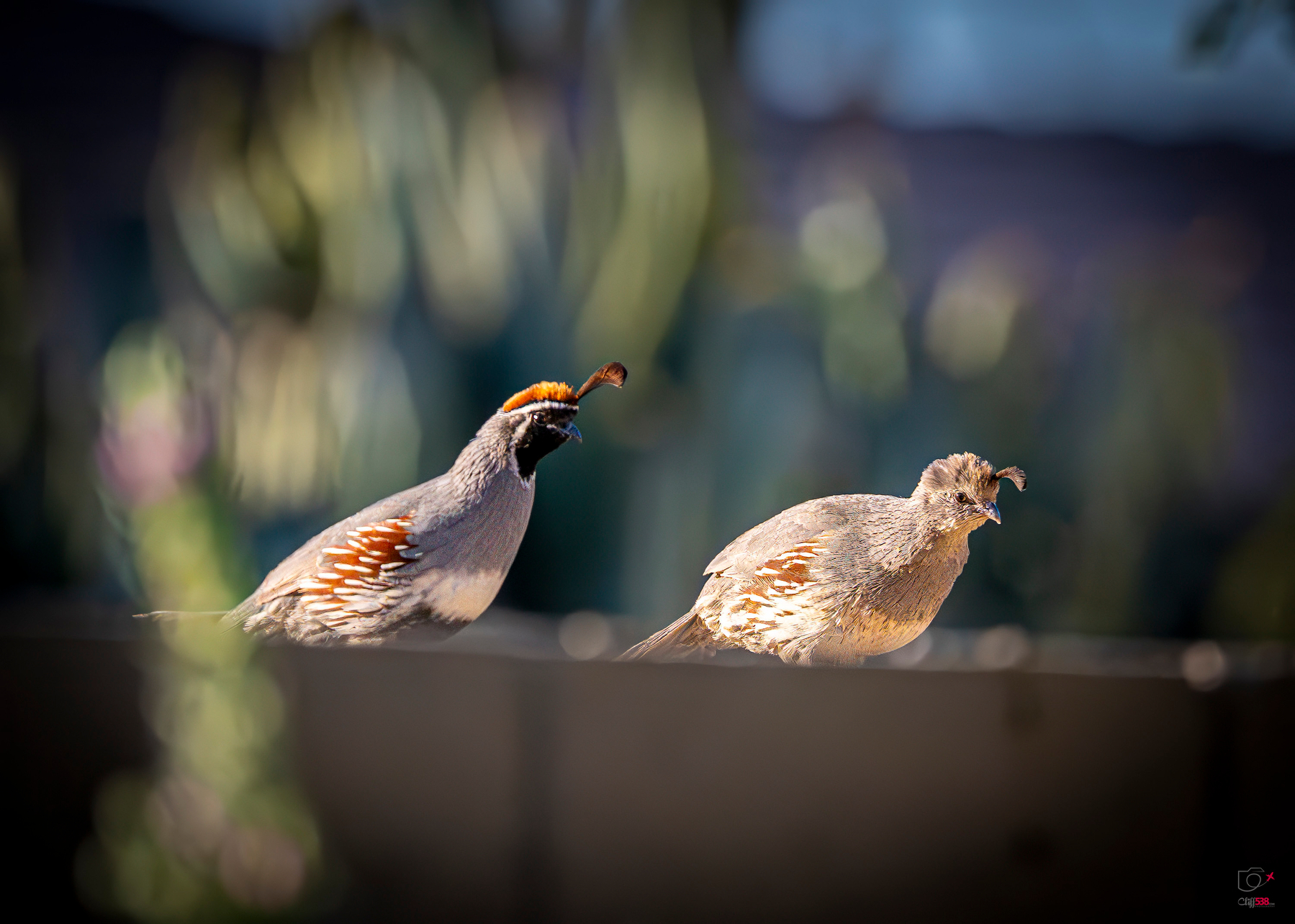
My morning bird shots will be coming to a close for the Summer. It’s bloody hot in the mornings now, and I’m not happy about it. One of life’s true little pleasures for me is sitting outside in the morning watching the birds with my coffee and camera.
This nice couple gave me a few shots this morning. As you can see, the female is in focus, but the male, not so much. My shallow depth of field bit me. My plane of focus was so narrow that their being offset just a touch was enough to throw the male out of focus. But it’s my shot of the day nonetheless.
Film Journey: Got my first roll of Portra 400 back from the lab today. These would be the first pictures taken with my Grandfathers Rolleiflex in over 40 years, I believe. I didn’t take the time to take good photos because I just wanted to make sure the camera was working, didn’t have light leaks, and that my light metering technique was at least in the ballpark. (Grandpa Leamer, your beautiful Rollei still takes great pictures…)
Still waiting on the Ilford B&W negatives/scans.
Down in Stray Pixels, I’ll put the one shot that is even slightly worth showing. I’m very happy with my exposure and with the sharpness. Love that tight grain. But, boy, did I have to straighten the photos. There is a learning curve dealing with a waist-level viewfinder!
If you’re a film person, you’ll laugh at my observations, but I haven’t shot film since high school and college. It’s funny to me that I’ve been shooting digitally and using film emulation on some shots. Then I get these scans back and stare at them, thinking, “This is the real deal, real Kodak Portra, no simulation needed.”
Photography is a funny thing these days. Digital, film, emulations, filters, recipes, A.I., apps. Even shooting film and scanning negatives to make them digital so you can post them is funny to me. You take negatives, scan them, and then you can still tweak to some degree, colors, brightness, sharpness, etc. Are they film shots still? (That’s rhetorical). You have purists who think most of this is sacrilegious.
I’m not in any camp. I love photography. I don’t care how you do it. In fact, tell me how you do it. Tell me your process. I’m curious about your art and how you make it. It’s yours. Don’t let anybody tell you your art is less than because you don’t follow their rules. We all have our preferences and beliefs. I respect yours, and maybe I’ll even adopt some of yours if they make sense to me. I always try to follow the mantra of “Strong Opinions, Loosely Held.” Be open to change, to new data, to new ideas. It will make you a better person and photographer.
I’m really enjoying my photography journey these days. Digital shooting, Rolleiflex, (BeerPan coming someday (35mm Pano)), printing, film, negatives, scanning, it’s just all really interesting and fun exploring as much as I can. Heck, I’m watching a very in-depth Large Format Photography course right now, and there may be even more variety in the future. I’m just say’n: the 4x5 and 6x17 stuff looks awfully fun.
Anyway, I’m babbling now. Go take some pictures.
Click for Stray PixelsRolleiflex. Portra 400.Same Photo. Processed Black & White in LR
Back home and rested. I sat outside this morning with coffee, camera, and my new book. I’ll have a write-up about this amazing book in my June The Good Stuff. Bottom line: I think every outdoor photographer should have this book. It’s the best photography book I’ve found in a really long time. I’m highlighting and making margin notes like crazy.
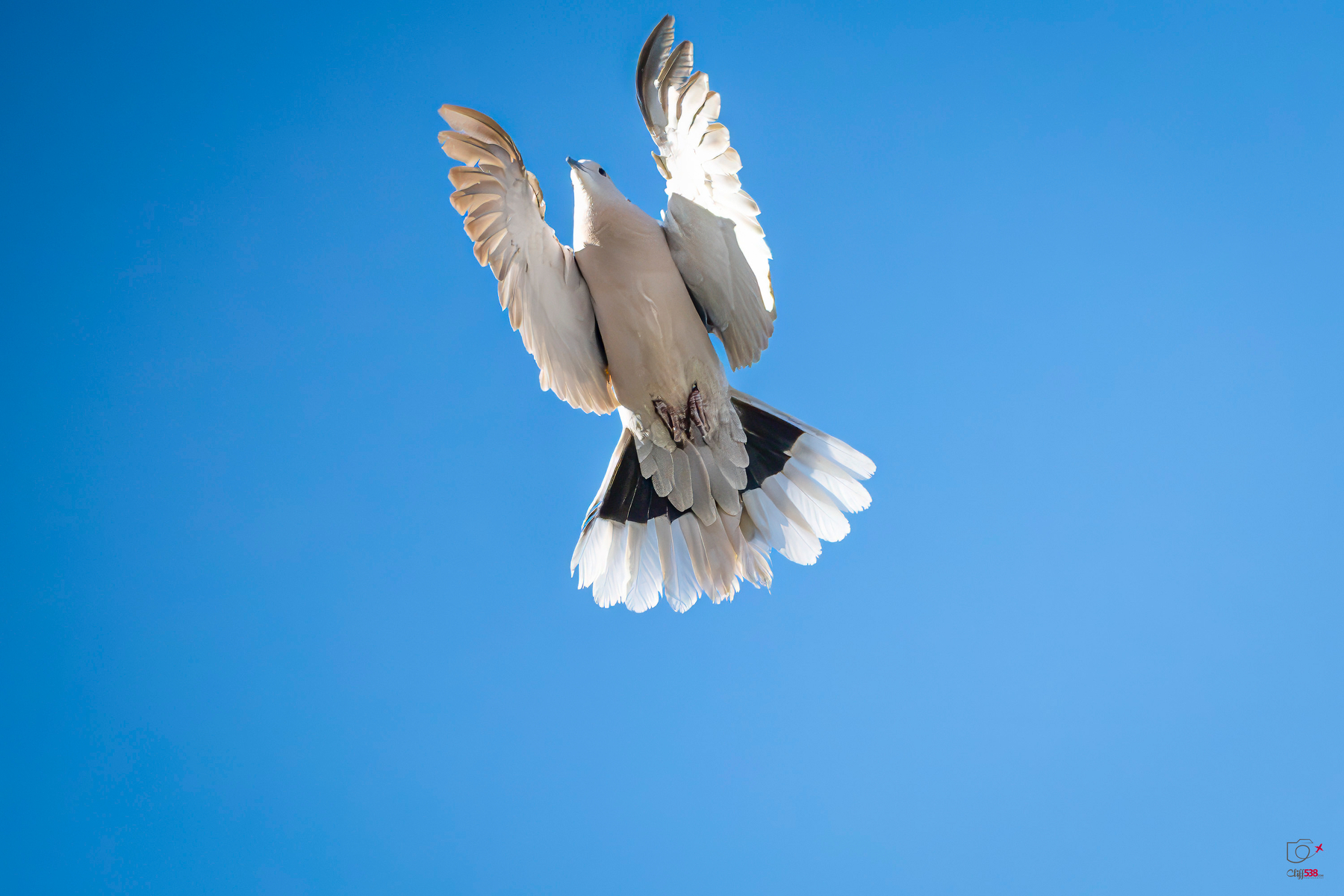
I was working on bird shots between cups of coffee, and grabbed a fun shot with the Nikon as this guy came overhead.
Short drive tonight on some errands, and when I drove past this, I knew I had to capture it. I turned around, parked, and hiked to a good spot to take in this peaceful scene. A good reason to always have your camera with you.
Nikon Z8 • 125mm • 1/125s • f/2.8 • ISO 5000
Film Journey:
I shot a roll of Portra 400 tonight on some sunset shots with the Rollei. I don’t have a cable release for it, so I ordered one on eBay tonight. I had it on a tripod, but who knows how shaky I am when pressing and releasing the shutter with my finger in Bulb Mode. No instant results—just have to wait and find out. Another roll of exposed film in the refrigerator. When I get back from my next work trip, I’m going to try a local lab for developing and scanning. I think I’m set up to scan my own negatives now, but I want some lab scans to compare mine to.
This Rollei that I’m using has a lot of meaning for me. It was my grandfather’s; he was an avid photographer and very active in his local photography club up in the Pacific Northwest. I loved spending time with him in his office, looking at slides on the light table. I want to keep his camera shooting film for many years. It’s been a long, slow journey back into film for me, but progress is happening.
The next roll to experiment with is Kodak Ektar 100. It’s supposed to have very fine grain and vibrant colors. Excited to see it.
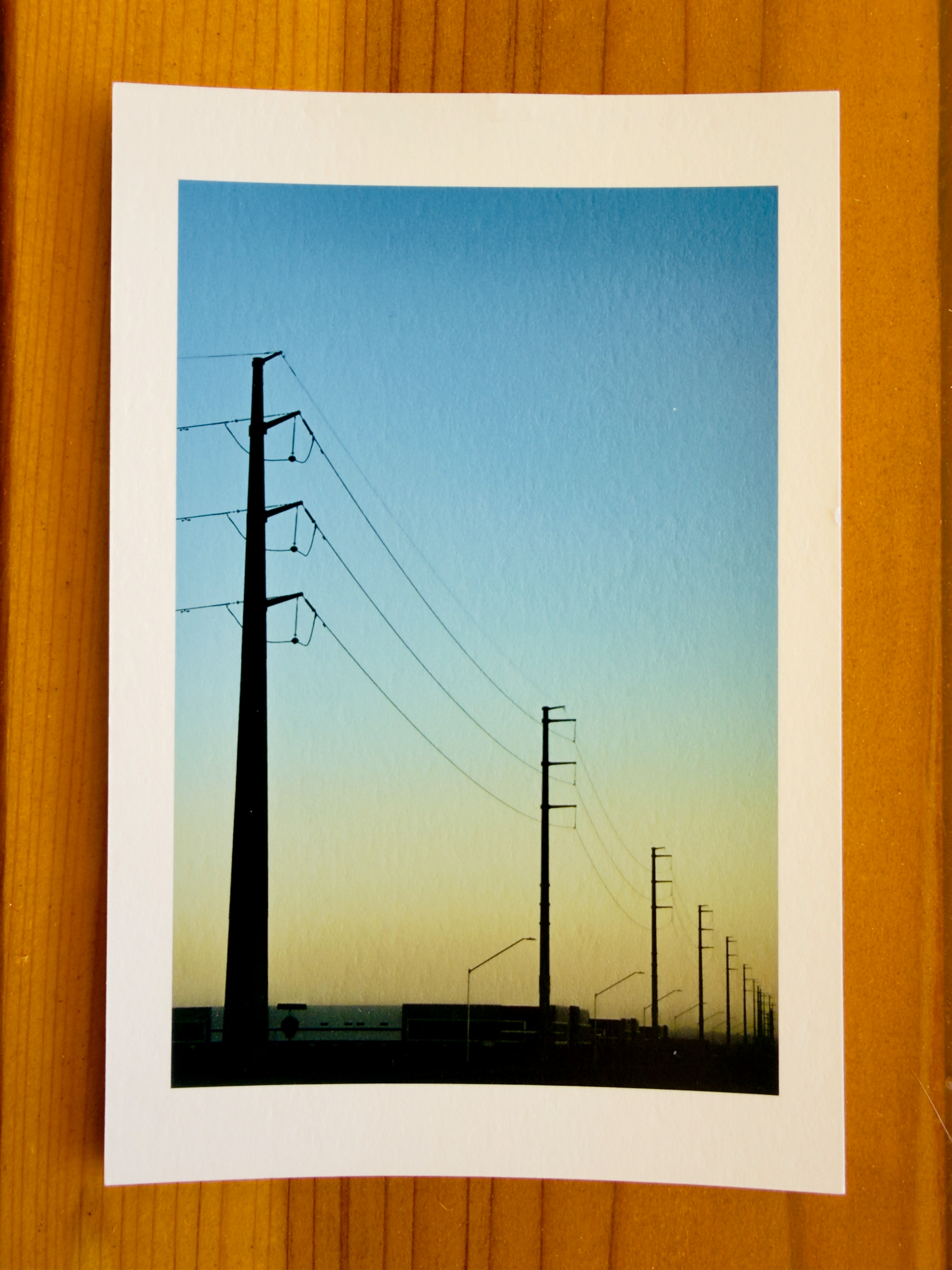
Click for Stray Pixels4x6 Test Print of yesterday's photo on ILFORD Gold Fiber Rag. I like it.
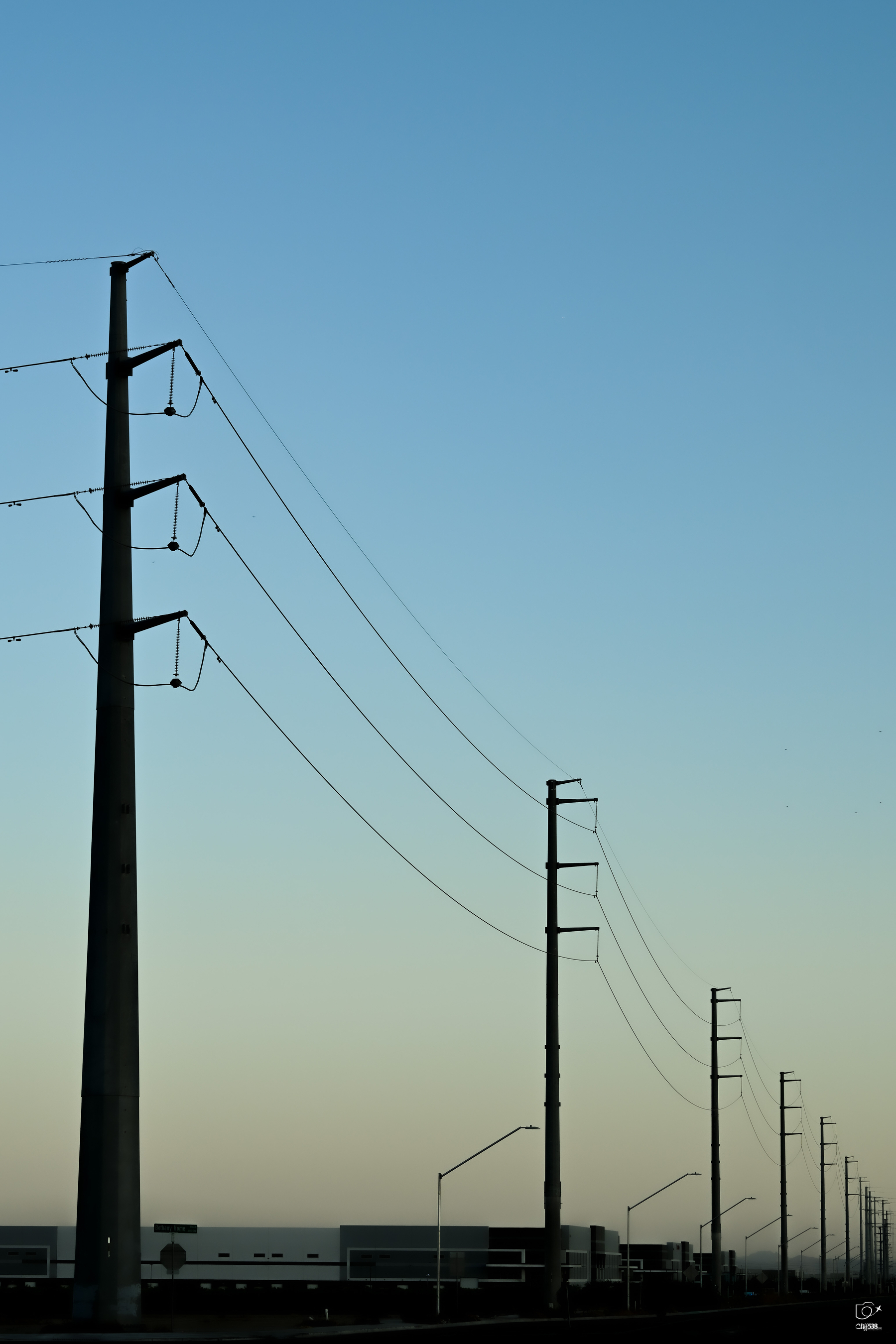
Out for another sunset tonight — I could get into this habit. The oranges and blues have been beautiful. I did a quick 4x6 test print of this shot on Ilford Gold Fibre Rag, and it looks really good.
I finally shot a roll of Ilford HP5+ through the Rolleiflex tonight. I loaded a roll of Kodak Portra 400 for tomorrow. We shall see…
Hopefully, a worthy Rollei frame or two to share in Stray Pixels in the coming weeks.
Finally back home, it’s amazing what a good night’s sleep can do for you.
I was able to get out today and shoot. Pretty happy with this shot, not technically, but more about the metaphor or meaning. I’m still torn with the title. Originally, I had “The Slow March of Death”, then “Waiting Their Turn”, but “Standing Among Ghosts” gave me goosebumps, so I went with that.
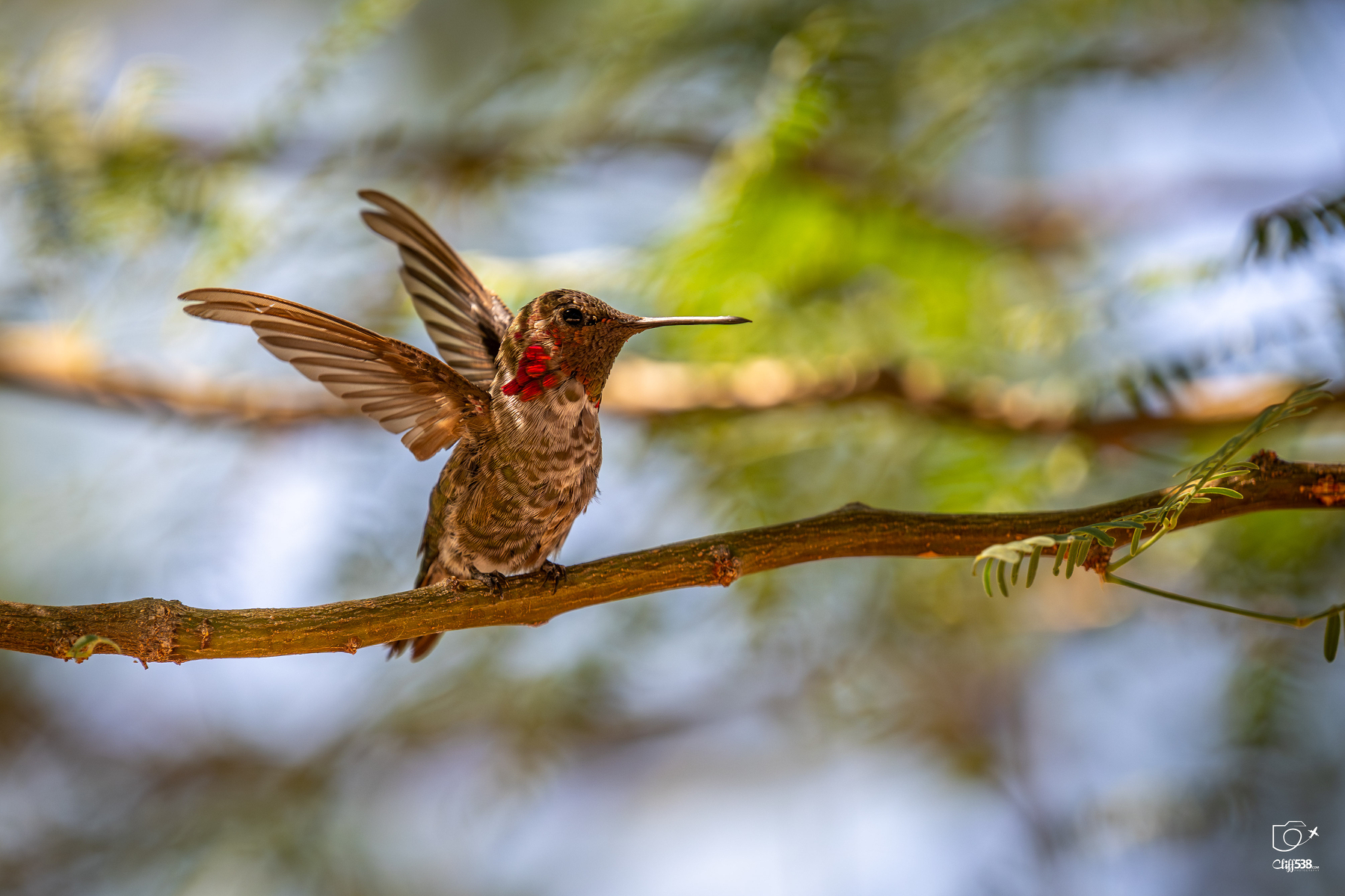
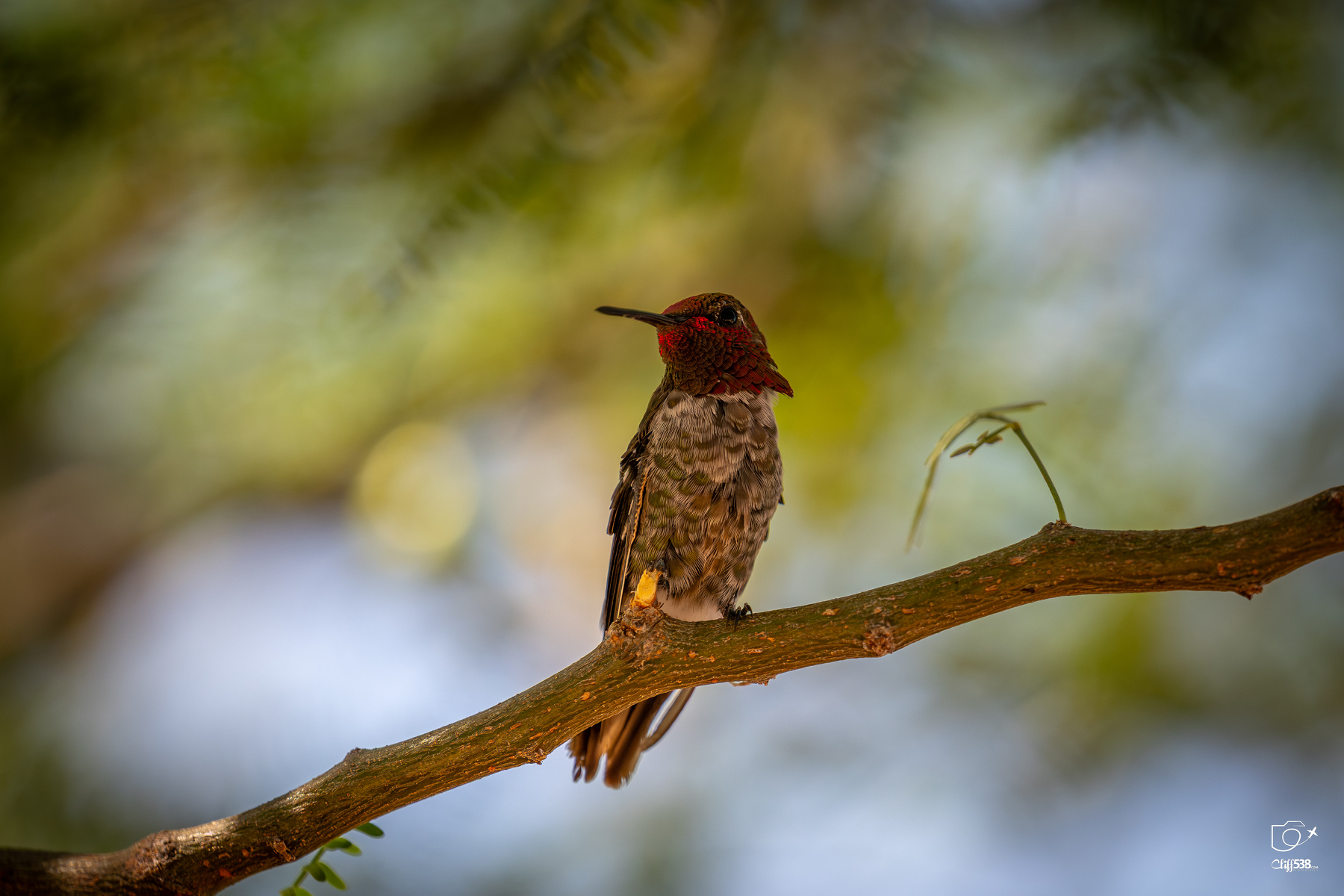
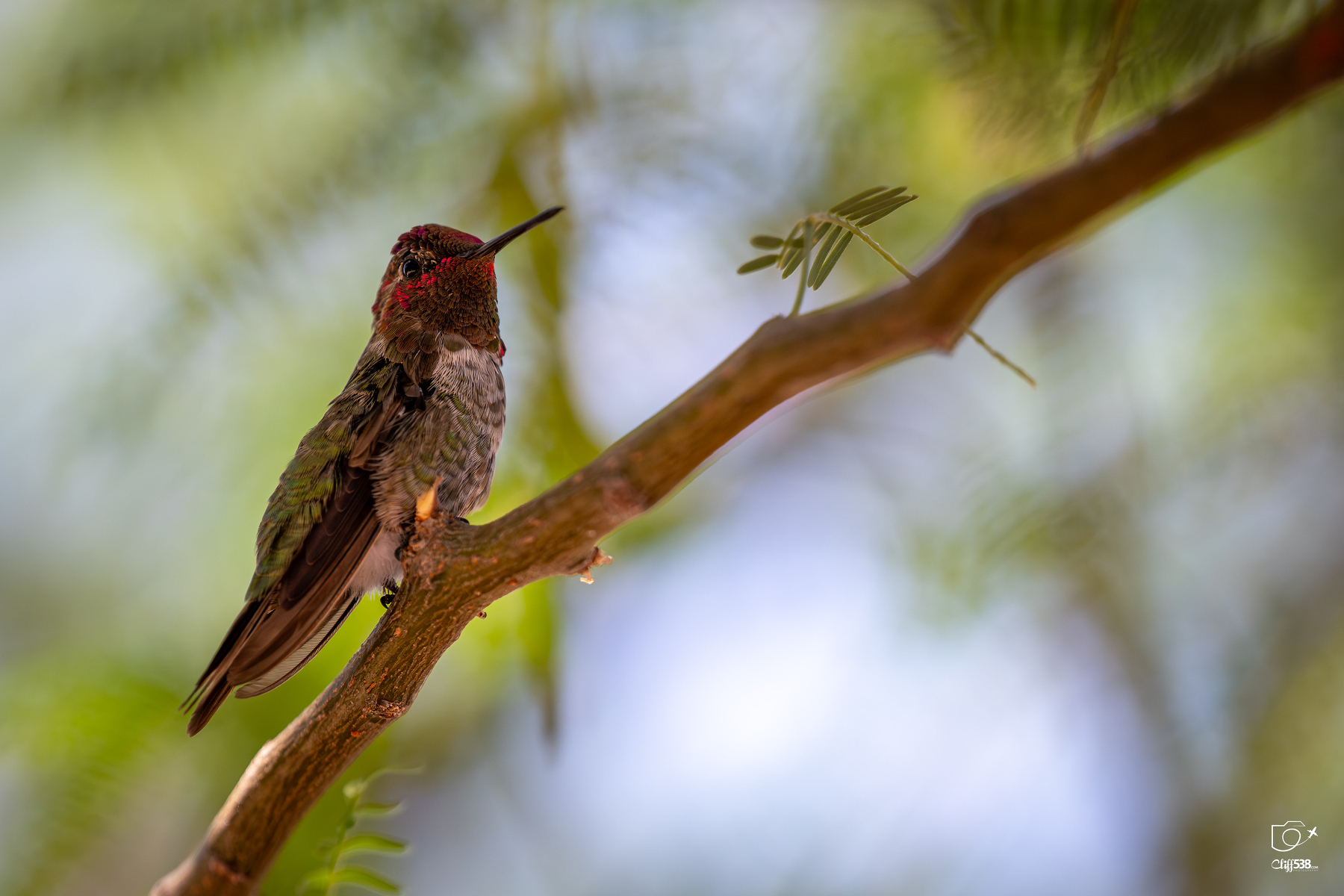
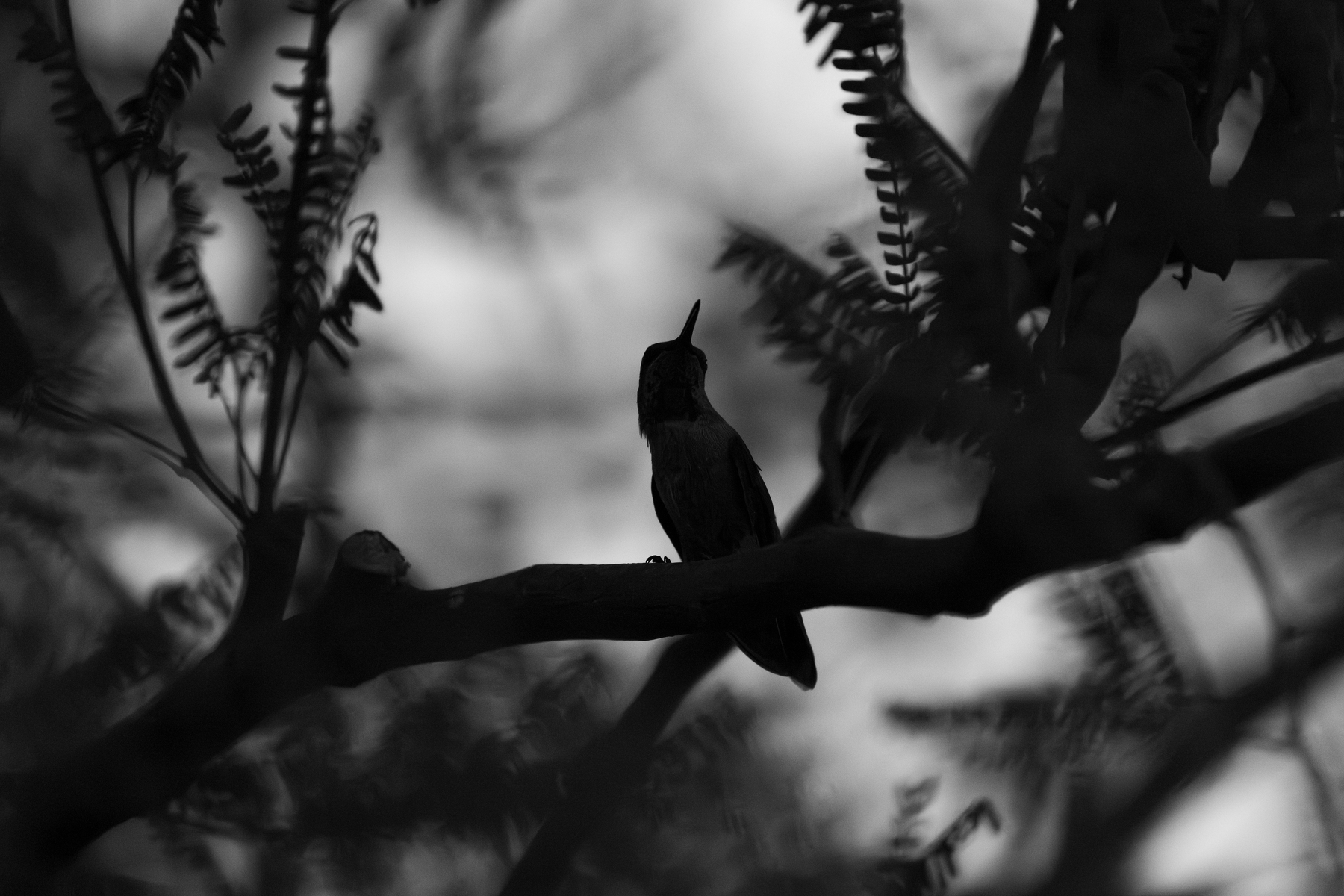
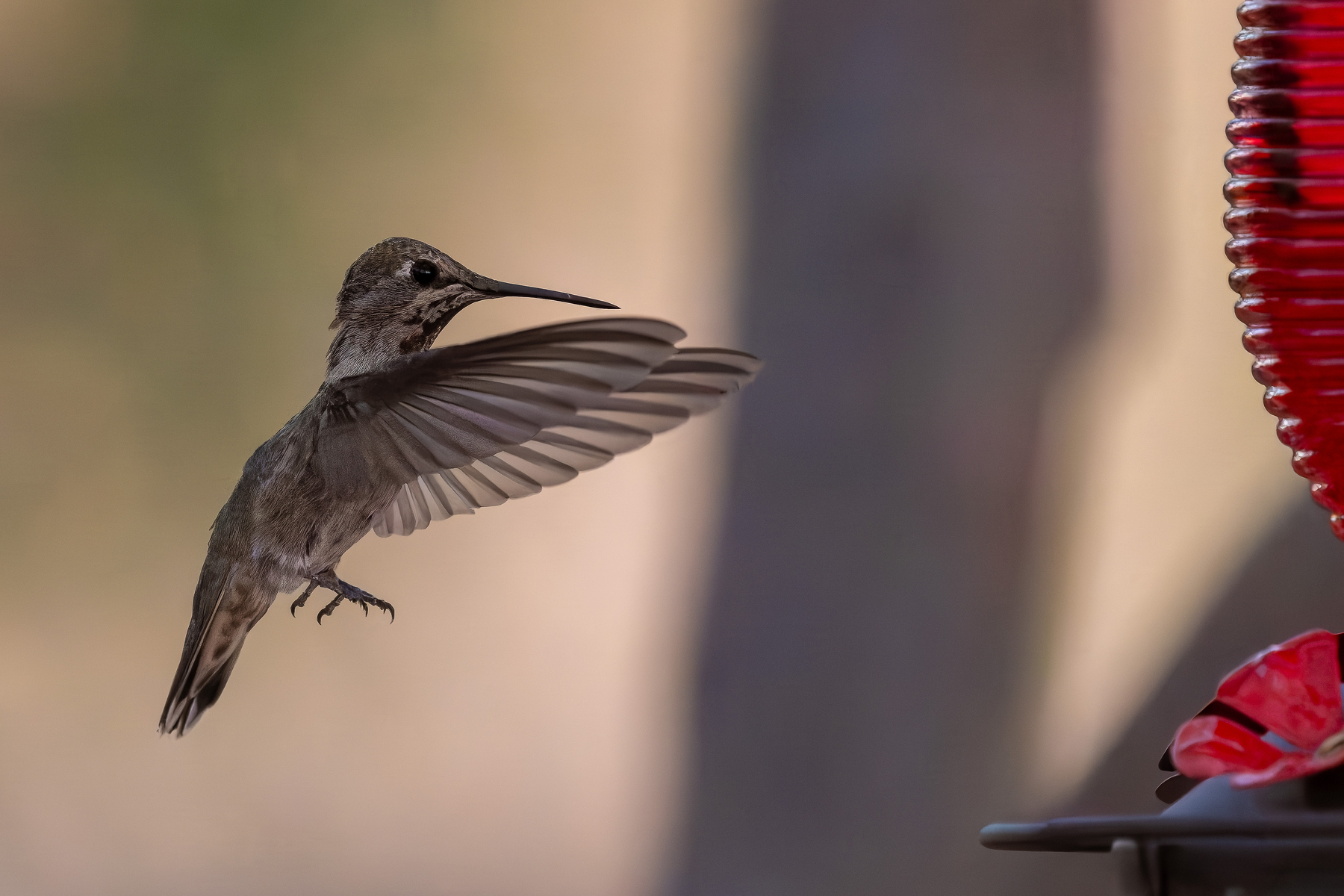
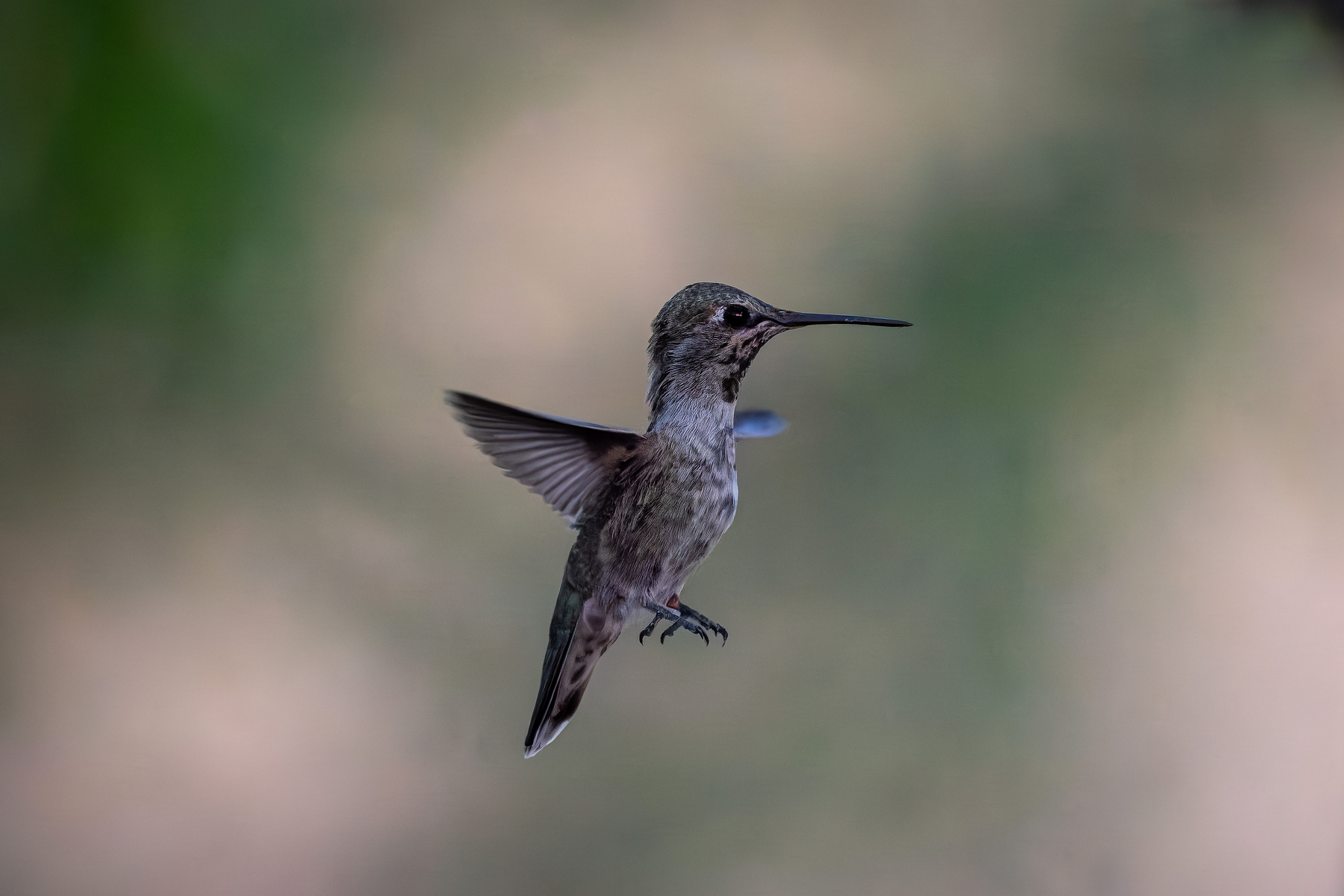
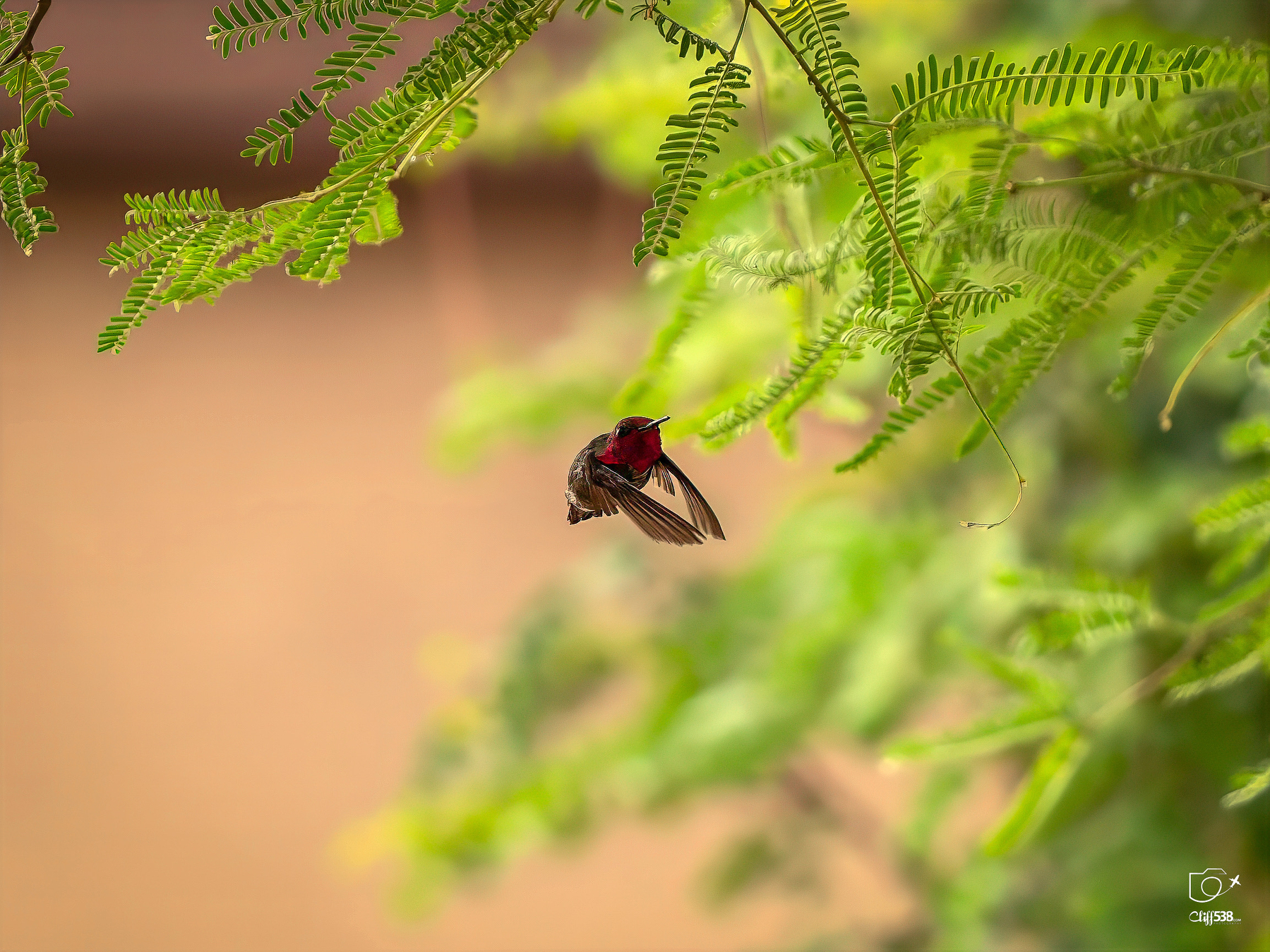
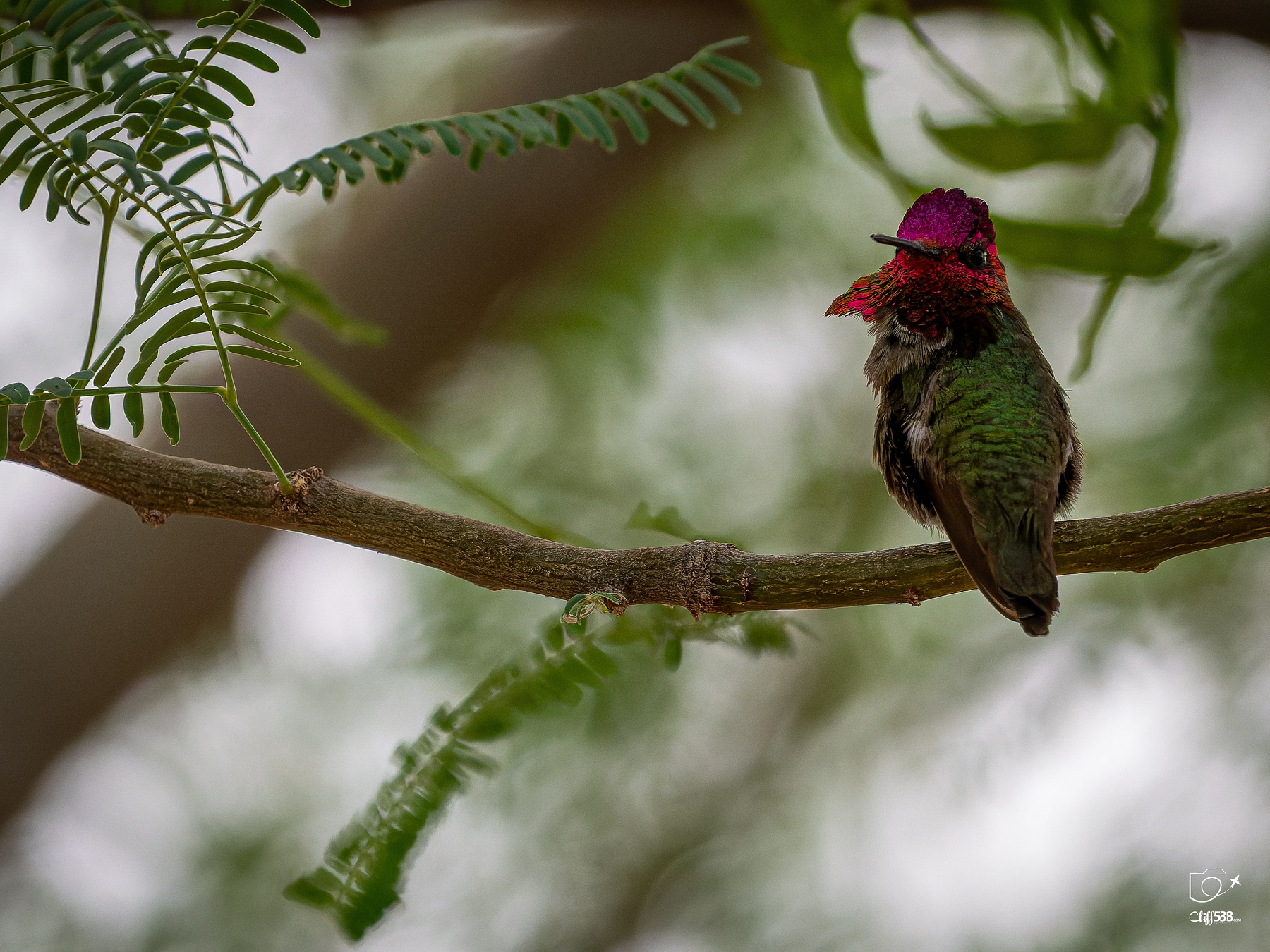
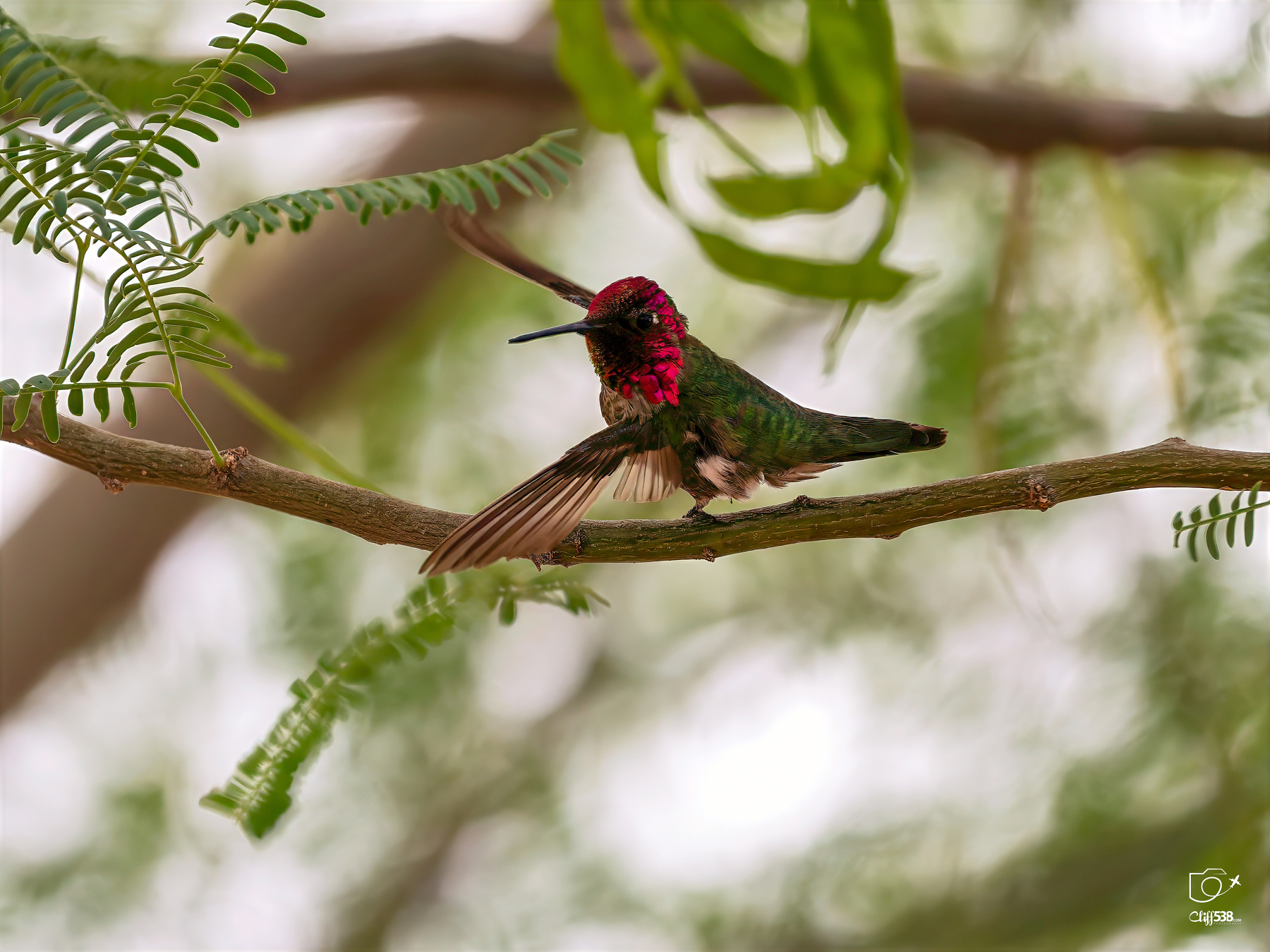
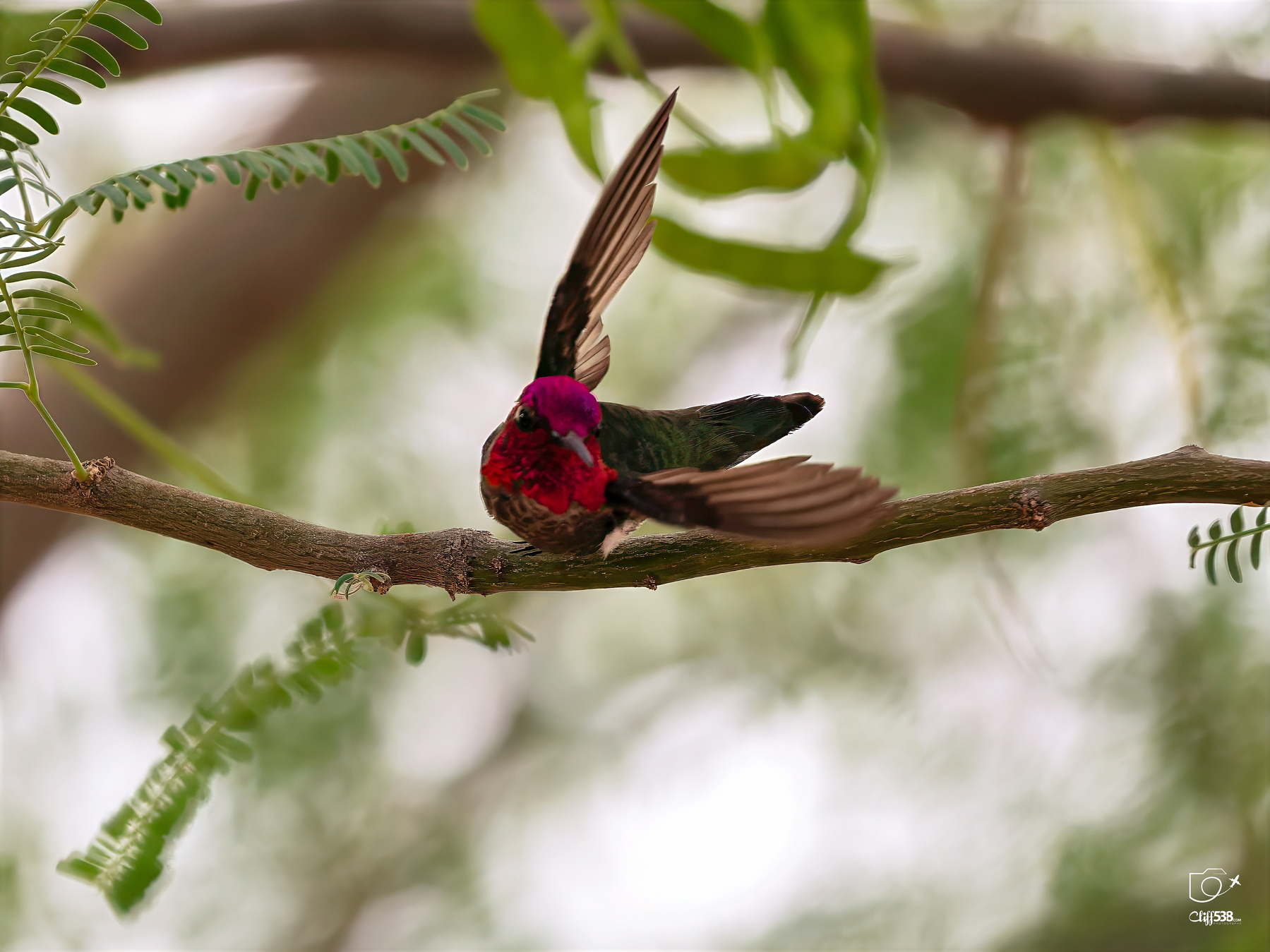
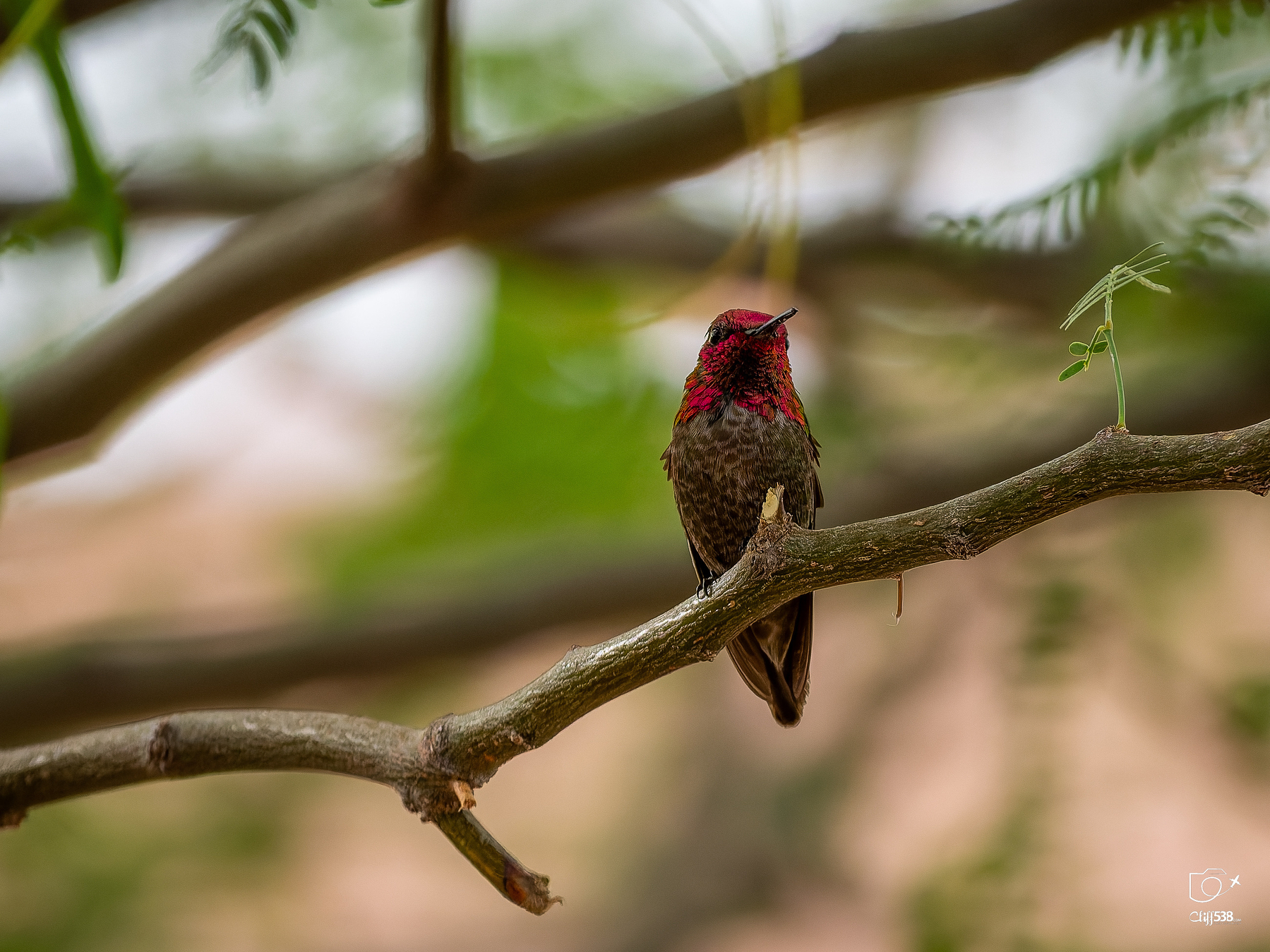
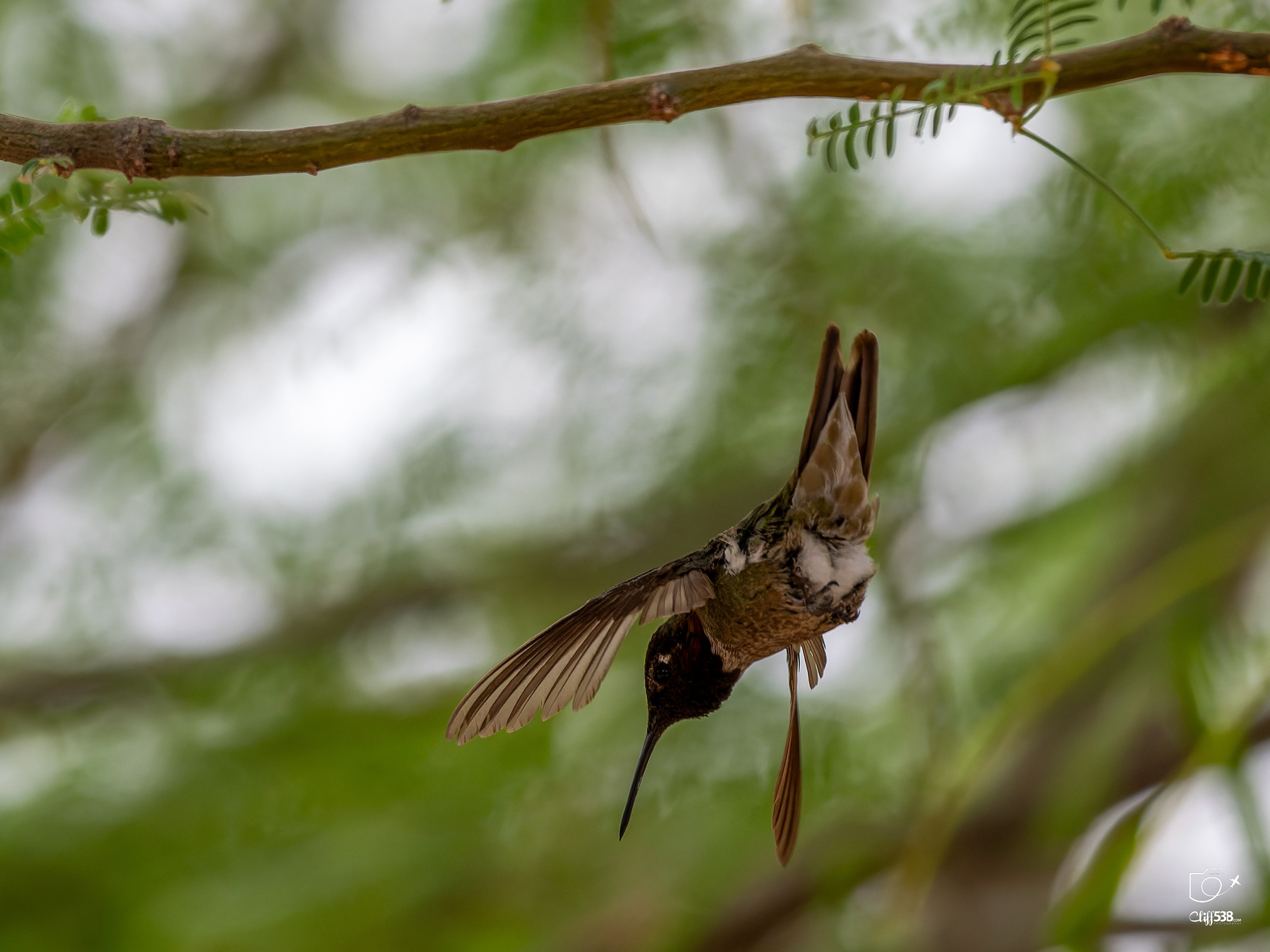
Back from mountain biking and nursing my old, sore, out-of-shape body, I’m now sitting in the backyard with a cup of coffee, watching this little guy guard his two feeders. A little male Anna’s hummingbird has proudly claimed my backyard tree as his home, and I’m honored. He’s letting me get really close with my camera. I think it’s a fair trade: I provide two always-full feeders and a big shade tree, and I get to take pictures.
I’ve also put up two grass hummingbird nests, just in case he wants a ready-made home to move into. From what I’ve read, Anna’s hummingbirds now live in the Phoenix Valley year-round.
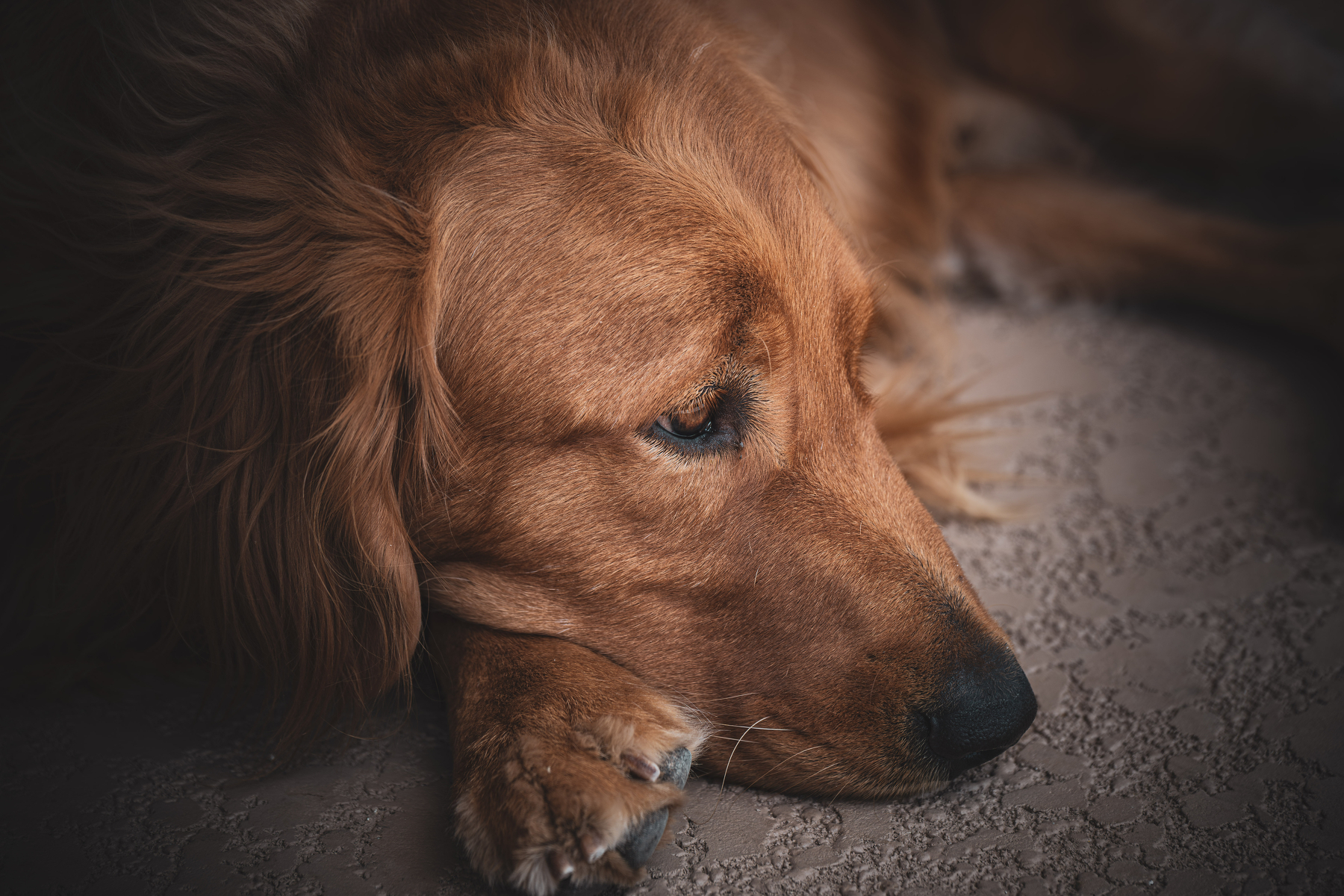
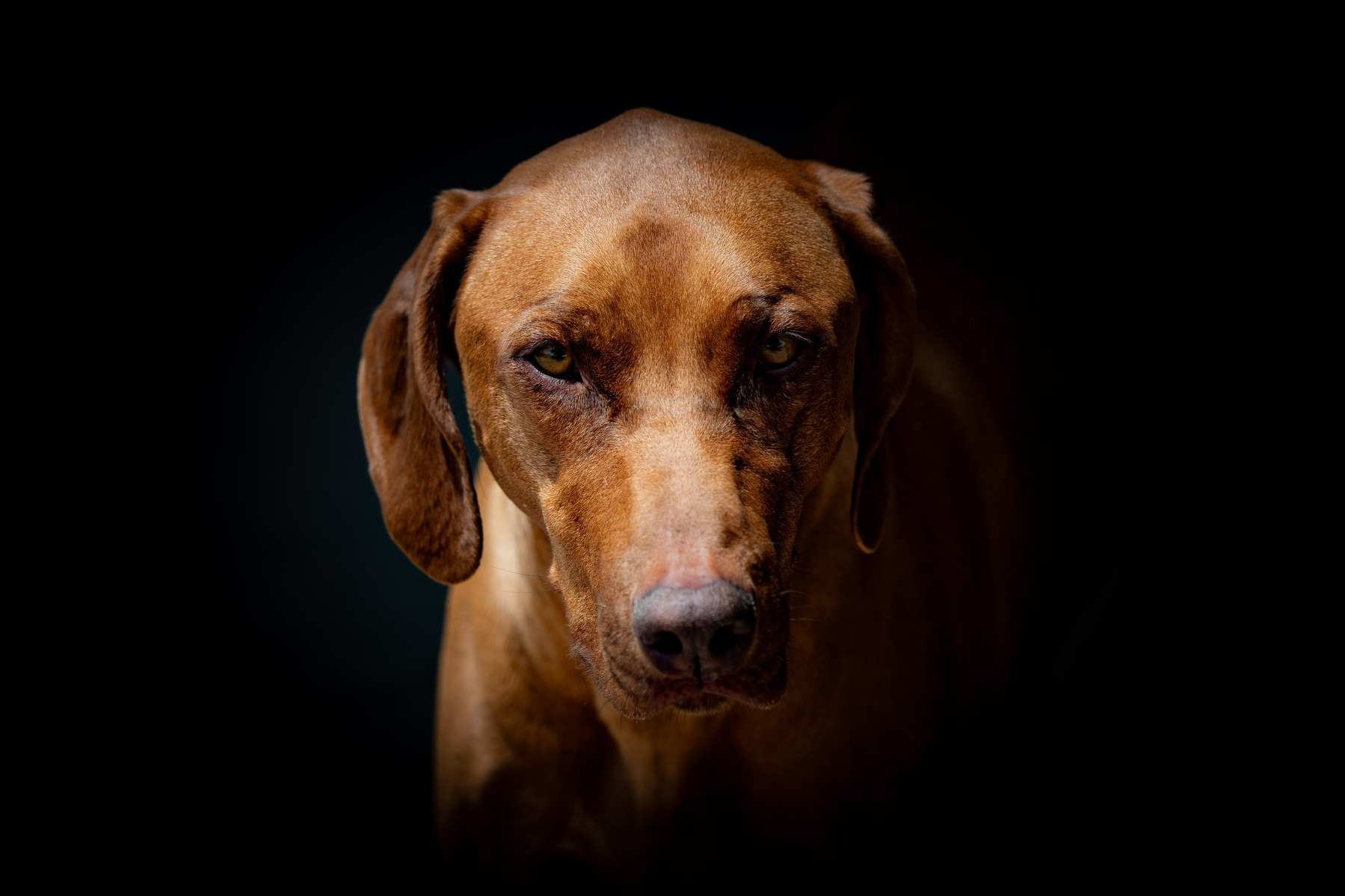
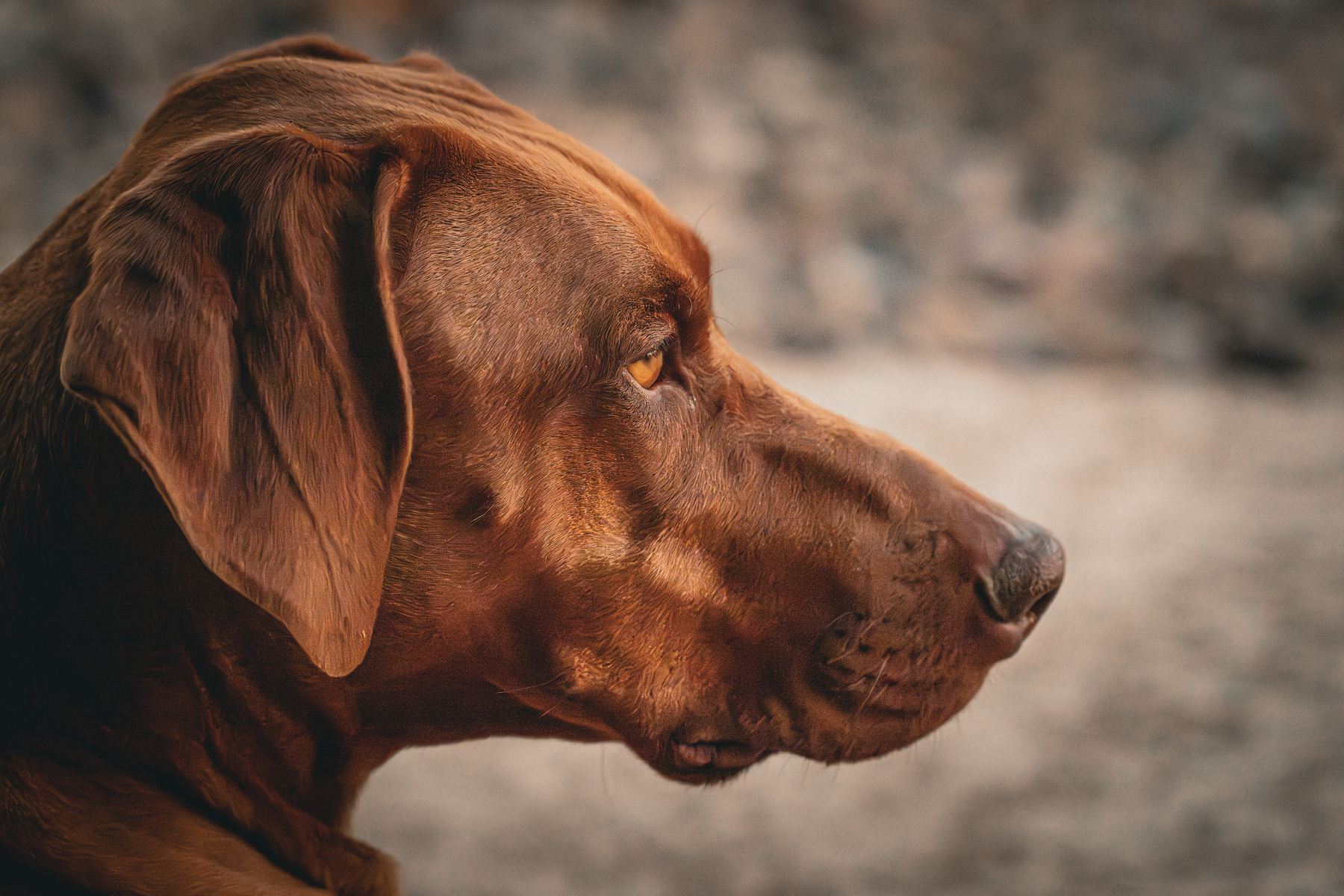
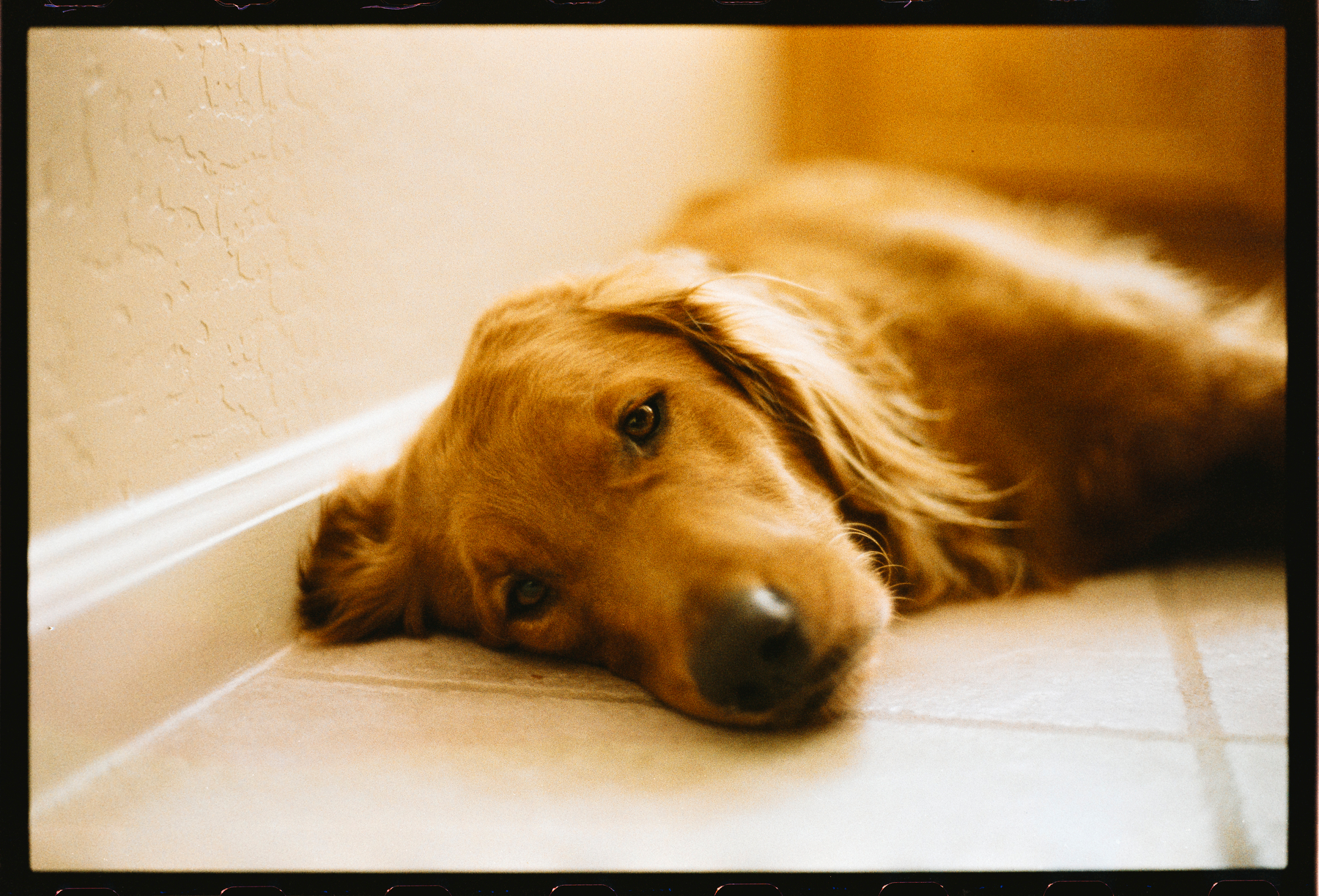
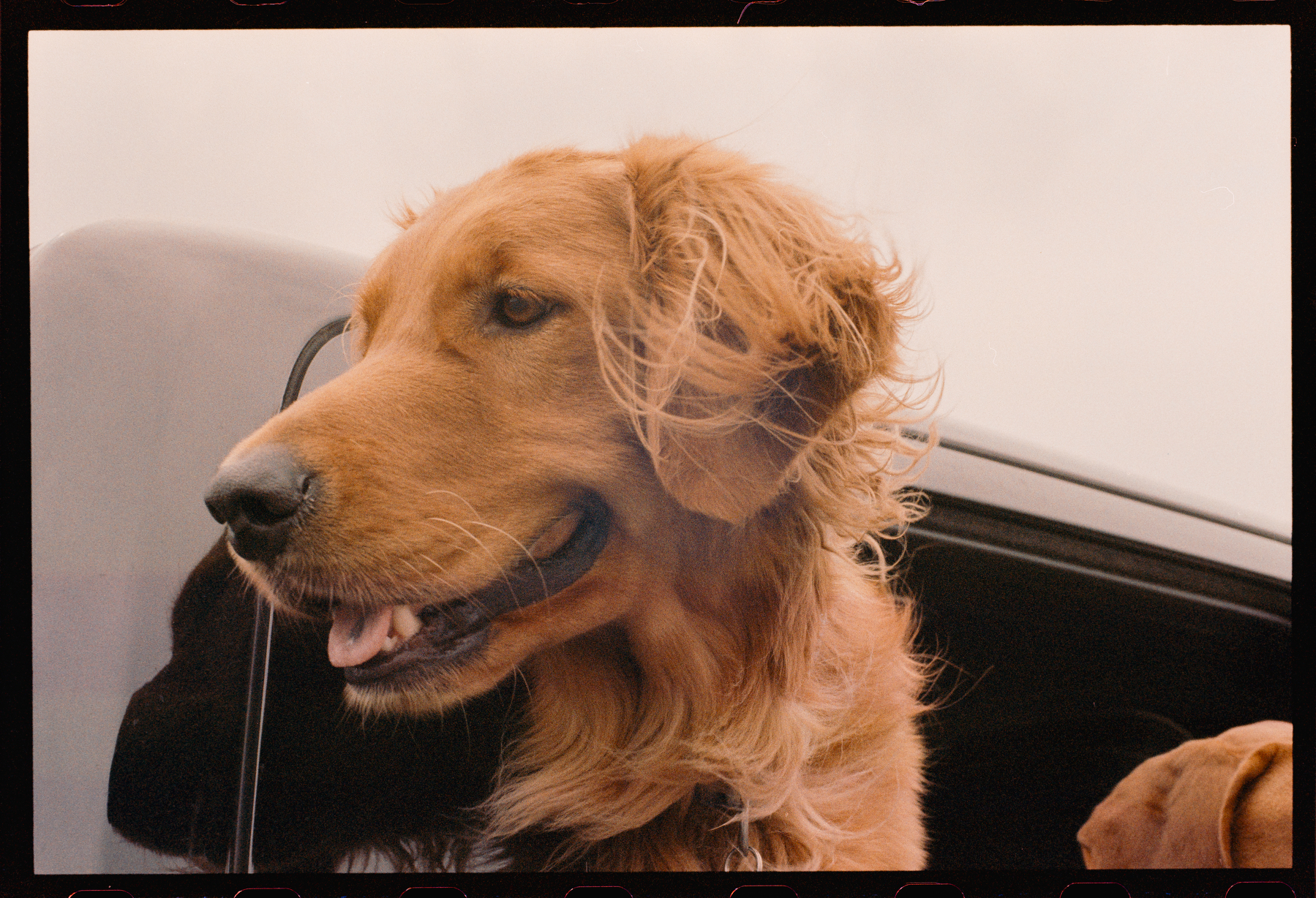
Trying to get a good shot of the dogs is harder than it should be. They really dislike having something pointed at them. I have to be really fast before they turn away.
Here is Daisy, looking a little perturbed that she’s being subjected to all these photographs.
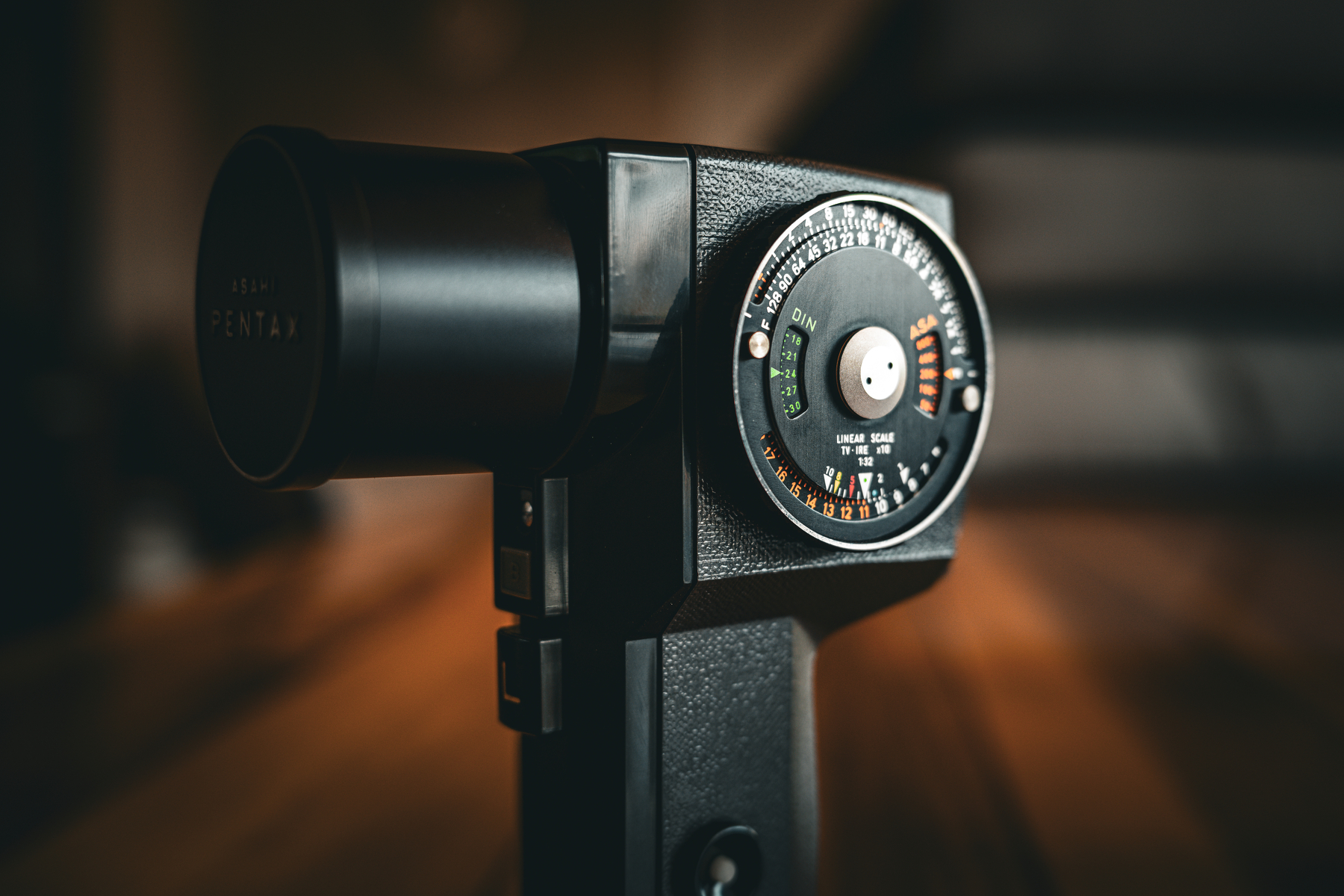
The very slow but steady march toward my film experiment continues with this absolutely beautiful Pentax Analog Spotmeter. I think it’s simply beautiful, and I love bringing it up to my eye, pulling the trigger, and getting my EV.
I grew up shooting and developing film. Trying to think back on how I metered and what techniques I used has left me with very little information—memories lost to time and buried under too many digital cameras. I can’t even remember the basic steps of developing film in the darkroom.
So, here I am with my grandfather’s Rolleiflex, two Pentax Spotmeters, film in the refrigerator, and the BeerPan 35mm pano camera on the way. Now it’s time to refresh those dark arts of film photography…
You can read how Ansel Adams did it and come away a little frustrated. There are plenty of videos online that will instruct you, but I was looking for something special—something that spoke to me: an instructor whose photography I deeply admired and who was willing to share their technique. I found Nick Carver. I don’t know Nick; I only recently found him on YouTube and have watched several of his videos. I liked his style, loved his photography, and he just so happens to have a course on manual metering for film. I don’t want the quick-and-dirty approach; I want to truly understand the hows and whys of it all, like I used to. Nick has put me on a good path toward understanding how to meter a photograph so it comes out right almost every time. With the cost of film and film developing, I don’t want to waste film learning the hard way.
Along with Nick, and with some very good courses from John Greengo, the lost knowledge is coming back. You know—the 18% gray card, the light meter that shows 0, meaning Middle Gray. The technique of shooting white and black cards at one-stop intervals until you lose detail, searching for your film’s dynamic range. Wonderful examples proving that light meters at zero are based on Middle Gray. The rule that says there is no “proper” or “right” exposure—only the exposure you want for that photograph. There is more to it than I remembered, but probably, back in high school, I wasn’t as interested in the deeper whys and hows. I am now.
The experiment continues with more learning. I haven’t even started figuring out how to get my negatives into the computer—scanning them, taking pictures of them—I have no idea. Then it’s out to the field for my first film shots in 30 years. I’m in no hurry; this is a journey that I’m enjoying every step of.
It’s fun. I love the process. I love learning. I love photography.
Let me leave you with the Filmomat (I got the link from Hiro’s newsletter). I watched the video, marveled at the technology, but started to think, “How much does this thing cost?” Well, check it out. I won’t be buying one 😂.
Today’s pictures are dedicated to him. I took them yesterday—Richard’s last day, at least here on Earth. These pictures are for him. Richard may have commented on one or two of them on Flickr. I will miss that.
I will never forget Richard. I did not know him for very long, but he was such an amazing human being—so kind, so talented. Richard was a husband, father, grandfather, teacher, artist, woodworker, photographer, and so much more—a wonderful photographer with a unique style. He had many art shows featuring his work, and I was lucky enough to see a few of them.
We lived close to each other and consulted on projects from time to time. We texted and communicated on Flickr. Richard loved Flickr and had so many Flickr friends.
You will be greatly missed, my friend. You made me a better human. You gave me so many creative ideas and inspired me.
Wherever you are, my friend, take some pictures and send them to me…
Pictures are from yesterday, hopefully you can forgive me!
You know, I persevered yesterday with the “Bone Leveler” and “Tissue Puncturer” after all!
I experimented with some new denoising software and was pretty happy with the results. Most of the time, it was a toss-up between DxO and Topaz Photo, but maybe more often than not, Topaz came out on top. I almost think Topaz comes out on top with their sharpening more than the denoise.
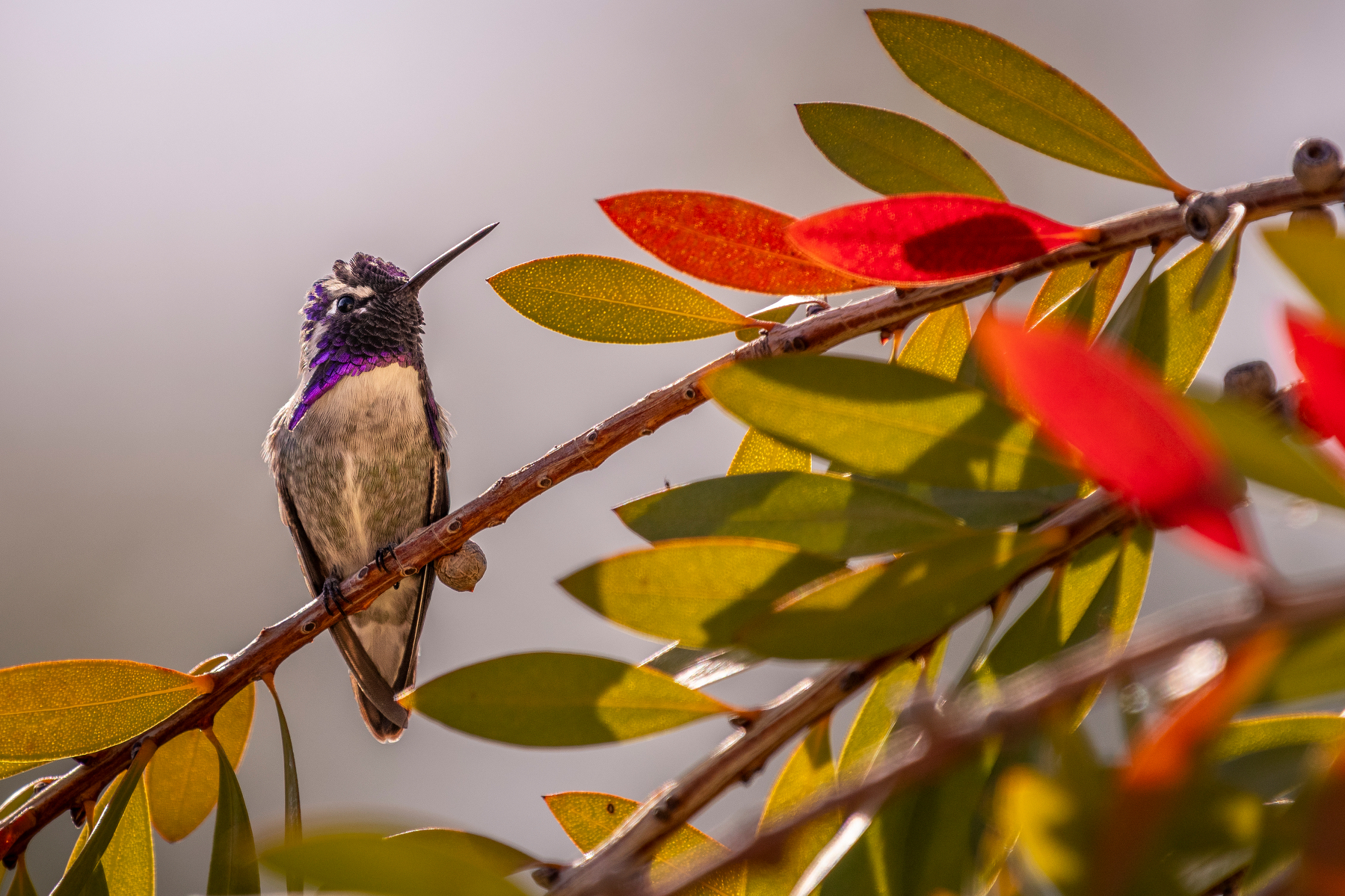
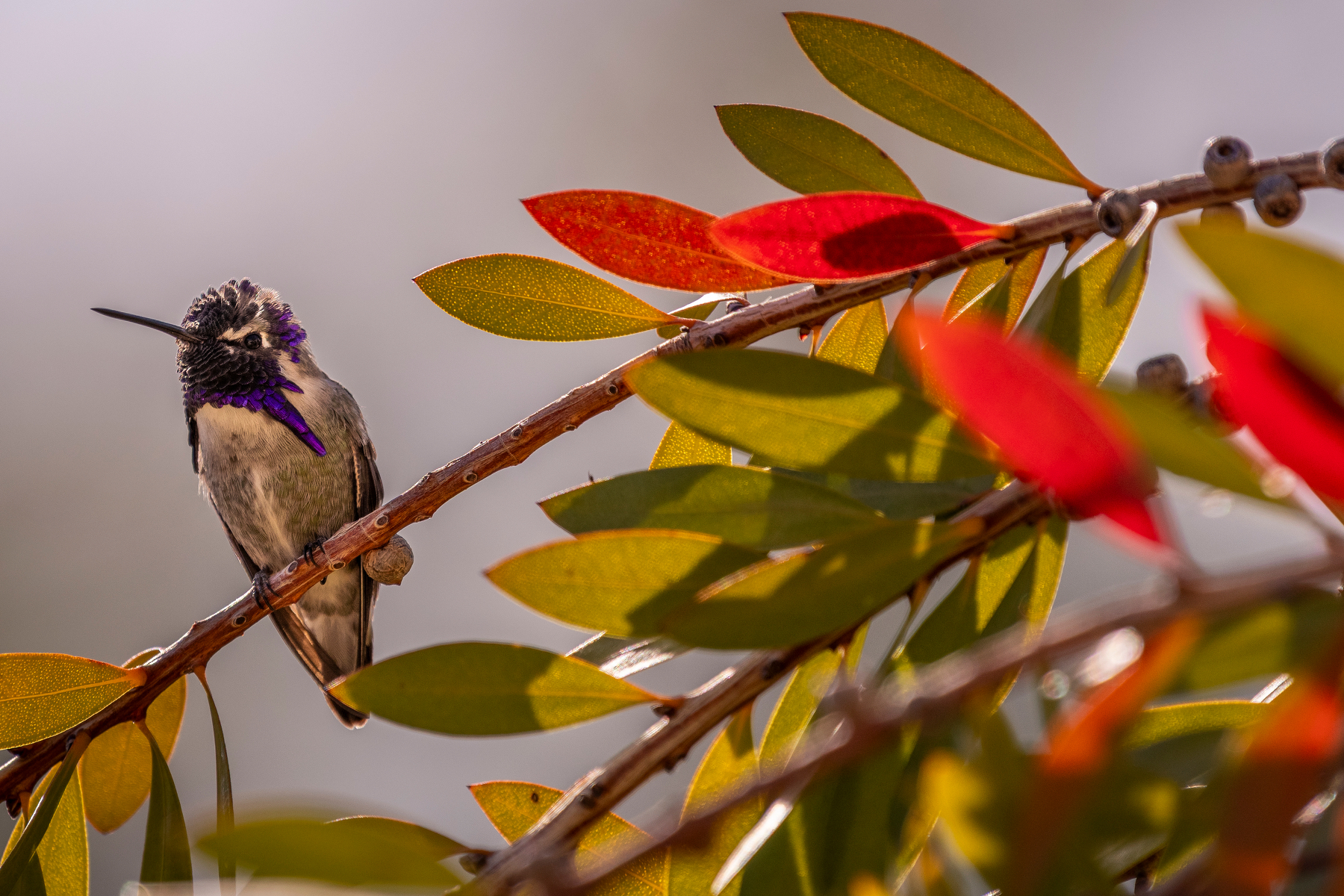
I can’t help but think how much better things would be if I could shoot these with the Nikon. At the very least, they wouldn’t be anywhere this noisy, and I’d have some more shadow recovery. You can see a couple of Nikon Full Frame Hummingbird shots down in Stray Pixels to compare. I didn’t even have to denoise on those shots, and I think they look much better than the OM shots.
You know what this means, don’t you? I need the Nikon Z8. Just Say’n.
Click for Stray Pixels
Nikon Full Frame Shot. No denoise. Nikon Full Frame Shot. No denoise.
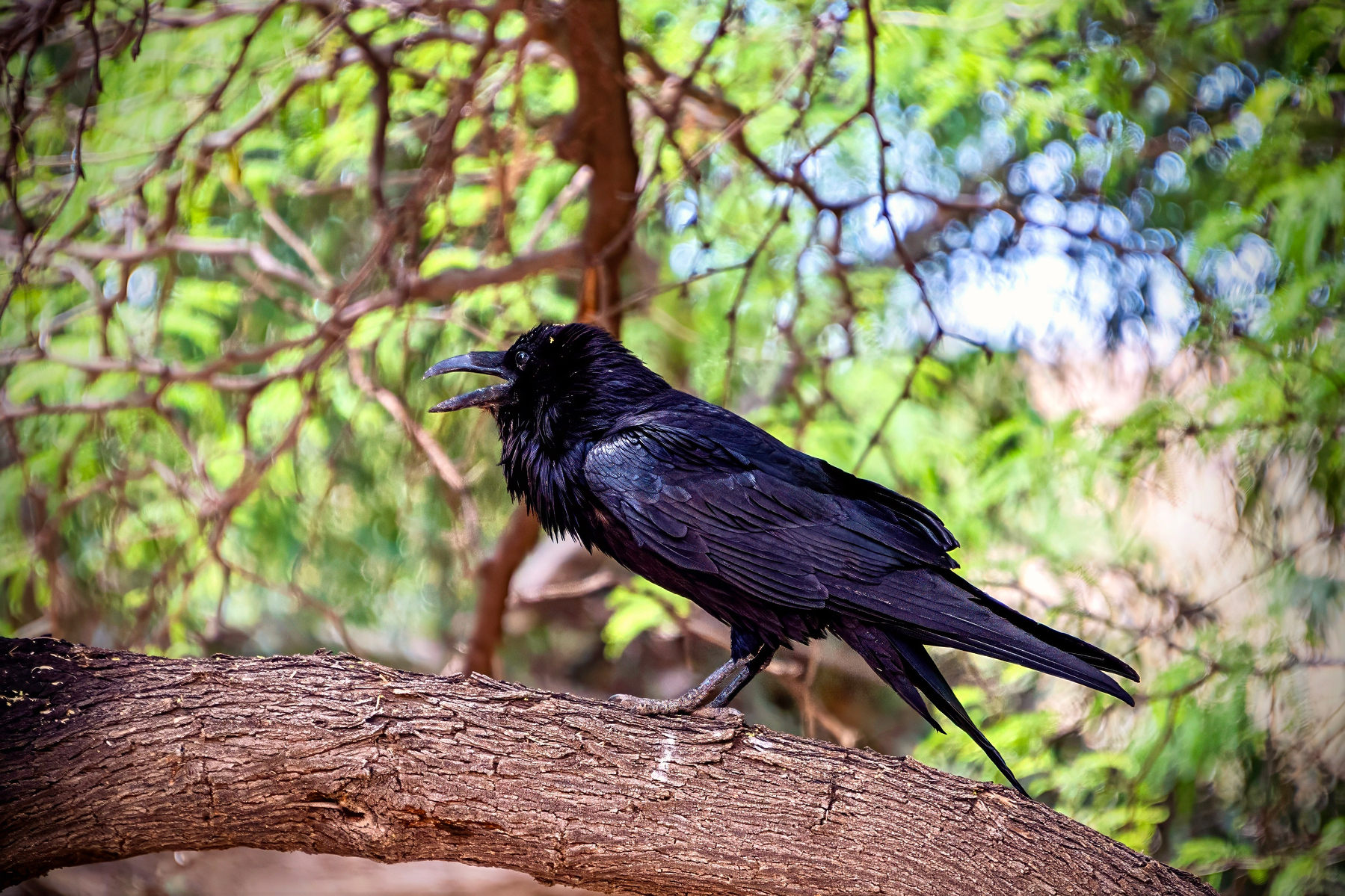
Corvus Corax (295/365)
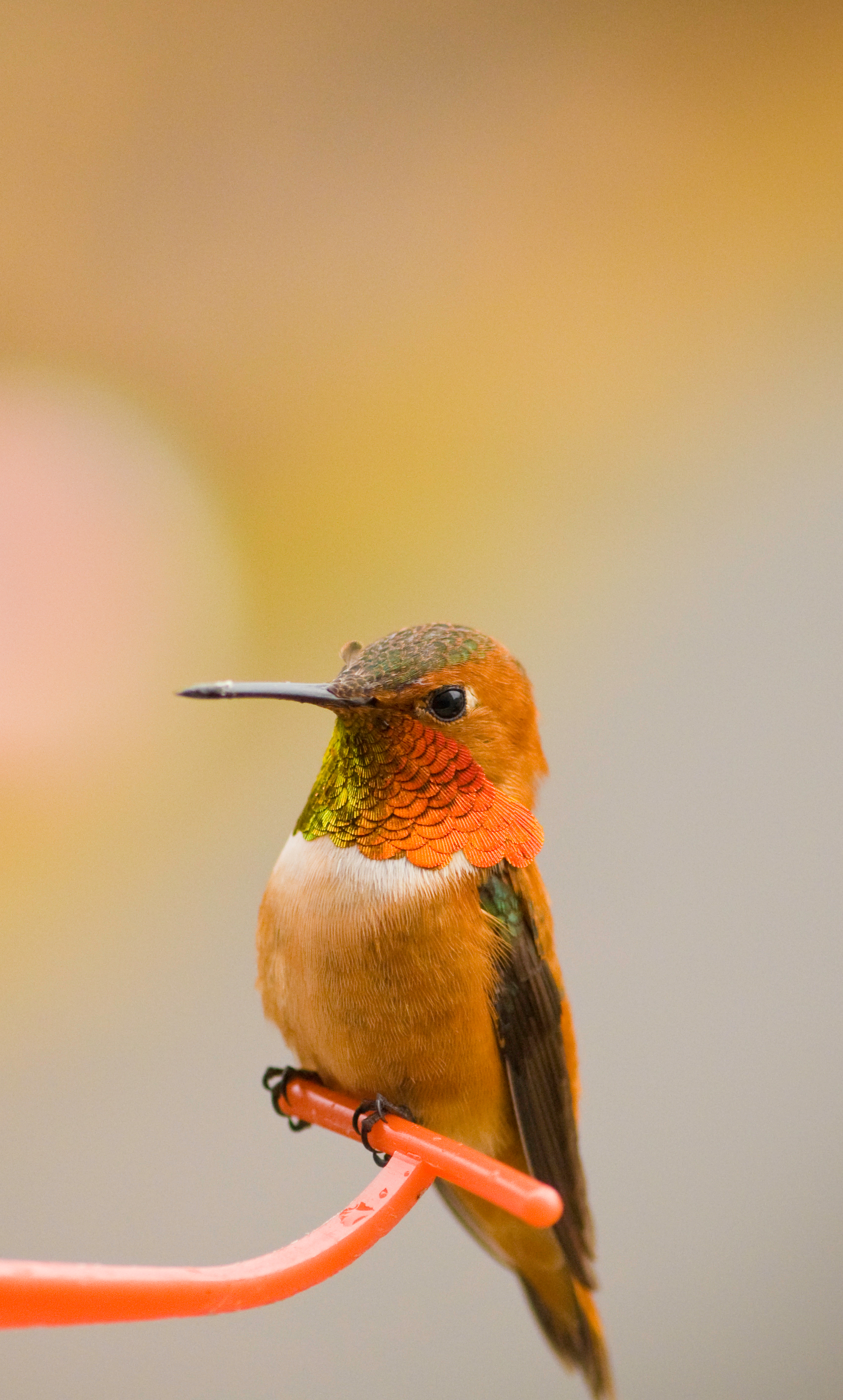
What lovely throat feathers (hackles) you have, kind sir.
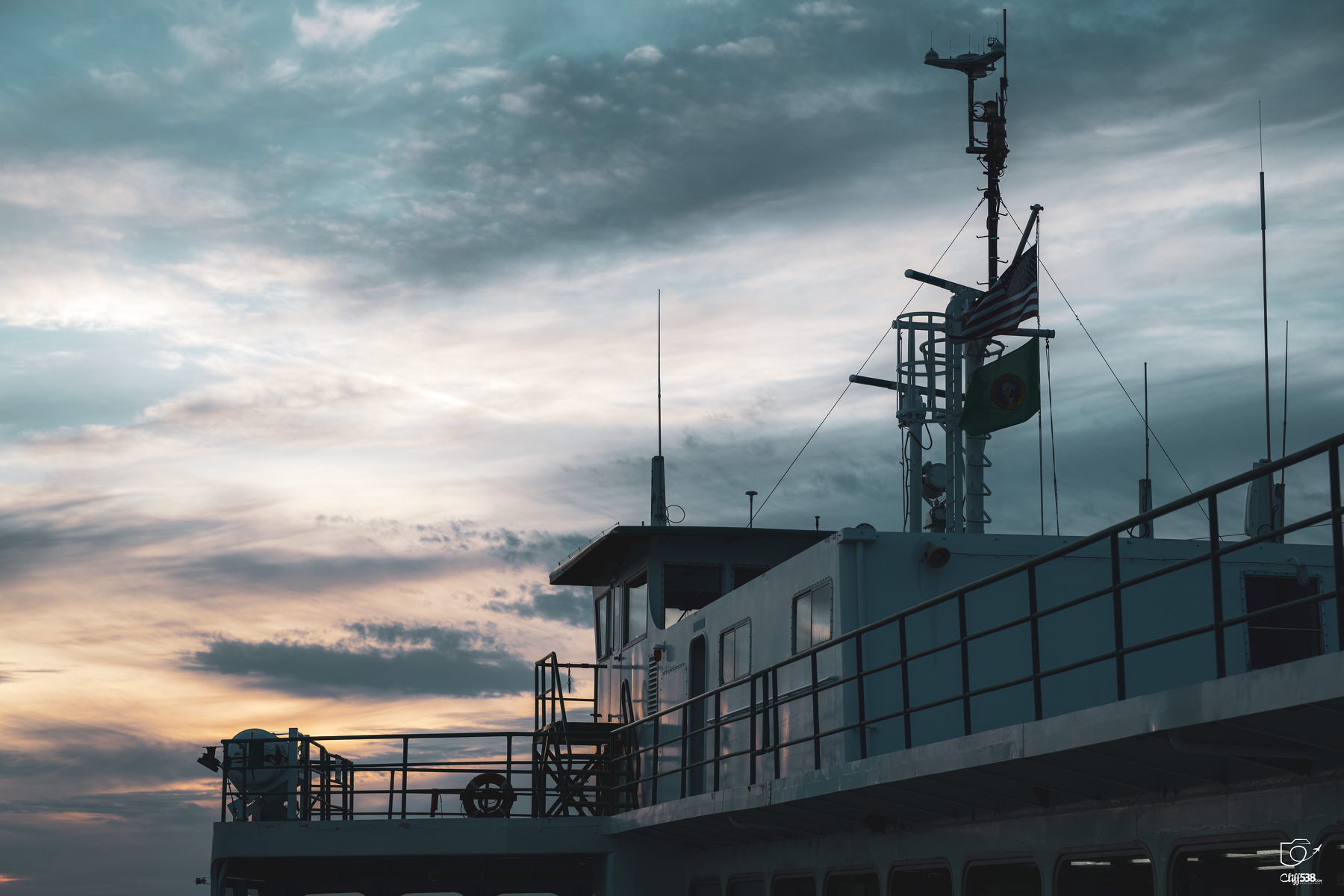
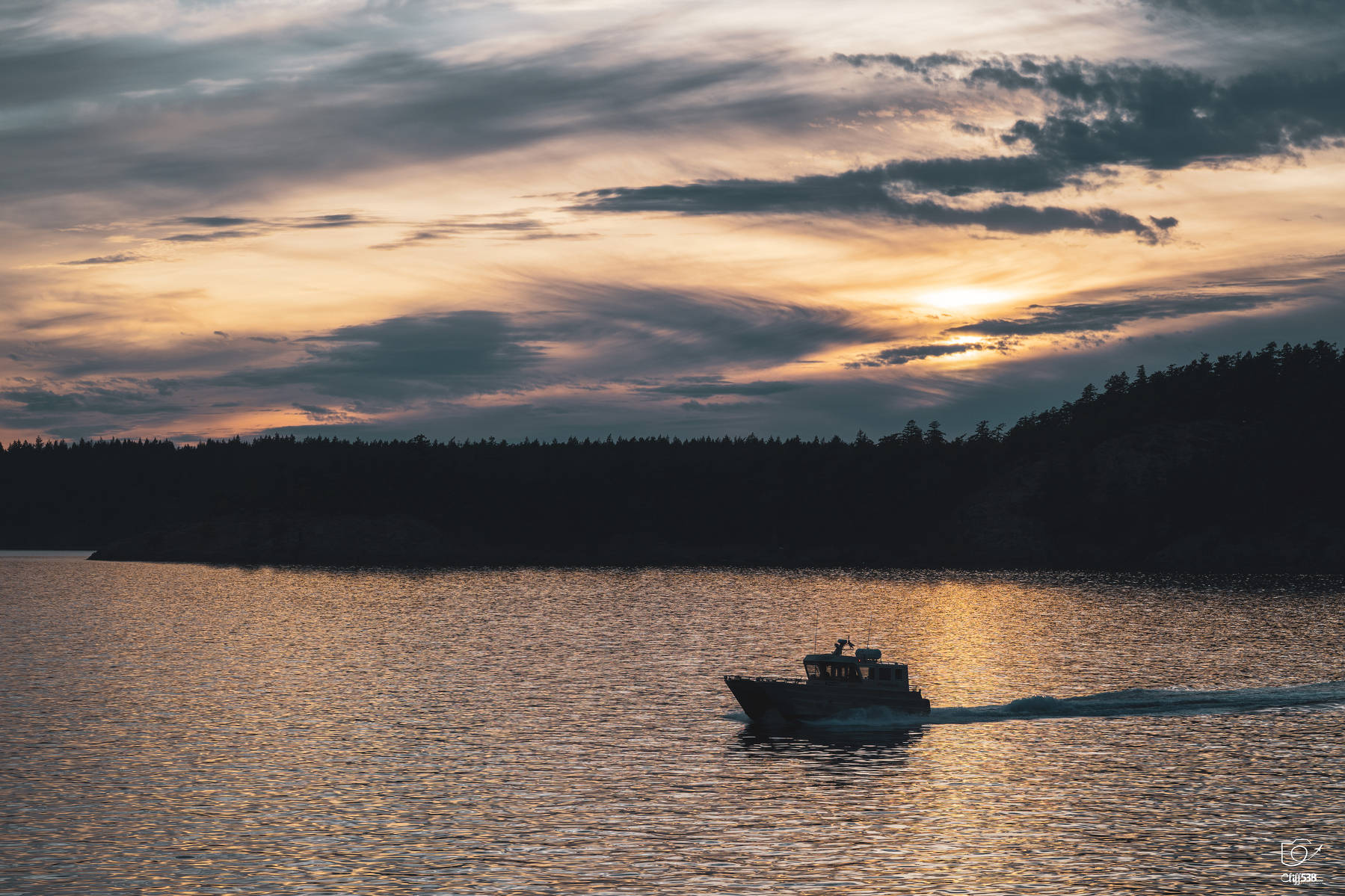
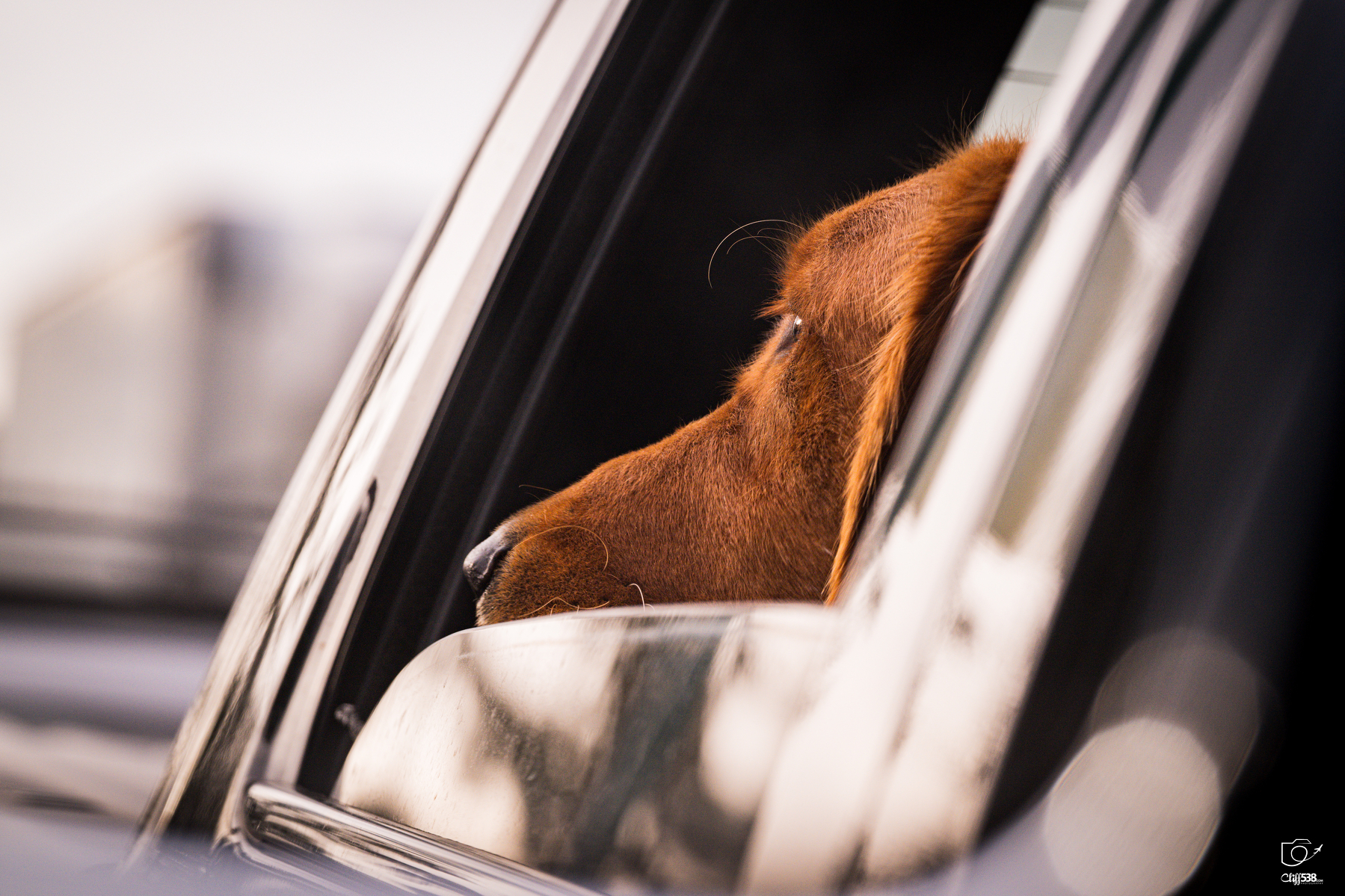
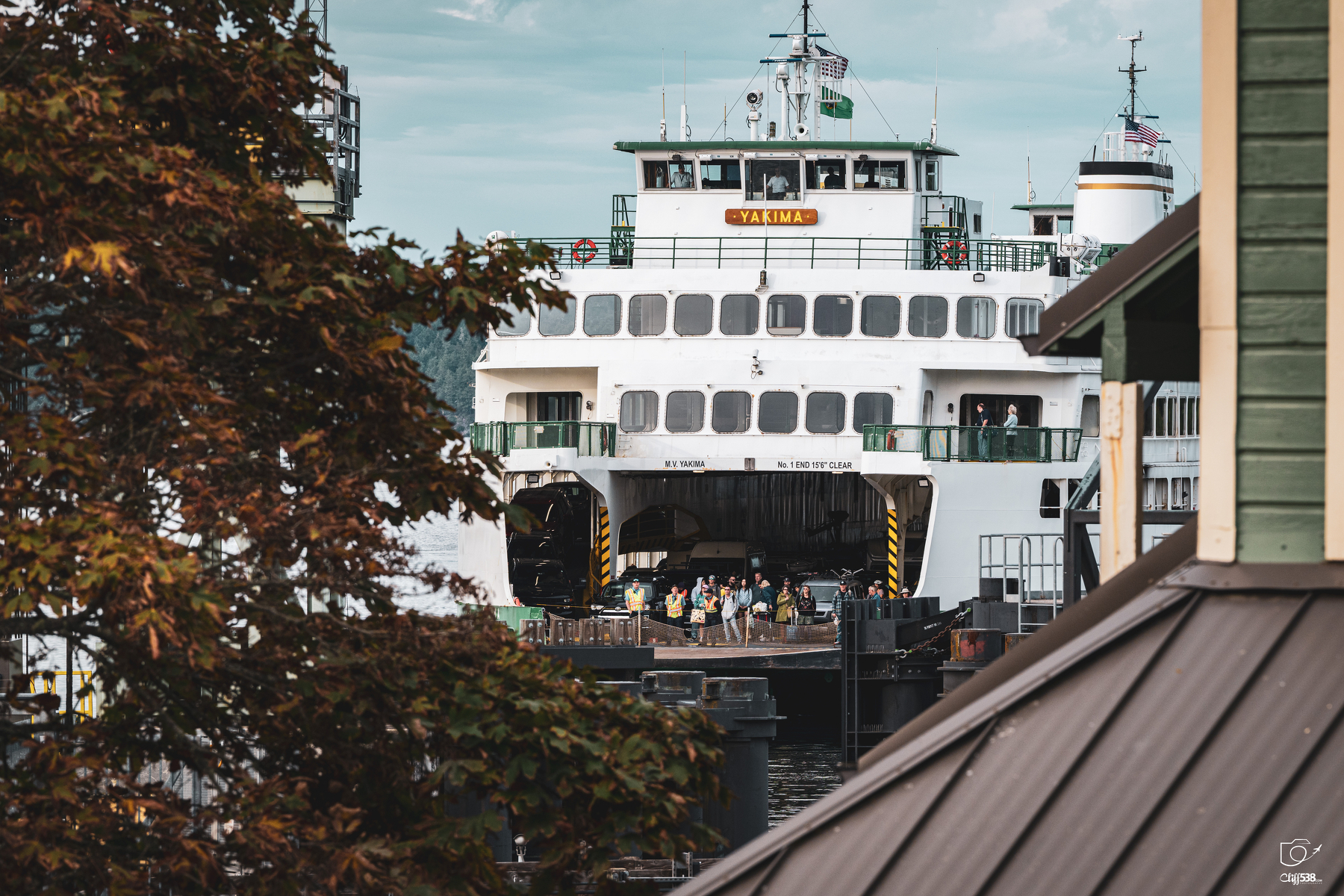
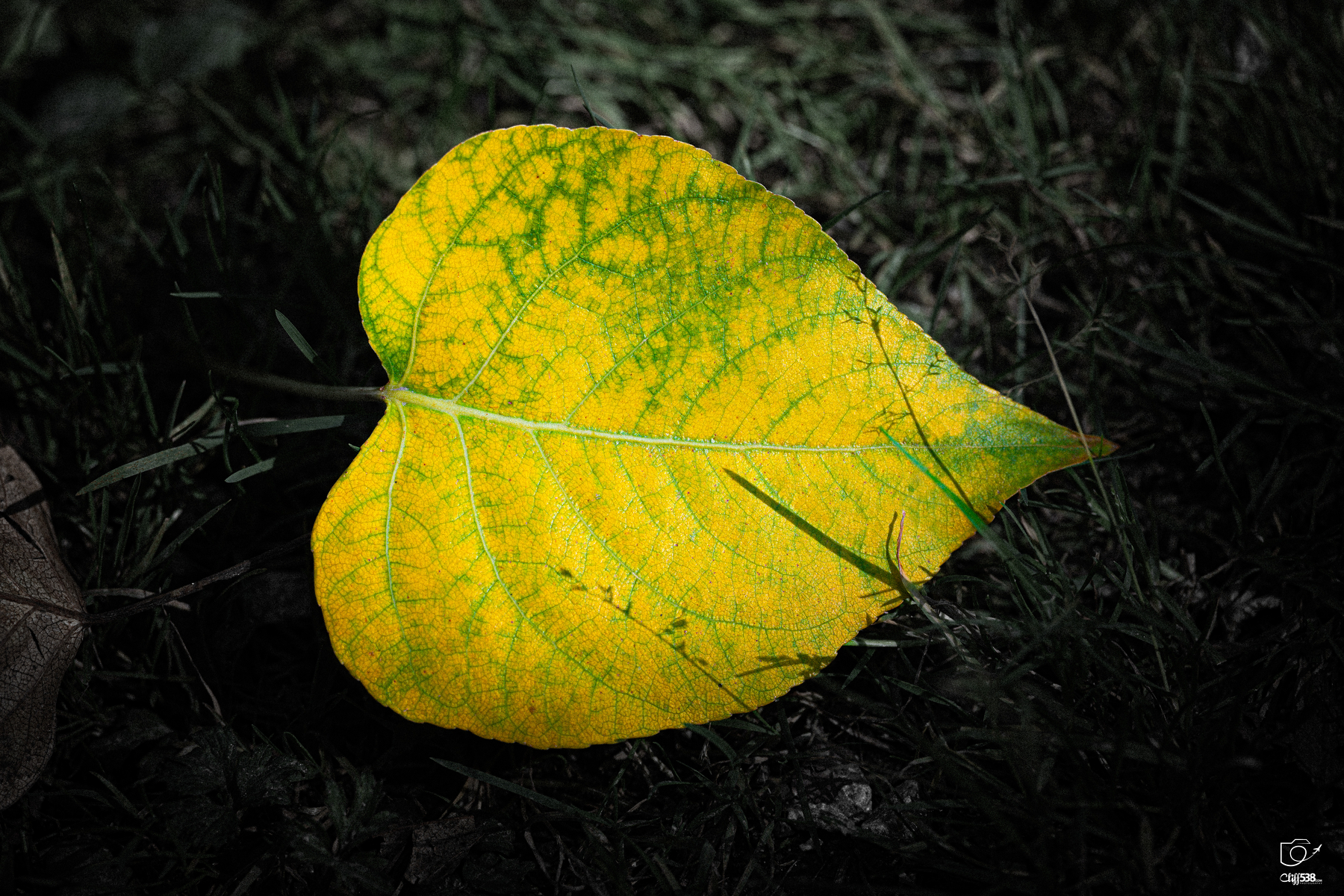
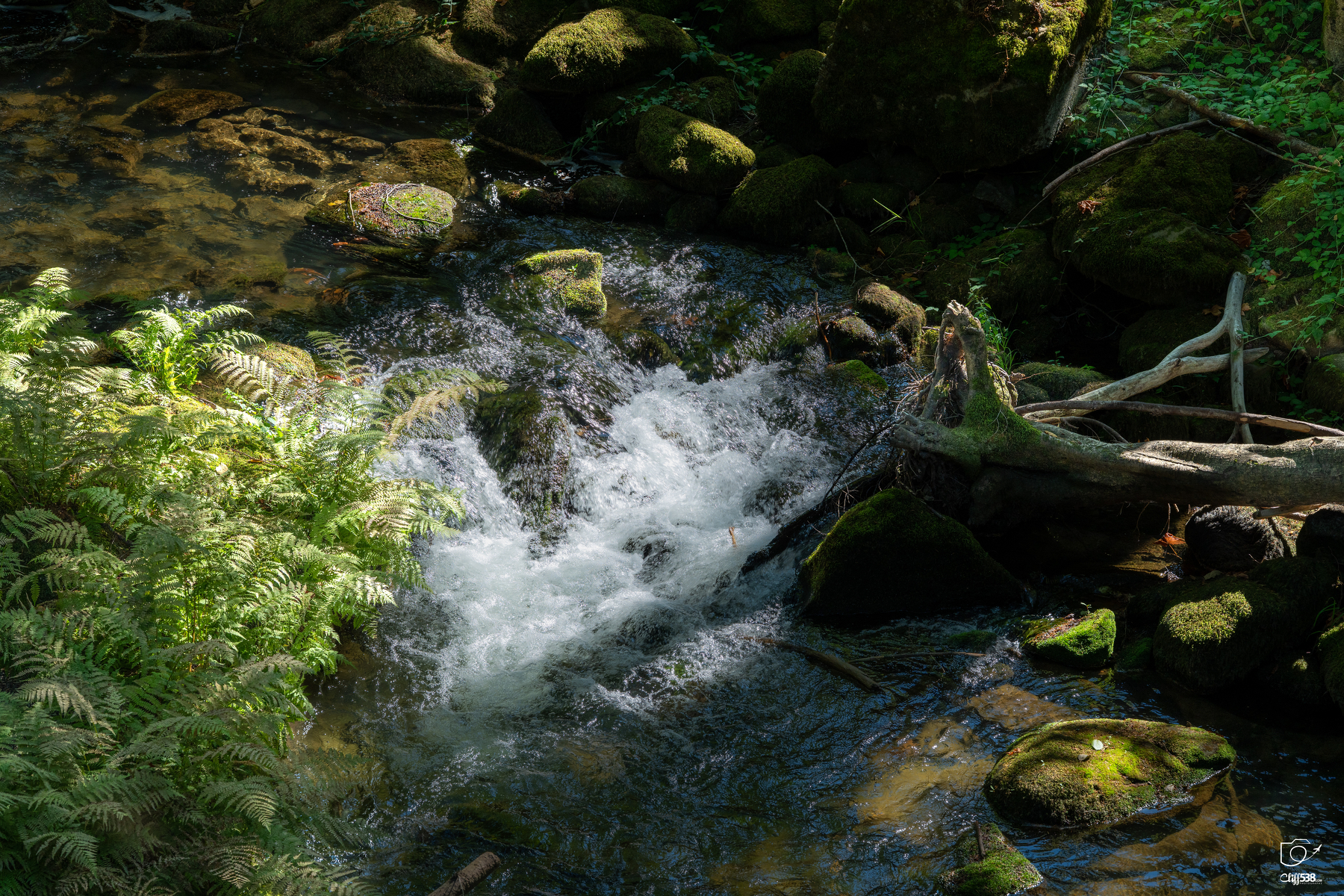
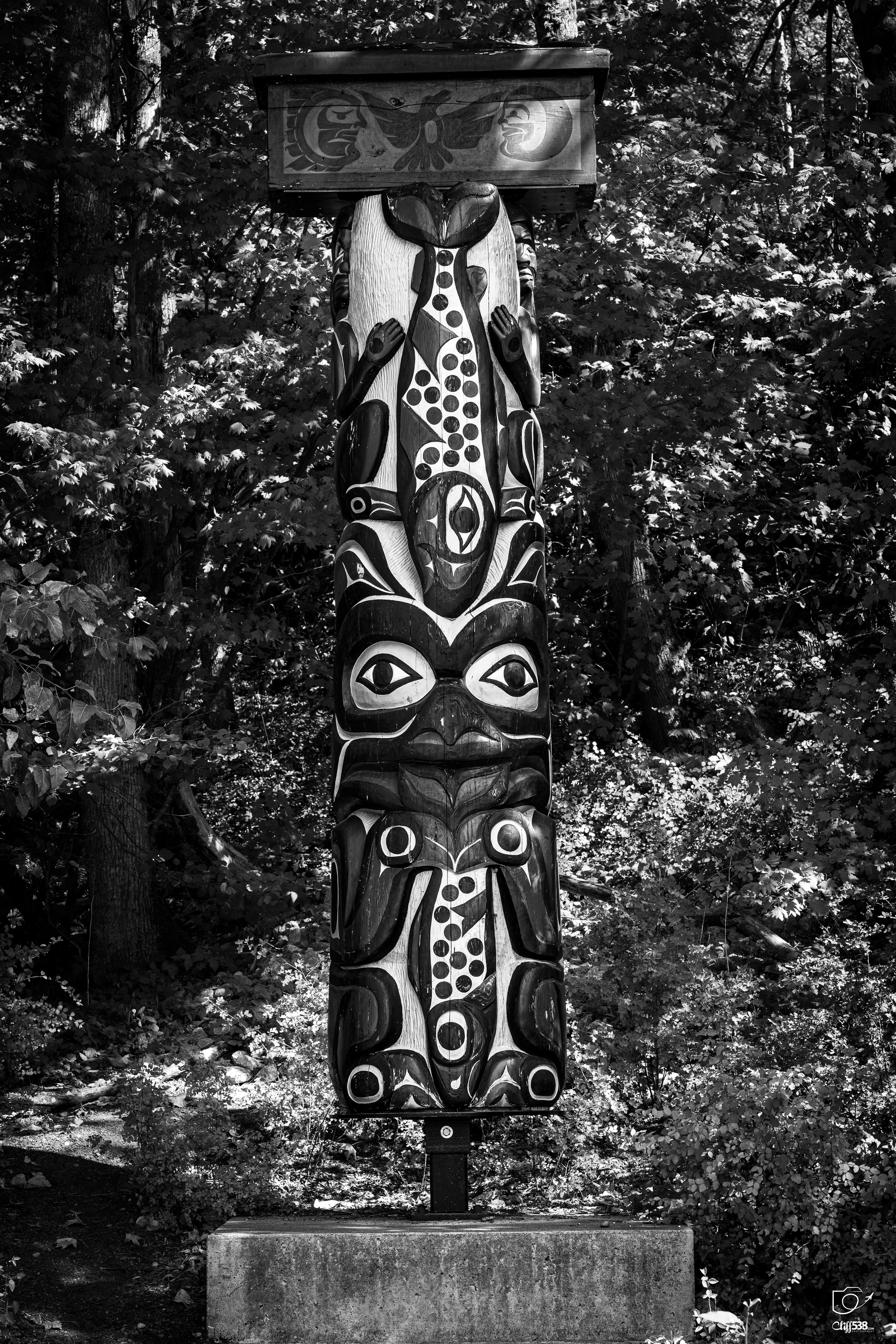
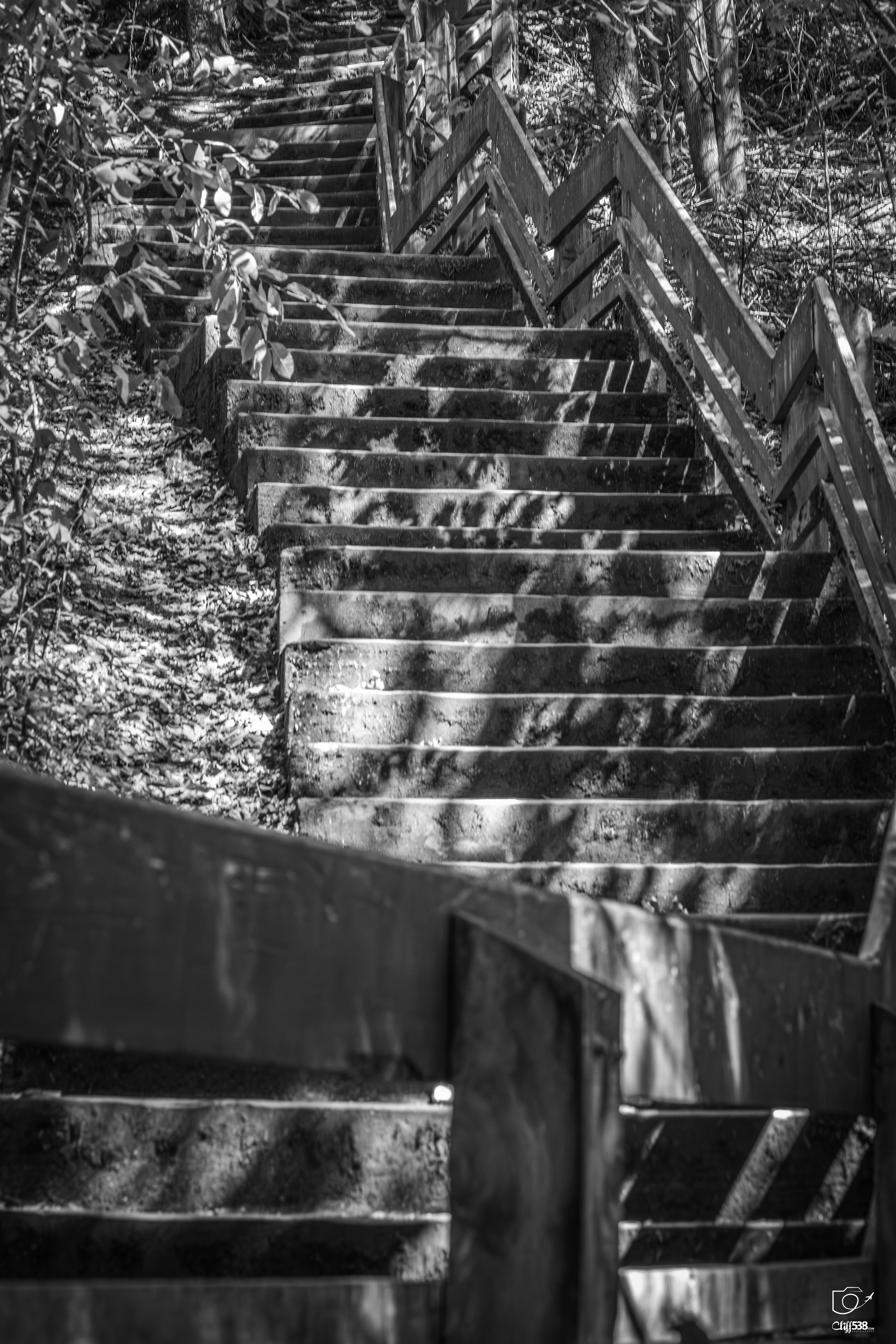
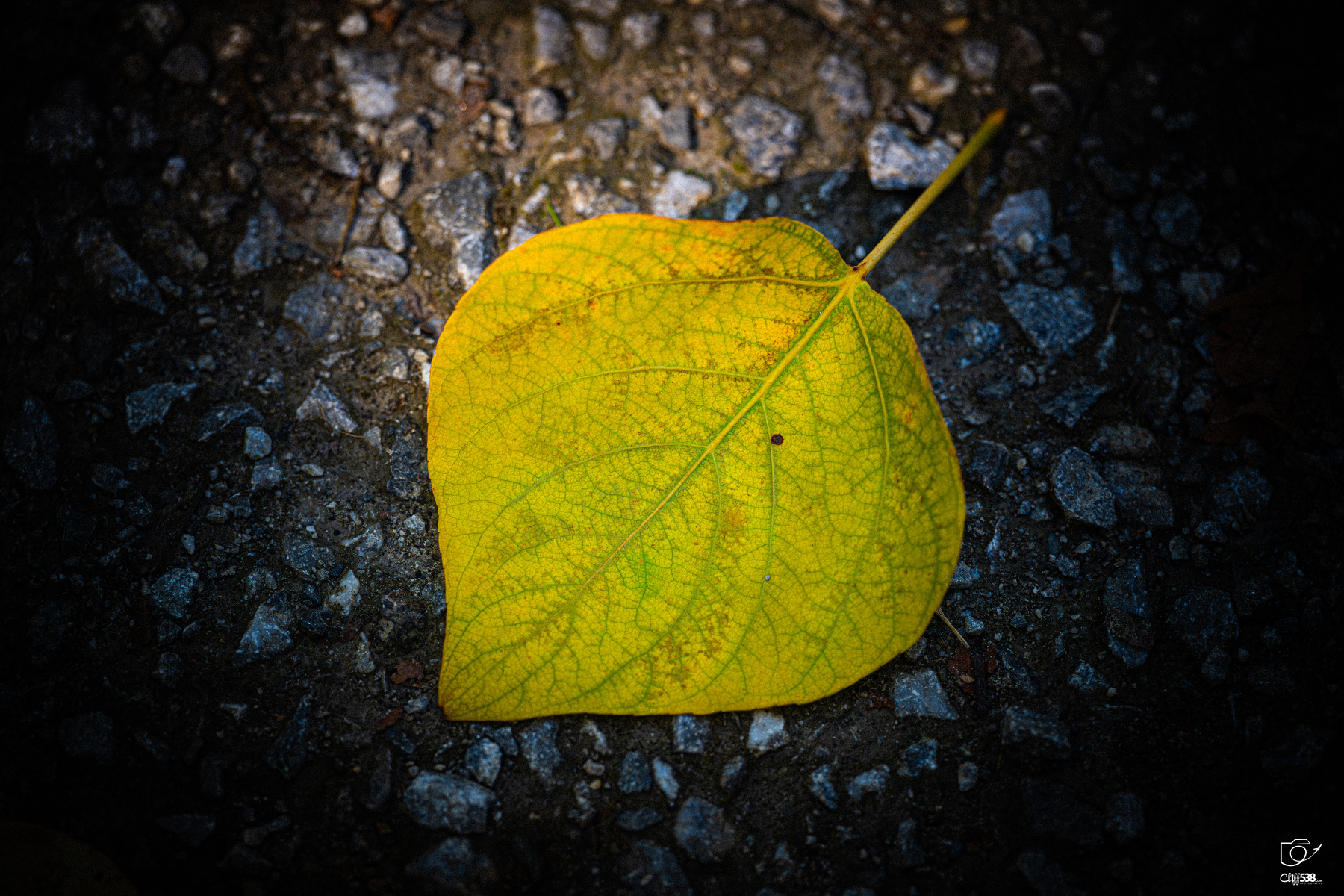
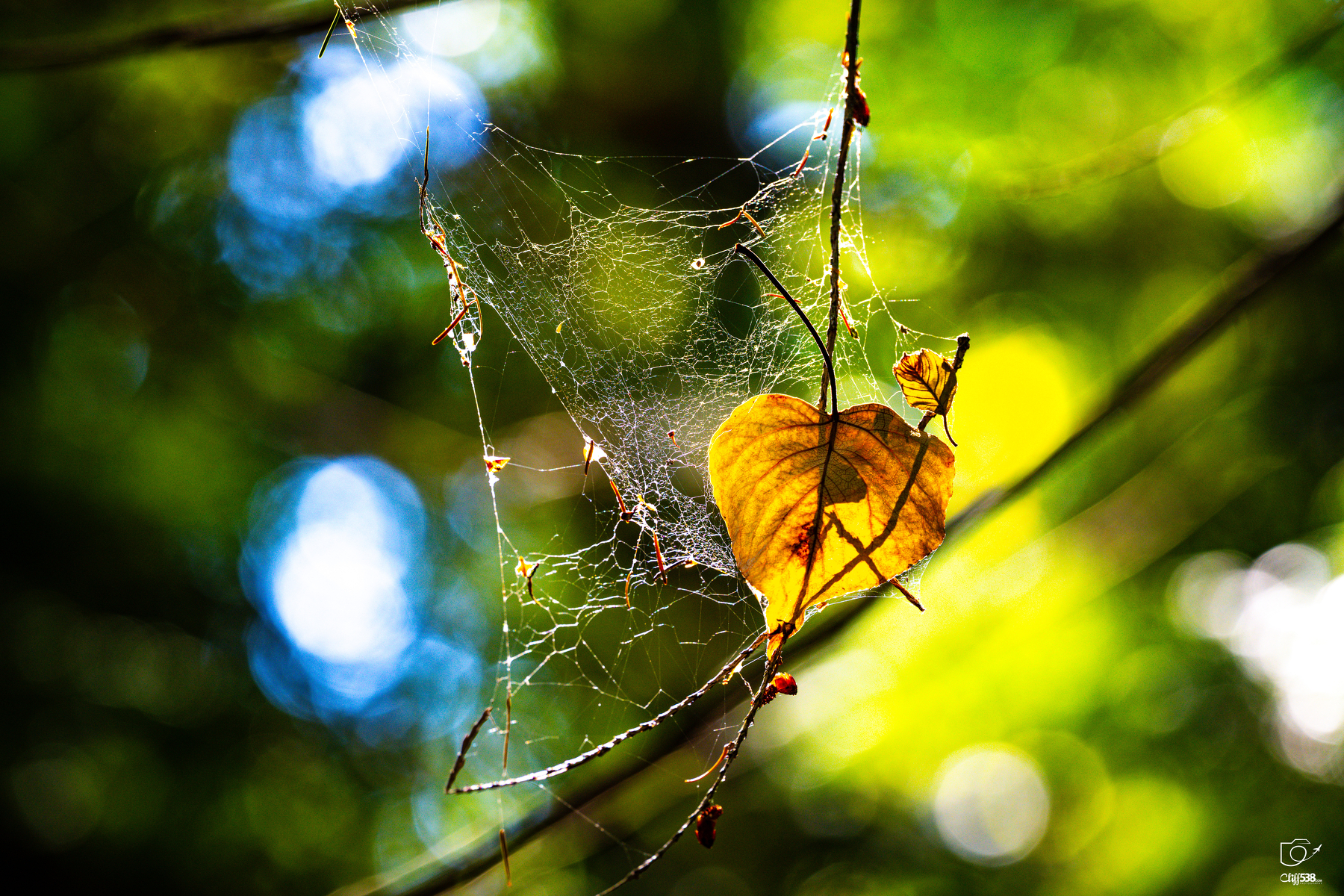
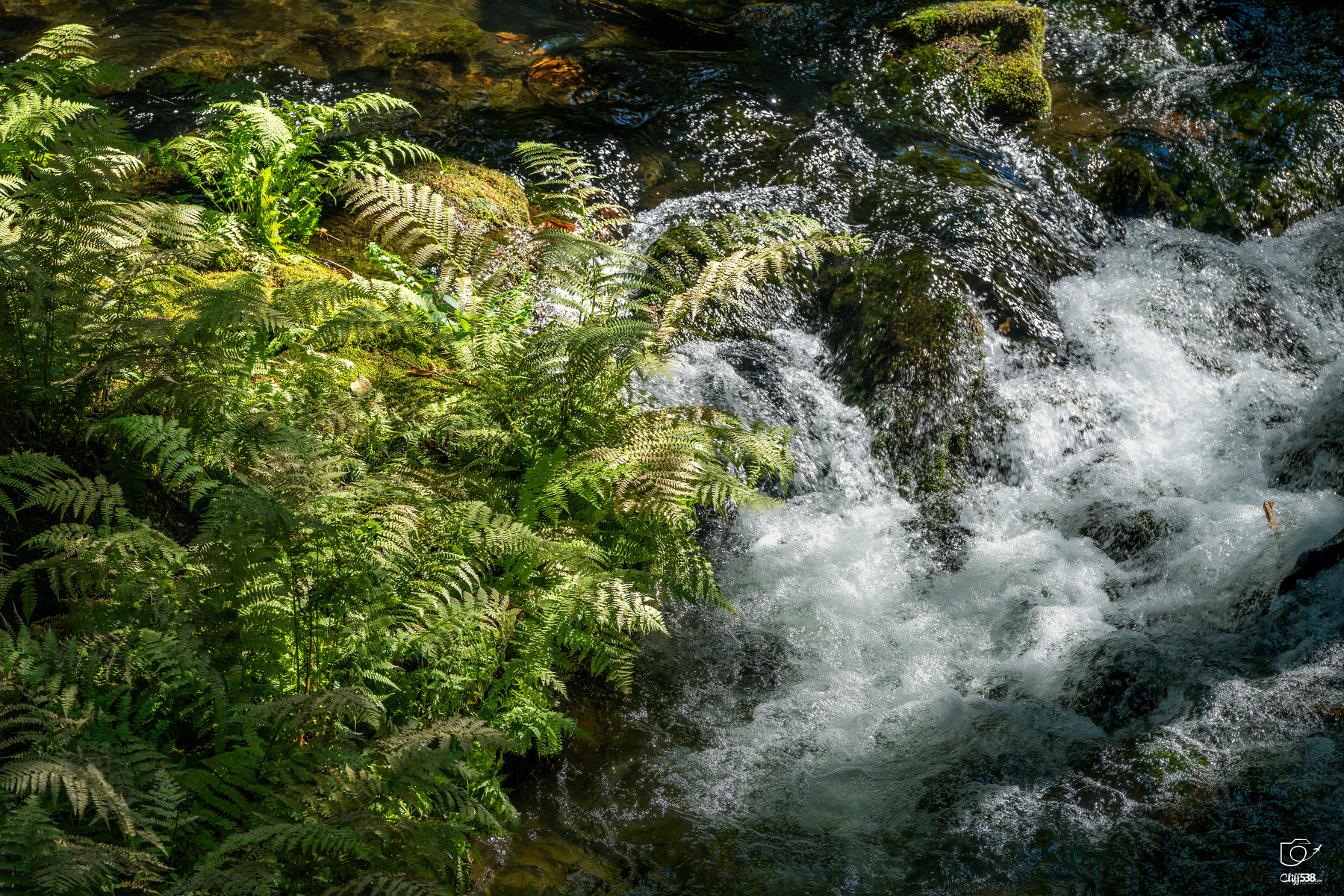
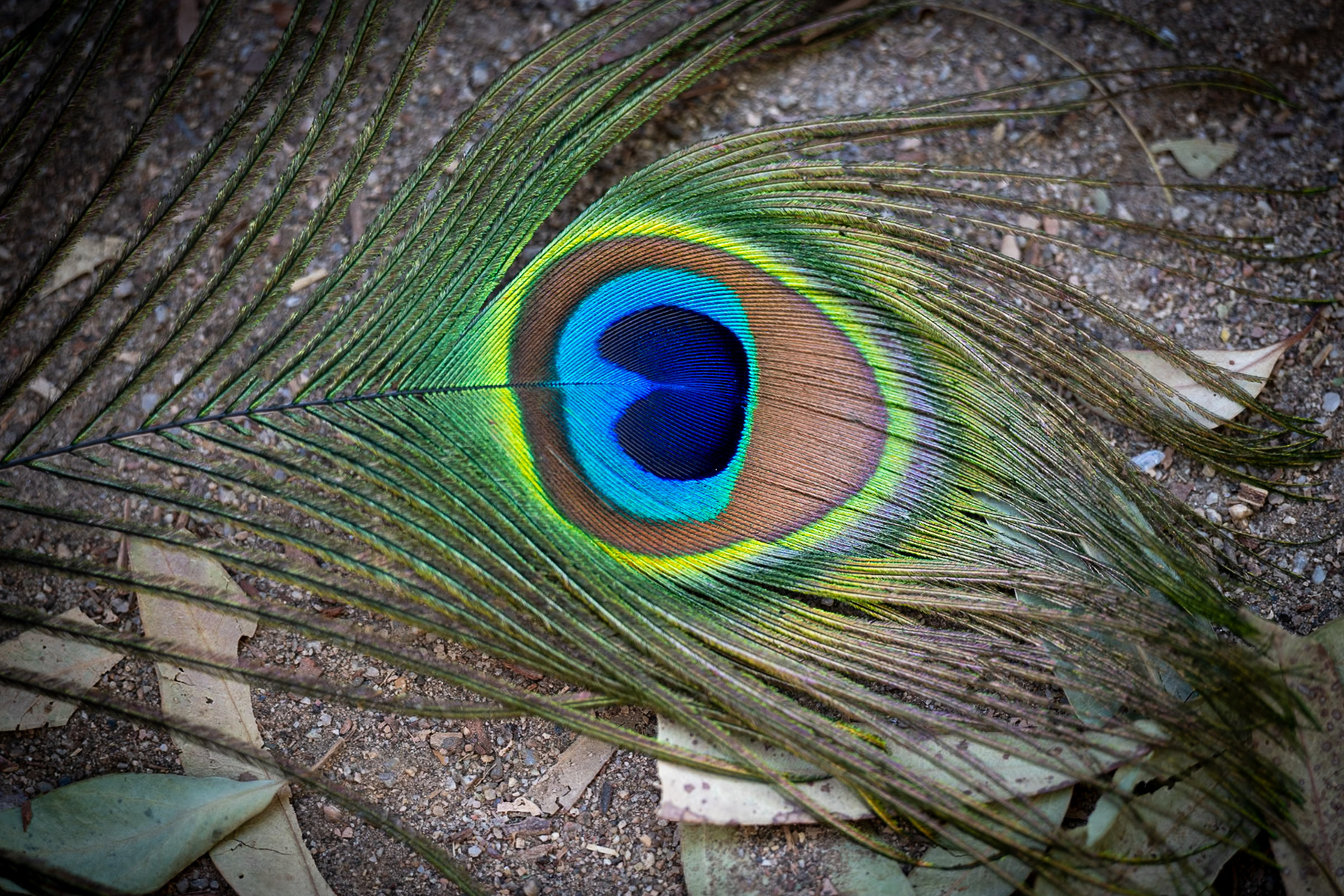
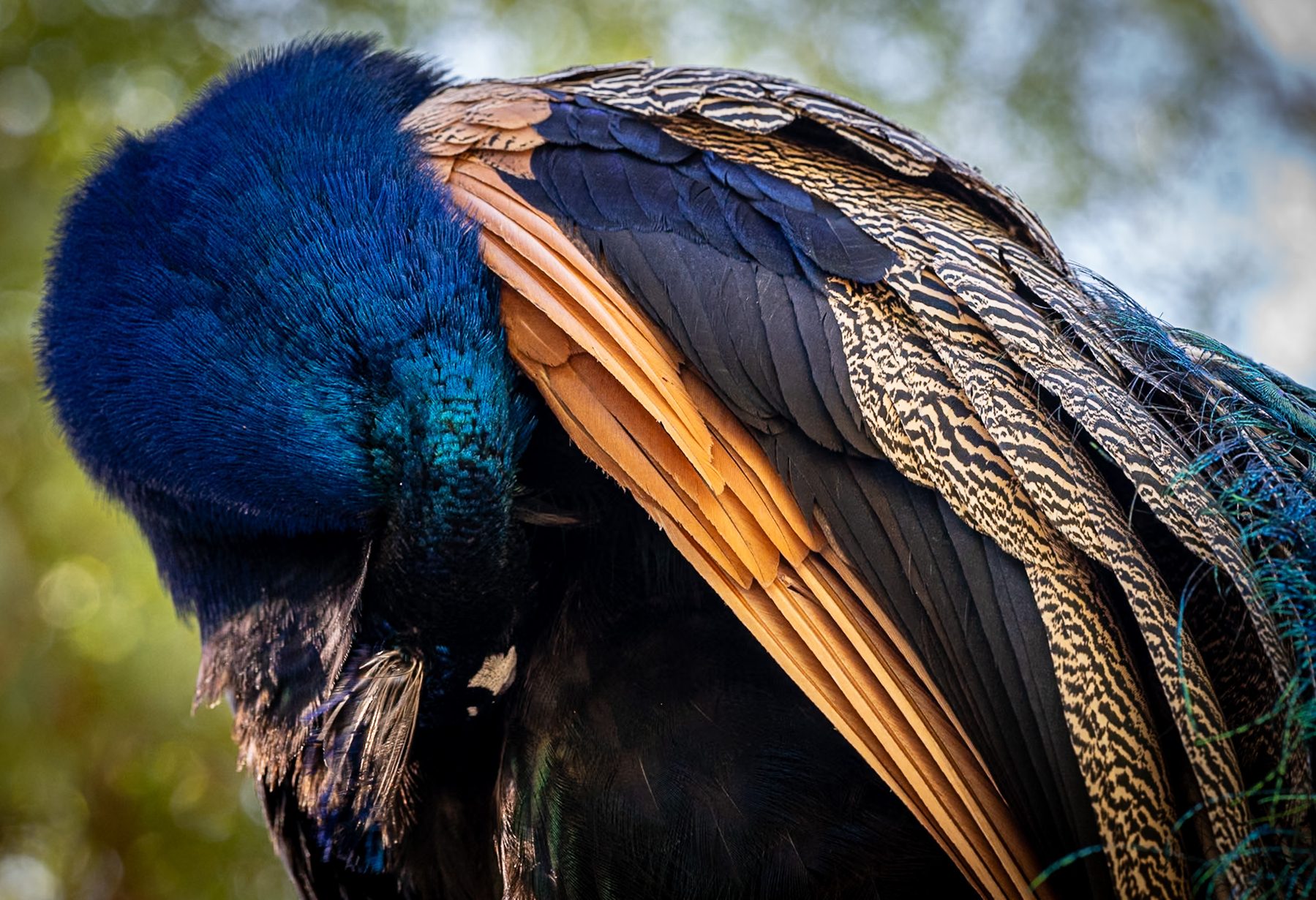
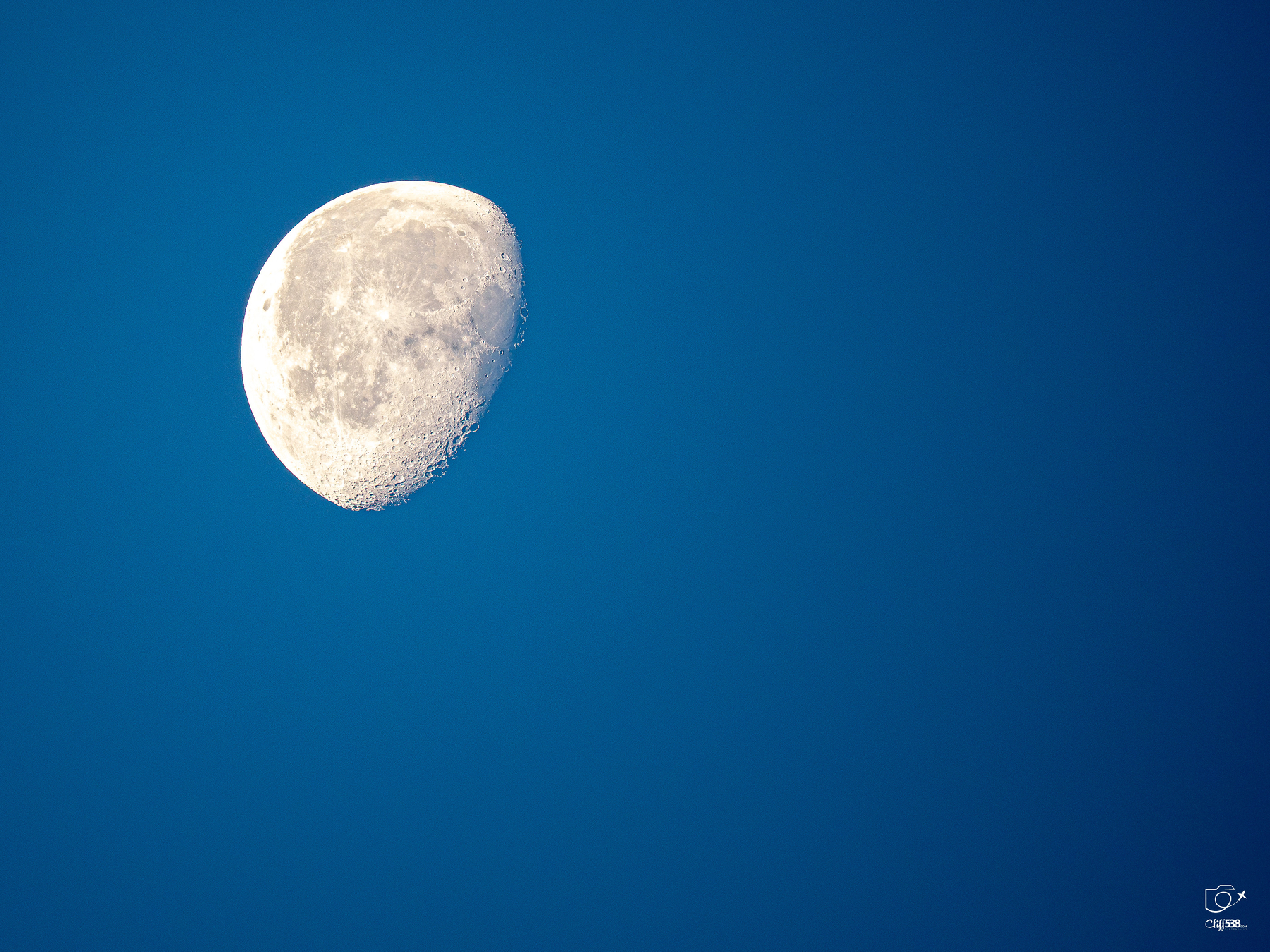
 Nikon Z8 • 500mm • ƒ/13 • 1/500s
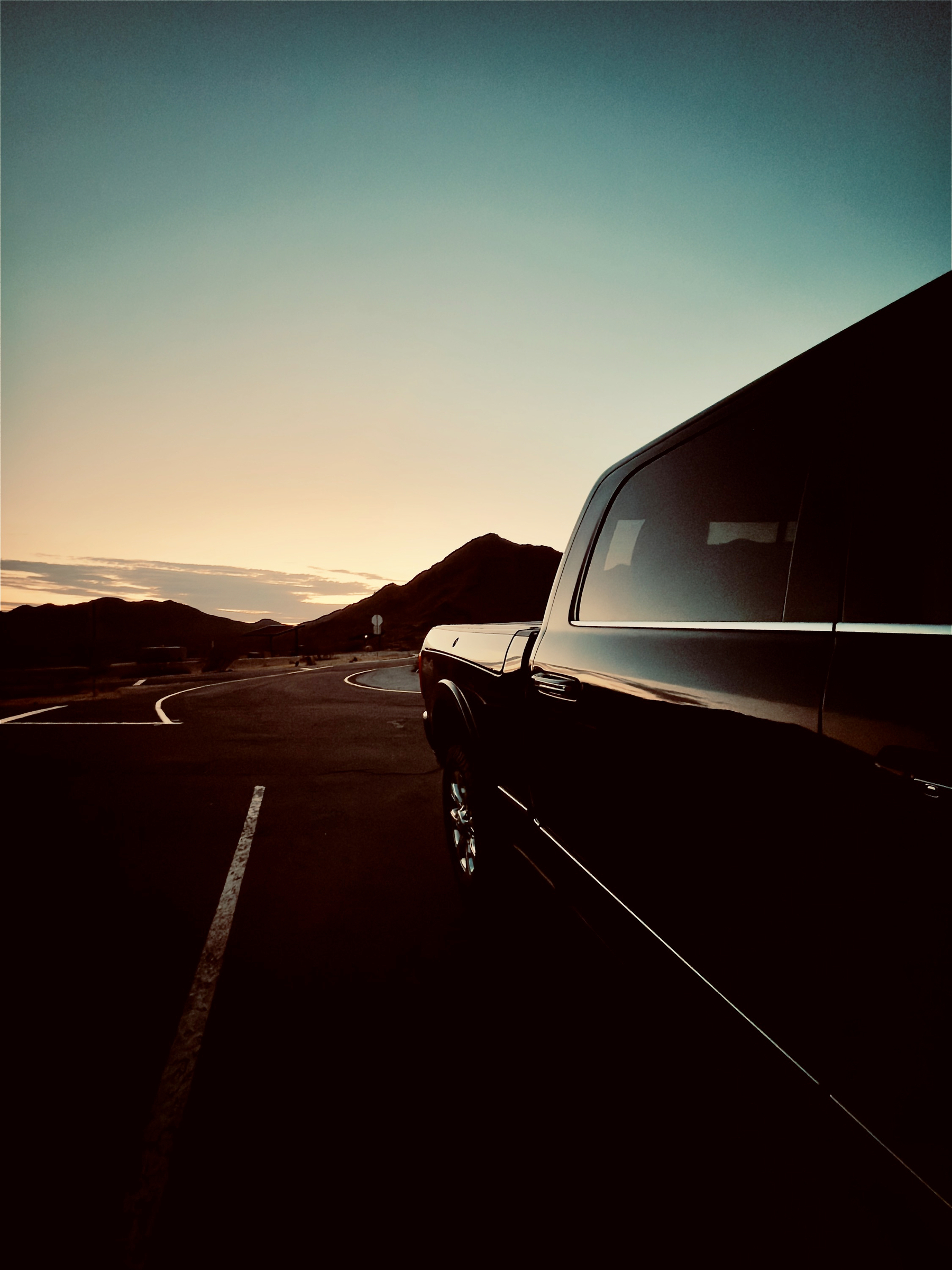
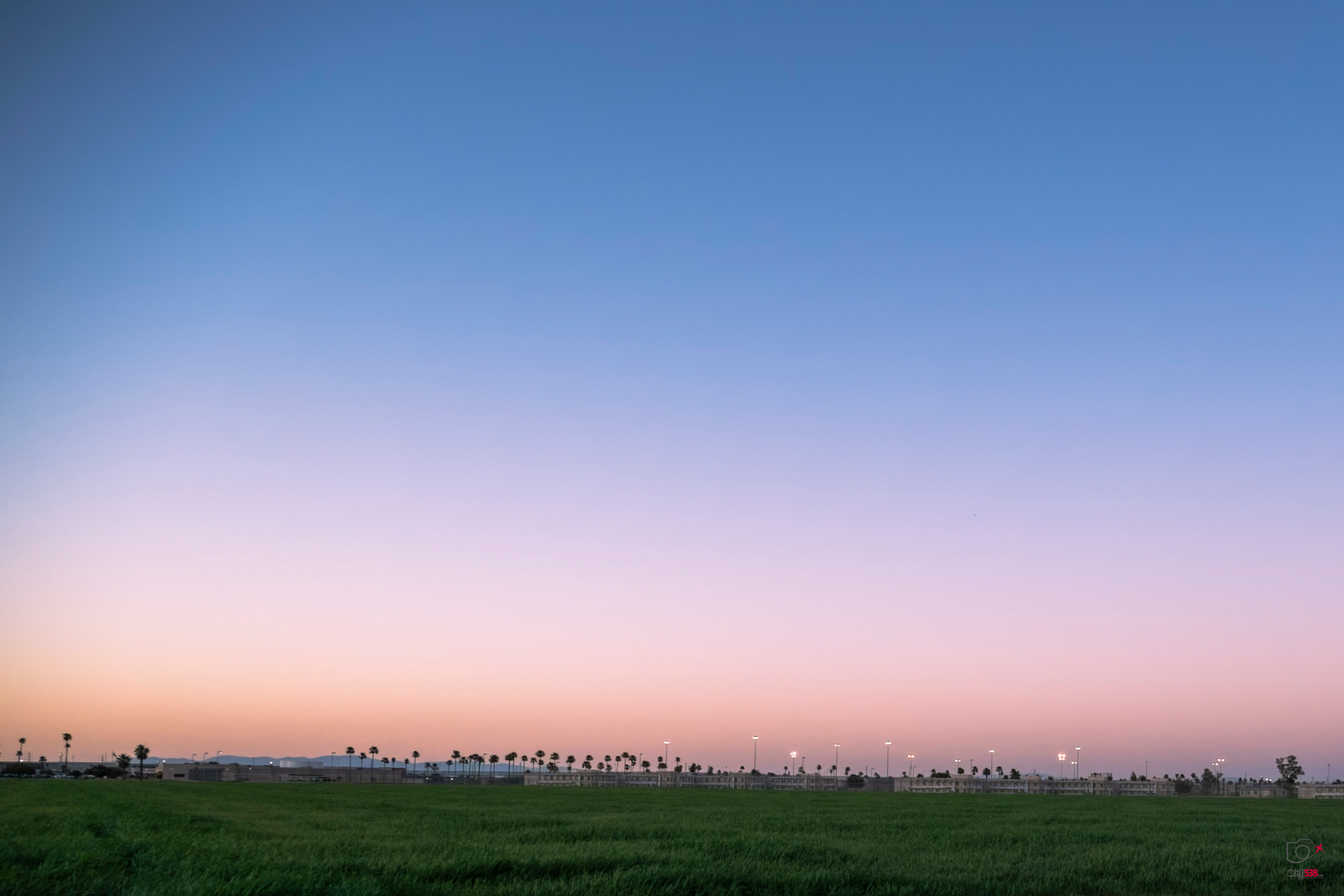 Nikon Z8 • 24mm • ƒ/4.0 • 1/400s • ISO 800