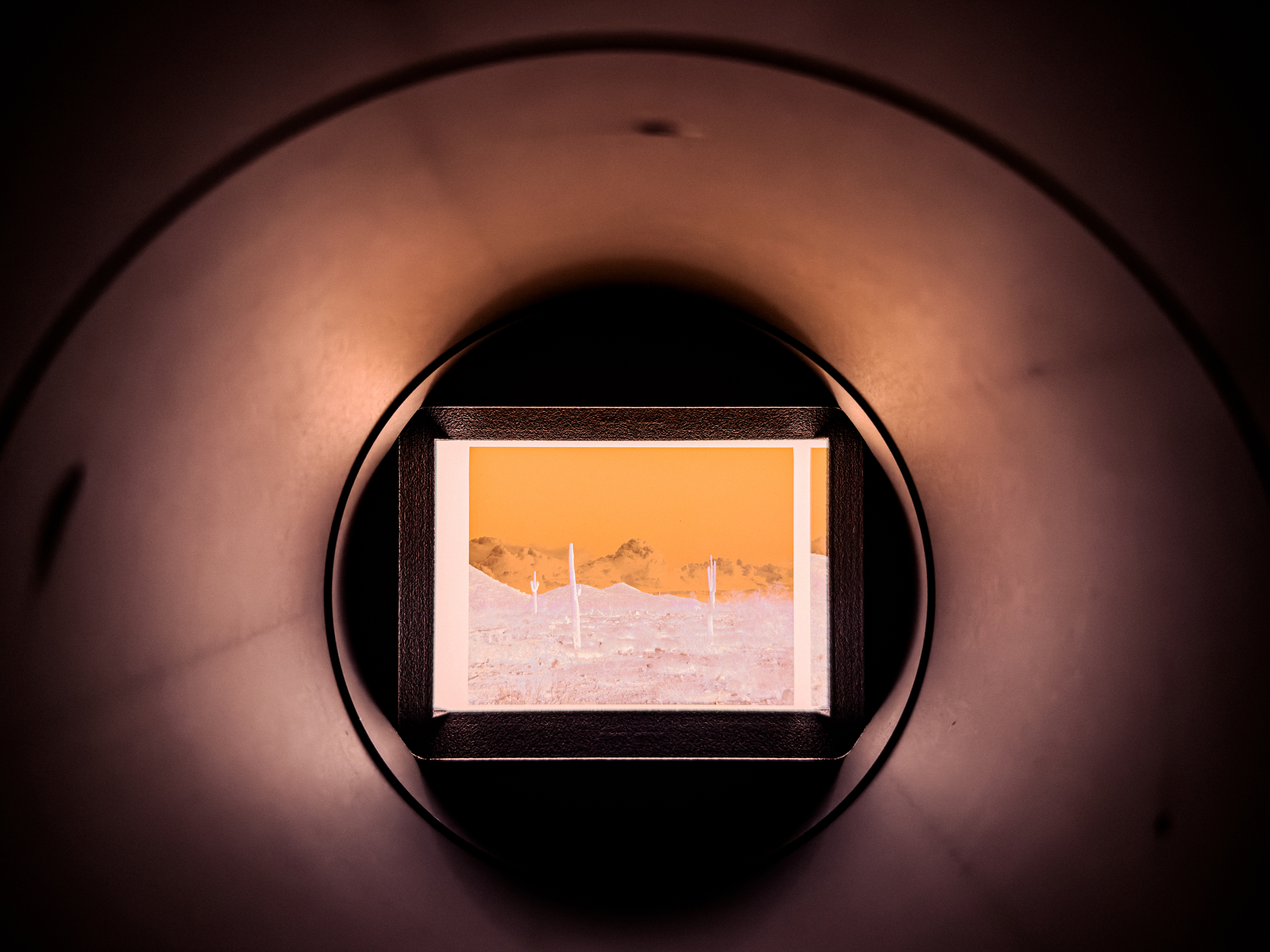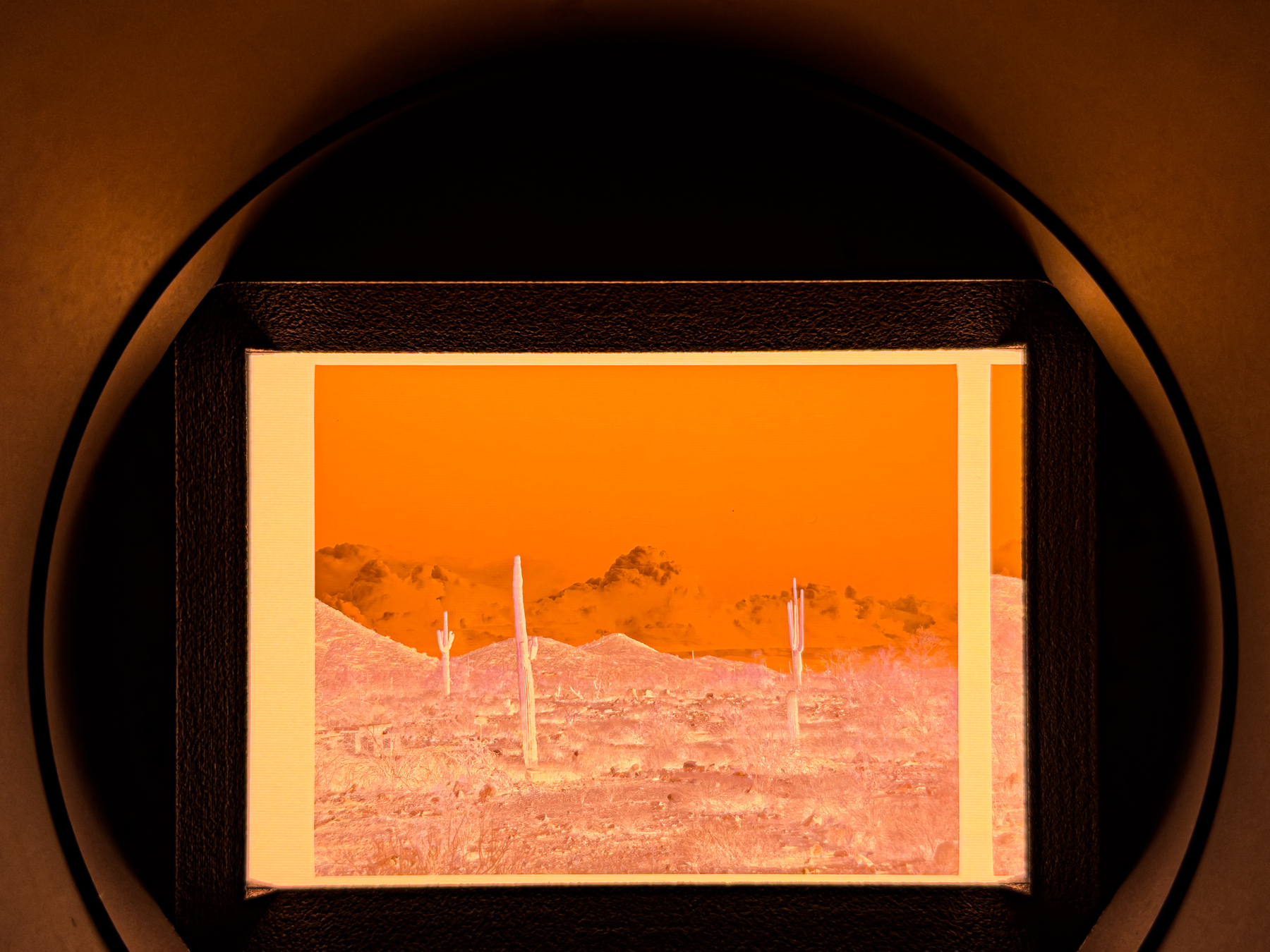
The very slow but steady march toward my film experiment continues with this absolutely beautiful Pentax Analog Spotmeter. I think it’s simply beautiful, and I love bringing it up to my eye, pulling the trigger, and getting my EV.
I grew up shooting and developing film. Trying to think back on how I metered and what techniques I used has left me with very little information—memories lost to time and buried under too many digital cameras. I can’t even remember the basic steps of developing film in the darkroom.
So, here I am with my grandfather’s Rolleiflex, two Pentax Spotmeters, film in the refrigerator, and the BeerPan 35mm pano camera on the way. Now it’s time to refresh those dark arts of film photography…
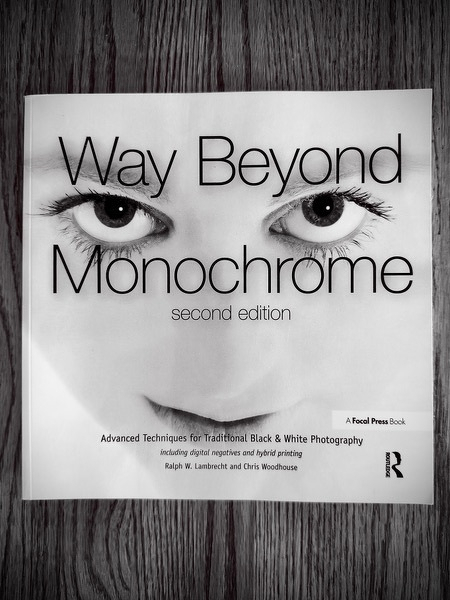
You can read how Ansel Adams did it and come away a little frustrated. There are plenty of videos online that will instruct you, but I was looking for something special—something that spoke to me: an instructor whose photography I deeply admired and who was willing to share their technique. I found Nick Carver. I don’t know Nick; I only recently found him on YouTube and have watched several of his videos. I liked his style, loved his photography, and he just so happens to have a course on manual metering for film. I don’t want the quick-and-dirty approach; I want to truly understand the hows and whys of it all, like I used to. Nick has put me on a good path toward understanding how to meter a photograph so it comes out right almost every time. With the cost of film and film developing, I don’t want to waste film learning the hard way.
Along with Nick, and with some very good courses from John Greengo, the lost knowledge is coming back. You know—the 18% gray card, the light meter that shows 0, meaning Middle Gray. The technique of shooting white and black cards at one-stop intervals until you lose detail, searching for your film’s dynamic range. Wonderful examples proving that light meters at zero are based on Middle Gray. The rule that says there is no “proper” or “right” exposure—only the exposure you want for that photograph. There is more to it than I remembered, but probably, back in high school, I wasn’t as interested in the deeper whys and hows. I am now.
The experiment continues with more learning. I haven’t even started figuring out how to get my negatives into the computer—scanning them, taking pictures of them—I have no idea. Then it’s out to the field for my first film shots in 30 years. I’m in no hurry; this is a journey that I’m enjoying every step of.
It’s fun. I love the process. I love learning. I love photography.
Let me leave you with the Filmomat (I got the link from Hiro’s newsletter). I watched the video, marveled at the technology, but started to think, “How much does this thing cost?” Well, check it out. I won’t be buying one 😂.
What a day. The alarm went off at 3 A.M. Dallas time, which is 1 A.M. local time for me. Talk about painful. I was main-lining coffee until I was vibrating. Good day in the training center, then a completely full flight home. I’m still amazed that everyone is still flying. Planes are packed. Which, on the bright side, is good for my job. (but, I’m still going to complain, it would be nice to have center seats open…)
Ok, the 10-year-old boy in me had to ask the internet if the Blue Dasher had a long penis, hence its scientific name. Well, it turns out my Latin is just really rusty. Longi is Latin for long, and Pennis is winged/feathered. Talk about a let down 😆
Today’s pictures are dedicated to him. I took them yesterday—Richard’s last day, at least here on Earth. These pictures are for him. Richard may have commented on one or two of them on Flickr. I will miss that.
I will never forget Richard. I did not know him for very long, but he was such an amazing human being—so kind, so talented. Richard was a husband, father, grandfather, teacher, artist, woodworker, photographer, and so much more—a wonderful photographer with a unique style. He had many art shows featuring his work, and I was lucky enough to see a few of them.
We lived close to each other and consulted on projects from time to time. We texted and communicated on Flickr. Richard loved Flickr and had so many Flickr friends.
You will be greatly missed, my friend. You made me a better human. You gave me so many creative ideas and inspired me.
Wherever you are, my friend, take some pictures and send them to me…
Pretty skinny day on the photo front. Got up this morning at 1 am my time. Overnighting East of home is hard on the body. Hard to be creative when you’re this rummy tired.
Well, the mini-vacation and all the extra time for shooting pictures have come to a close. Long day back at work, short overnight to do it all again tomorrow. Couldn’t ask for a nicer place to spend 10 hours, though.
Pictures are from yesterday, hopefully you can forgive me!
You know, I persevered yesterday with the “Bone Leveler” and “Tissue Puncturer” after all!
I experimented with some new denoising software and was pretty happy with the results. Most of the time, it was a toss-up between DxO and Topaz Photo, but maybe more often than not, Topaz came out on top. I almost think Topaz comes out on top with their sharpening more than the denoise.
I can’t help but think how much better things would be if I could shoot these with the Nikon. At the very least, they wouldn’t be anywhere this noisy, and I’d have some more shadow recovery. You can see a couple of Nikon Full Frame Hummingbird shots down in Stray Pixels to compare. I didn’t even have to denoise on those shots, and I think they look much better than the OM shots.
You know what this means, don’t you? I need the Nikon Z8. Just Say’n.
Click for Stray Pixels
Nikon Full Frame Shot. No denoise. Nikon Full Frame Shot. No denoise.
Tough day at the dentist, you can see the “Bone Levelers” in Stray Pixels below. Glad I didn’t look until after it was done. Never fun.
Being numb and lethargic gave me a good chance to shoot/edit pictures, nothing spectacular; the lighting was all wrong for really good shots. Don’t pixel-peep, because there is heavy shadow/highlight recovery and denoising going on!
Take time to sit by little streams and simply watch. It’s good for the soul.
I sat here for over an hour, just observing—the sun on my face, the birds and insects moving about, the water flowing, one little trout holding steady in the current. It was glorious.
Click for Stray Pixels
Maybe this is what Walt Whitman meant by Leaves of Grass.