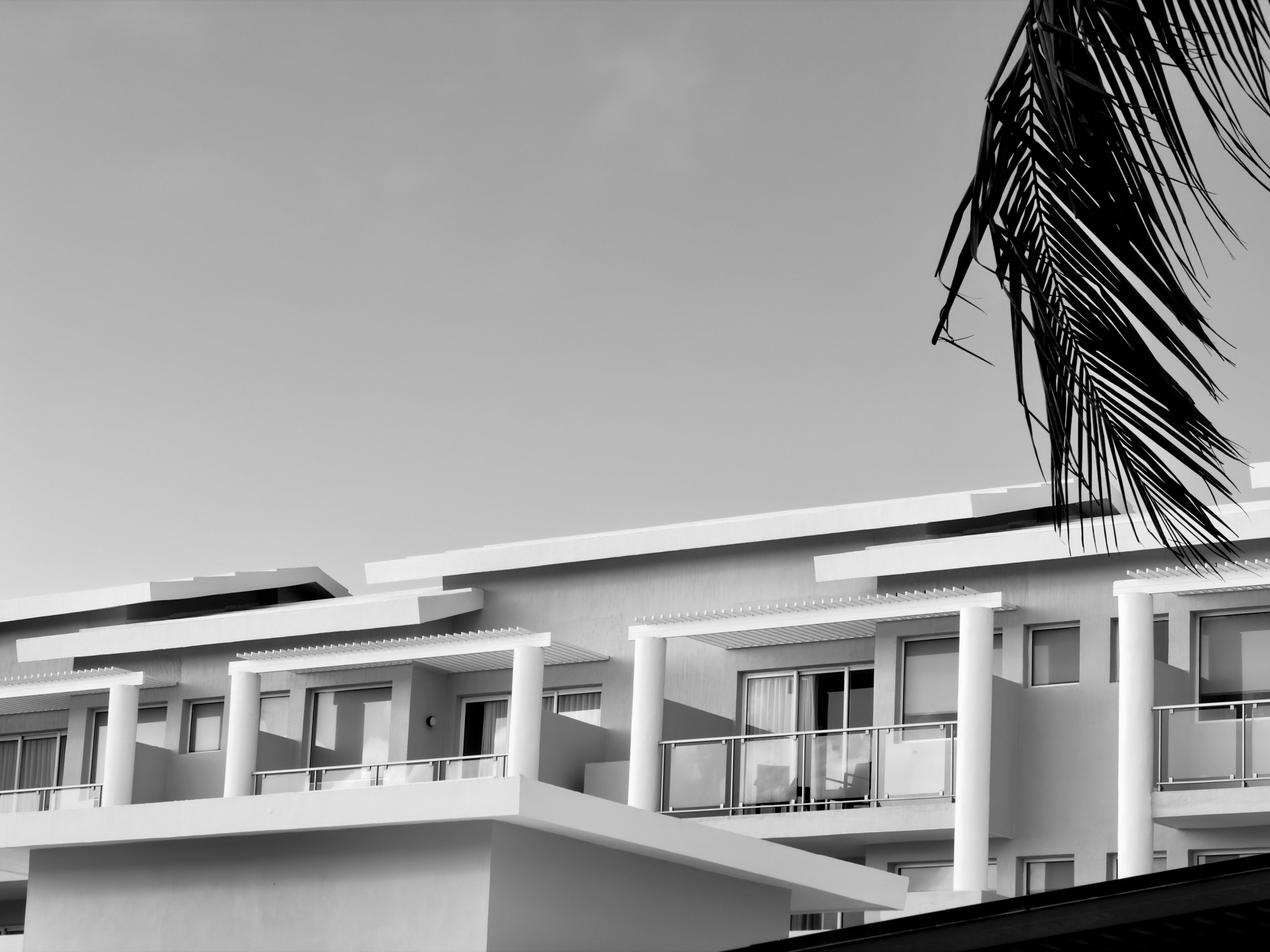
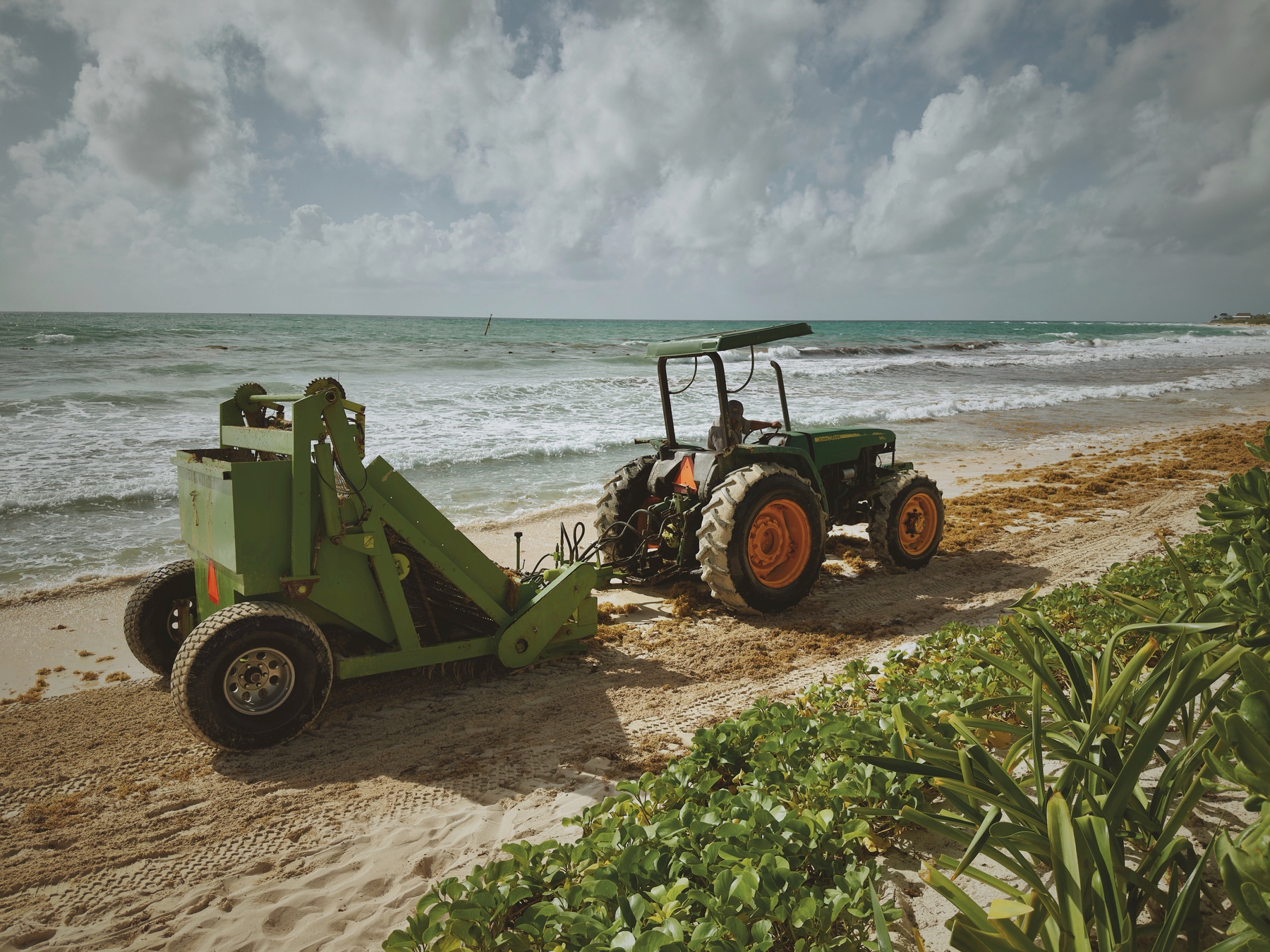
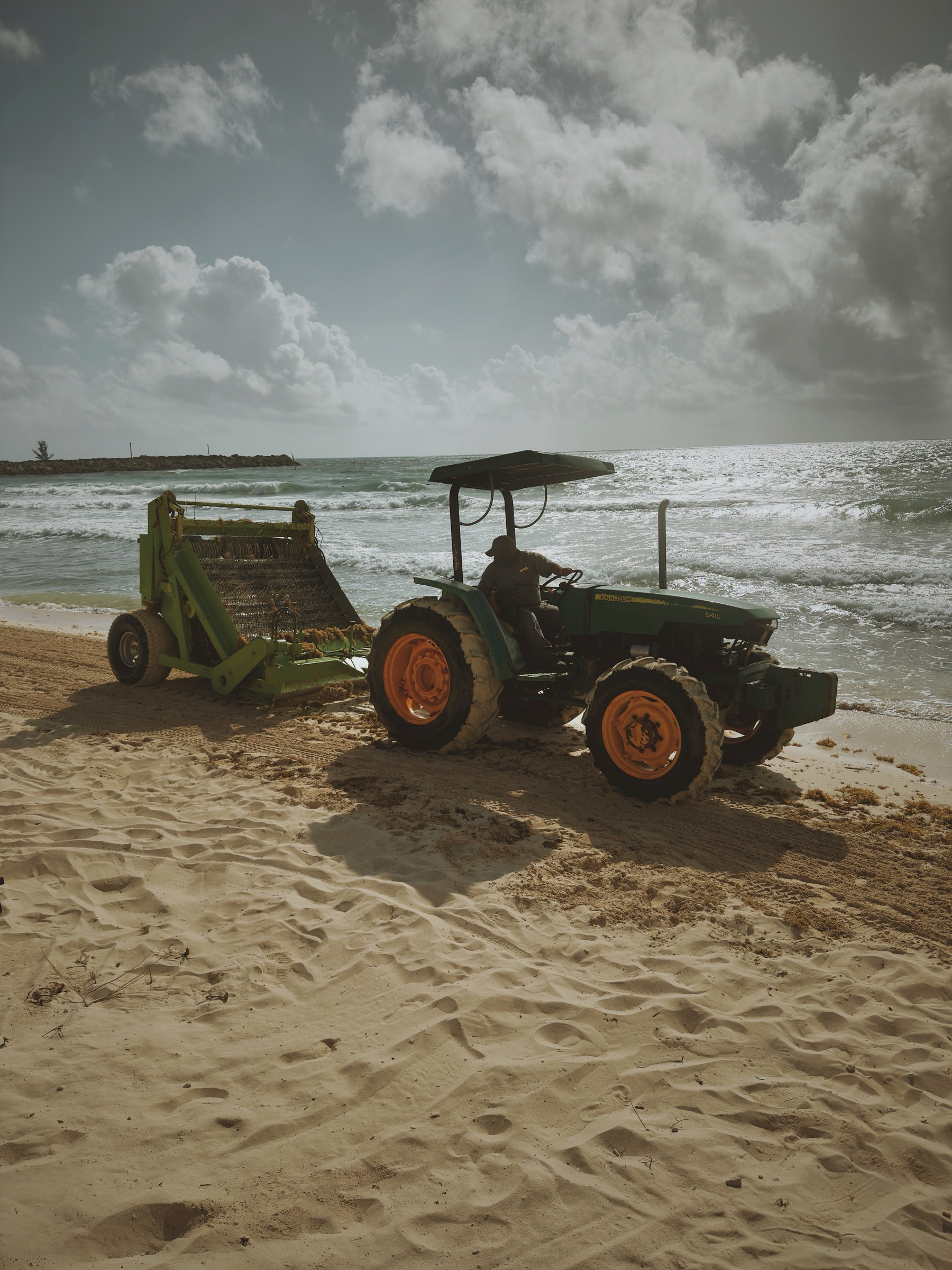
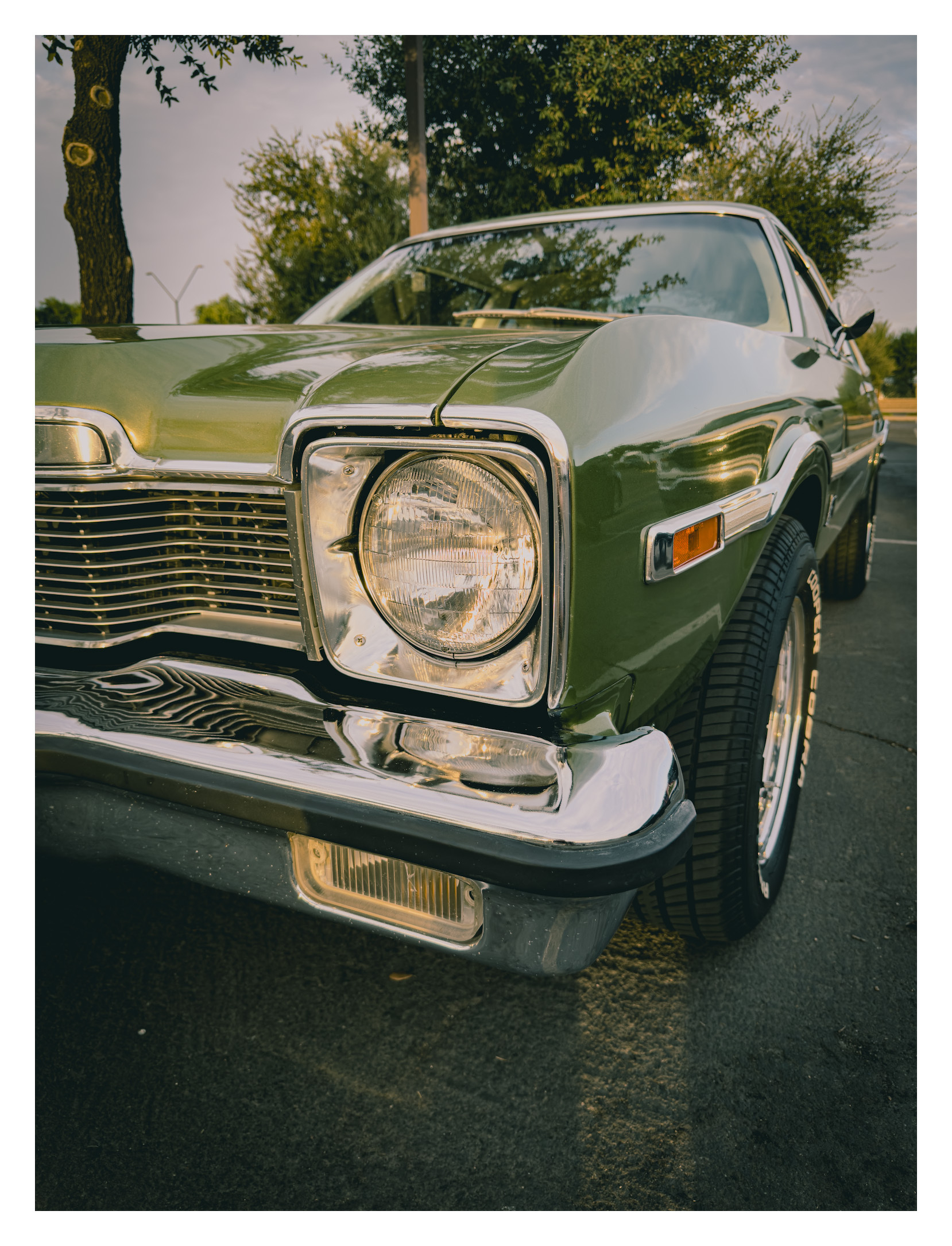
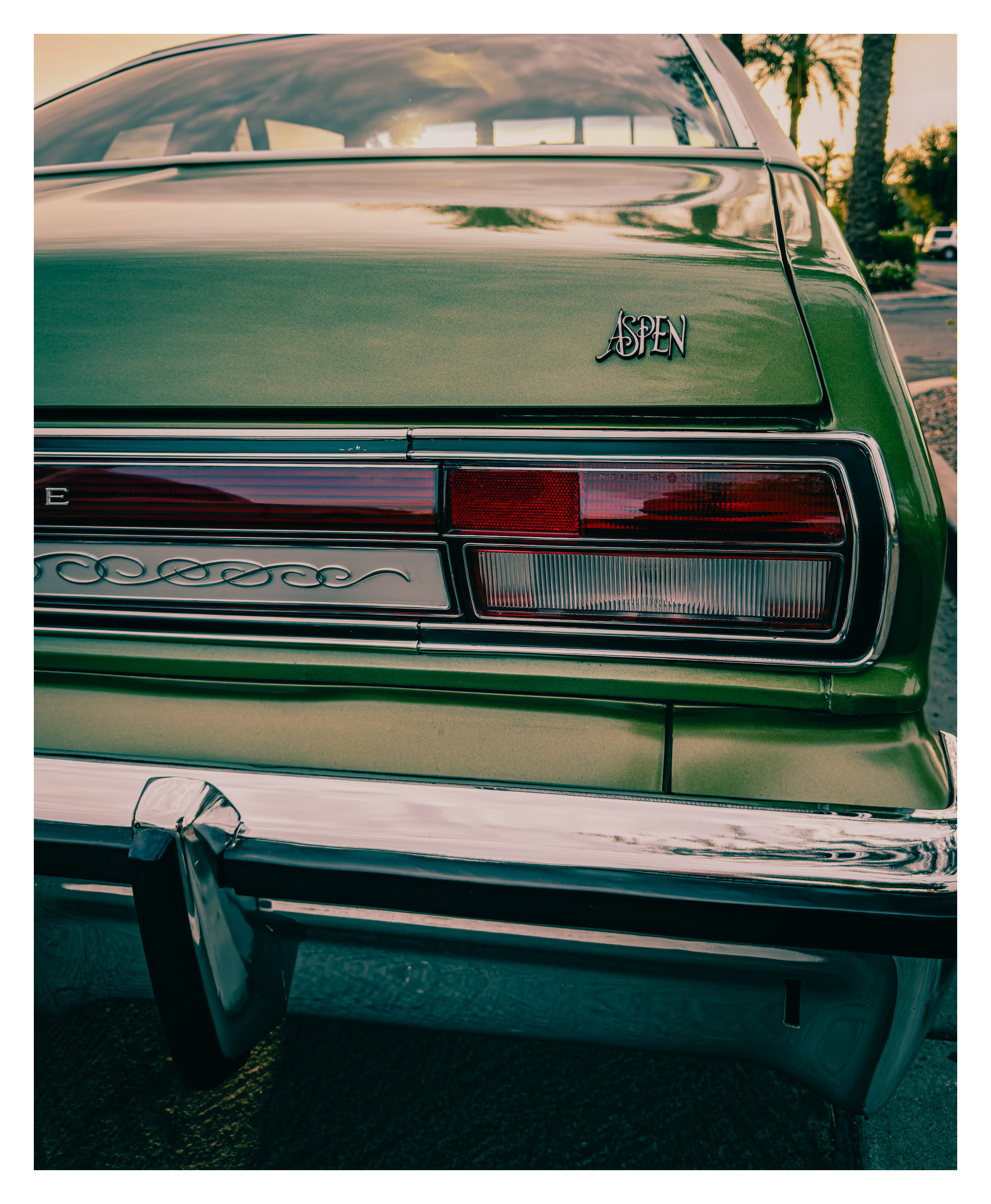
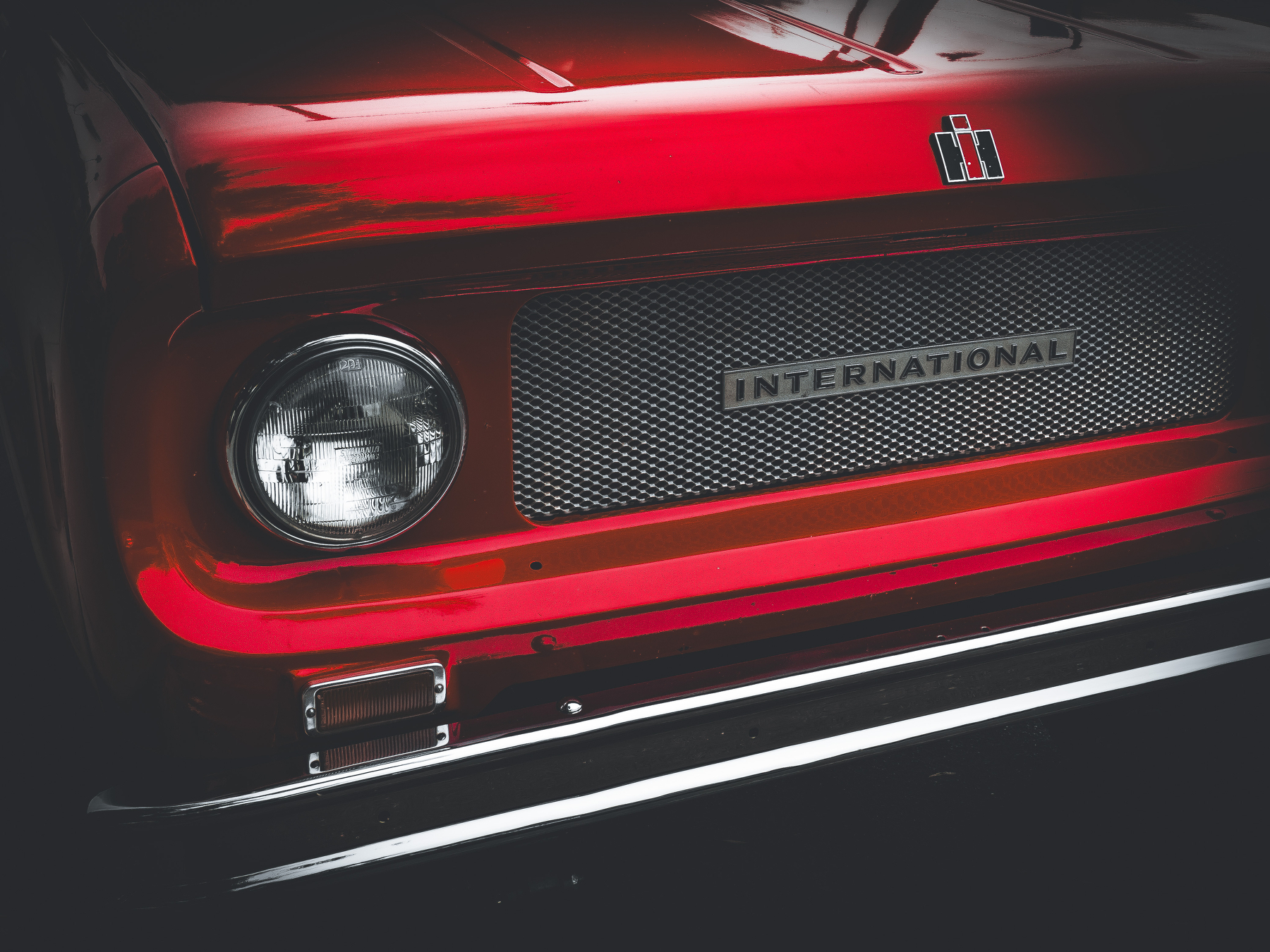
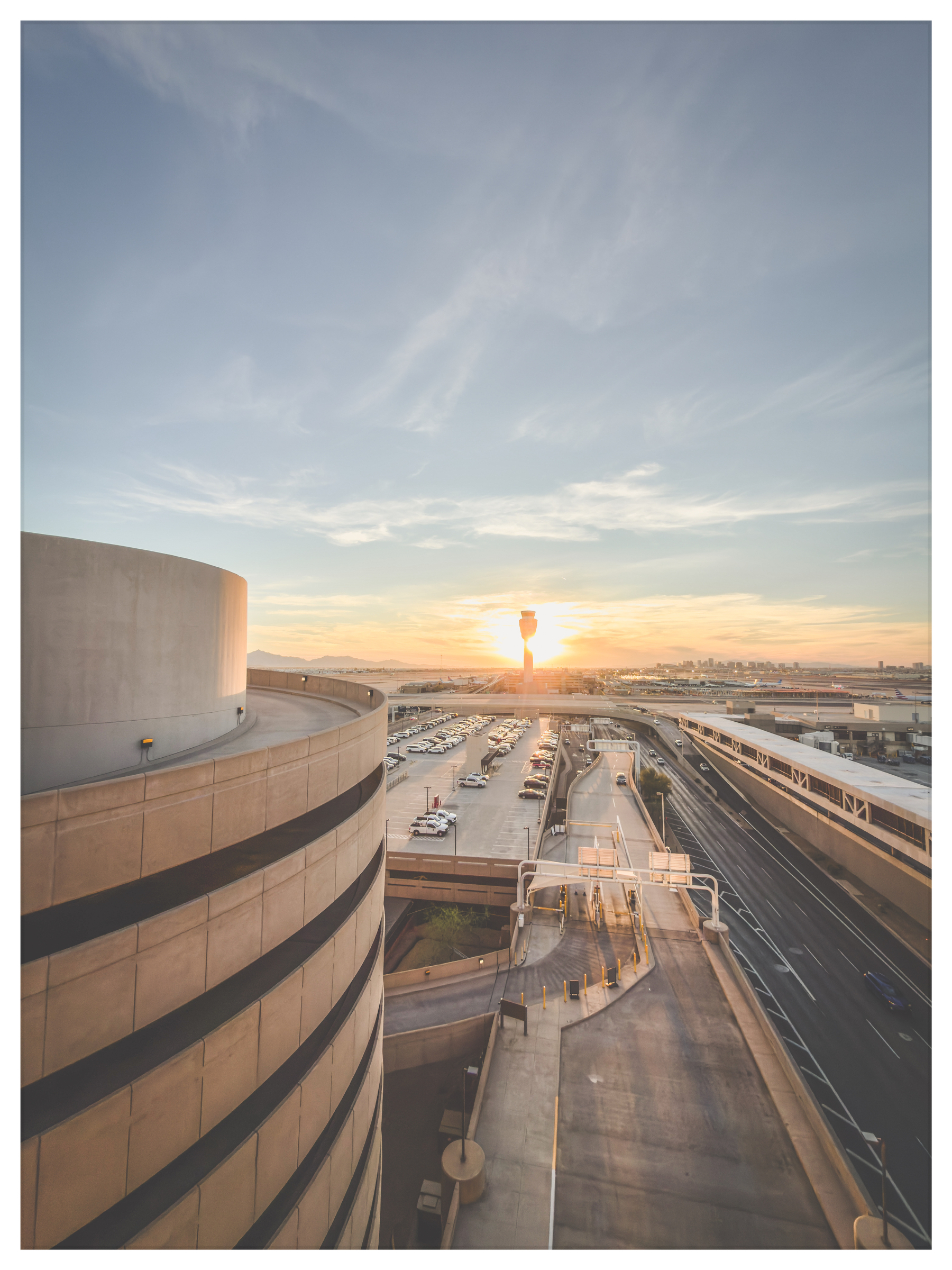
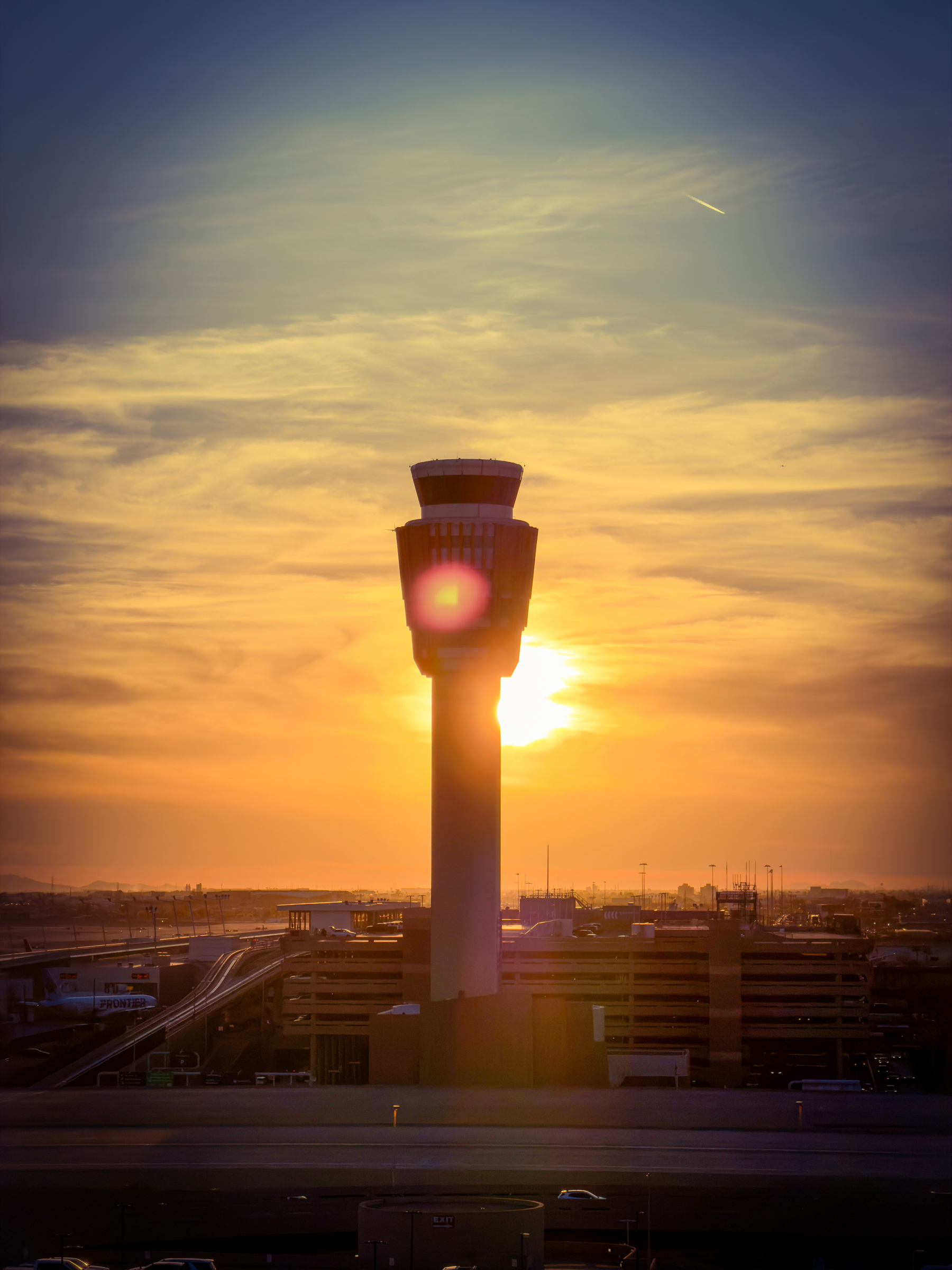
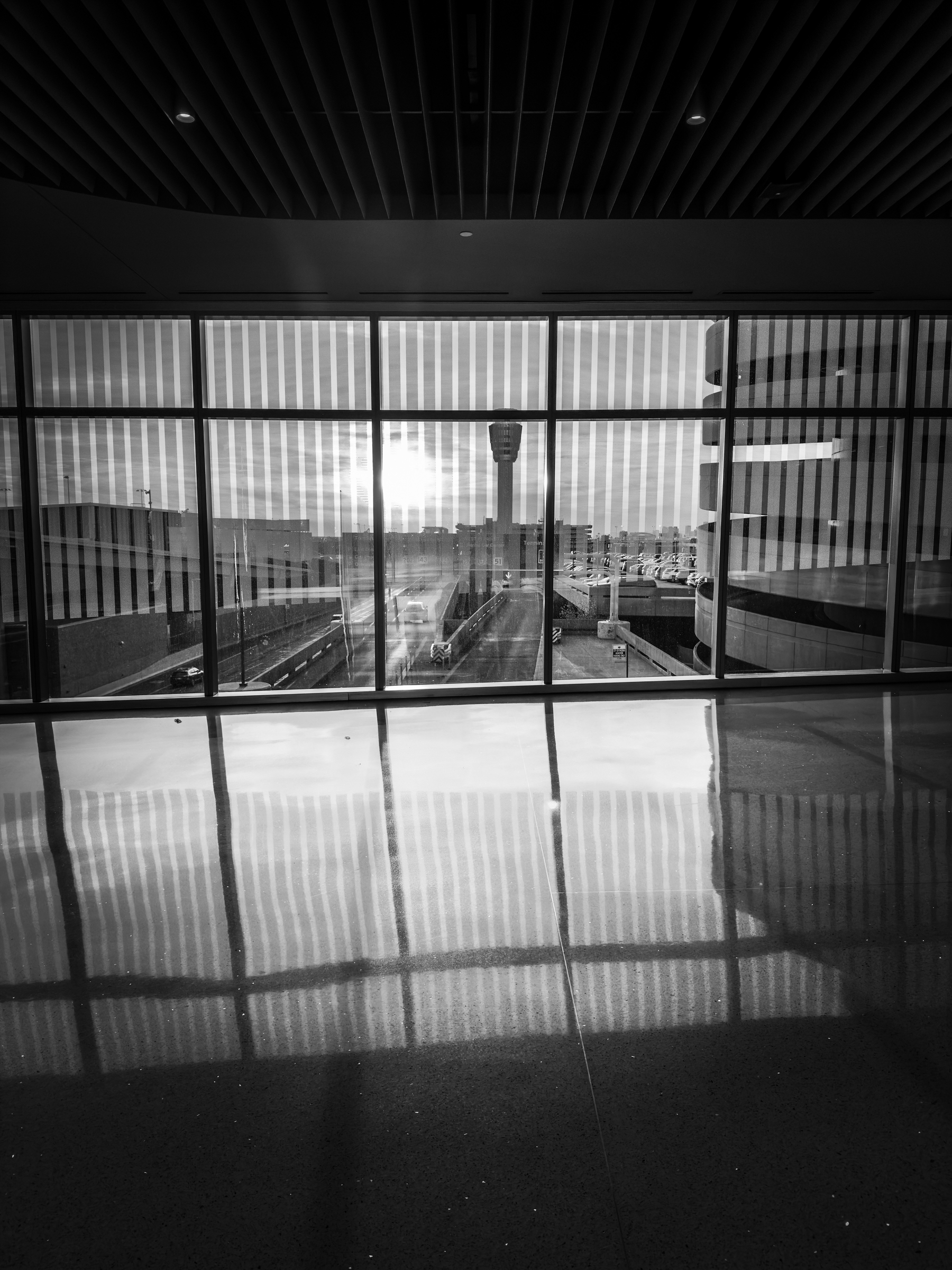
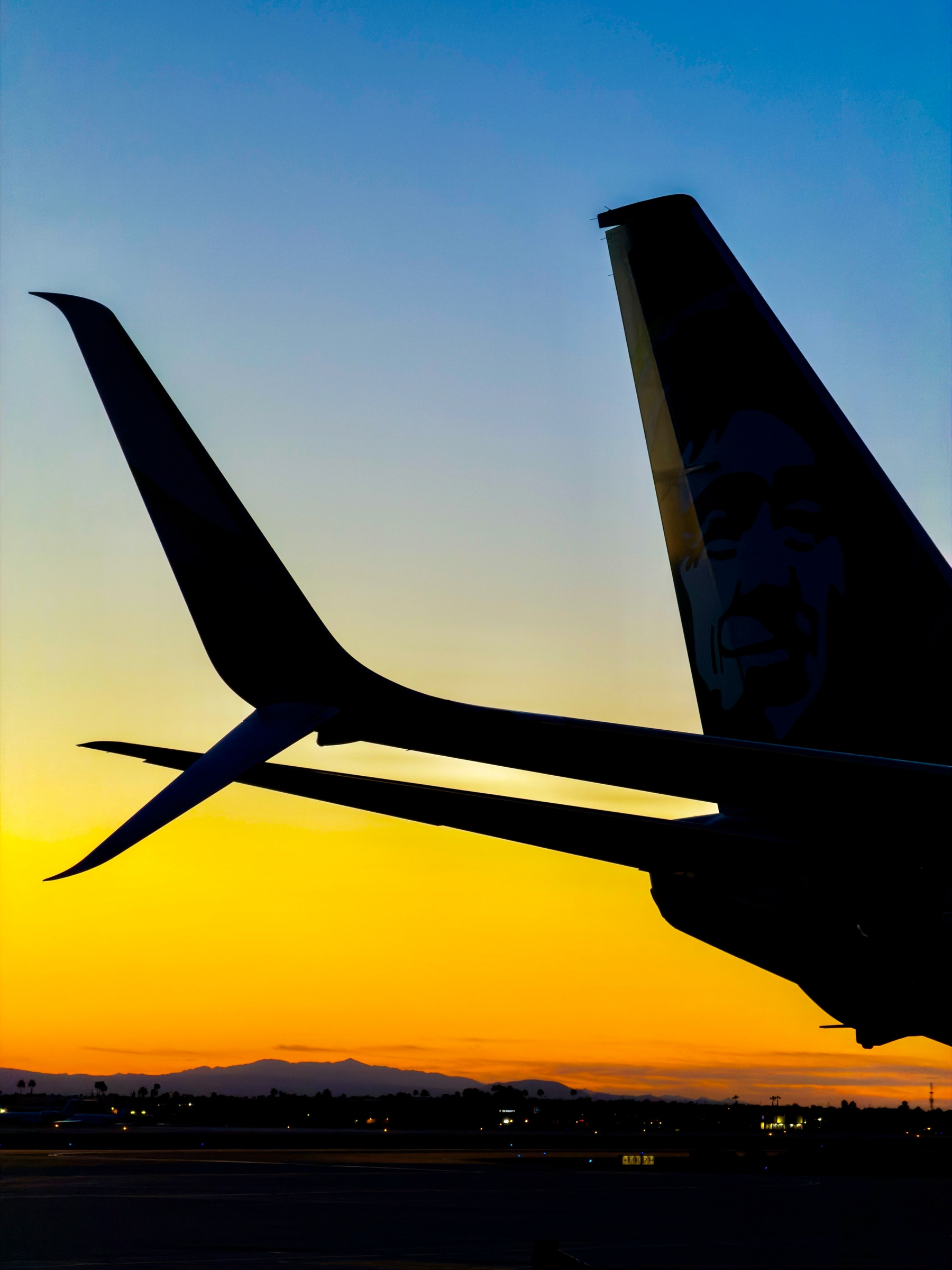
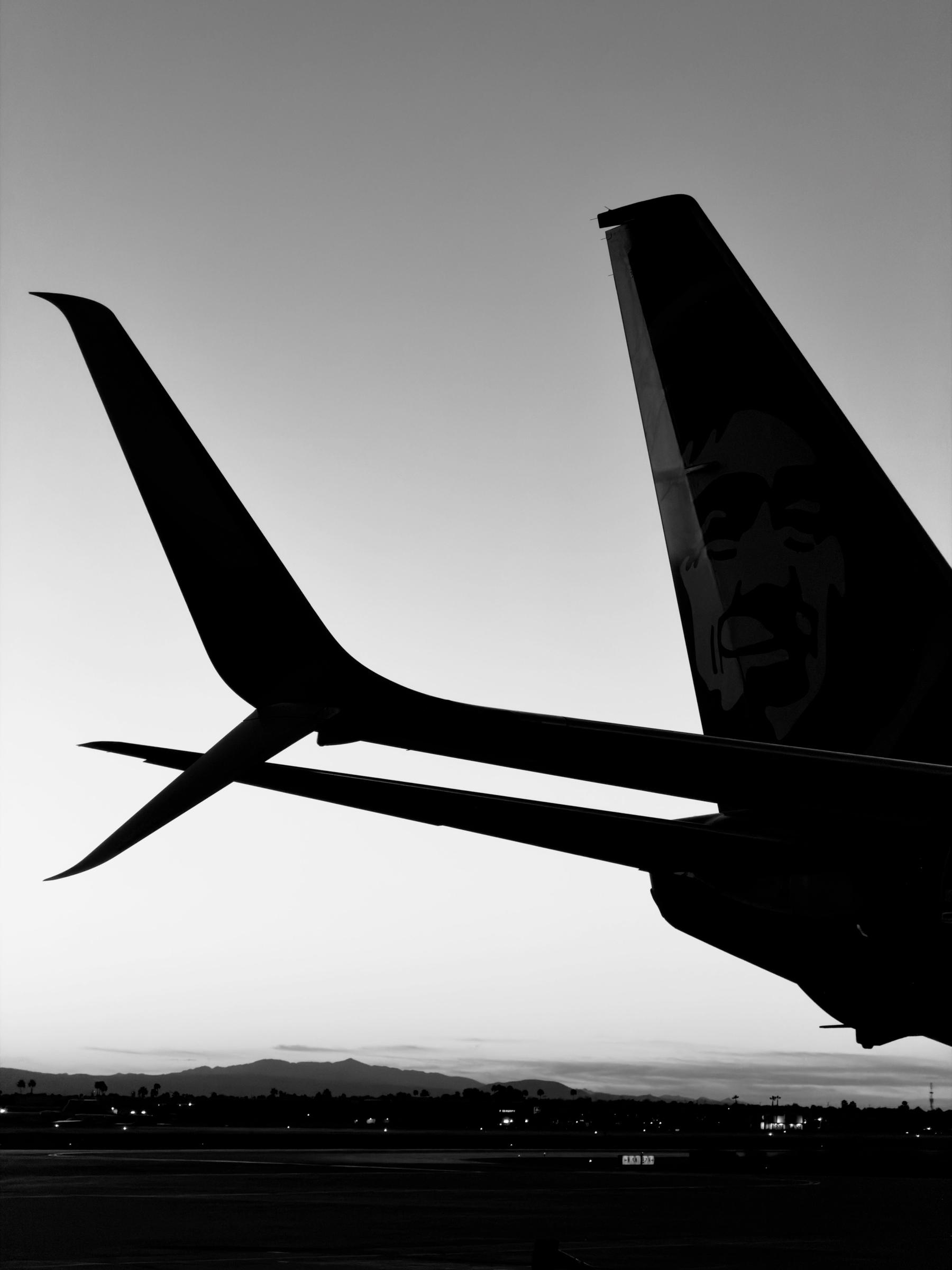
Nice Ride (218/365)
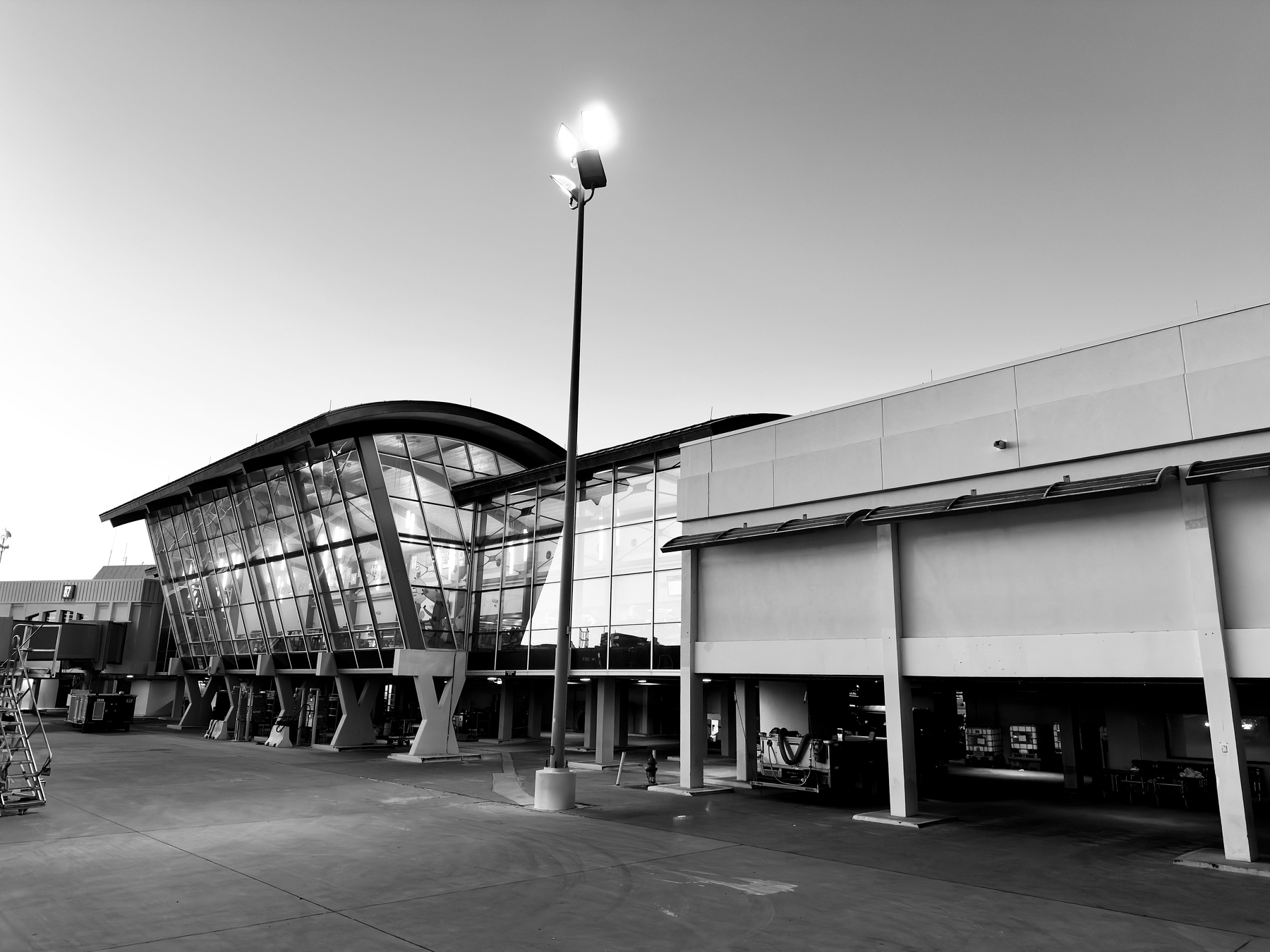
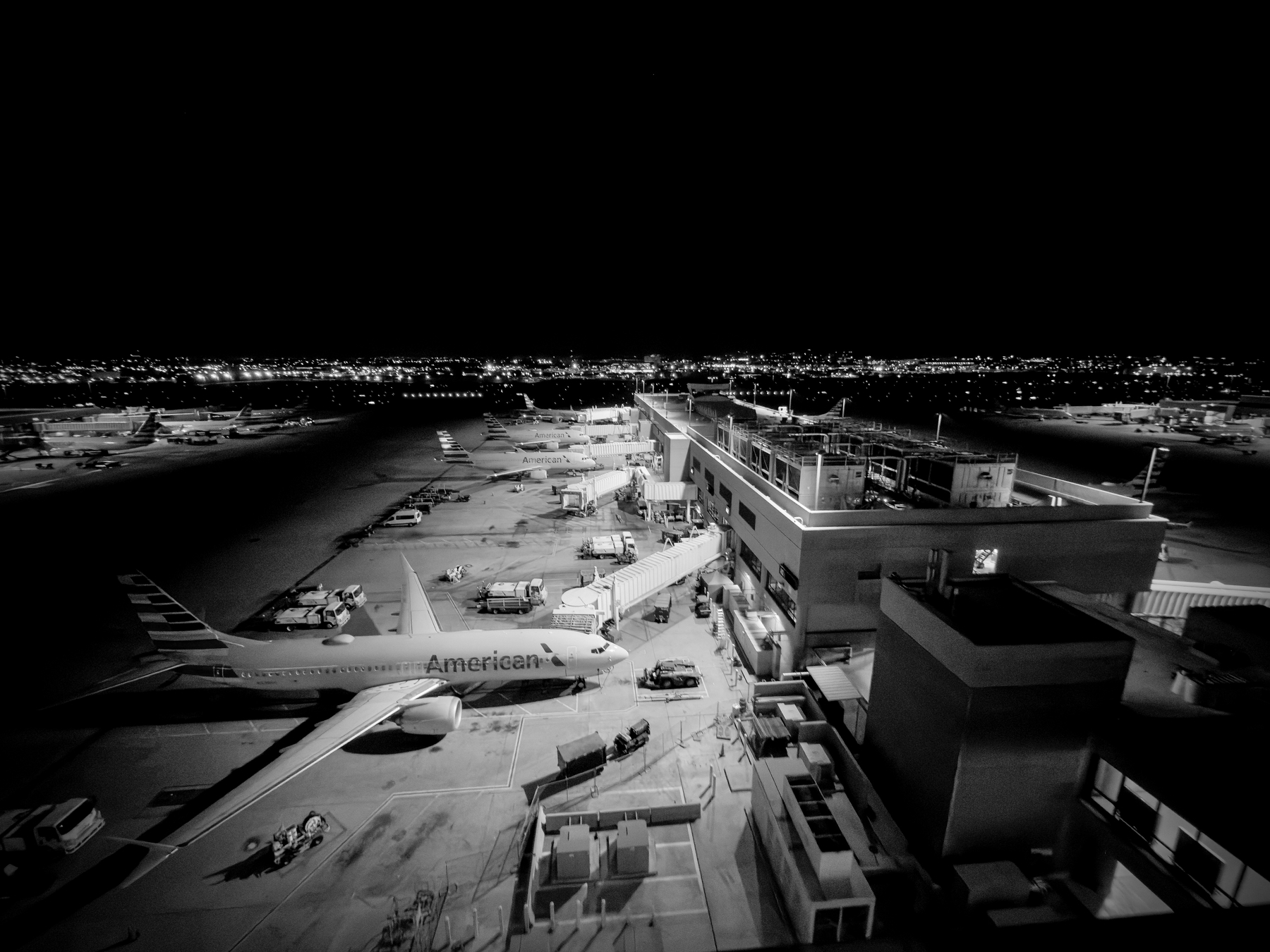
Long day. Was supposed to end it in Charleston (CHS), but after a ton of weather delays, we are in Nashville (BNA).
Hopefully, Seattle (SEA) tomorrow.
Four more pictures down below.
Click for Stray Pixels
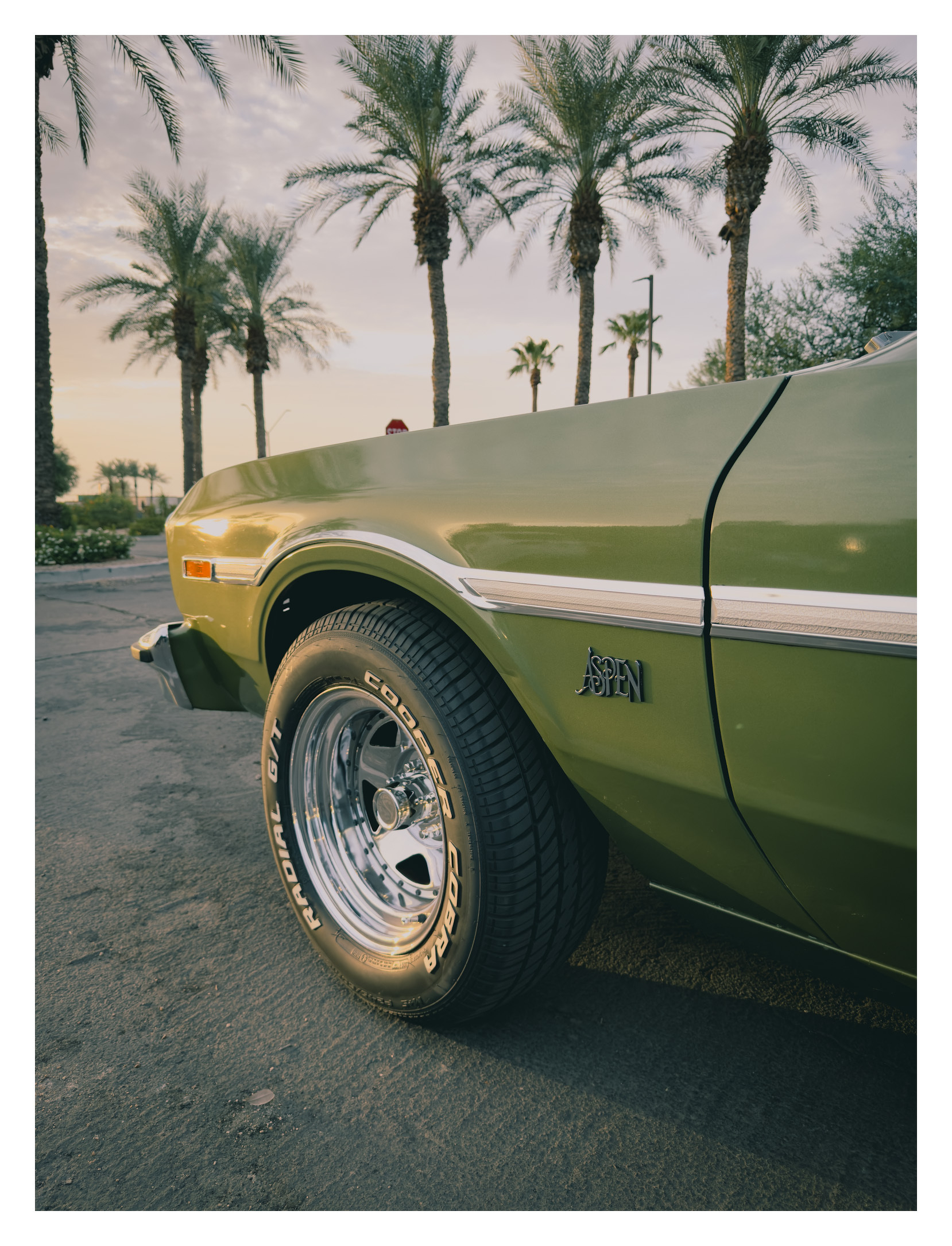
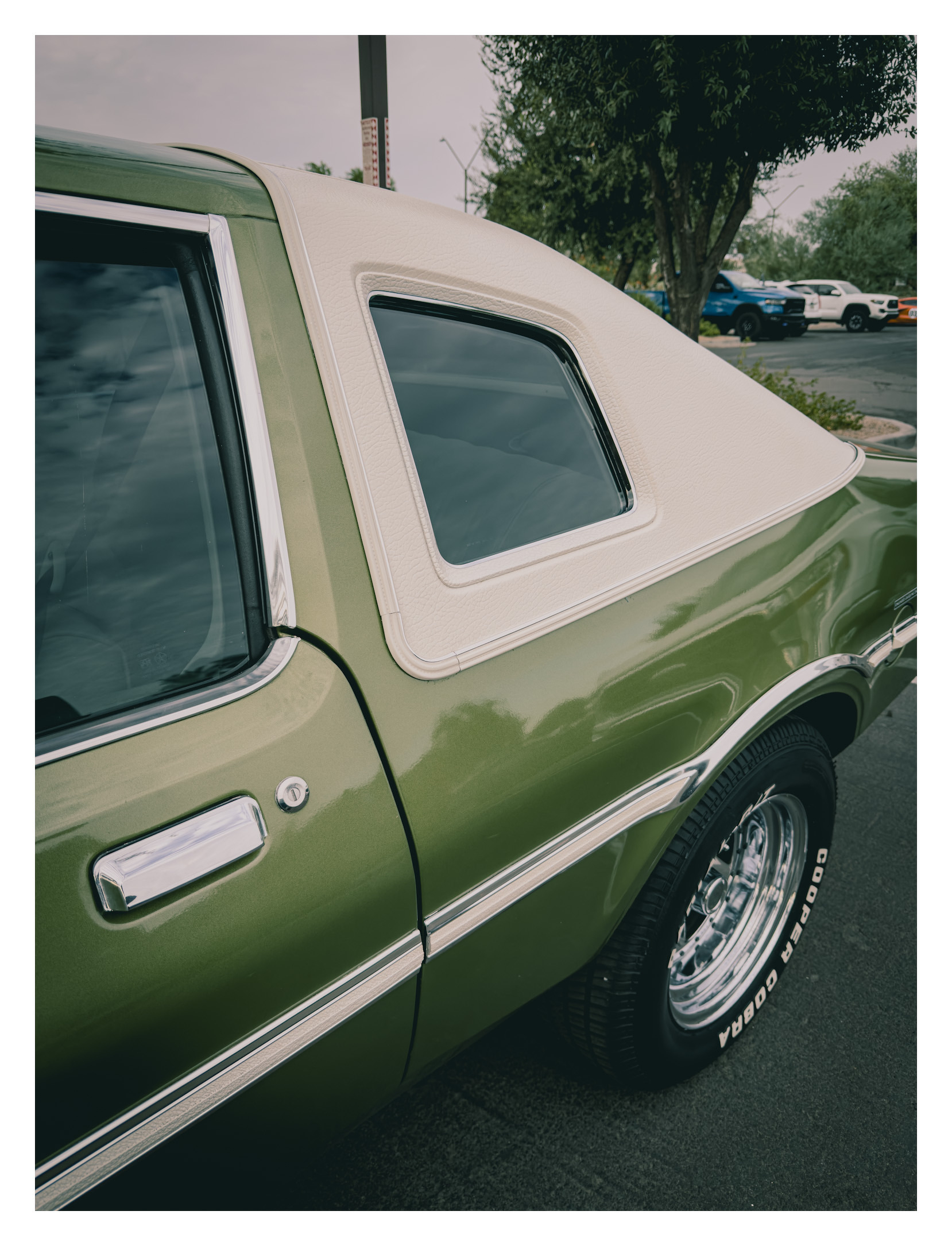
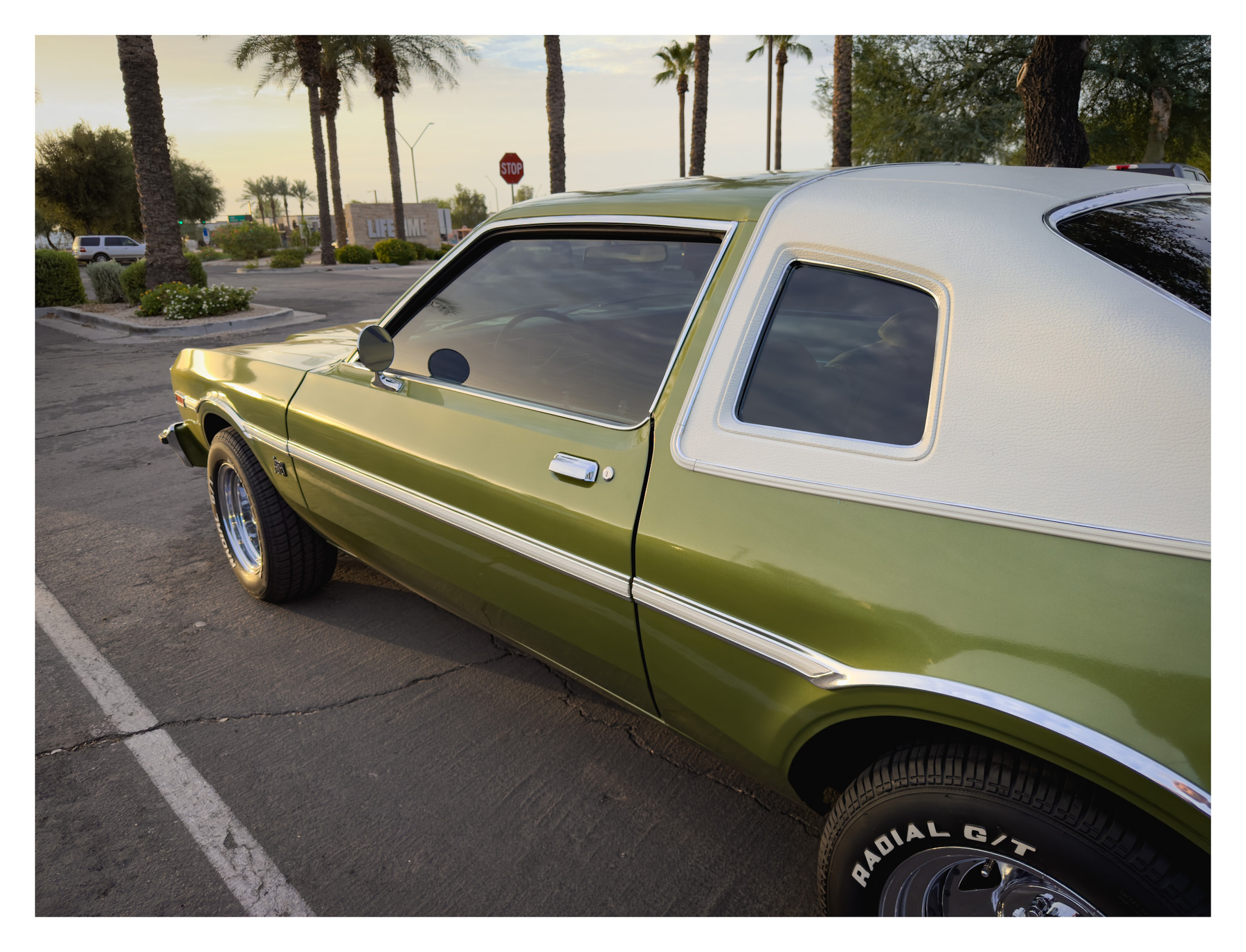
Long day. Was supposed to end it in Charleston (CHS), but after a ton of weather delays, we are in Nashville (BNA).
Hopefully, Seattle (SEA) tomorrow.
Four more pictures down below.
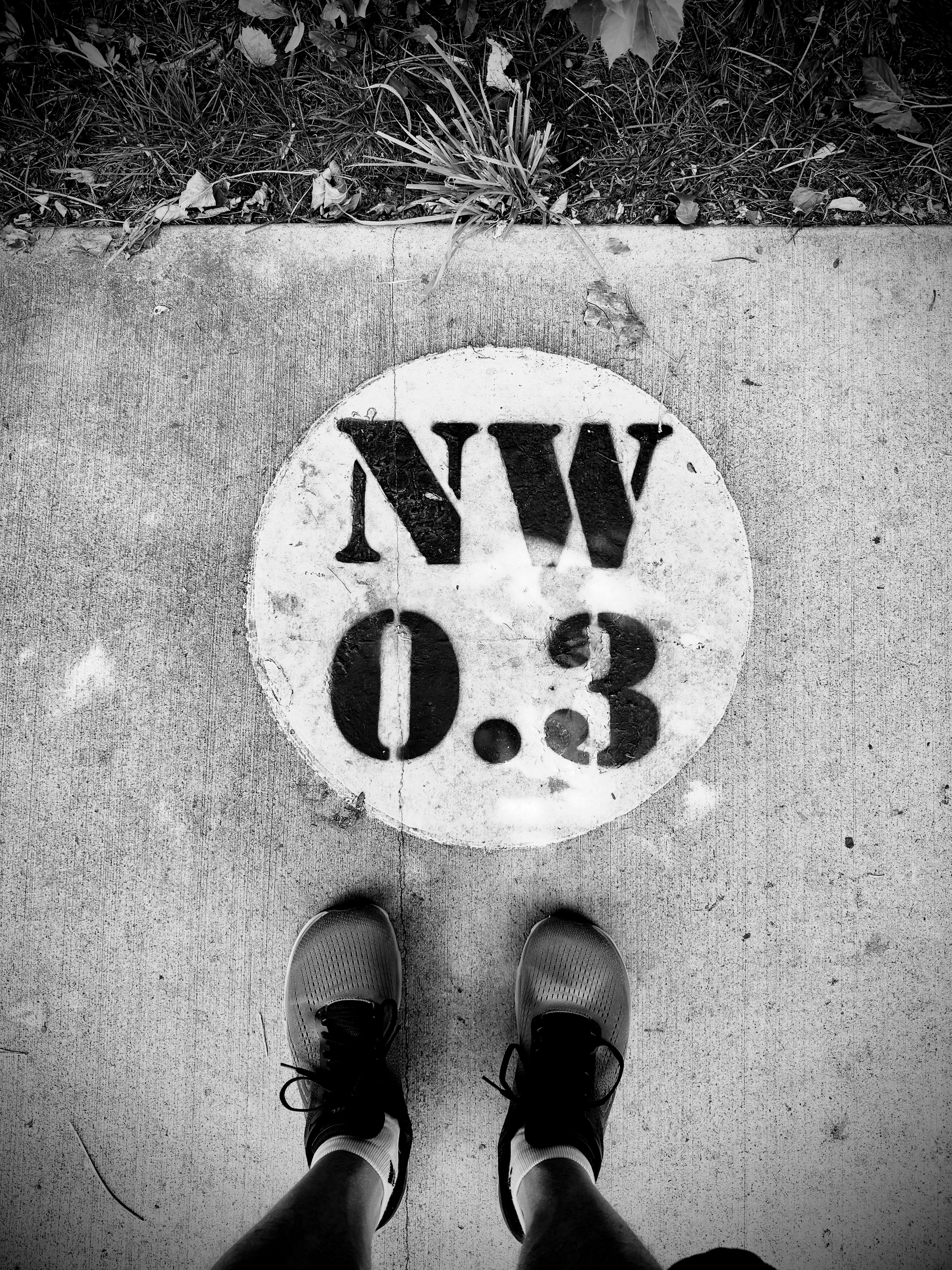
Have you ever had those days? Feel like you’ve walked a mile, only to find out ⤴️.
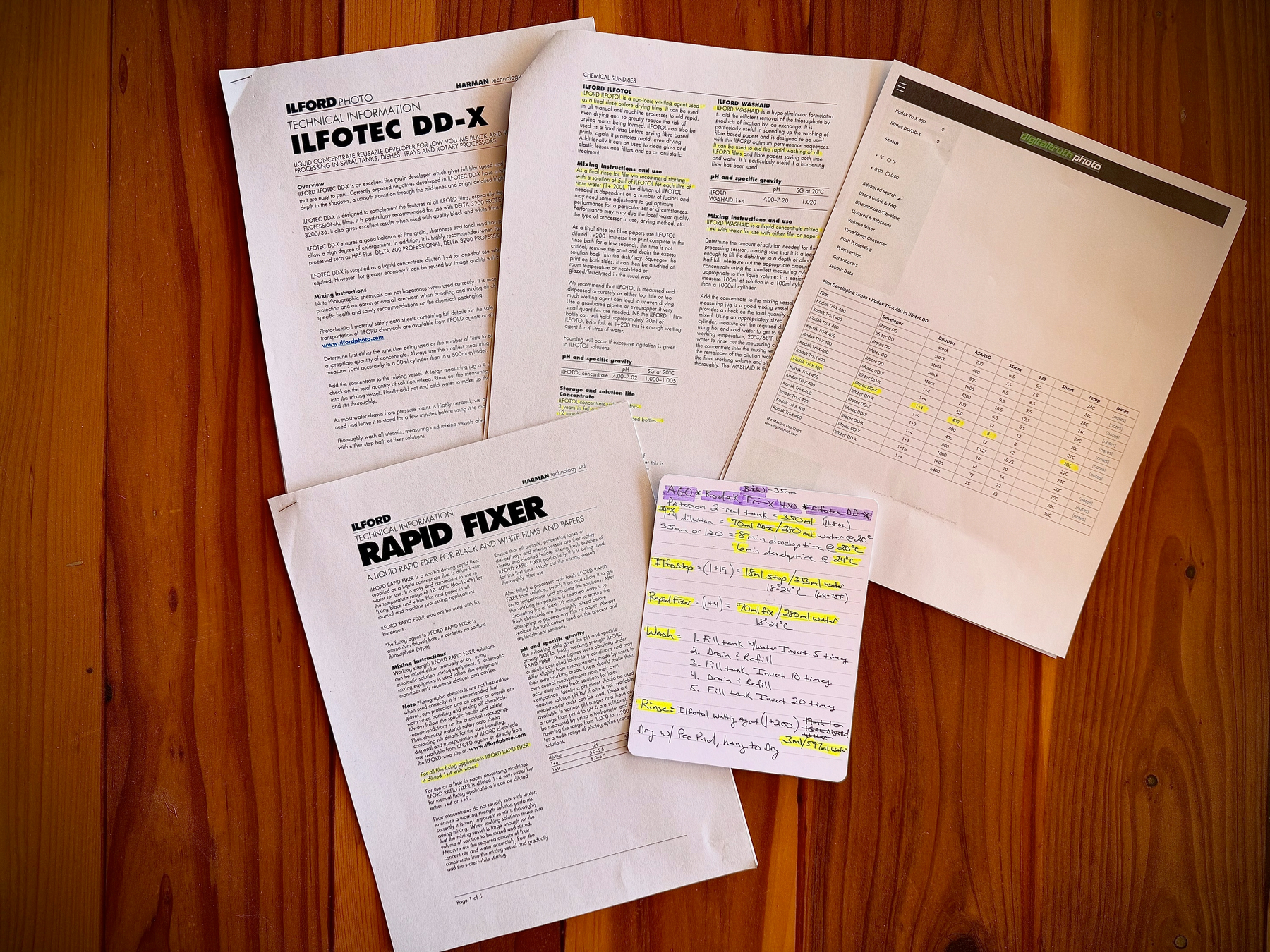
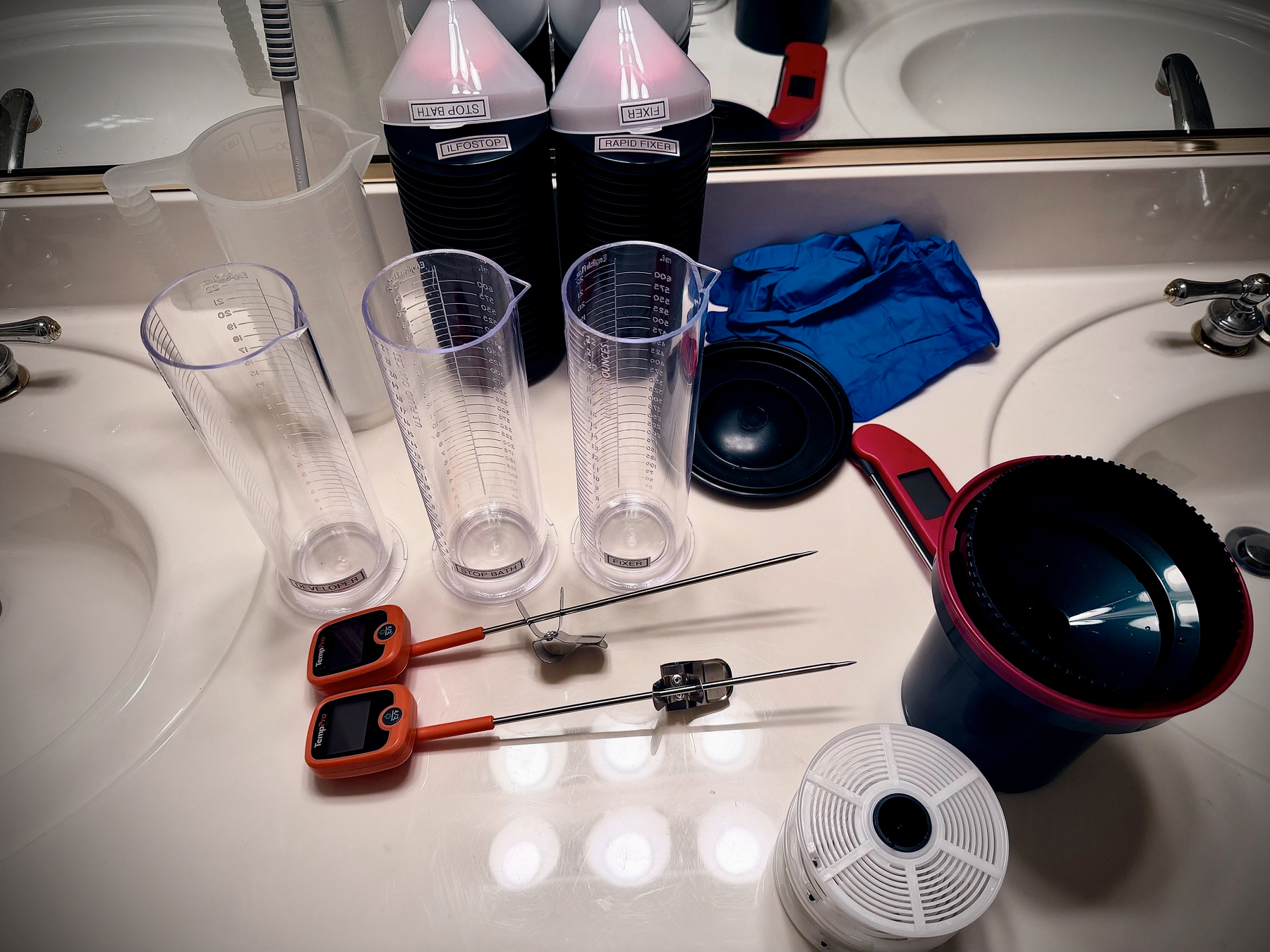
Spent some time today setting things up in the spare bathroom, making a “task card” of the process, and dry-running it to make sure I haven’t missed something. It’s always worth taking the extra time; I learn something each time.
The crazy problem I have right now in the Summer is my water temp. My cold running water is at 34° C, and I need my chemicals and wash water around 20° C. So, I’ve put a 3-gallon jug of water in the fridge and will mix it with warm water to get my desired temp. Kind of crazy.
It’s all kind of exciting. Hopefully tomorrow I can get the first roll done.
Well, what a day. I had planned to get up early, take two cameras to the Wildlife Park, and wander around before the heat really ramped up. But I woke up to text messages and emails saying I had used airline miles to buy tickets on Qatar Airways, along with two credit card charges for additional mileage purchases. I logged in to my account and found 185k miles missing. The one damn account I did not have 2FA on. WTF OVER!
So it took all morning to clean that up. By the time I was done, it was quickly climbing toward today’s high of 113°F/45°C, so my photo walk plans went by the wayside.
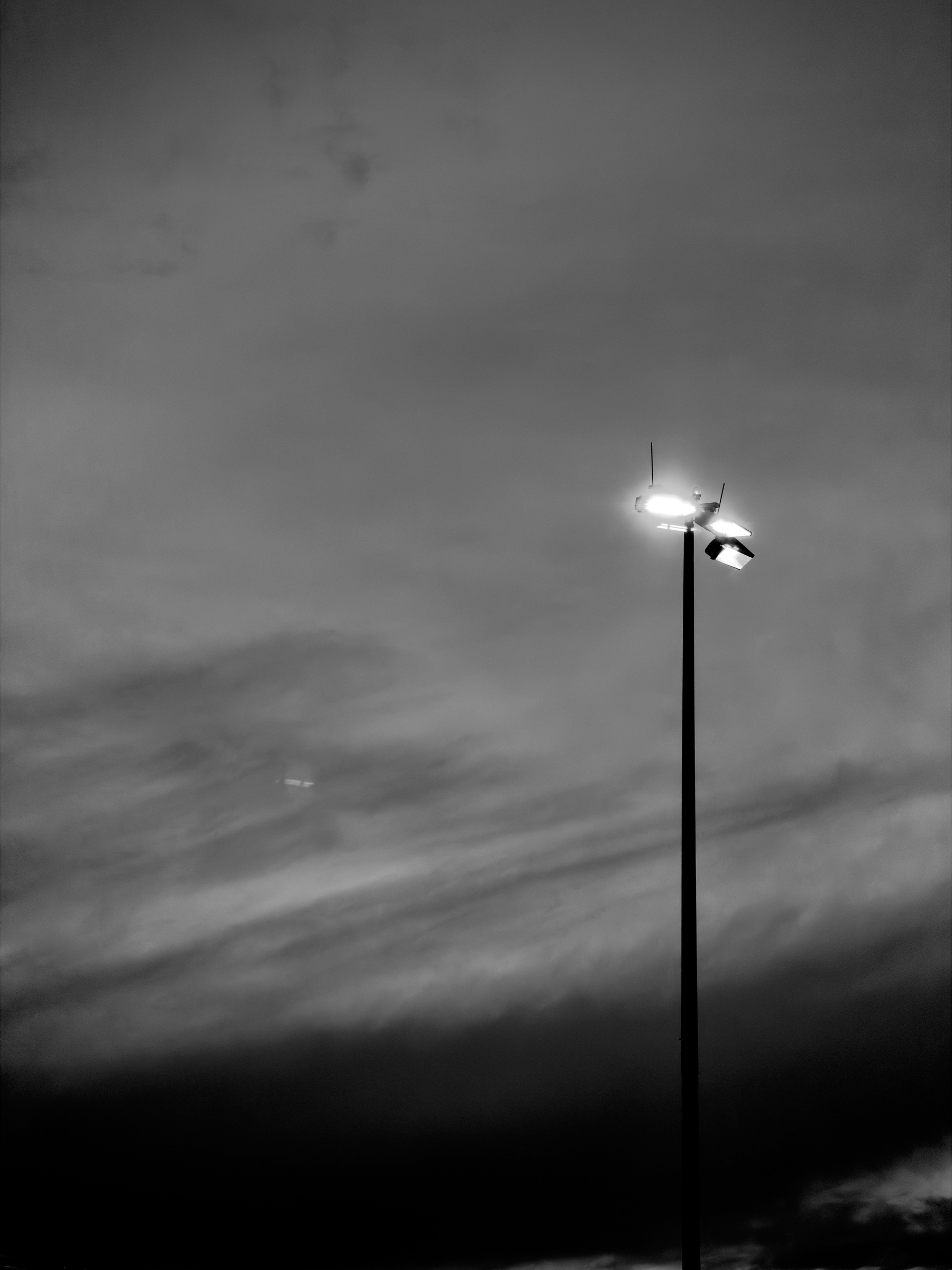
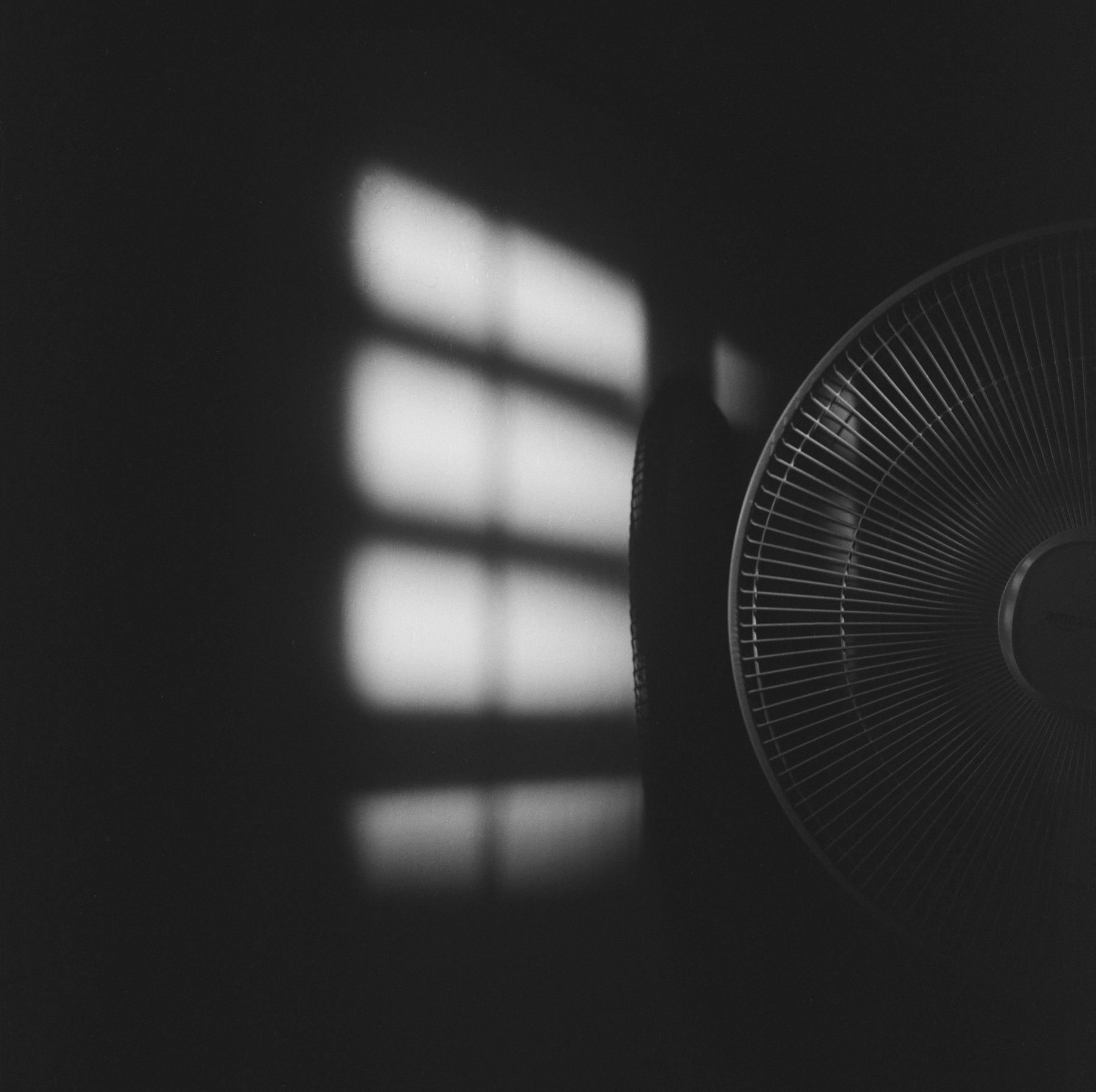
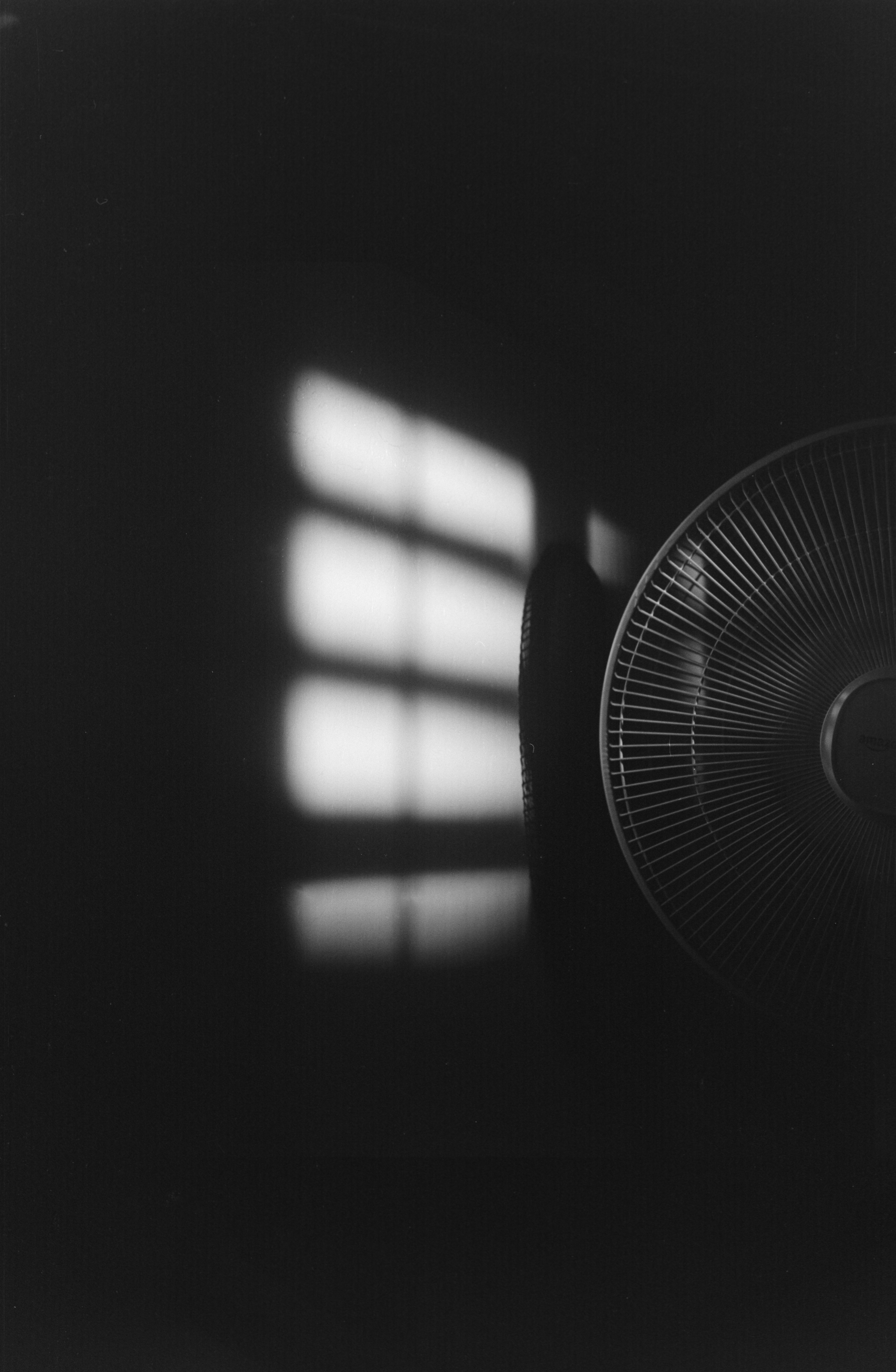
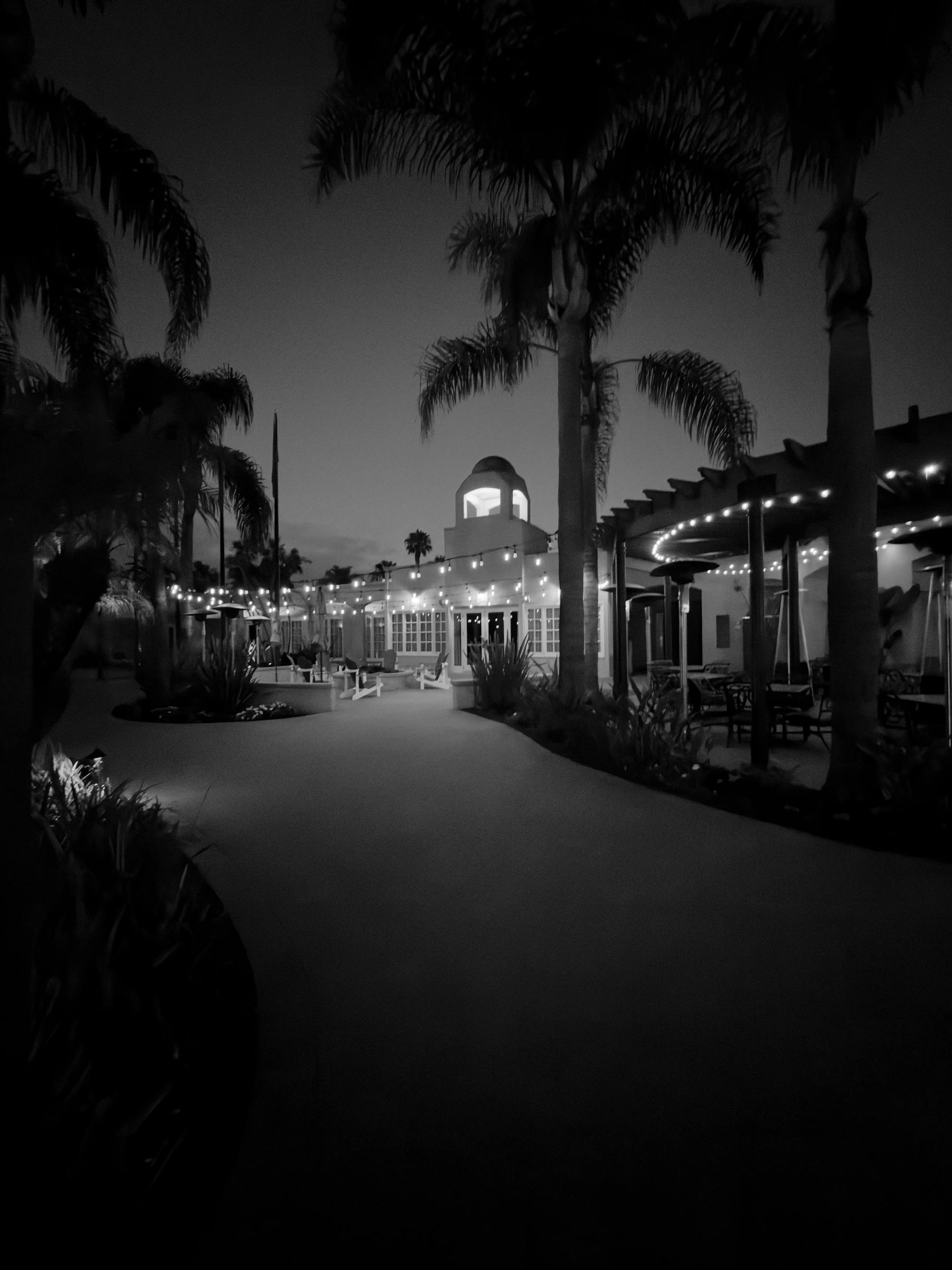
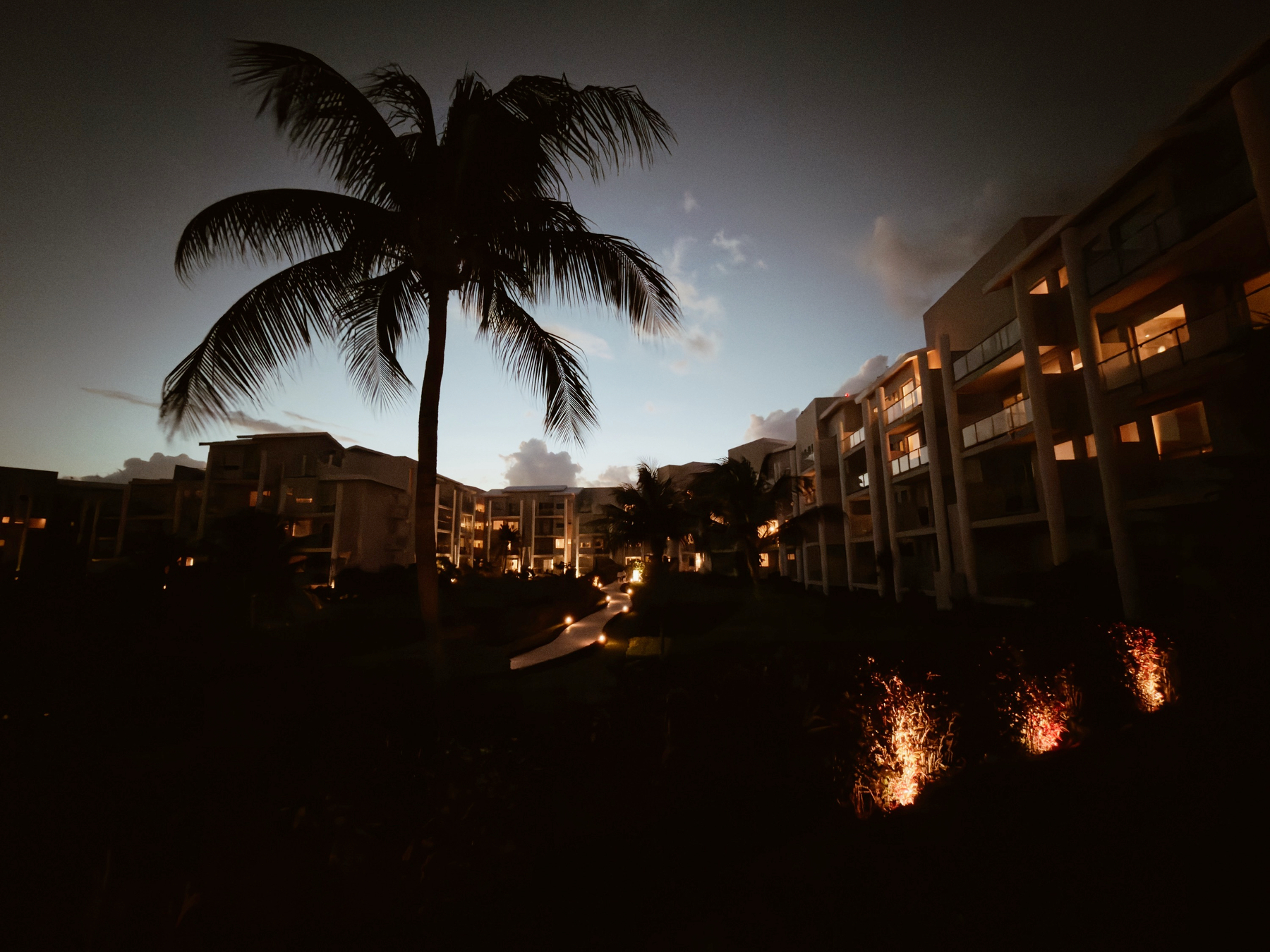
So you get this mediocre iPhone shot instead. I do like the moody feel, though…
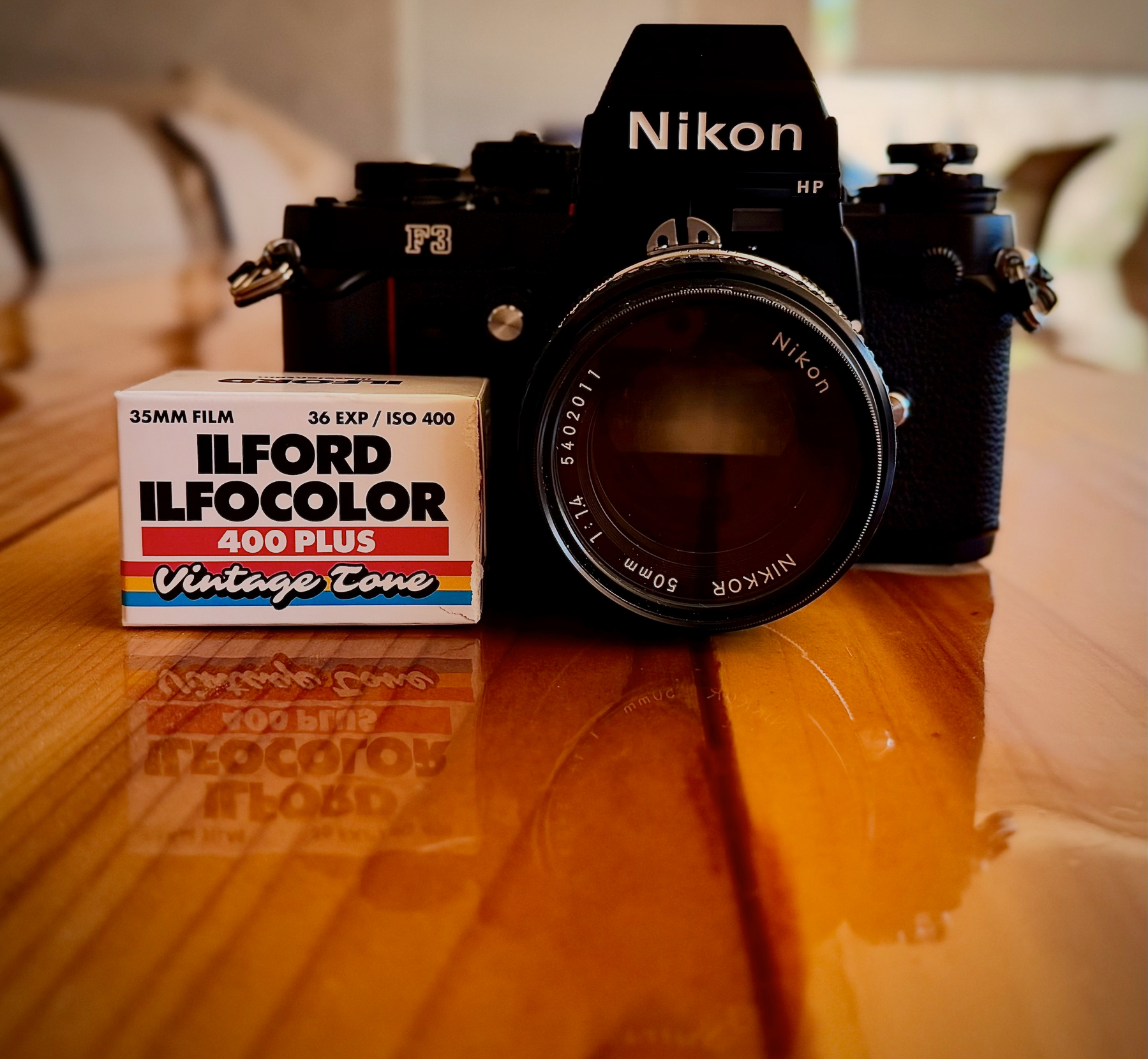
I’m aiming for the Wildlife Park photo walk tomorrow. Planning a digital-and-film camera walk. I was able to get out a short while today with the Nikon F3, trying to get through a 36-exposure roll of Ilford Ilfocolor 400 Vintage Tone. I wanted to start tomorrow with a fresh roll.
Hope your day went better than mine.
Well, I’m convinced that developing at home will save money and might just be fun. Might be fun, heck, I know it will be fun! I have such fond memories of working in the dark room, and this will be a tiny step toward that feeling.
I’m waiting on some C-41 chemicals, and I have my black-and-white chemicals to start with. I’ve watched numerous videos to refresh myself and have practiced rolling film onto the spools in the dark bag a number of times, both 35mm and 120. I’m sticking with the AP plastic spools for now. You can see what I’m using, what videos I watched, and other resources here.
I’m going to start with a few rolls of black-and-white film. Get comfortable with that, then dive into the temperature-sensitive C-41 developing.
I’m starting with rolls that don’t have anything precious on them to make sure I know what I’m doing. Any great shots will be brought to the local lab until I get my process down. Too many ways to screw it up.
I hope to get a blog post up soon about my process, what I used, and how it went. I’m guessing within a week or so, I’ll have time to start.
ILFORD:
Paterson Tanks, AP and Paterson spools/reels, dark bag, scissors, film retriever, hanging clips, Pec Pads, and distilled water.
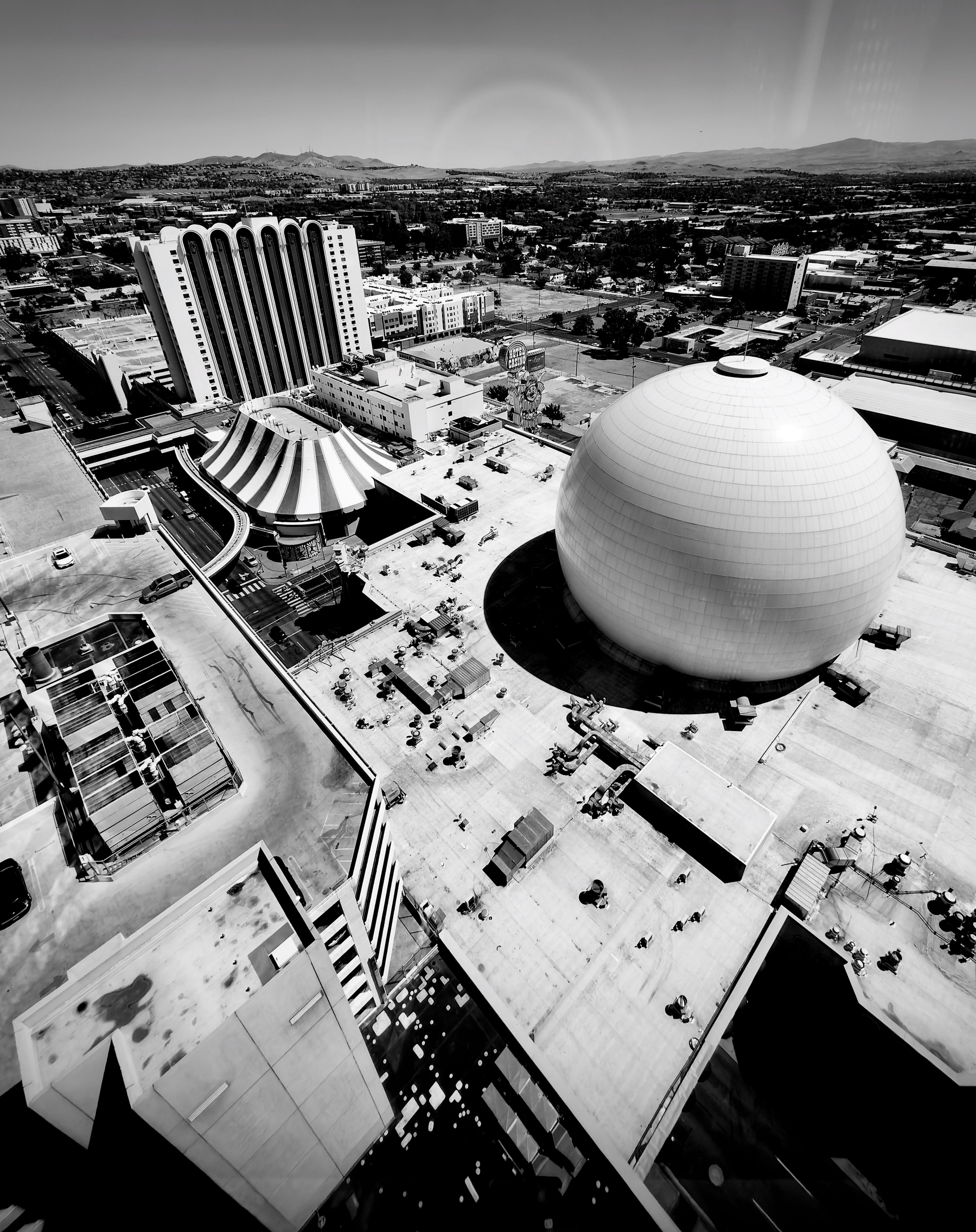
Happy Canada Day 🇨🇦

I probably shouldn’t write anything today.
I’m tired, didn’t get nearly enough sleep, and to top it off, I wasn’t happy with any of today’s photos. None of them.
My only bright spot was getting to futz around in my office all day, and my Ilford vintage tone film came in the mail. I’m excited to see what it produces. I promptly loaded it into the F3 and shot a few frames around the house. Maybe tomorrow, if it’s cool enough, I’ll take it out for a little outing after seeing the doc. I have to see a surgeon about whether he thinks it’s time to remove a thyroid nodule. Good times…
May you have good light!
I wasn’t happy with any pictures today. I’m posting just because it’s what I shot today.
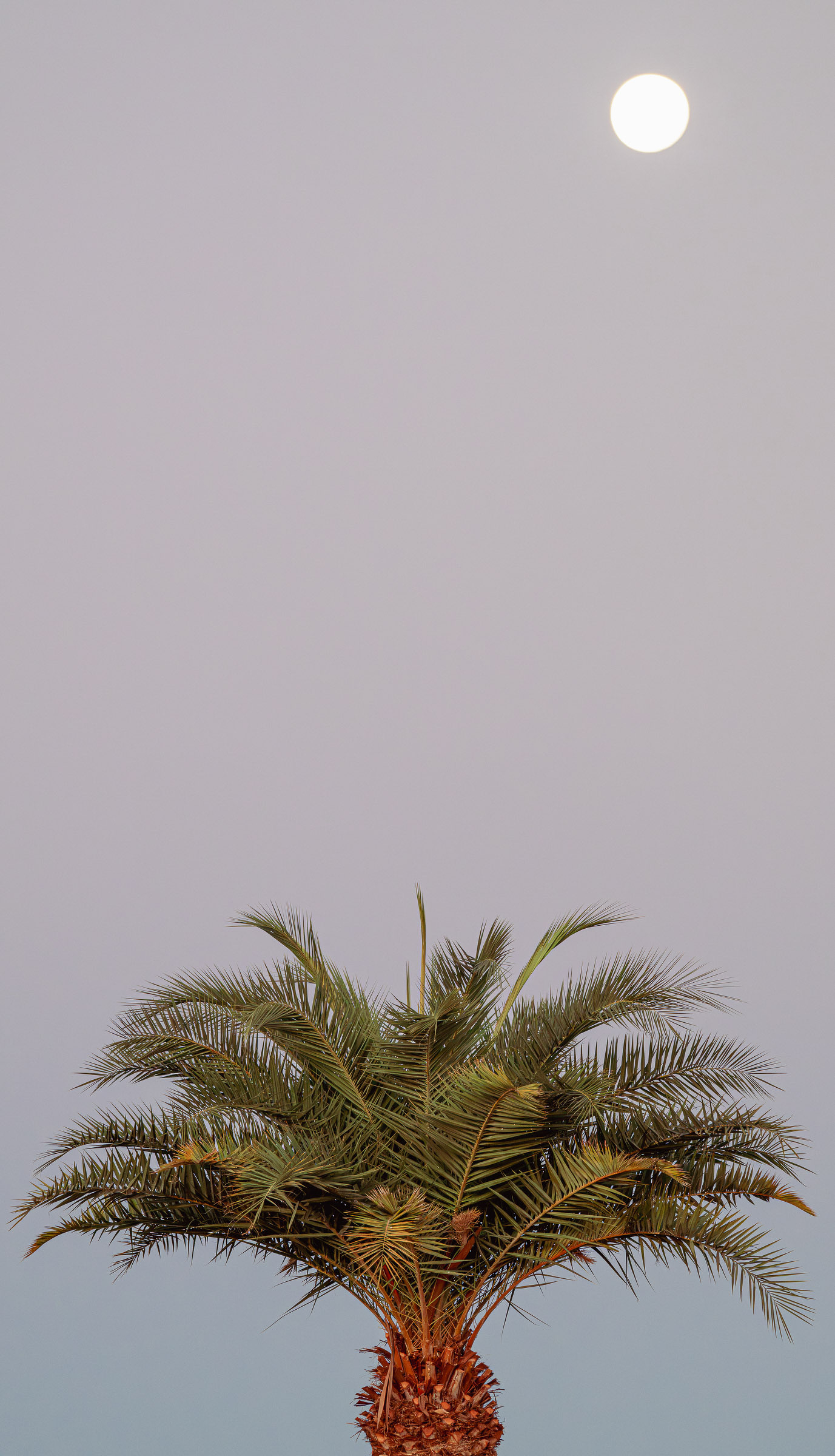
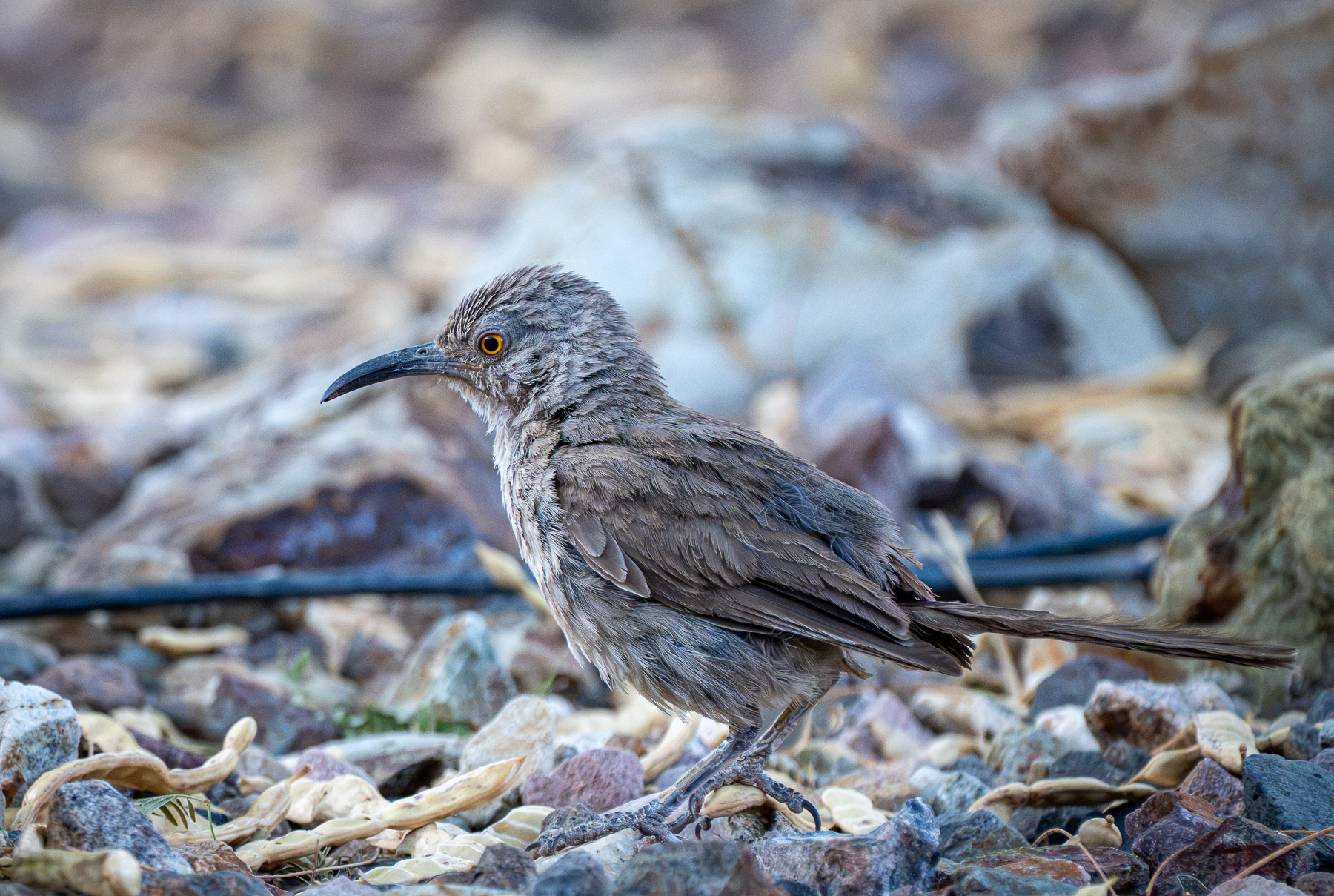
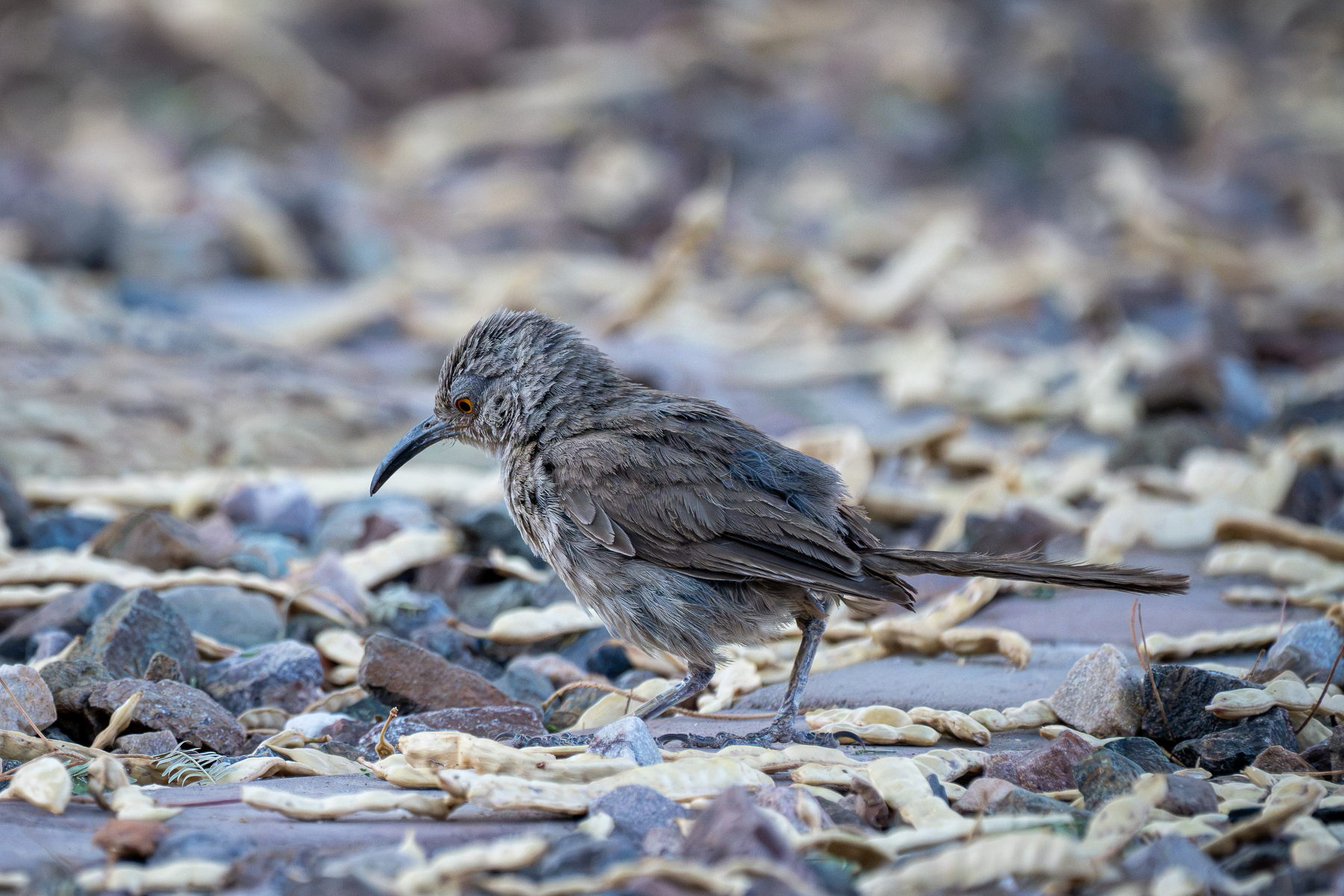
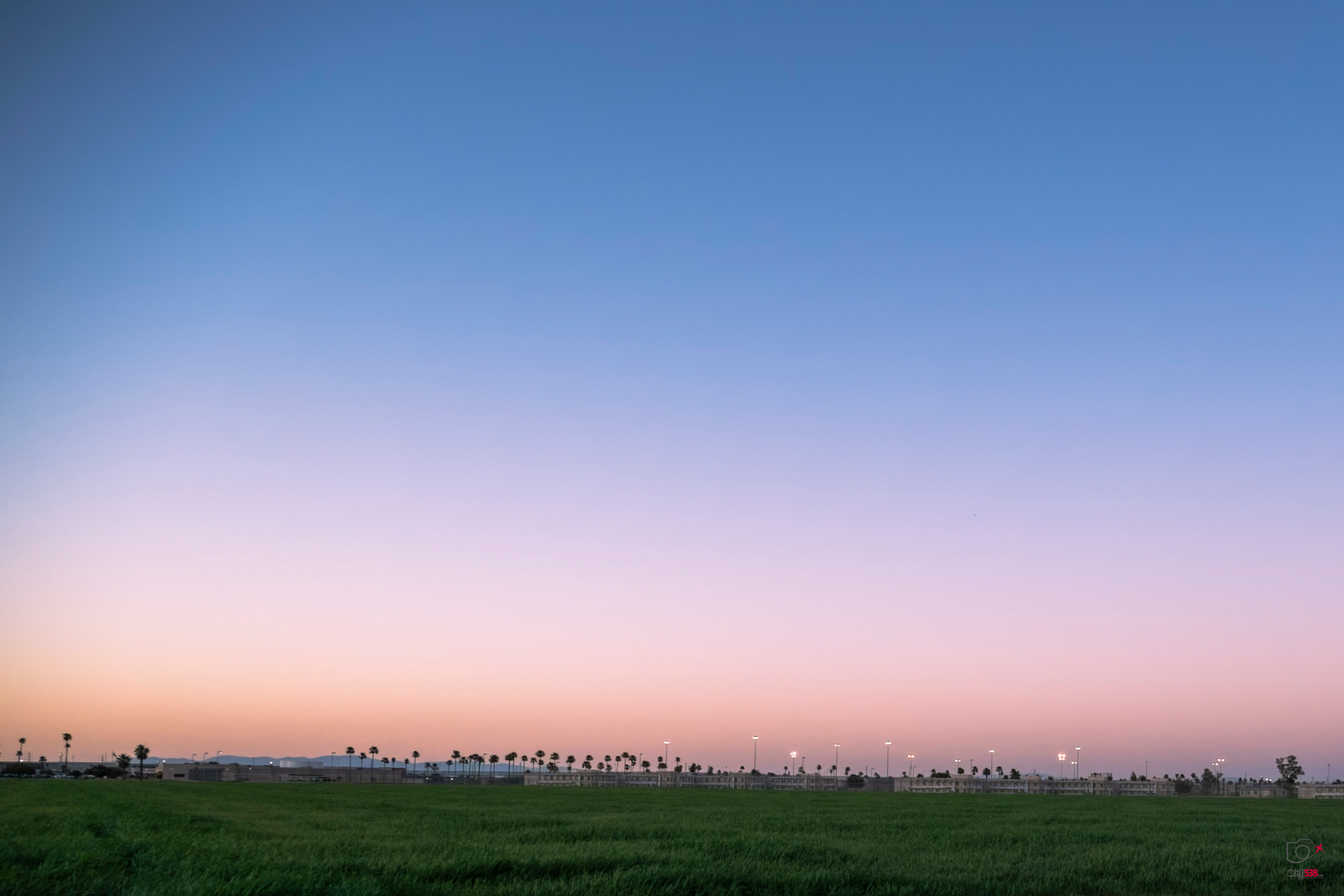 Nikon Z8 • 24mm • ƒ/4.0 • 1/400s • ISO 800
It’s raining here. It’s 104°F/40°C and raining. Real nice.
Yesterday it was 113°F / 45°C, and it was miserable. From the news, it sounds like we’re not alone. The heat has settled in everywhere, and summer has arrived like a blowtorch.
This is a shot from yesterday that I just got around to editing in Lightroom.
Thanks for stopping by.
Film Journey: Another update to home digital camera film scanning. I read the user manual for Negative Lab Pro and its scanning recommendations, and I tried a second batch of scans. I think they turned out much better. I’ll show a couple of shots from yesterday’s post, plus a few more, that show the difference between the lab scans and my scans. It surprised me and made me realize that the lab isn’t always the best.
I will say that color scans are the hardest. B&W is pretty darn easy; there is no white balance to deal with, and you’re basically just adjusting brightness, contrast, black clip, and white clip, unless you use toning.
I’m most surprised at the sunset pictures. The lab scans came out really dark, and I thought I had just screwed up my metering, which metering for that shot is tough with the bright sky and dark street, but I wasn’t even going to process those shots, and I’m glad I did. When I scanned them and used Negative Lab Pro with just standard settings, they were not that dark at all. It just shows me that whoever scans your pictures, they, or the software, is making a judgment call on your negative. I think I’d rather be making those decisions.
I’m rather enjoying the process and creative outlet. Looking forward to getting some good pictures to work with now.
Of note, I’ve been using Negative Lab Pro for negative conversions, but I just found another way from CineStill Film. They have LR, PS, and ACR presets that do the conversion. I downloaded them, but haven’t had a chance to play with them yet. You can watch a YouTube video on how to use them here.
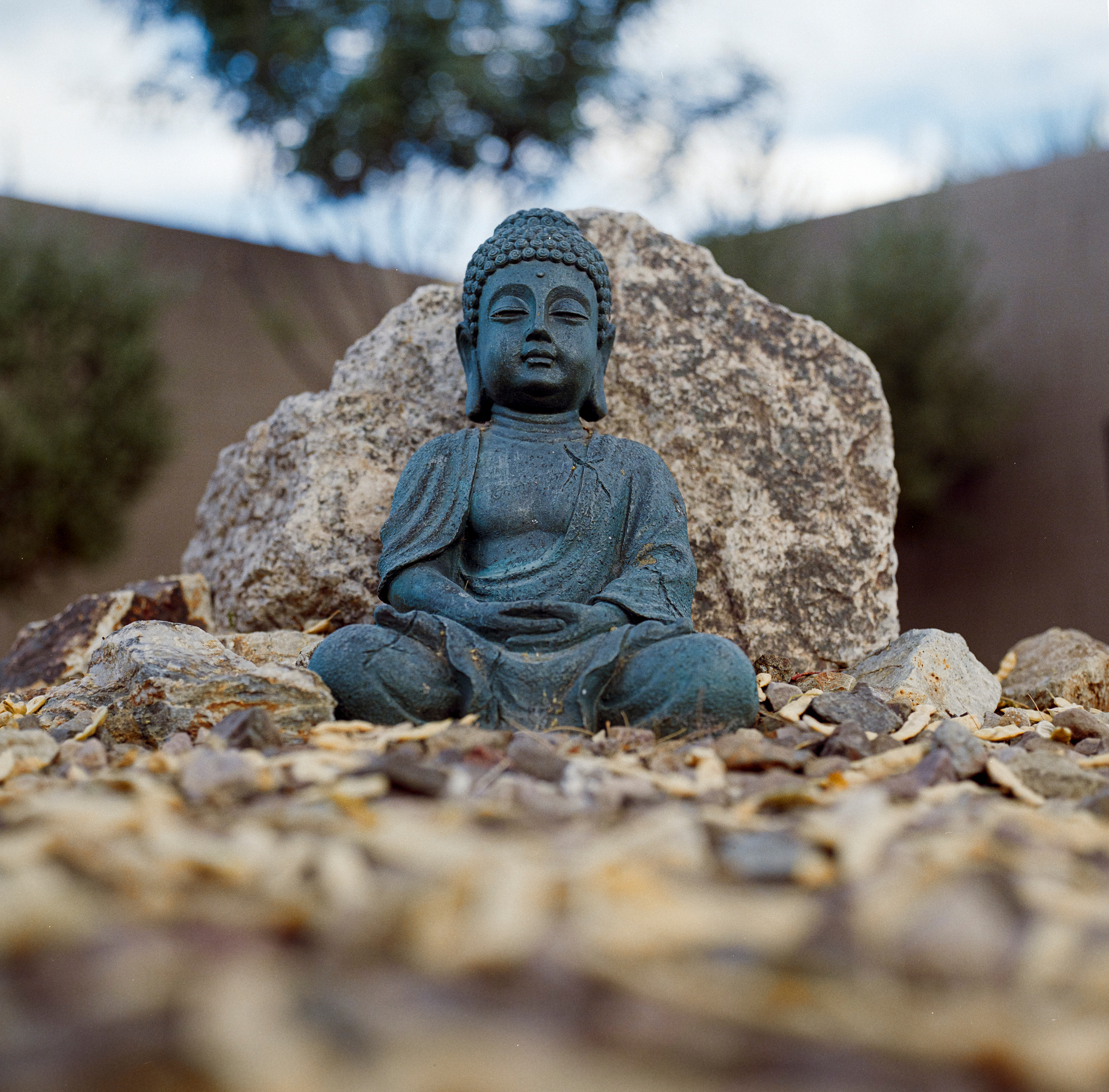
The first seven shots are professional lab scans from my local lab. The next seven are my scans. Ignore the quality of the shots, I just wanted to shoot a couple of rolls of film to test the Rolleiflex and my metering. You can compare them yourself. I’m working on getting that cool image reveal slider on my blog, but it’s a bit more complex than I thought. It would be nice to have the slider and see the lab scan vs my scan in the same shot. Hopefully soon.
The learning continues!
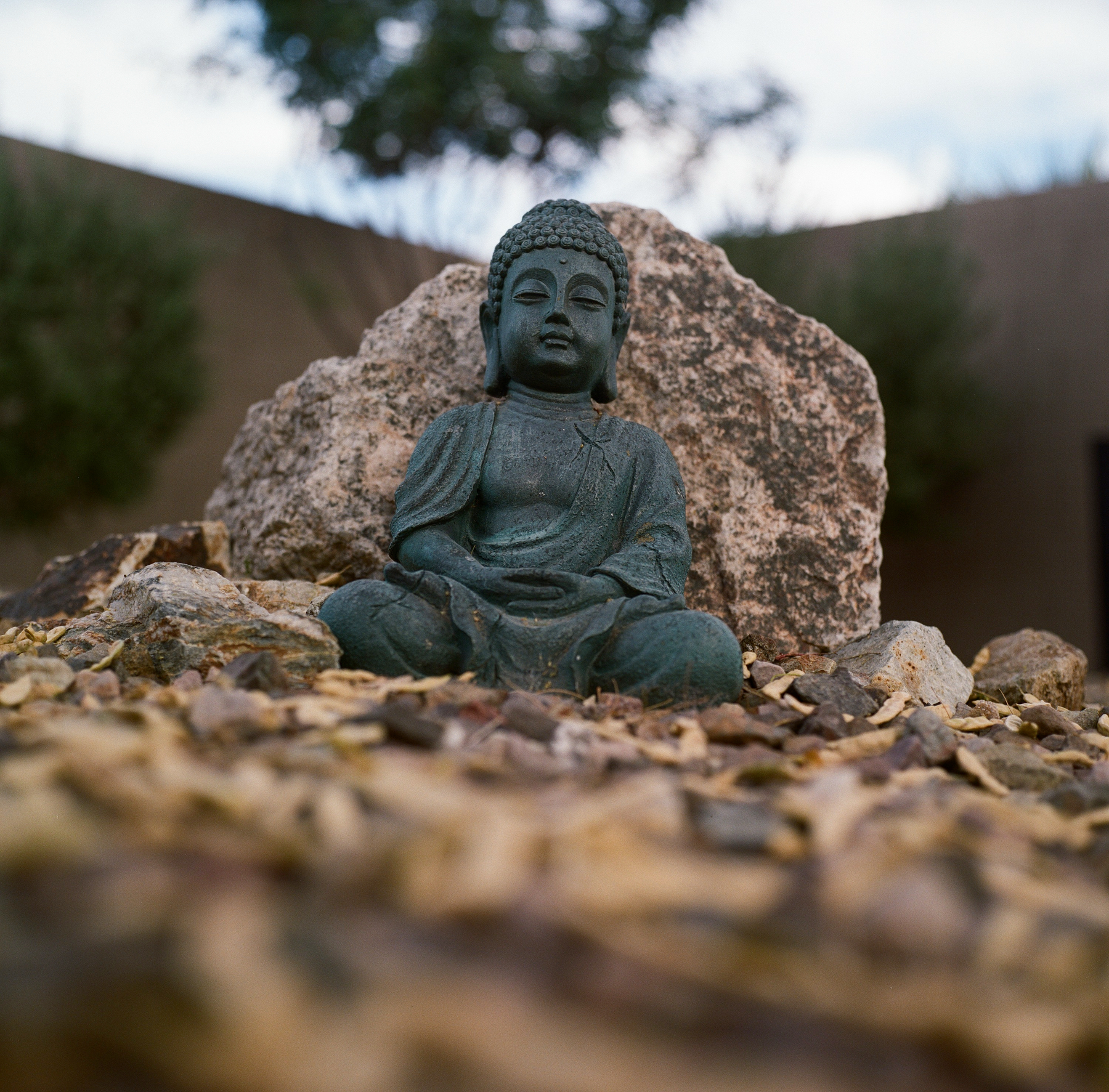
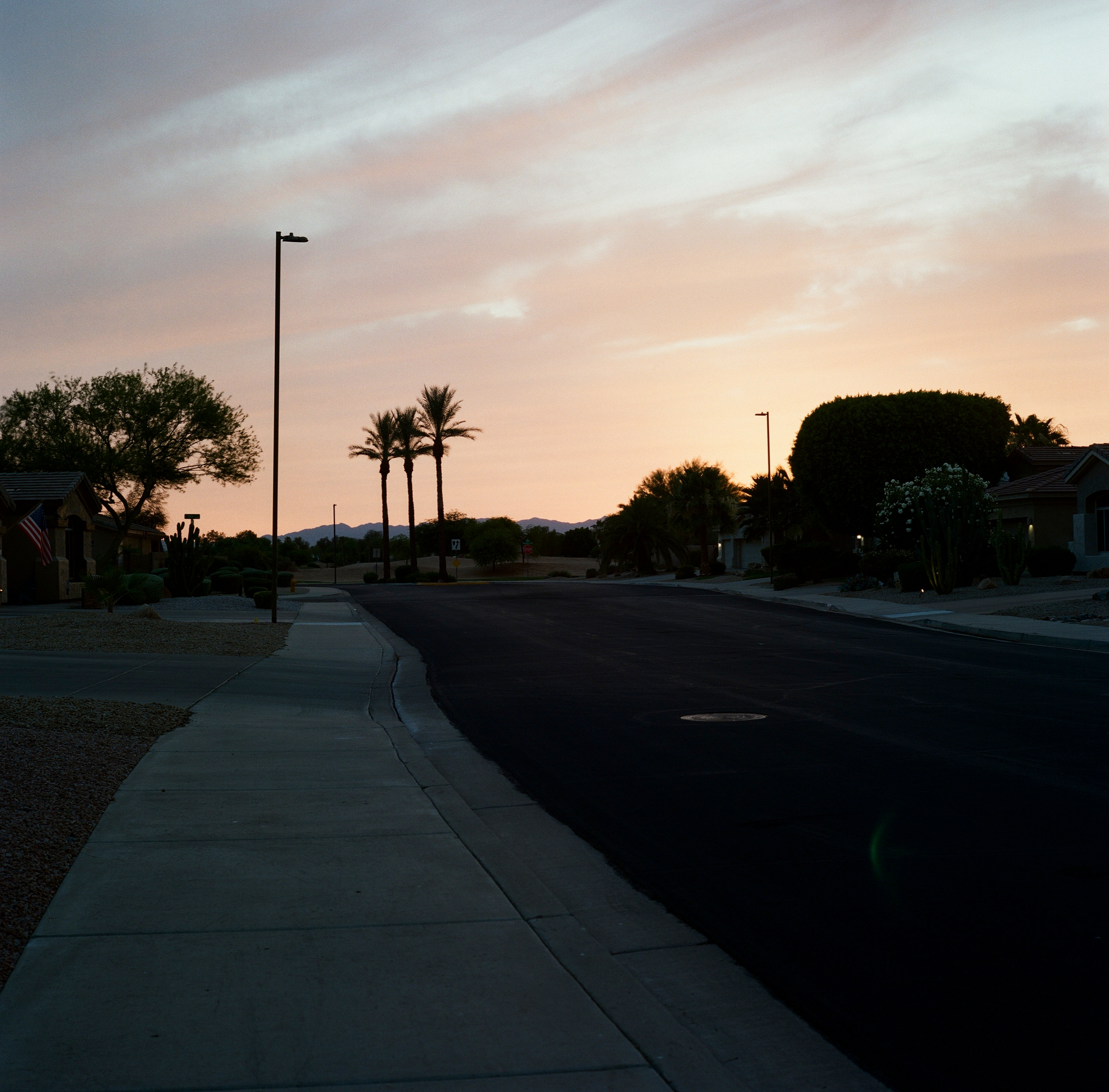
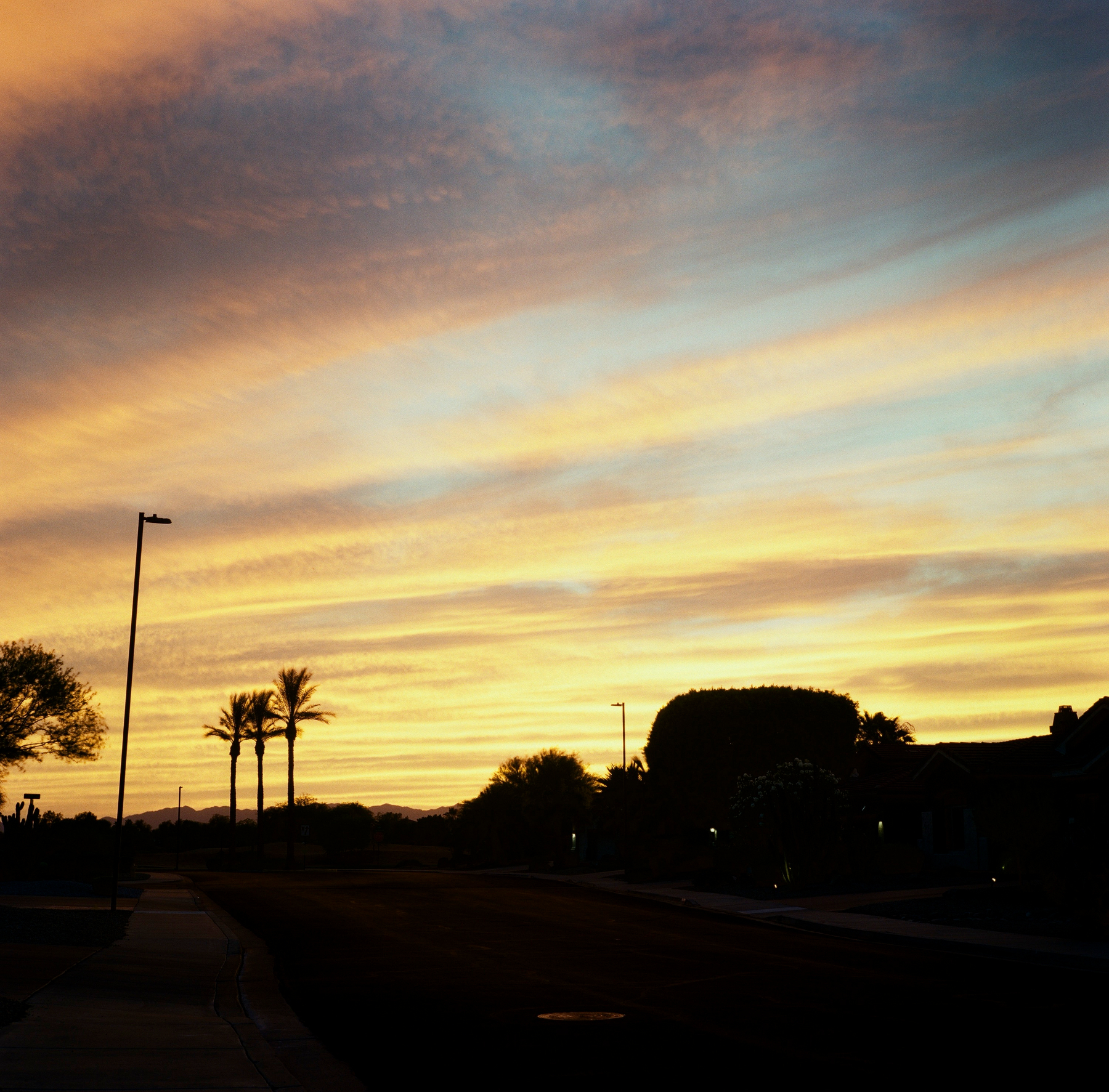
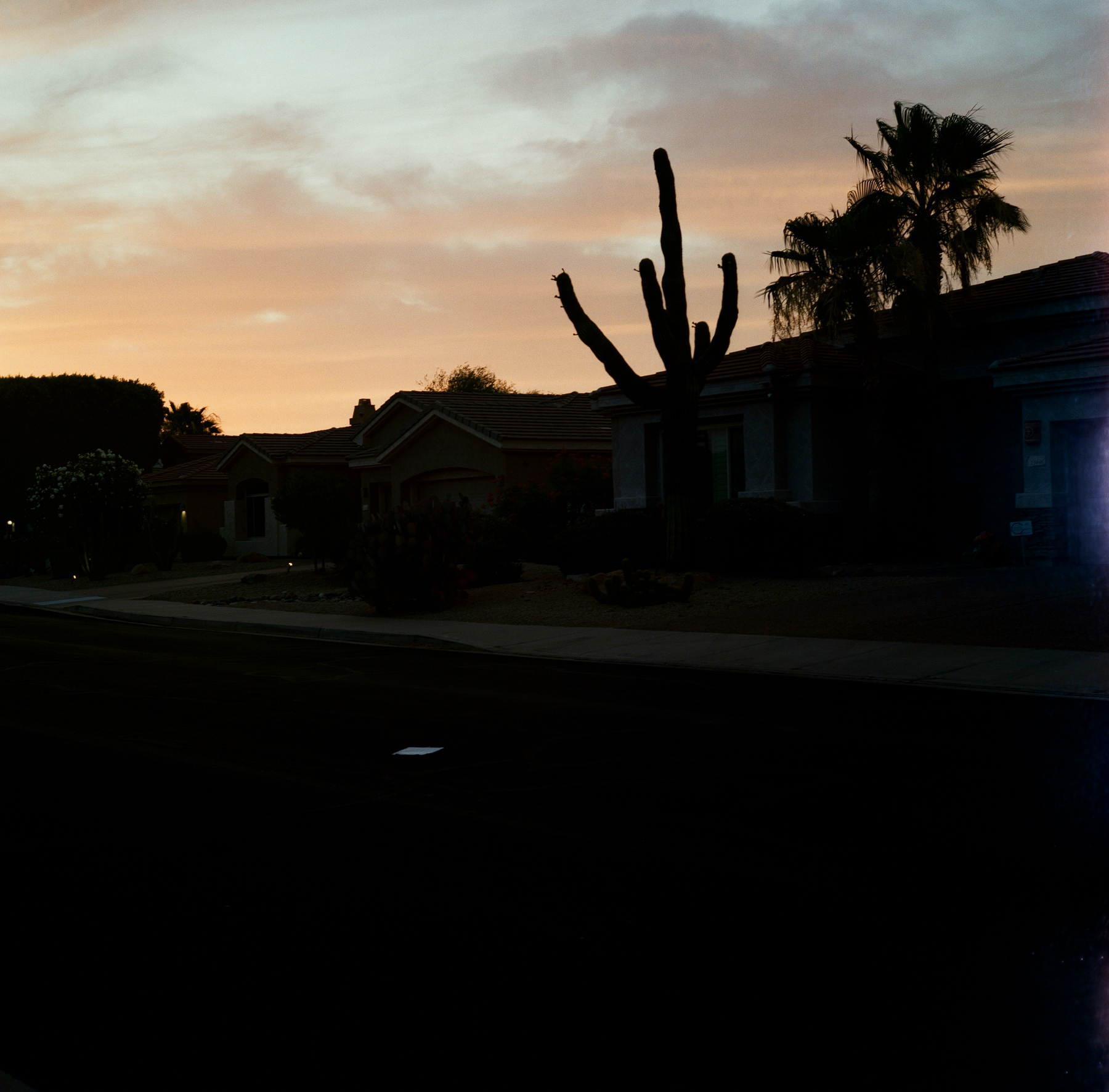
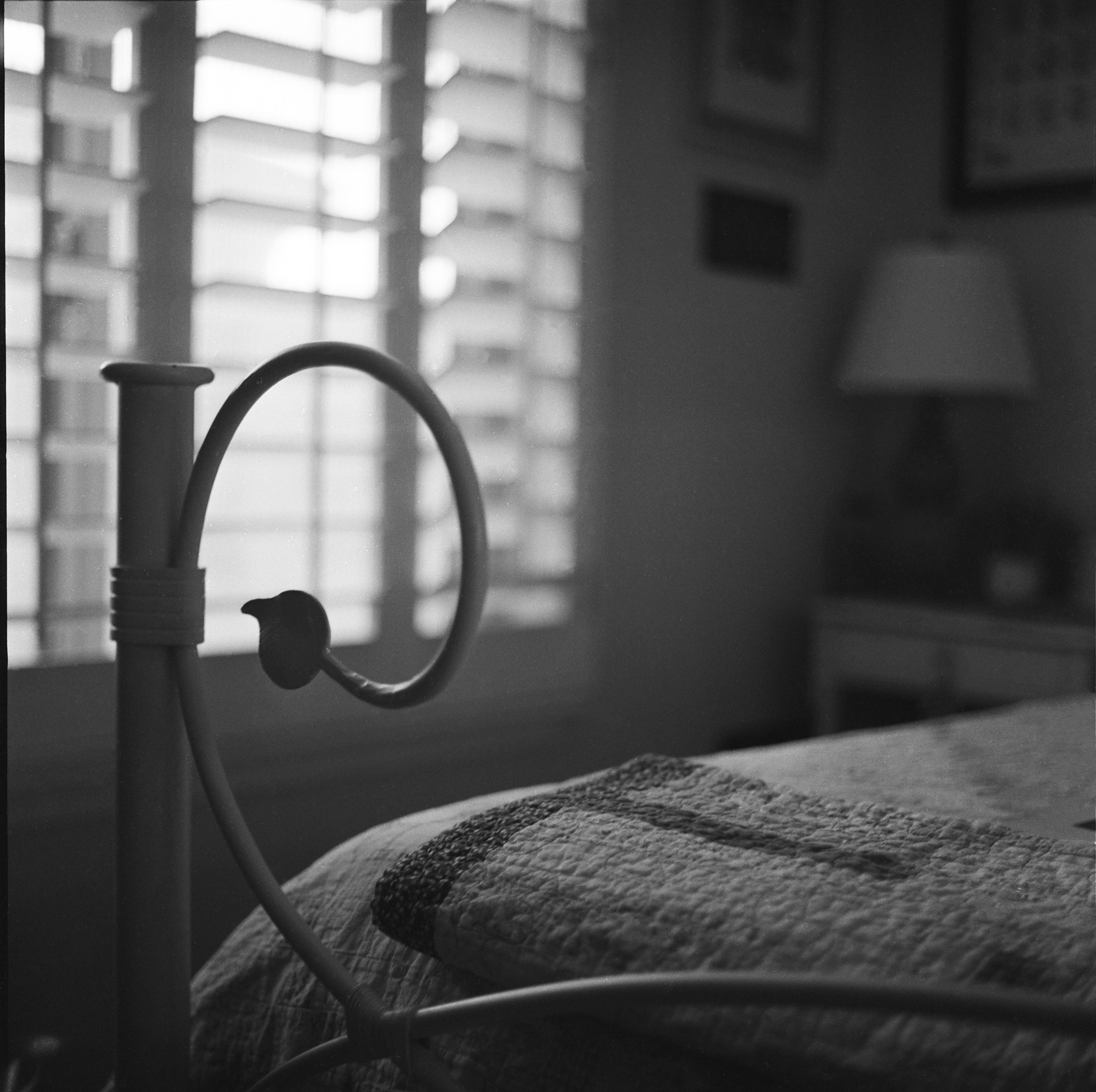
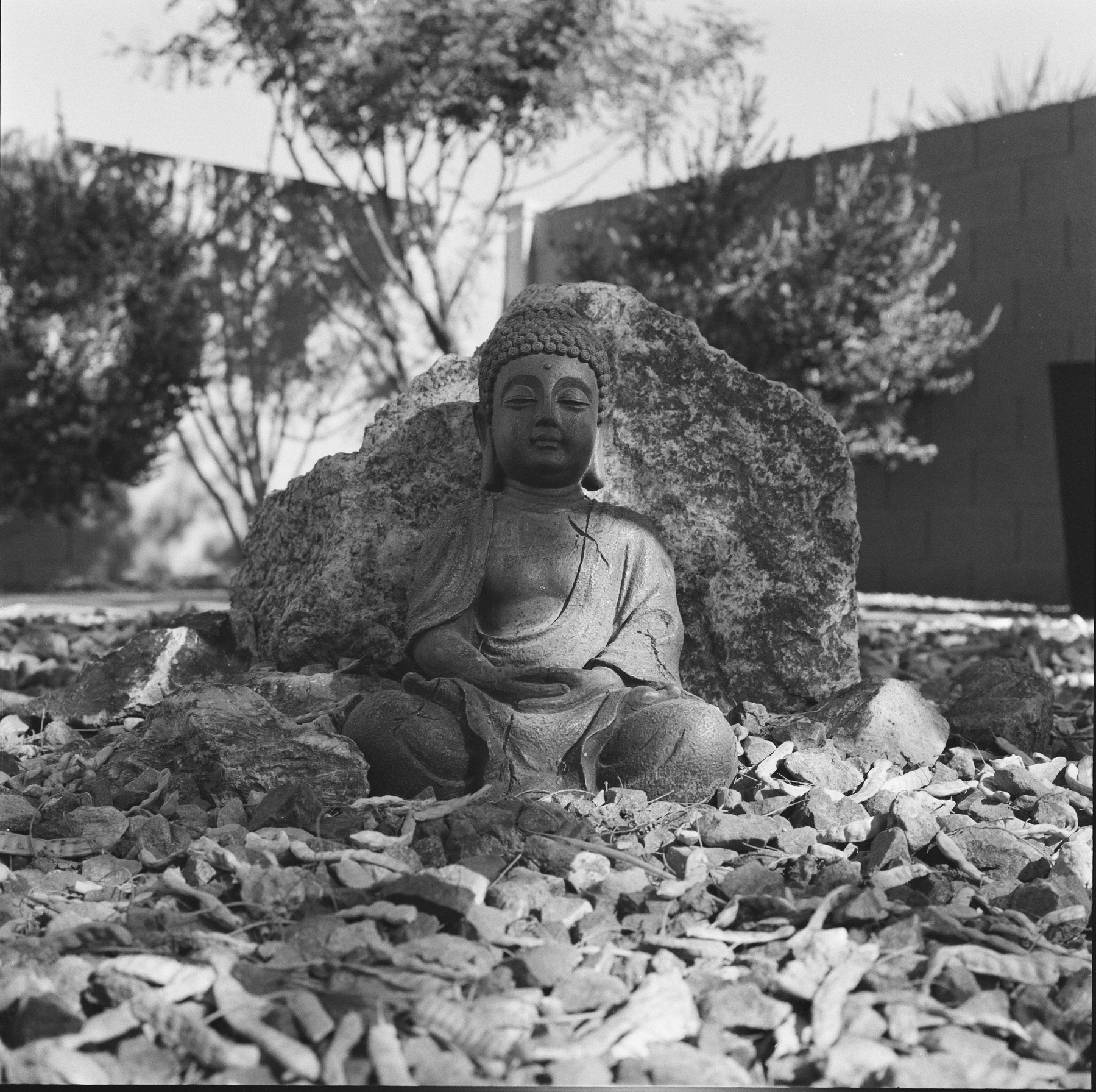
My second try with new knowledge and tweaks to the software and camera settings.
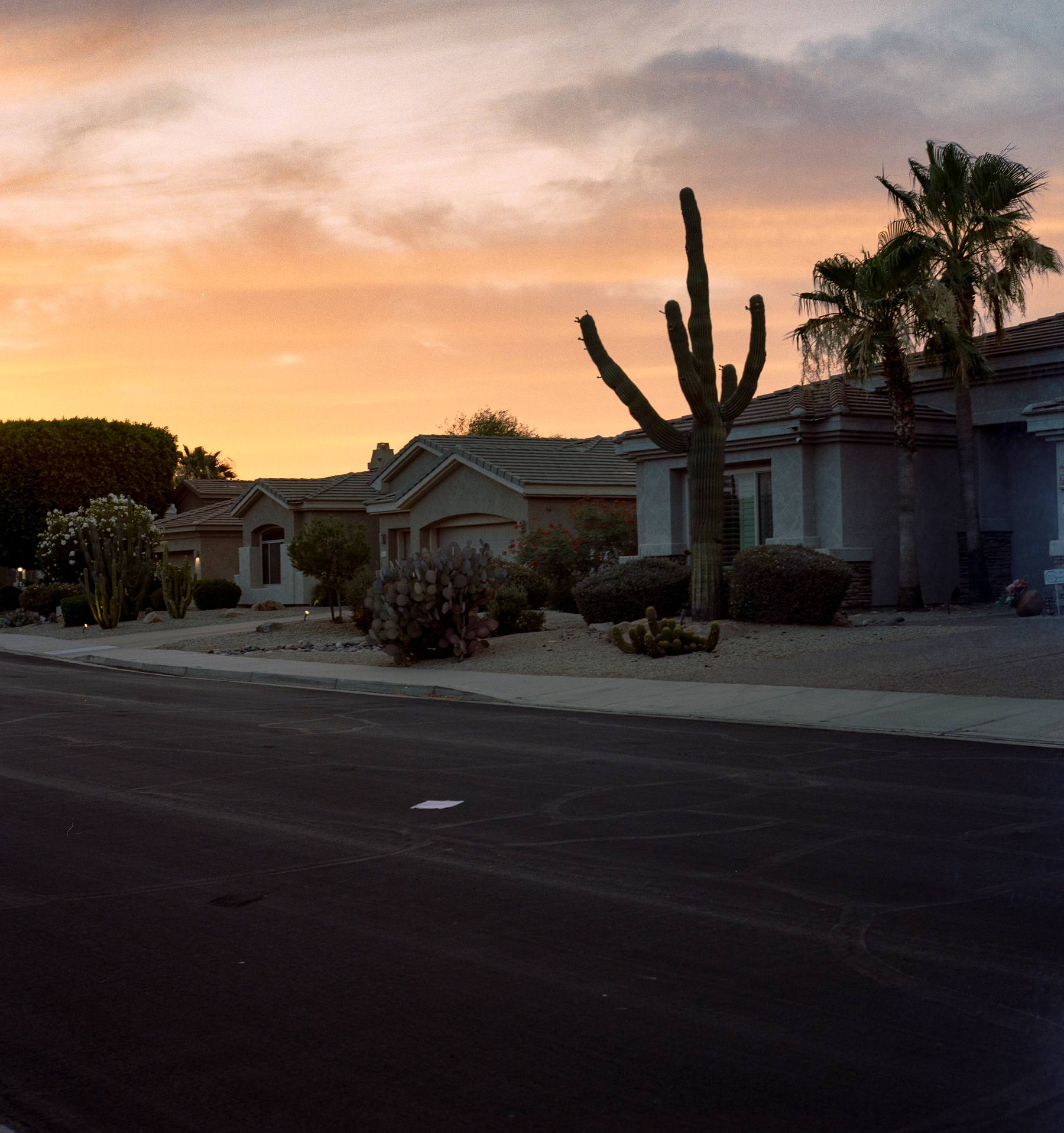
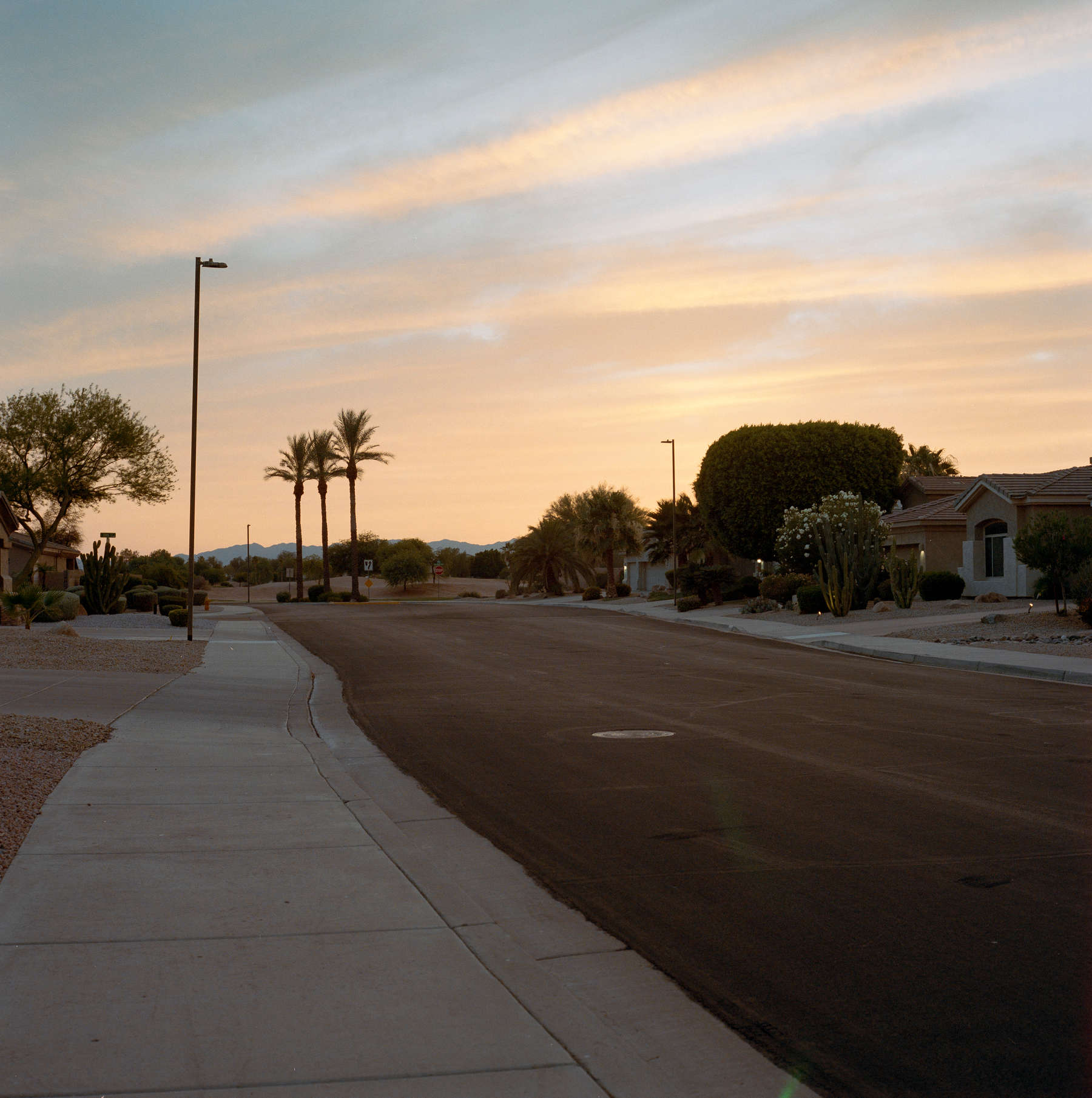
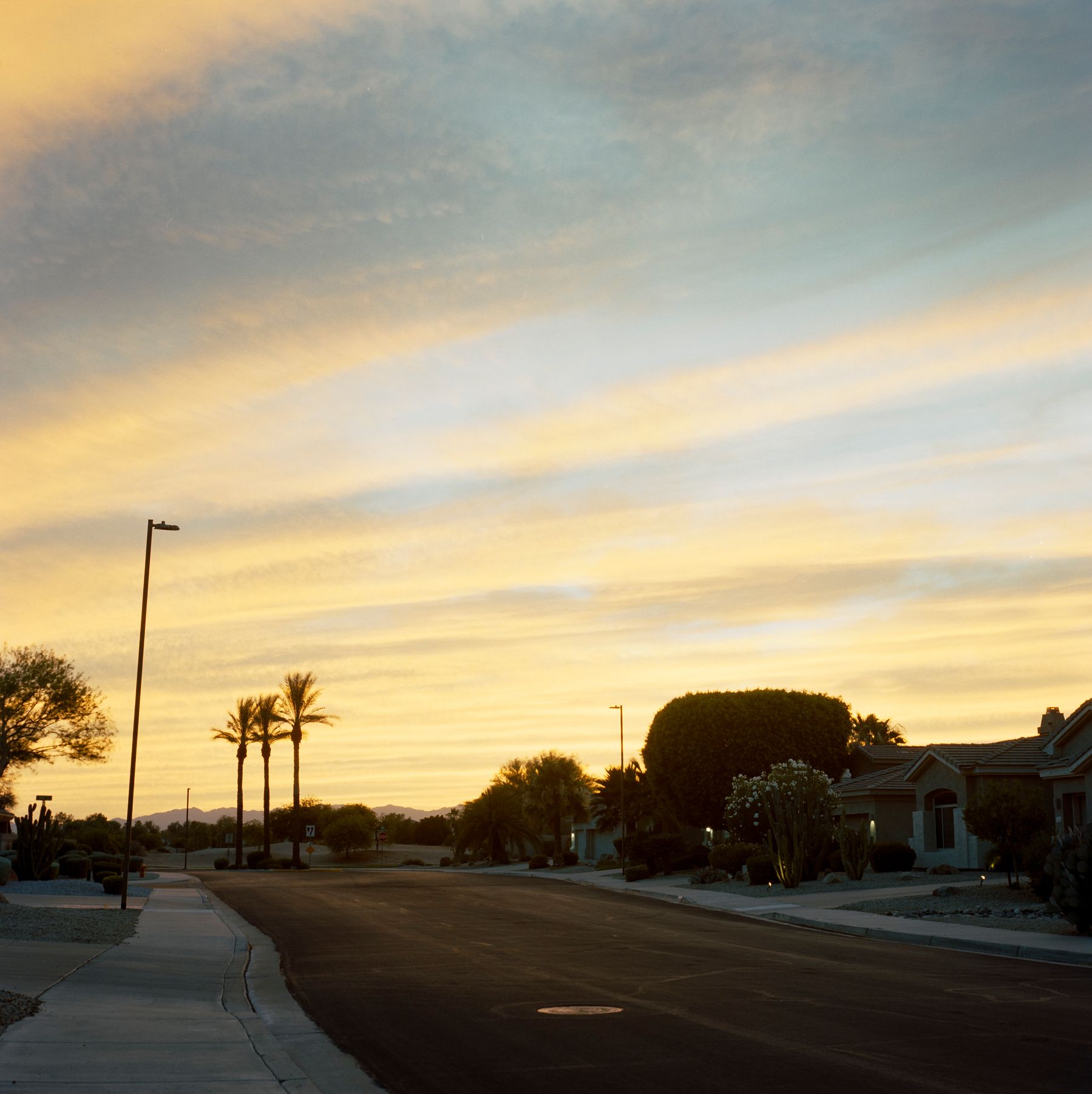
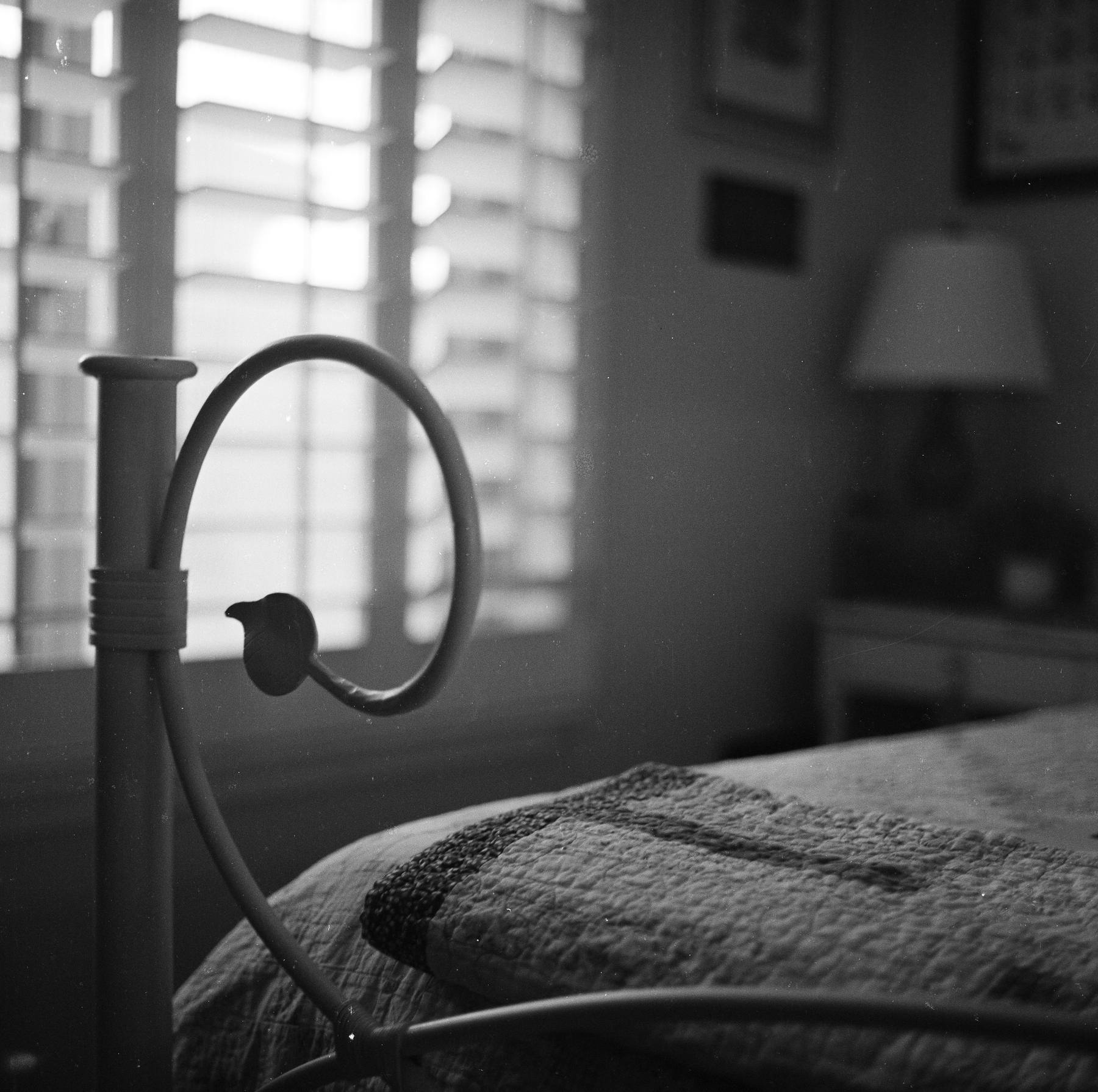
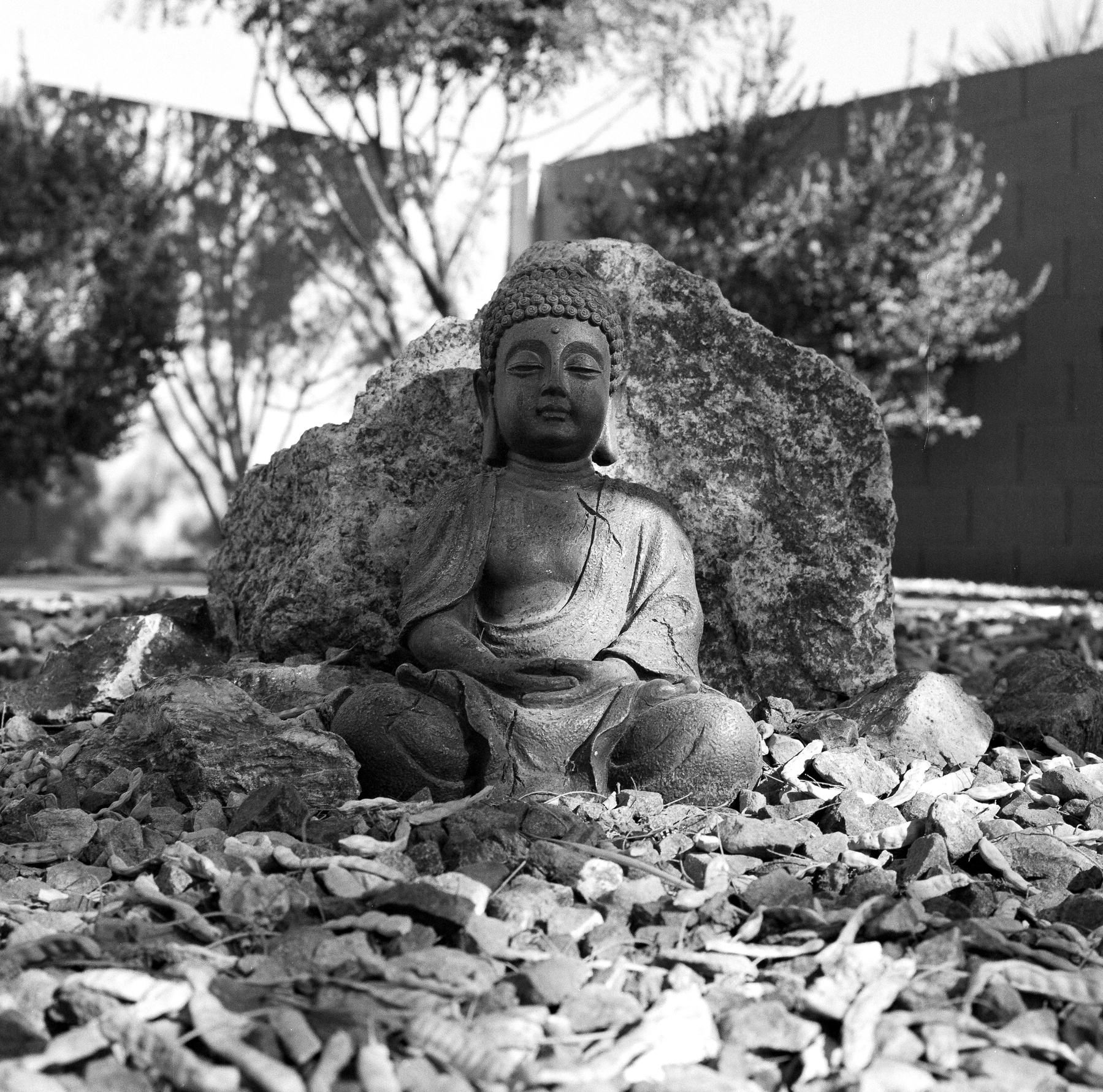
Sad day for taking photos, but a good day on the film scanning front!
More down in Stray Pixels about the film journey.
Film Journey:
Today was mostly an office day to see if I could do my own scans of my negatives and get them close to the professional lab results.
I’m going to post the professional lab scans, then my camera scans. My goal is to be able to scan my own negatives and at least come close to lab-quality. I know labs vary widely, and I only have one lab to compare to right now, but I don’t think mine are that bad, especially for my first attempt. There is a pretty steep learning curve, and I’m sure I’ll get better as I learn more and practice. Please ignore the photo content; these were test shots to make sure my grandfather’s Rollei was still working, and my light metering technique was working. I was just shooting random stuff around the house. Oh, and ignore the dust! My word, the dust on my black-and-white negatives was horrible. I’m going to have to be way more careful in the future.
I’m also going to have to decide where I’m going to document my film journey. Here in Stray Pixels, or I should probably just make a proper page over on Cliff538.com. I will give this some thought.
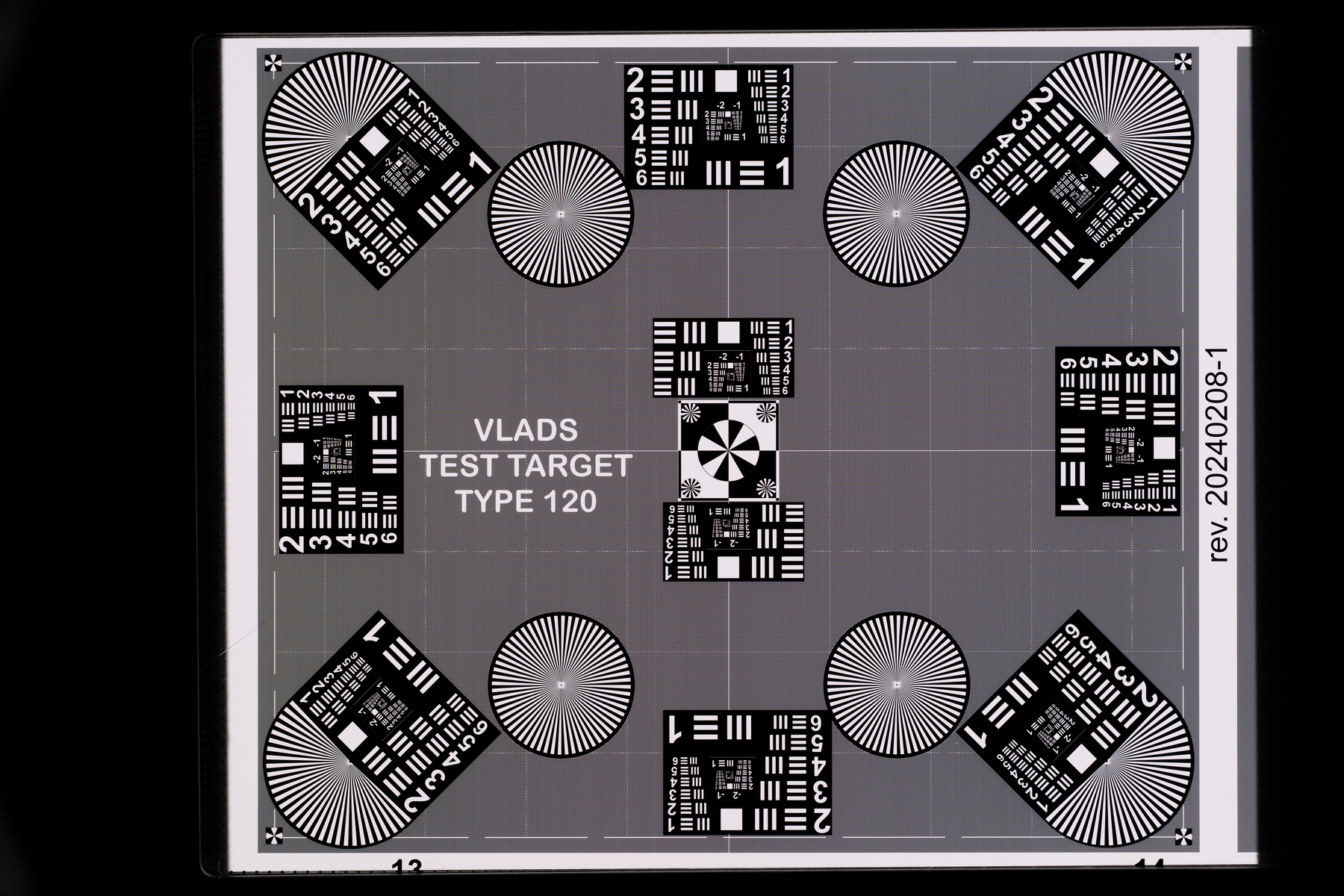
The last photo is a Vlads Test Target. It’s a simple concept that works really well for testing sharpness, especially in the photo corners. Setting up your camera and film scanner so that everything is straight and parallel is really important. Then figure out which aperture setting on your lens gives you the best focus, especially in the corners. I was using f/8 on my lens, and there is some softness in the corners. This warrants some testing with other apertures.
I used my Nikon Z8 with an MC 105/2.8 lens and a Valoi 360 system. Processed with LightRoom Classic and Negative Lab Pro.
All shots taken with a Rolleiflex. The color film was Kodak Portra 400, and the B&W was Ilford HP5 400.
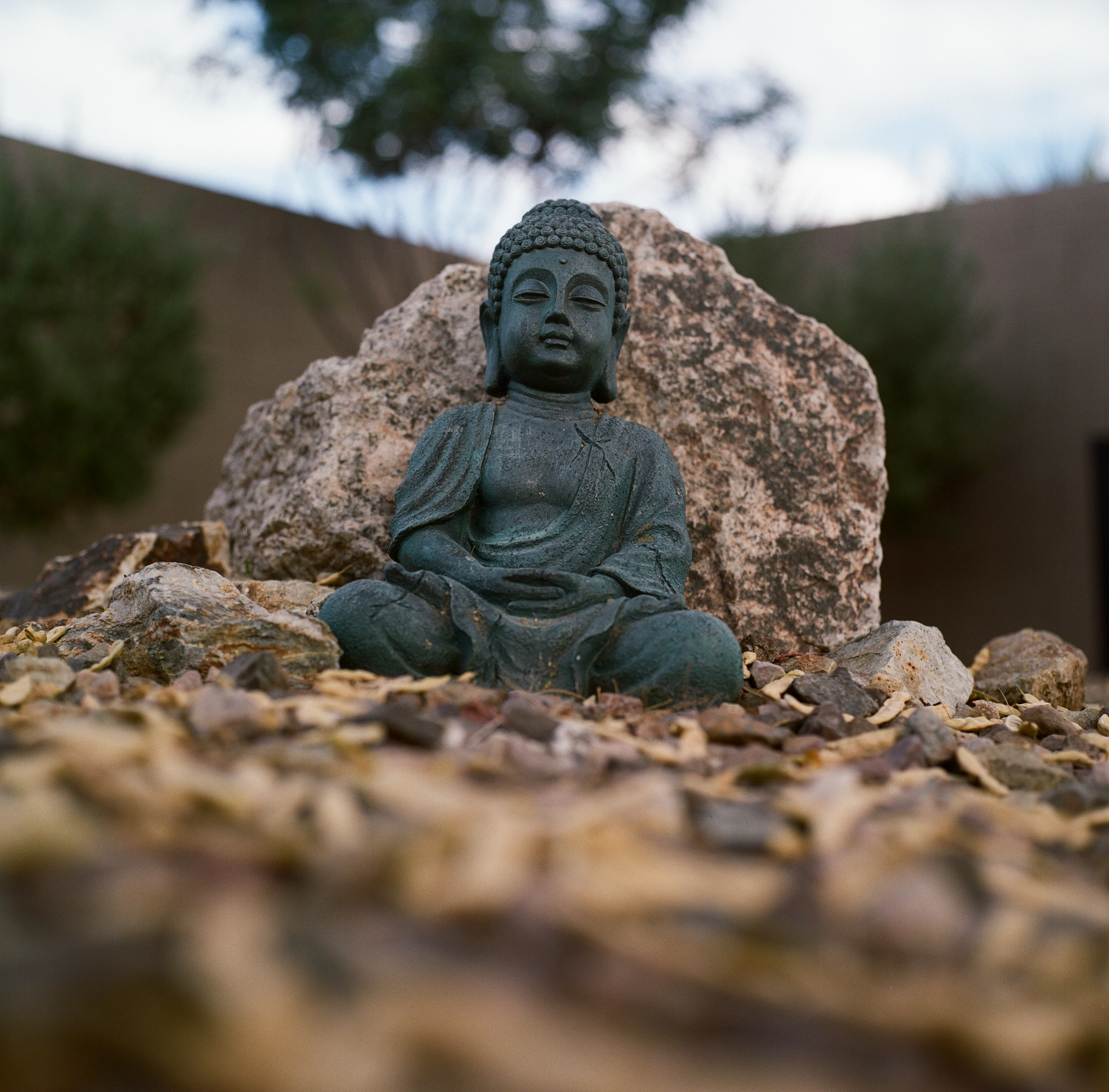
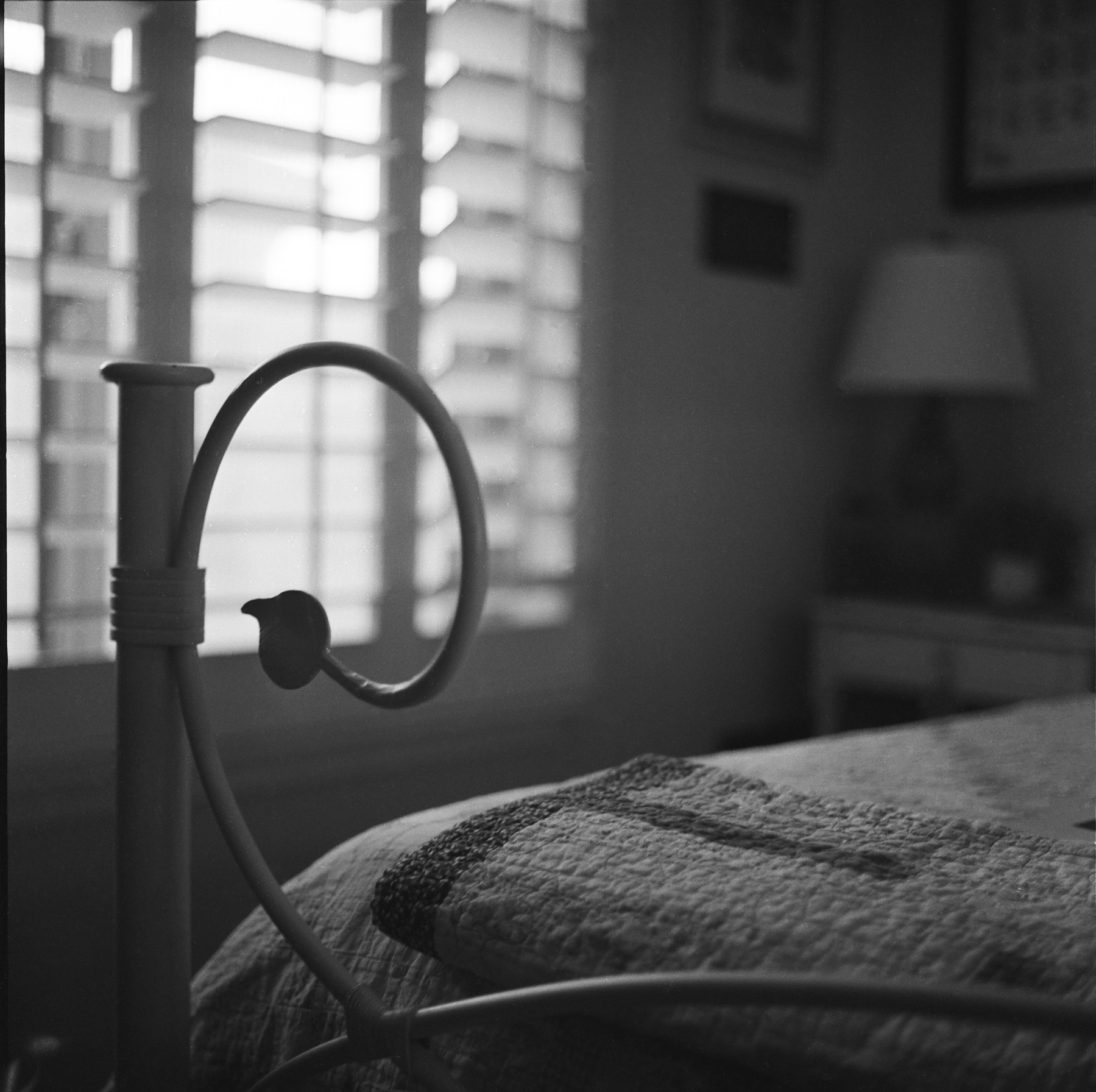
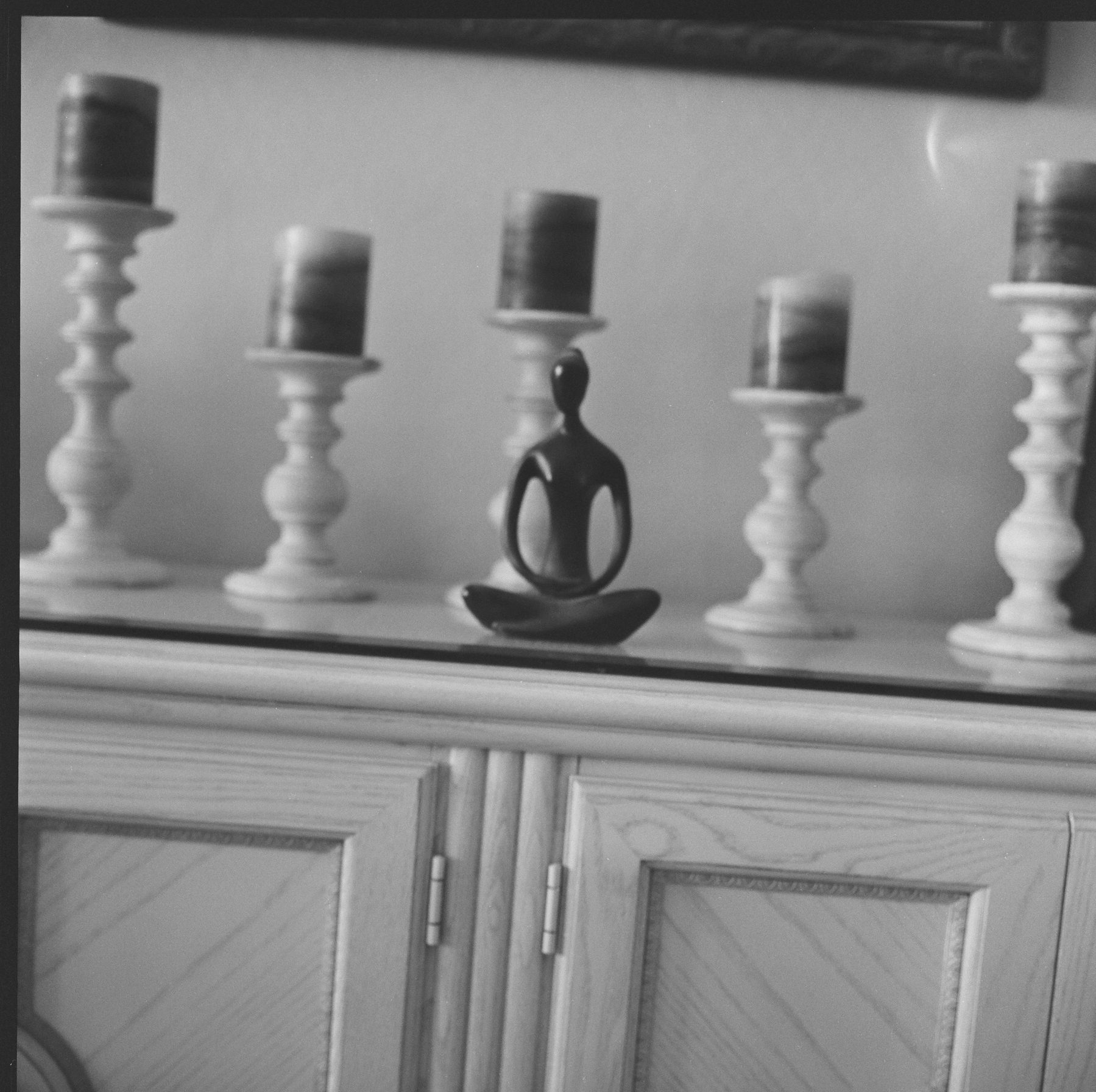
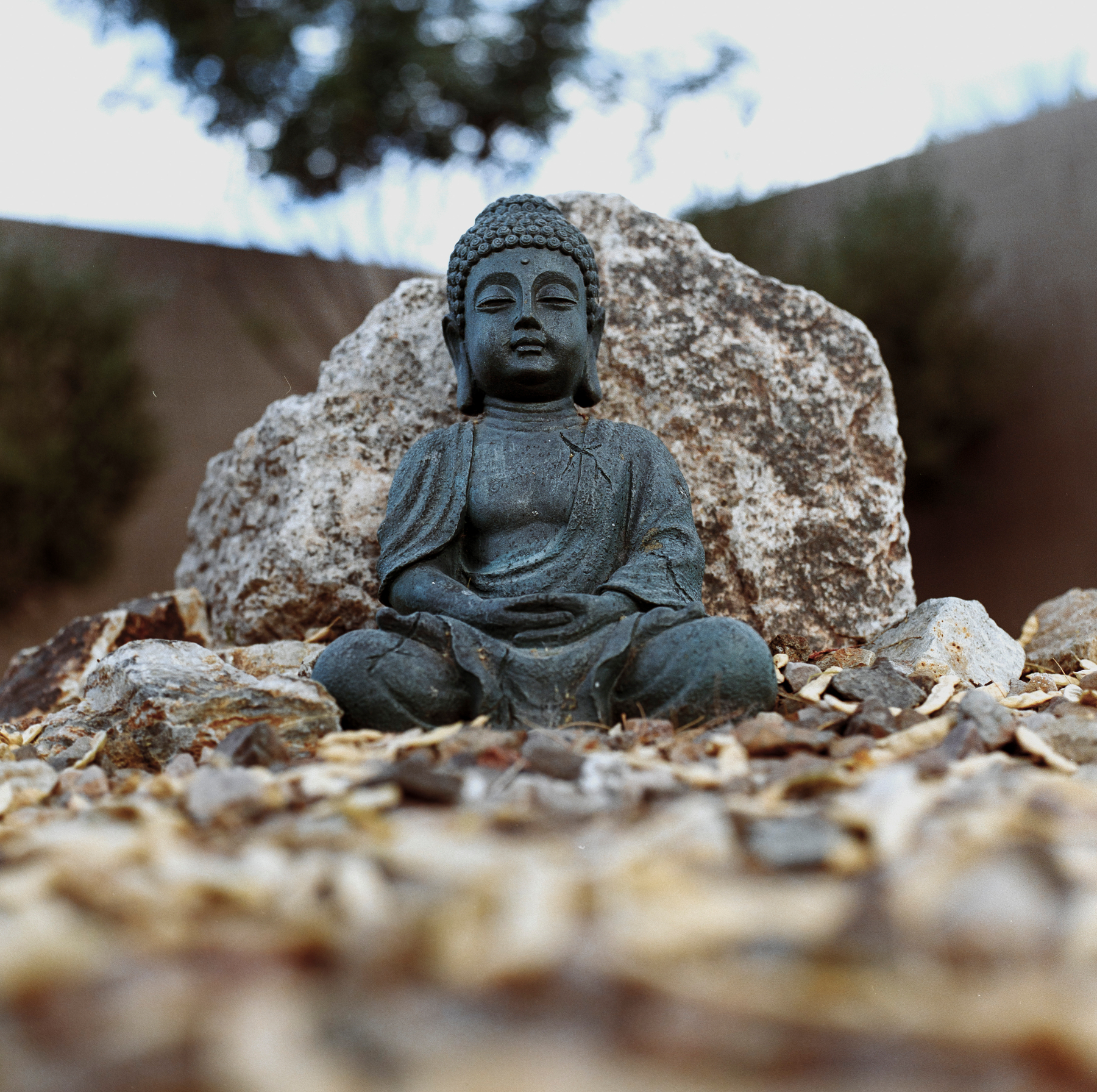
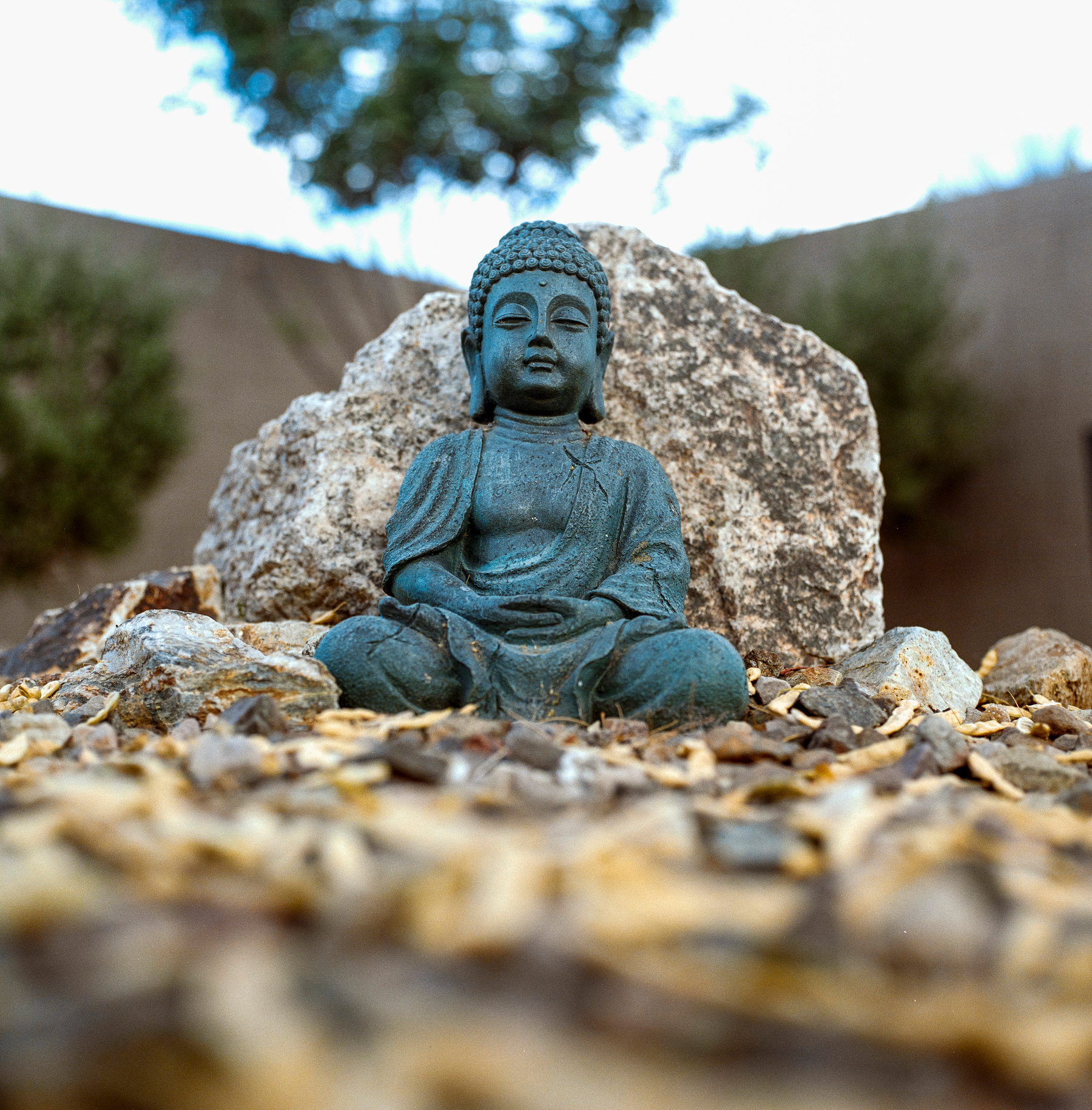
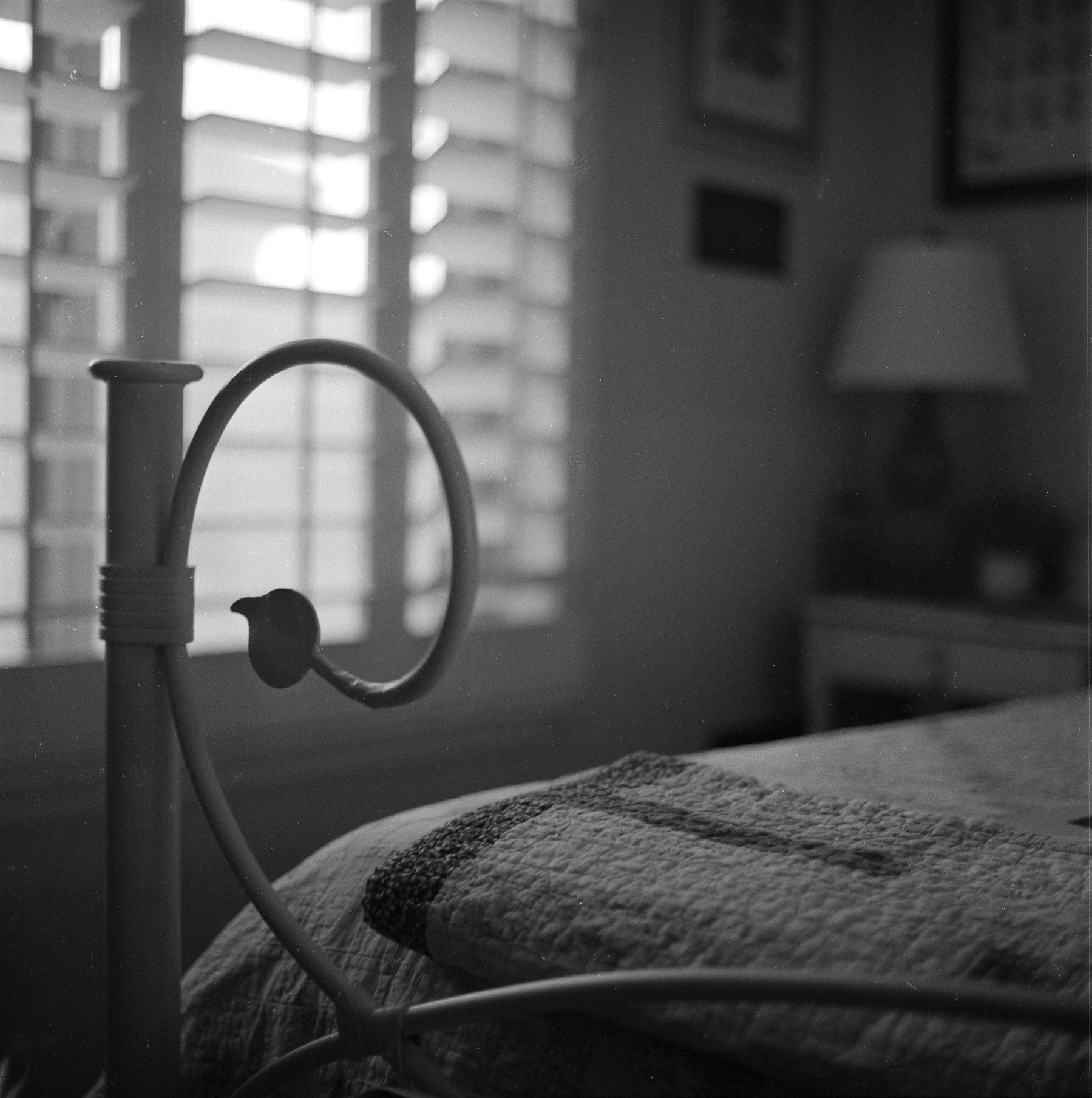
Four A.M. sharp is van time. I was out by the curb early with a cup of coffee, sitting in the dawn’s first light, all alone, listening as the birds slowly woke and began announcing the day. A peaceful little pocket of quiet before the hectic day ahead: airports, crowds, and full aluminum tubes streaking through the air at 500 miles per hour.
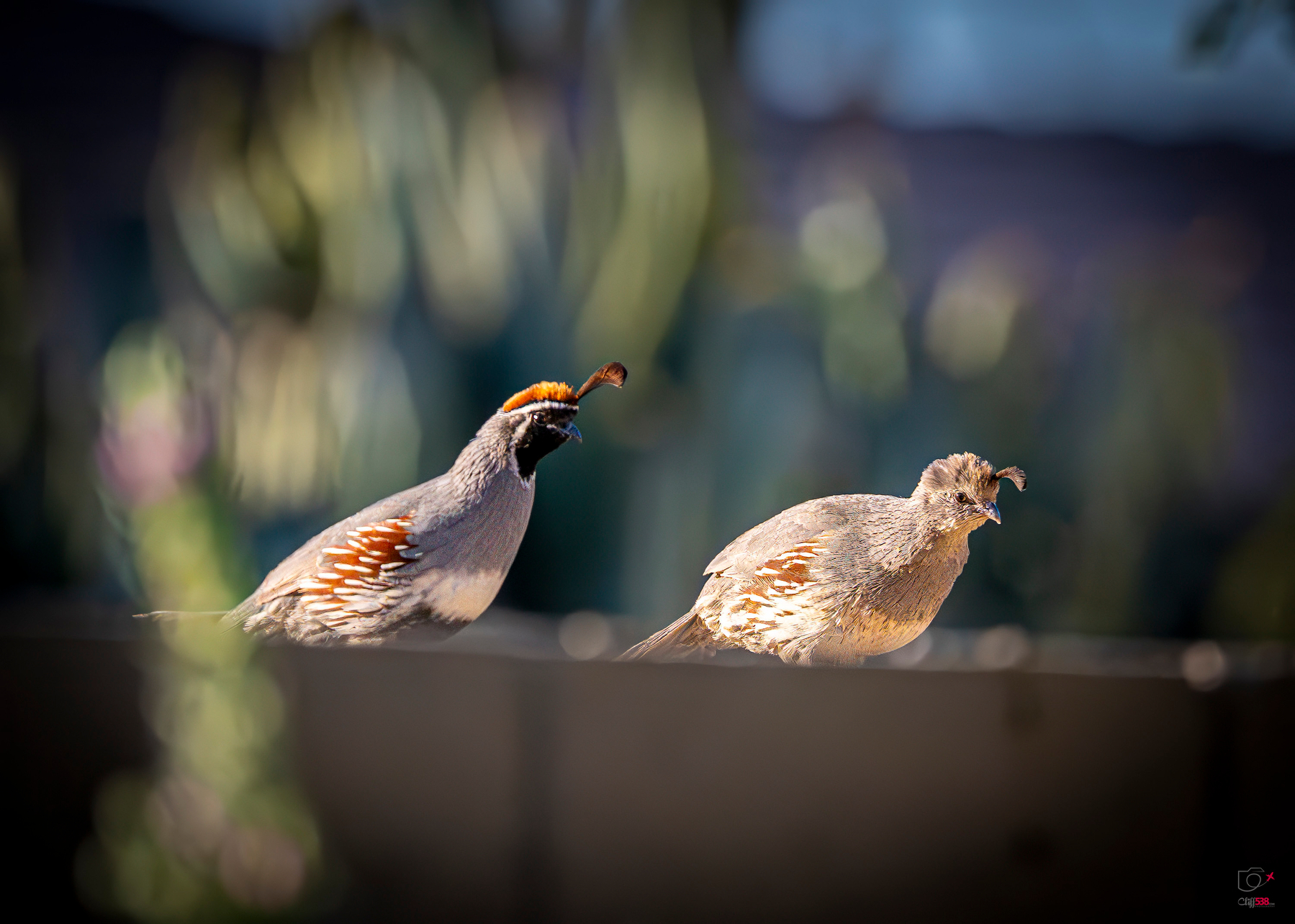
My morning bird shots will be coming to a close for the Summer. It’s bloody hot in the mornings now, and I’m not happy about it. One of life’s true little pleasures for me is sitting outside in the morning watching the birds with my coffee and camera.
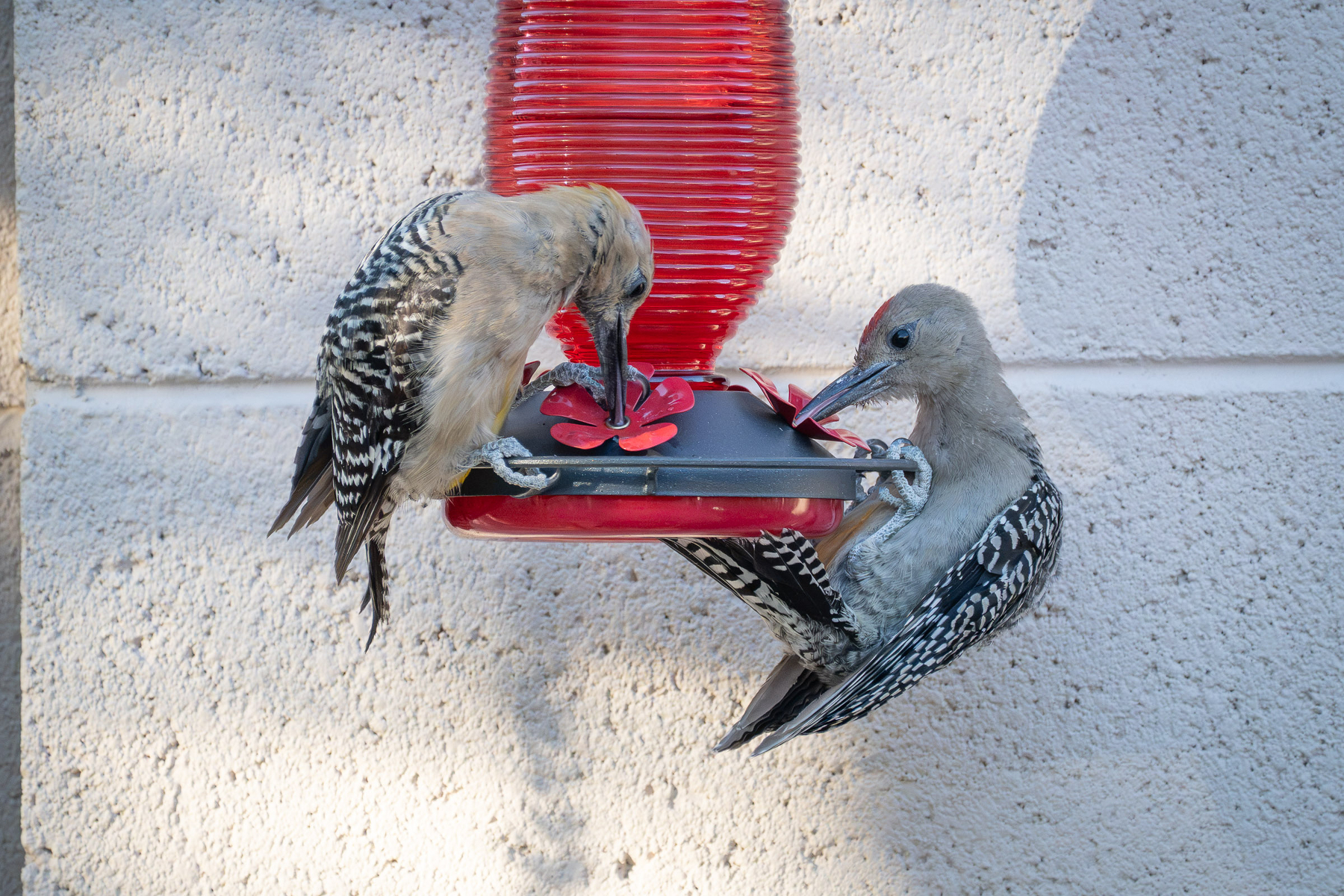
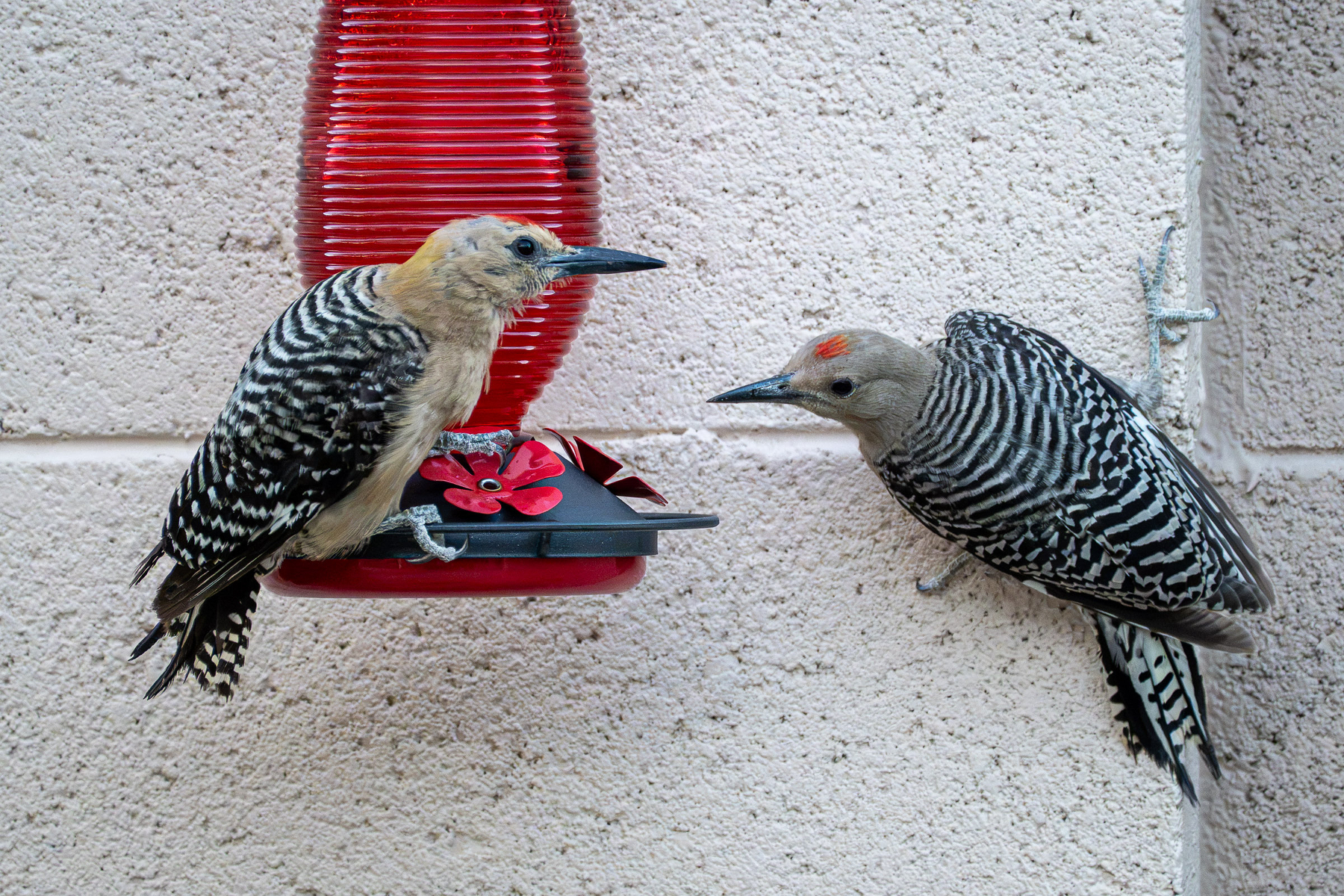
This nice couple gave me a few shots this morning. As you can see, the female is in focus, but the male, not so much. My shallow depth of field bit me. My plane of focus was so narrow that their being offset just a touch was enough to throw the male out of focus. But it’s my shot of the day nonetheless.
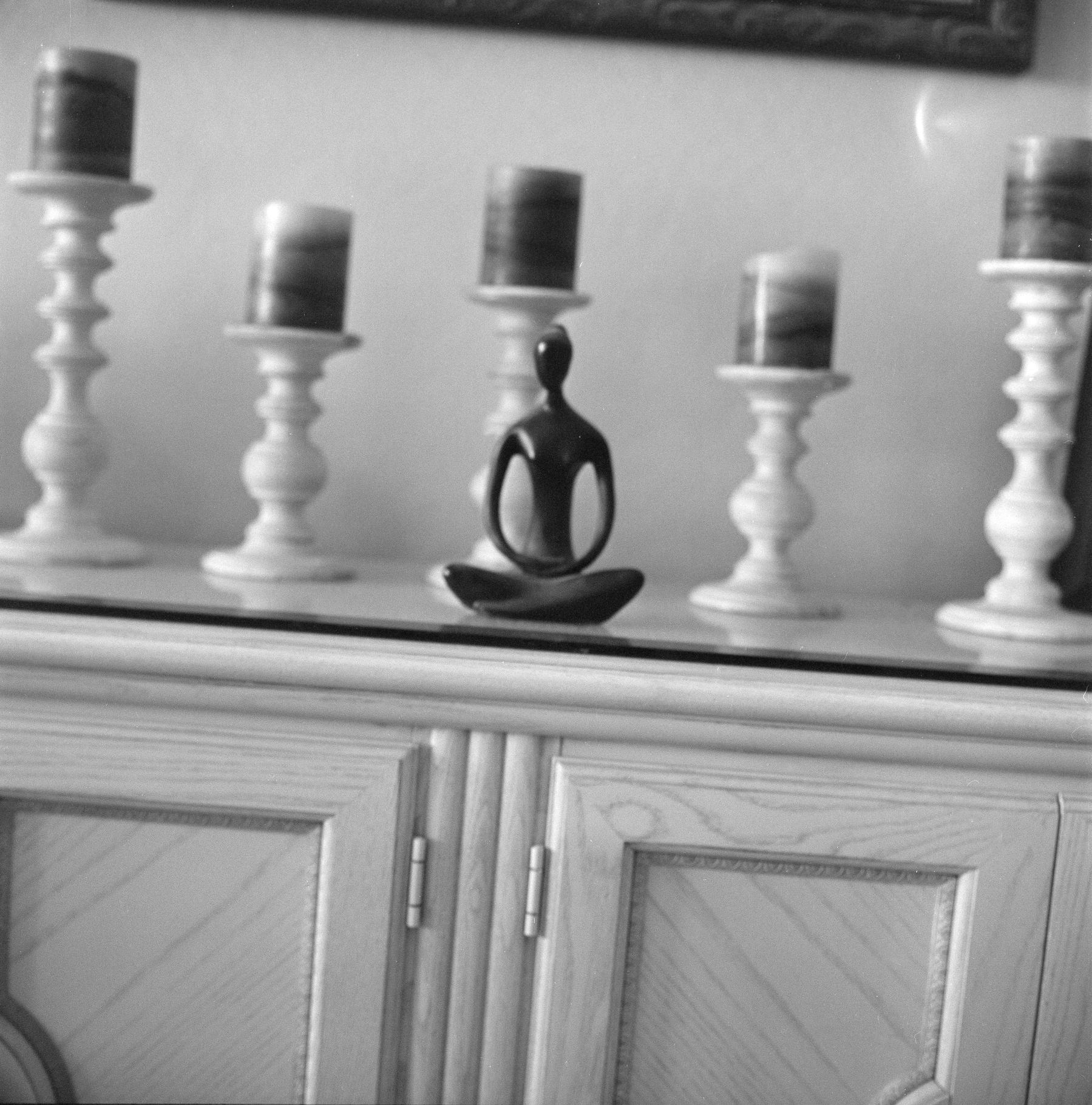
Film Journey: Got my first roll of Portra 400 back from the lab today. These would be the first pictures taken with my Grandfathers Rolleiflex in over 40 years, I believe. I didn’t take the time to take good photos because I just wanted to make sure the camera was working, didn’t have light leaks, and that my light metering technique was at least in the ballpark. (Grandpa Leamer, your beautiful Rollei still takes great pictures…)
Still waiting on the Ilford B&W negatives/scans.
Down in Stray Pixels, I’ll put the one shot that is even slightly worth showing. I’m very happy with my exposure and with the sharpness. Love that tight grain. But, boy, did I have to straighten the photos. There is a learning curve dealing with a waist-level viewfinder!
If you’re a film person, you’ll laugh at my observations, but I haven’t shot film since high school and college. It’s funny to me that I’ve been shooting digitally and using film emulation on some shots. Then I get these scans back and stare at them, thinking, “This is the real deal, real Kodak Portra, no simulation needed.”
Photography is a funny thing these days. Digital, film, emulations, filters, recipes, A.I., apps. Even shooting film and scanning negatives to make them digital so you can post them is funny to me. You take negatives, scan them, and then you can still tweak to some degree, colors, brightness, sharpness, etc. Are they film shots still? (That’s rhetorical). You have purists who think most of this is sacrilegious.
I’m not in any camp. I love photography. I don’t care how you do it. In fact, tell me how you do it. Tell me your process. I’m curious about your art and how you make it. It’s yours. Don’t let anybody tell you your art is less than because you don’t follow their rules. We all have our preferences and beliefs. I respect yours, and maybe I’ll even adopt some of yours if they make sense to me. I always try to follow the mantra of “Strong Opinions, Loosely Held.” Be open to change, to new data, to new ideas. It will make you a better person and photographer.
I’m really enjoying my photography journey these days. Digital shooting, Rolleiflex, (BeerPan coming someday (35mm Pano)), printing, film, negatives, scanning, it’s just all really interesting and fun exploring as much as I can. Heck, I’m watching a very in-depth Large Format Photography course right now, and there may be even more variety in the future. I’m just say’n: the 4x5 and 6x17 stuff looks awfully fun.
Anyway, I’m babbling now. Go take some pictures.
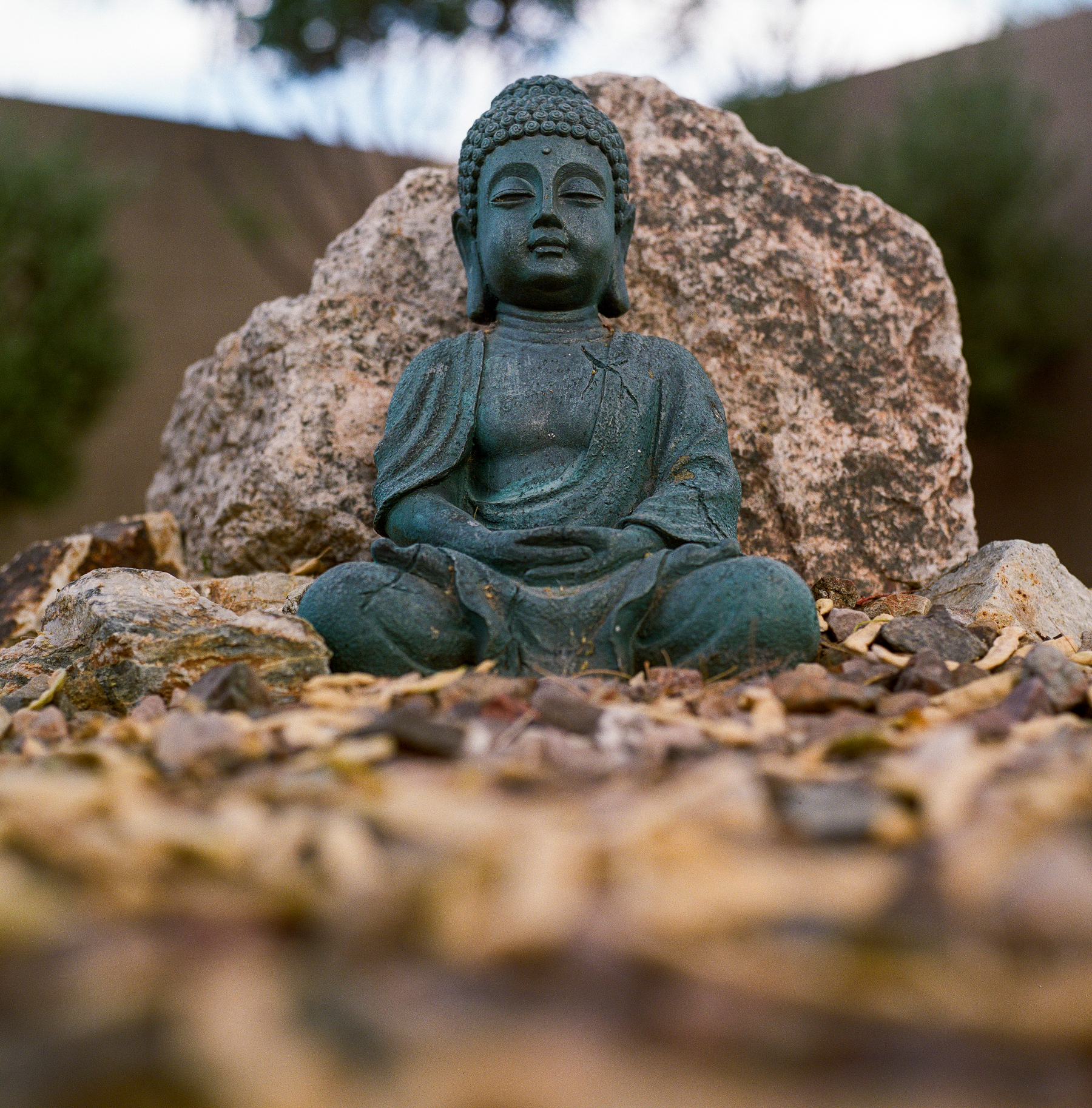
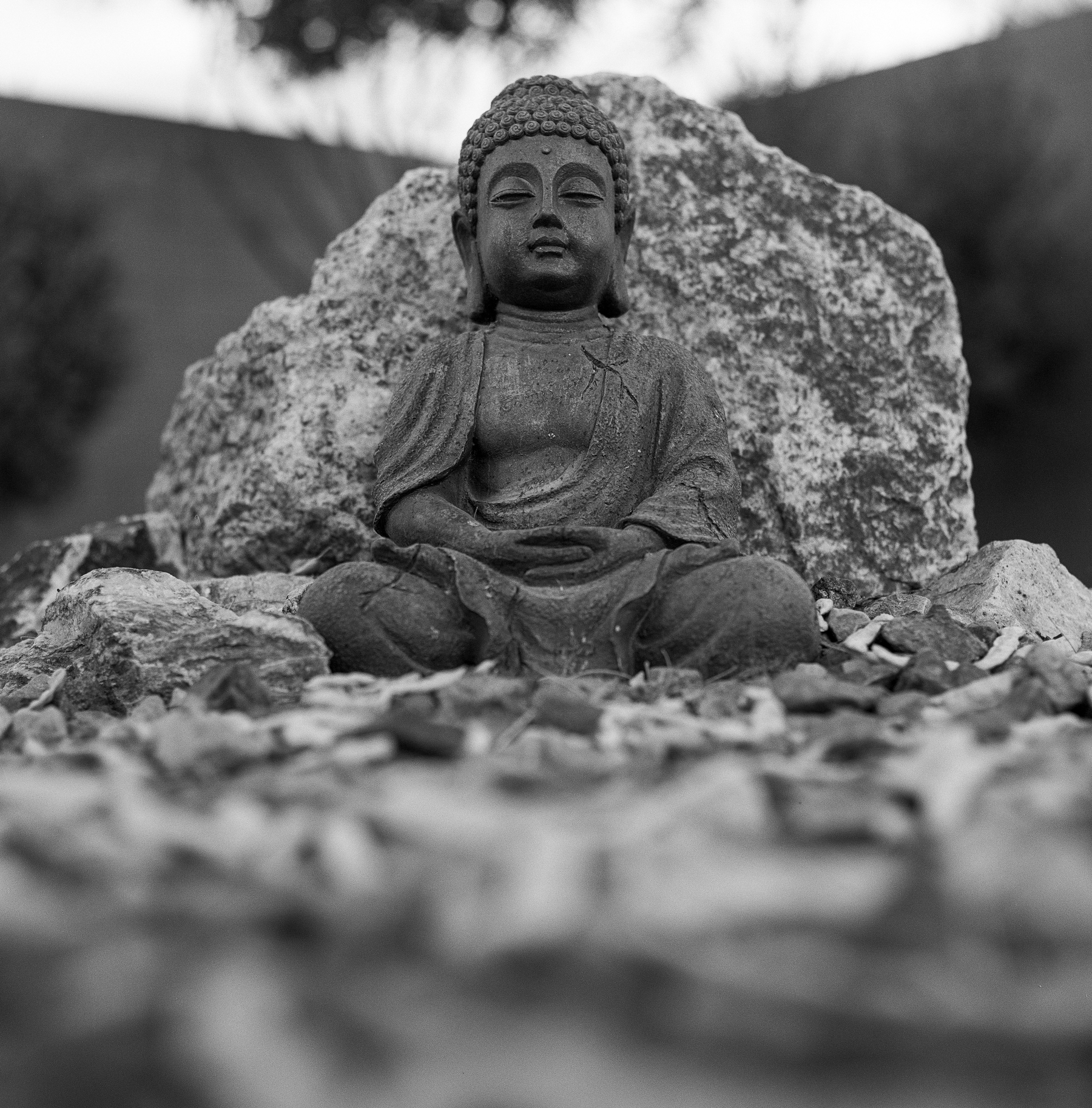
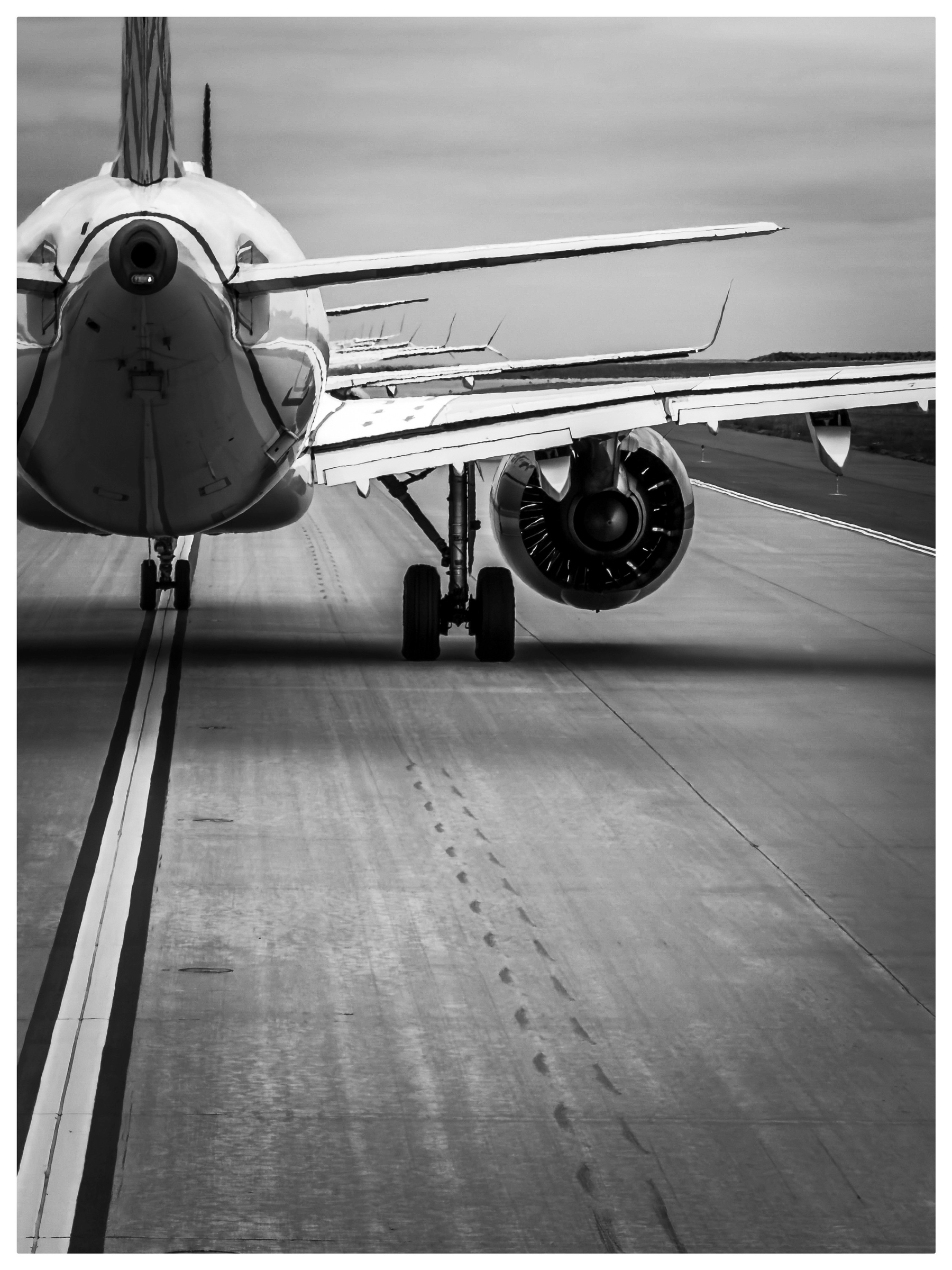
Grabbed these shots while riding in the back. It’s amazing what you can get through a little plastic window. Timing is everything.
Dorothy said it best, “There’s no place like home.”
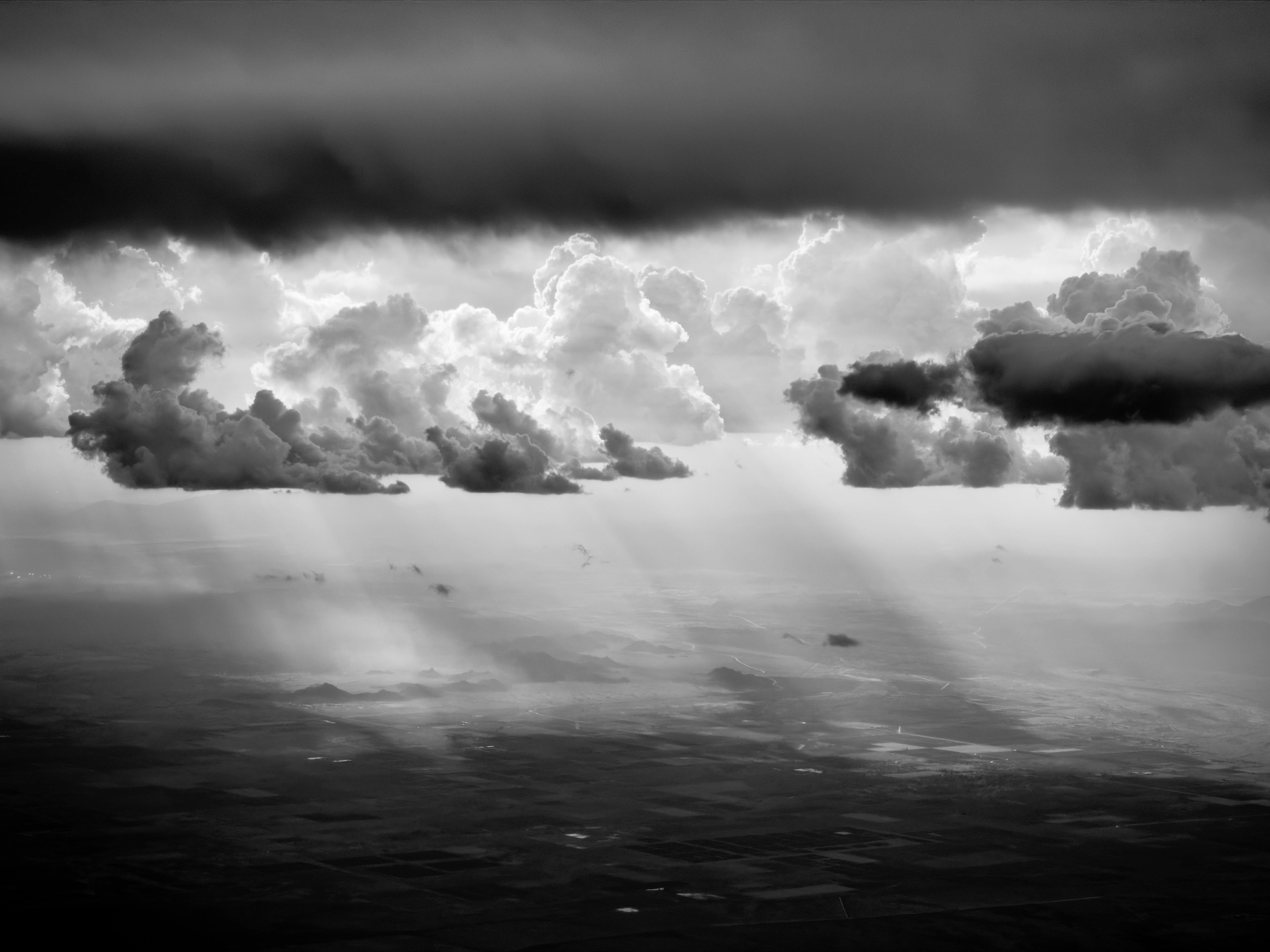
Last overnight in CUN, thank goodness. It’s so hot and humid here; I just can’t do it. I’m done until next winter.
A couple of decent shots and a number of unpublishable ones today. Some shots you think will be good just don’t turn out.
Nice weather, full airplanes, and on time, no drama, and no mechanical issues—all make for a good day.
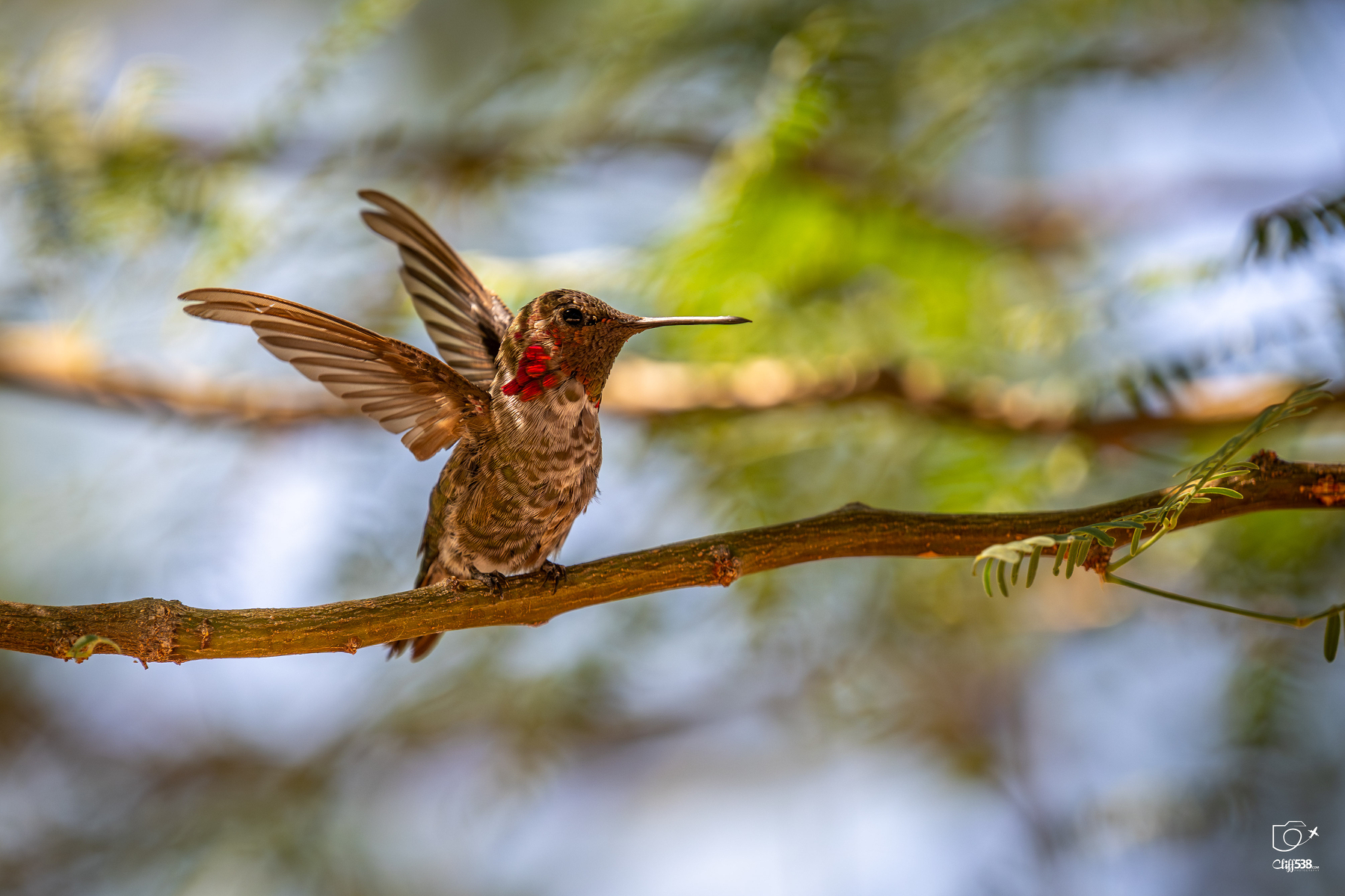
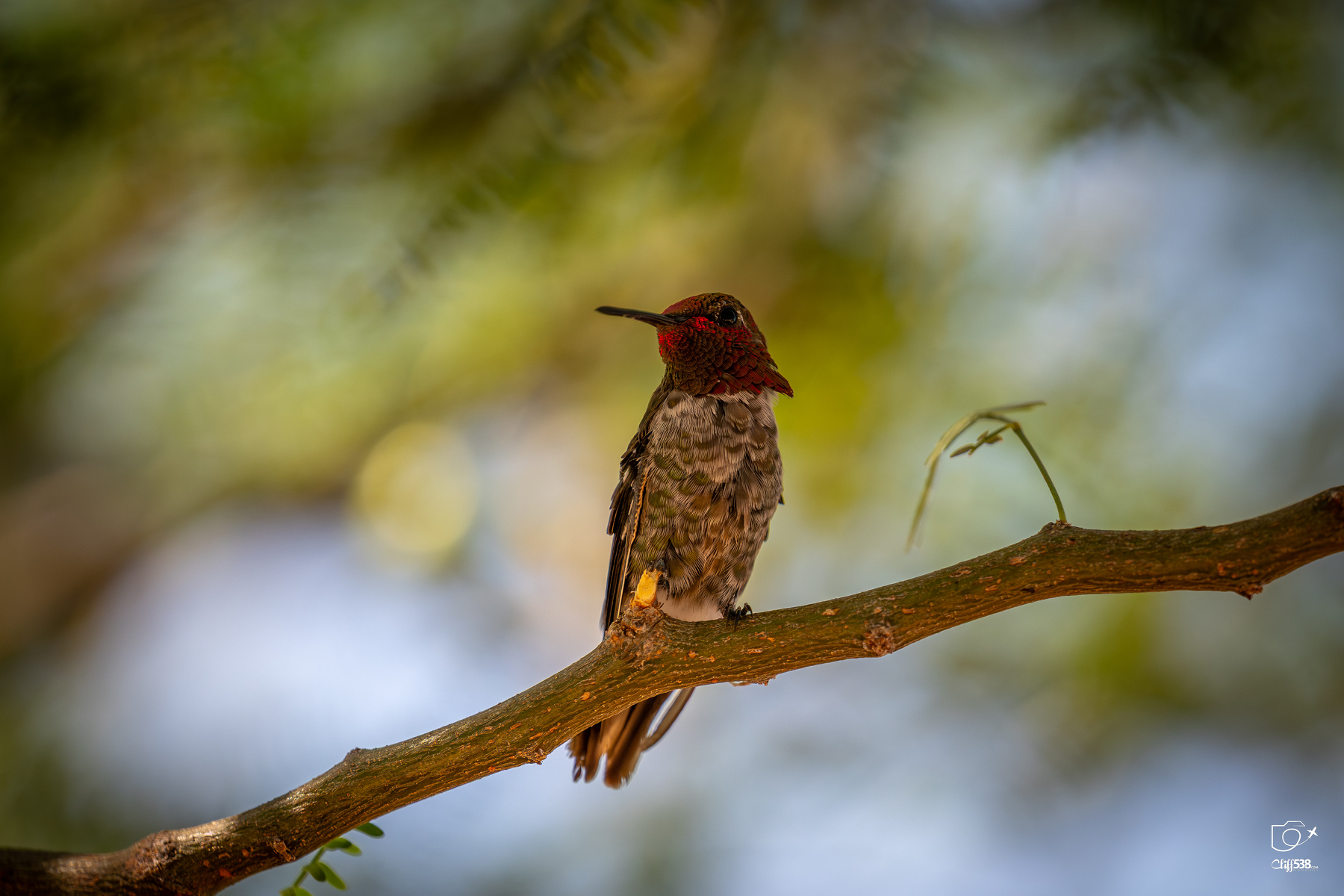
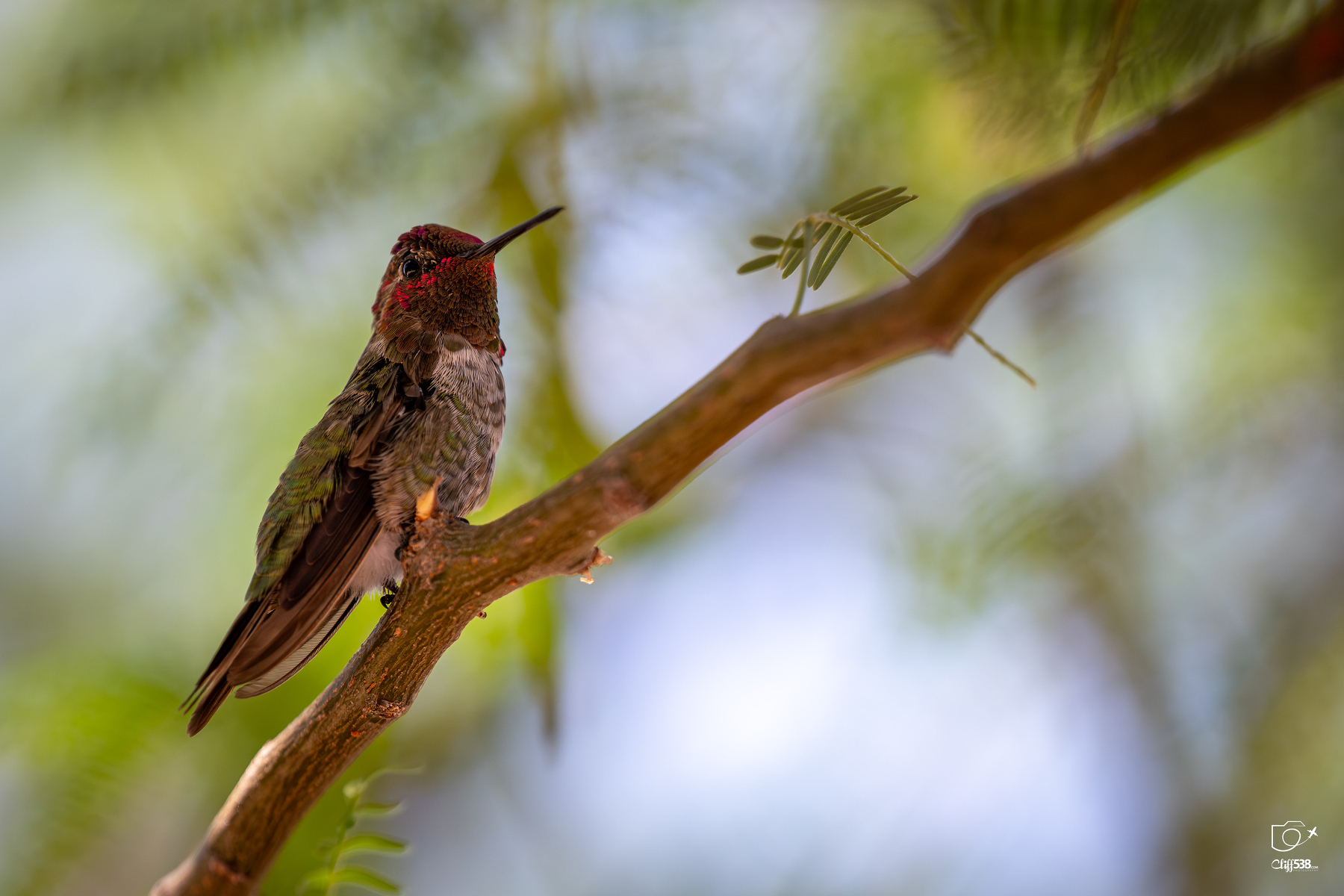
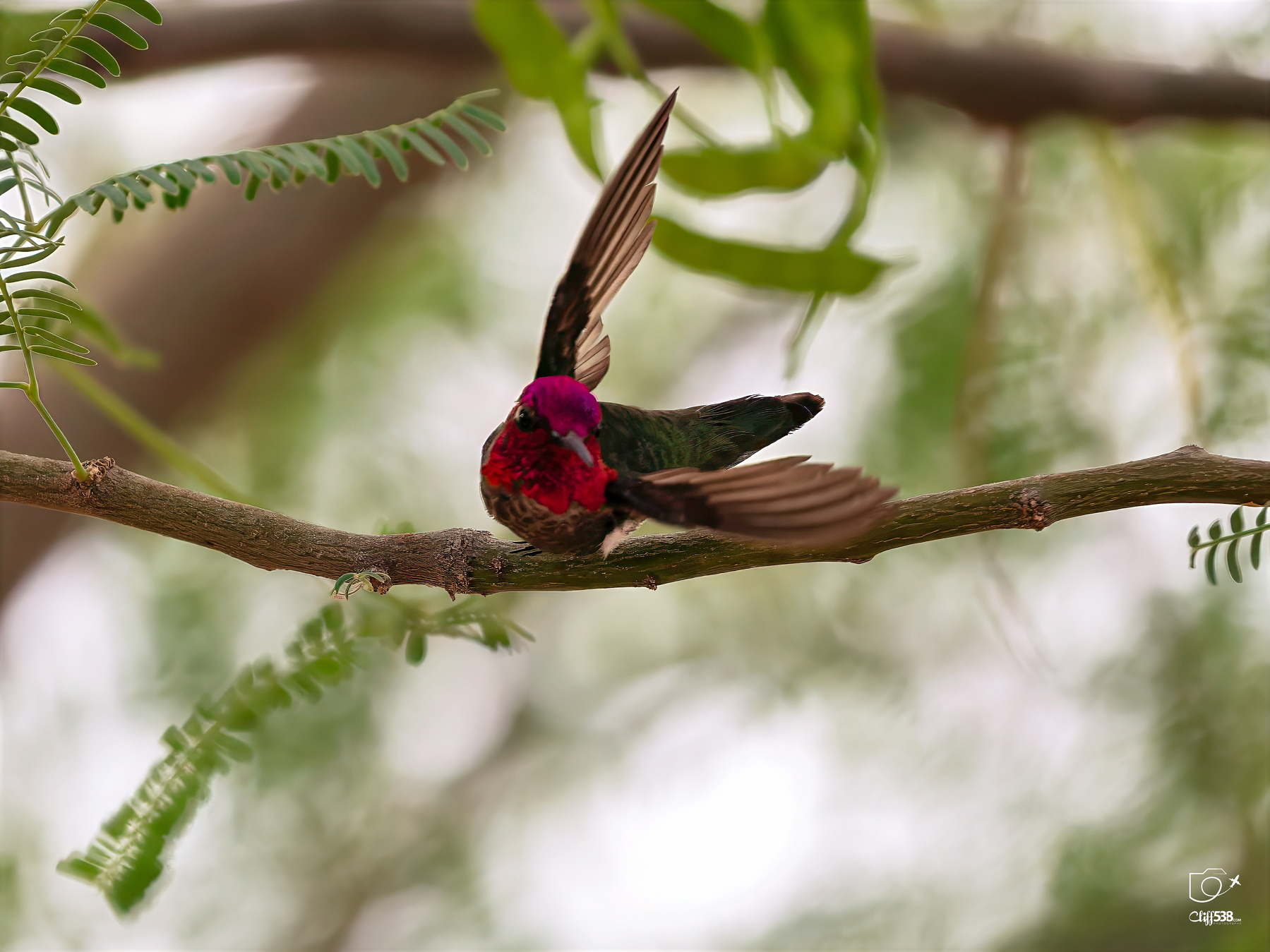
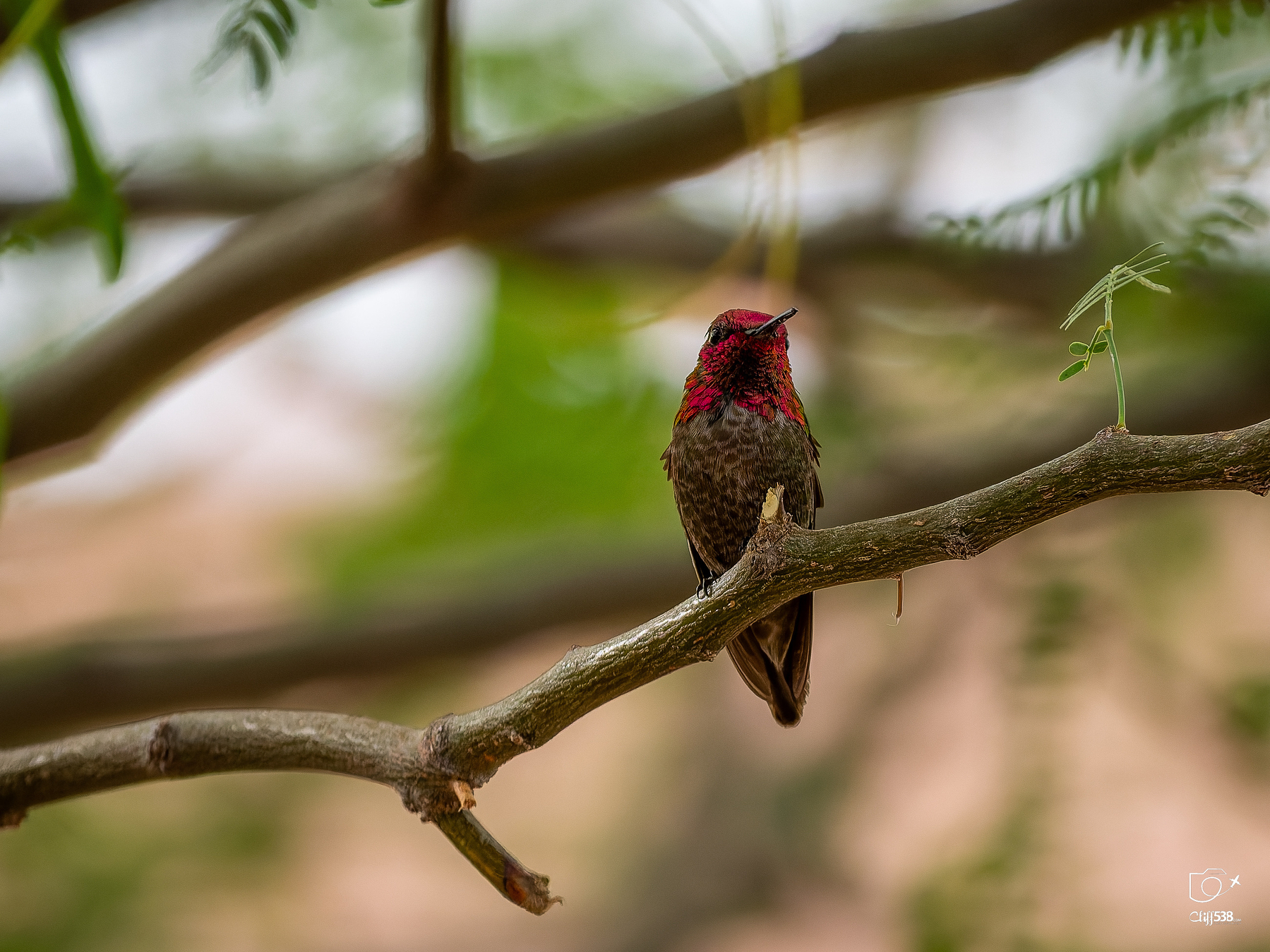
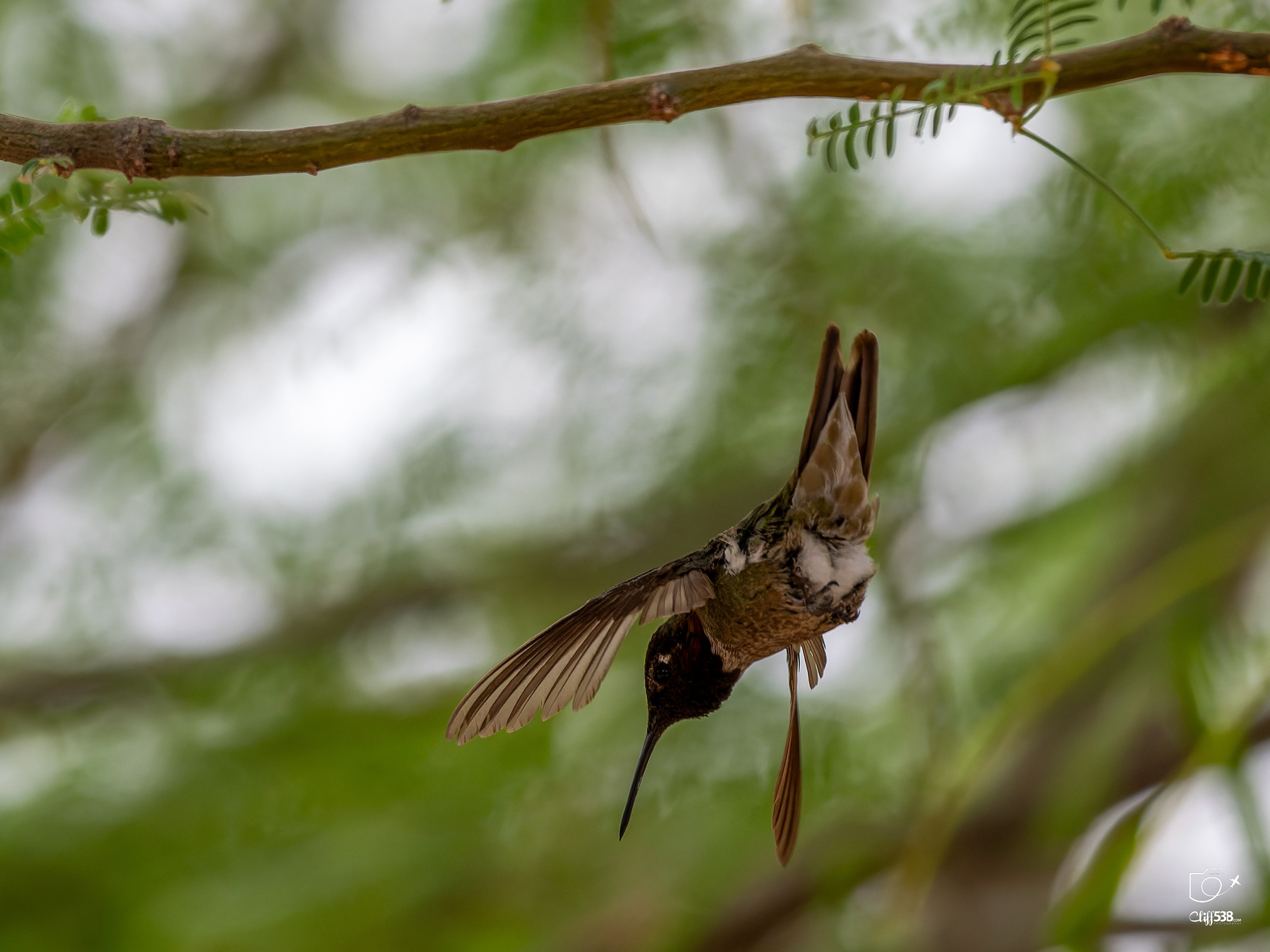
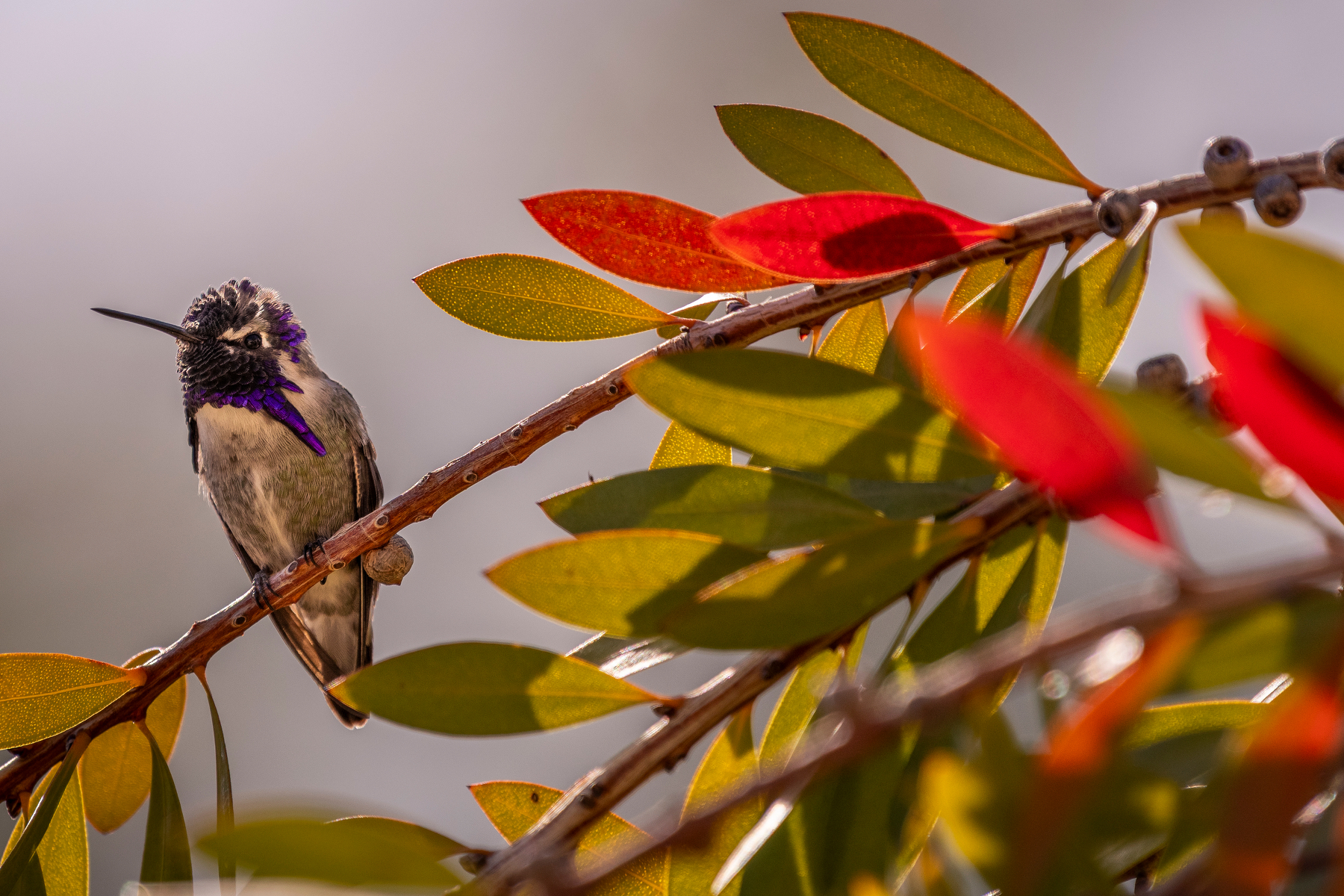
Back from mountain biking and nursing my old, sore, out-of-shape body, I’m now sitting in the backyard with a cup of coffee, watching this little guy guard his two feeders. A little male Anna’s hummingbird has proudly claimed my backyard tree as his home, and I’m honored. He’s letting me get really close with my camera. I think it’s a fair trade: I provide two always-full feeders and a big shade tree, and I get to take pictures.
I’ve also put up two grass hummingbird nests, just in case he wants a ready-made home to move into. From what I’ve read, Anna’s hummingbirds now live in the Phoenix Valley year-round.
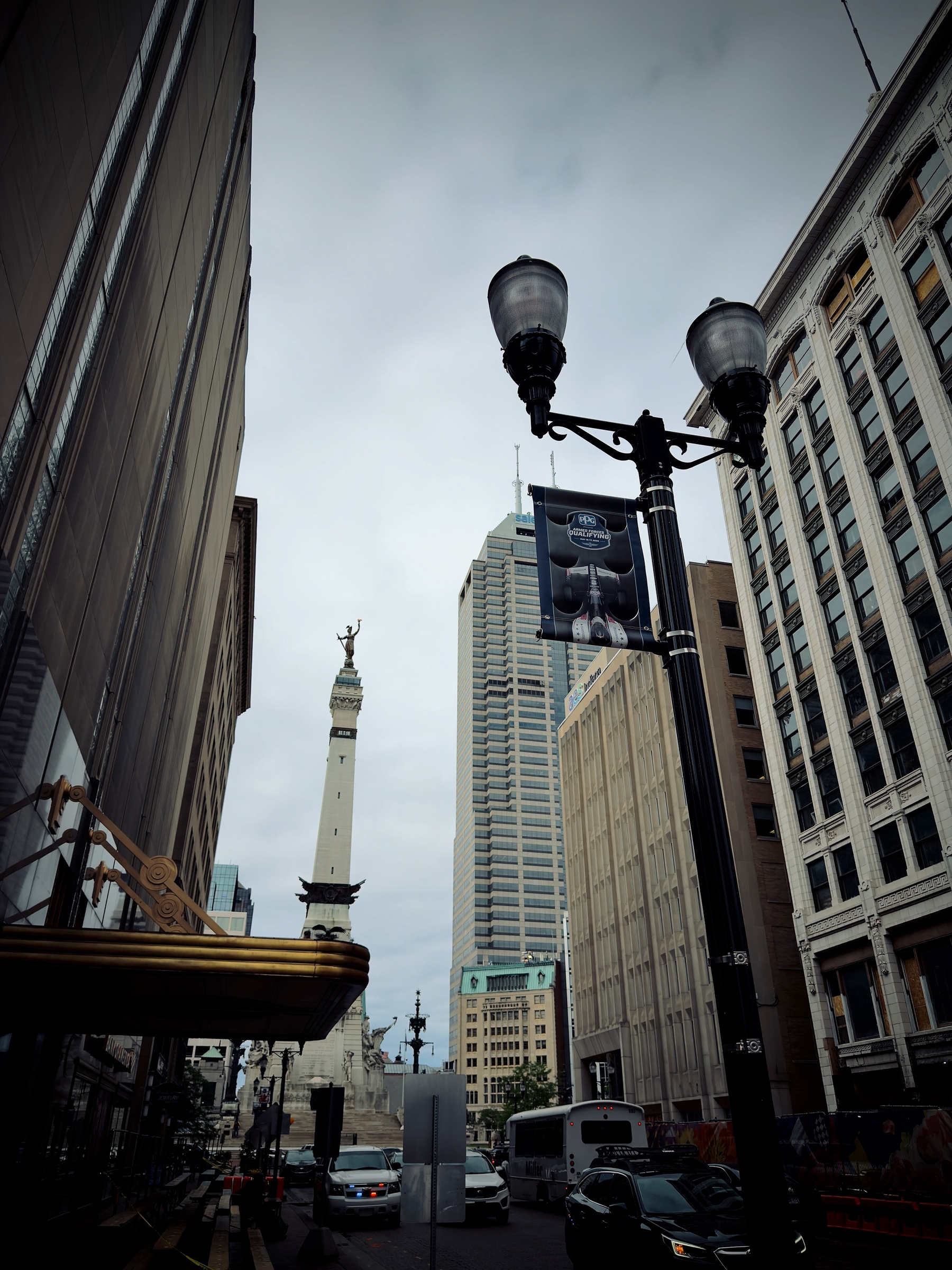
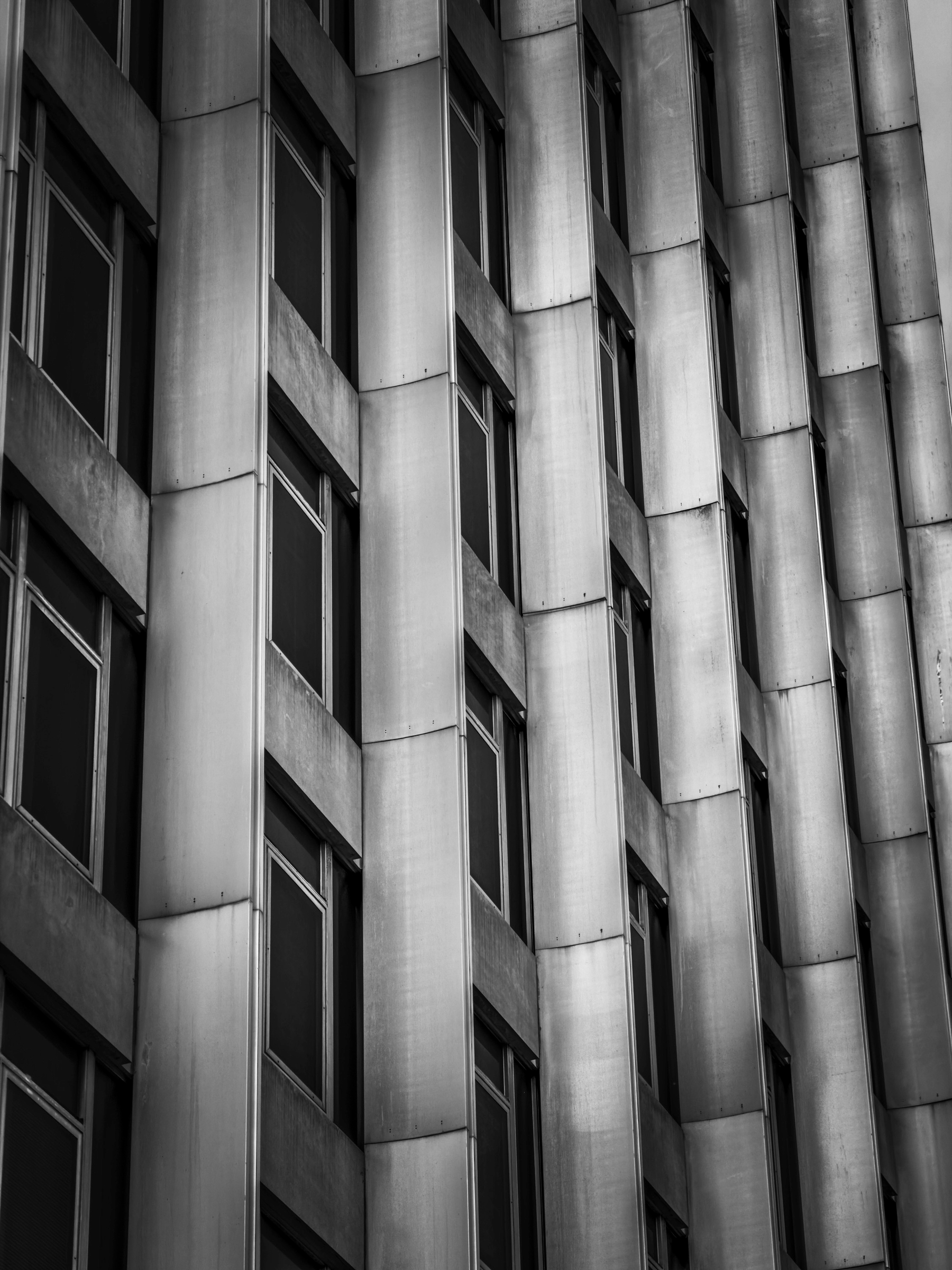
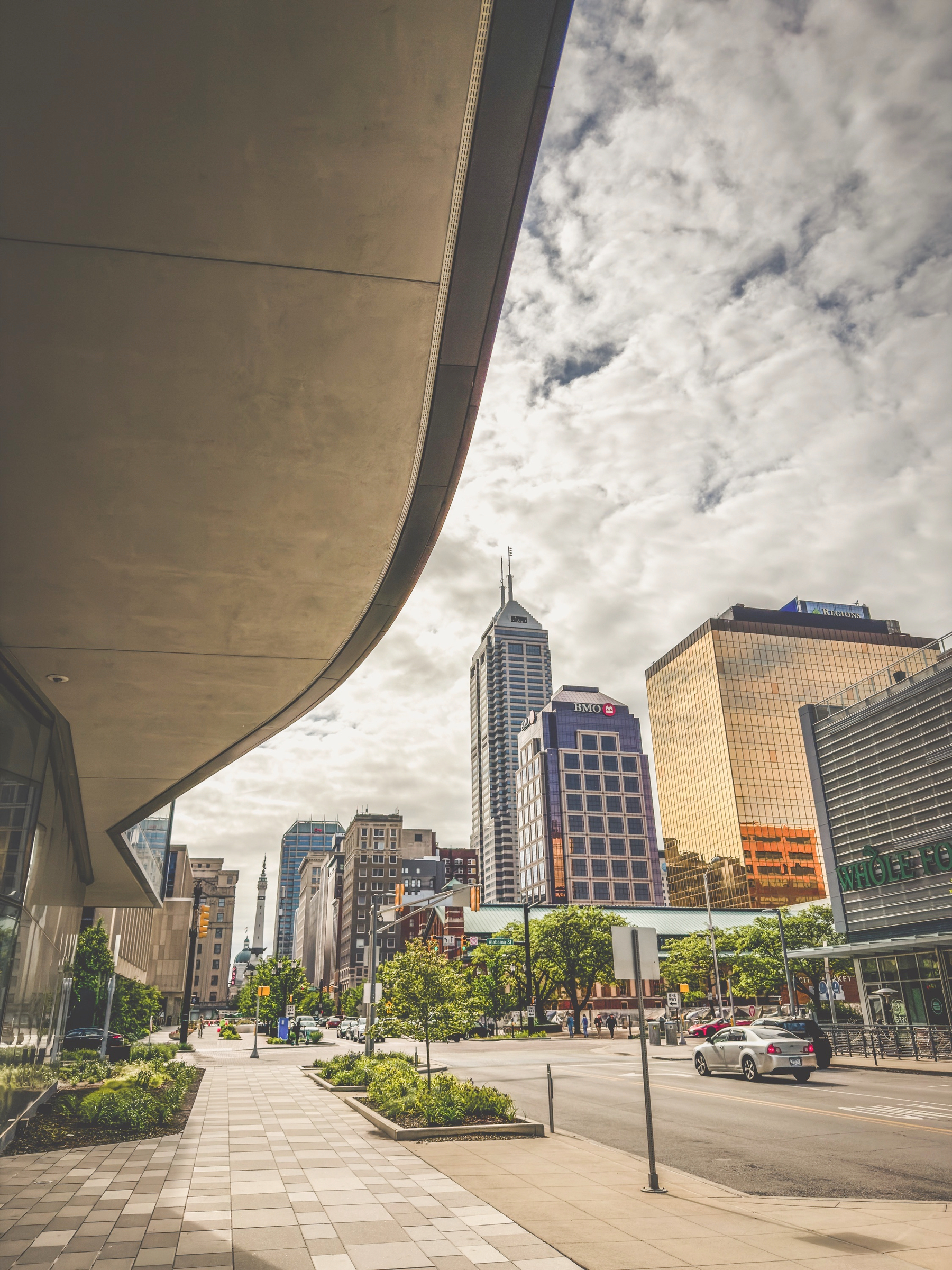
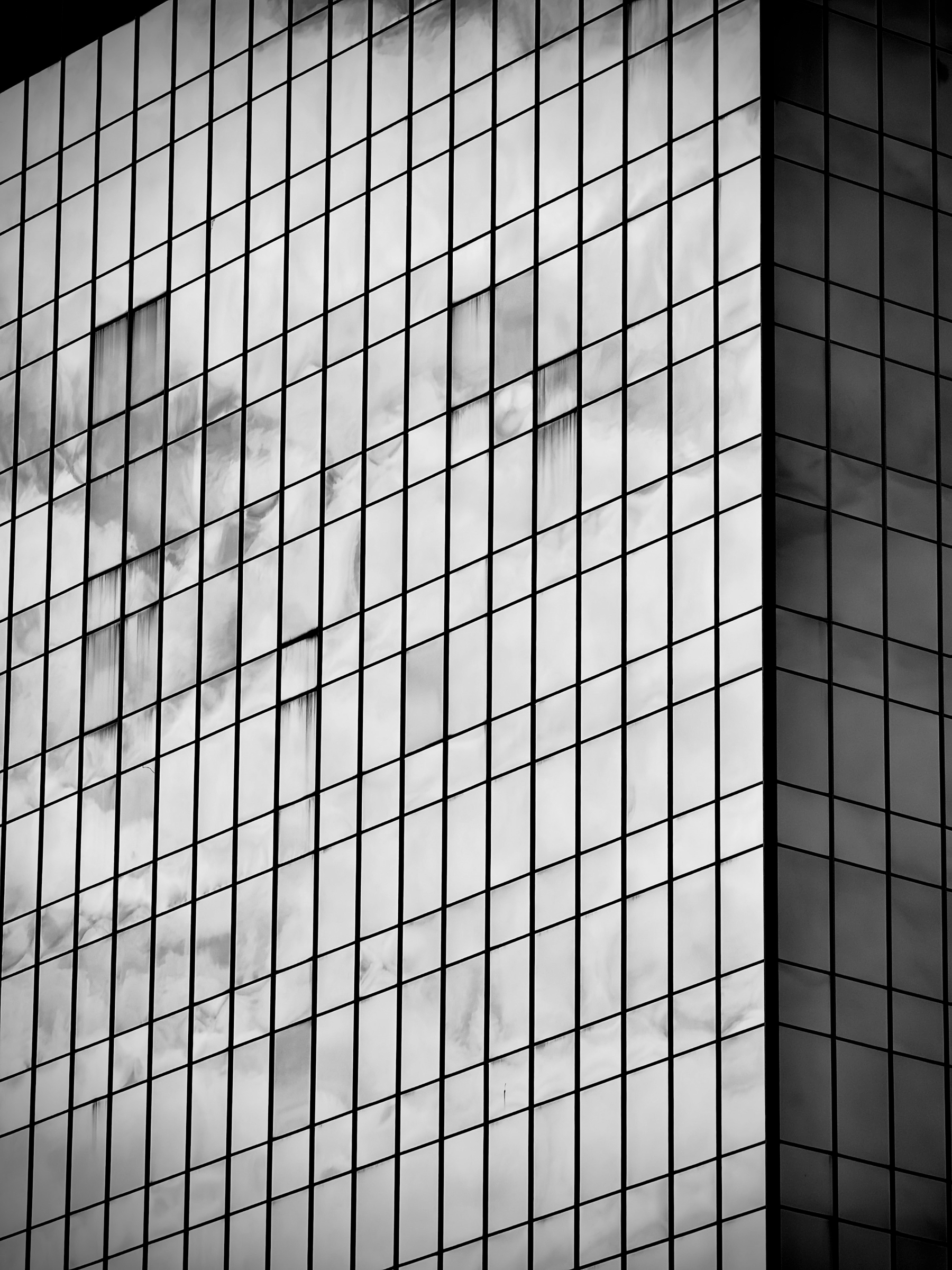
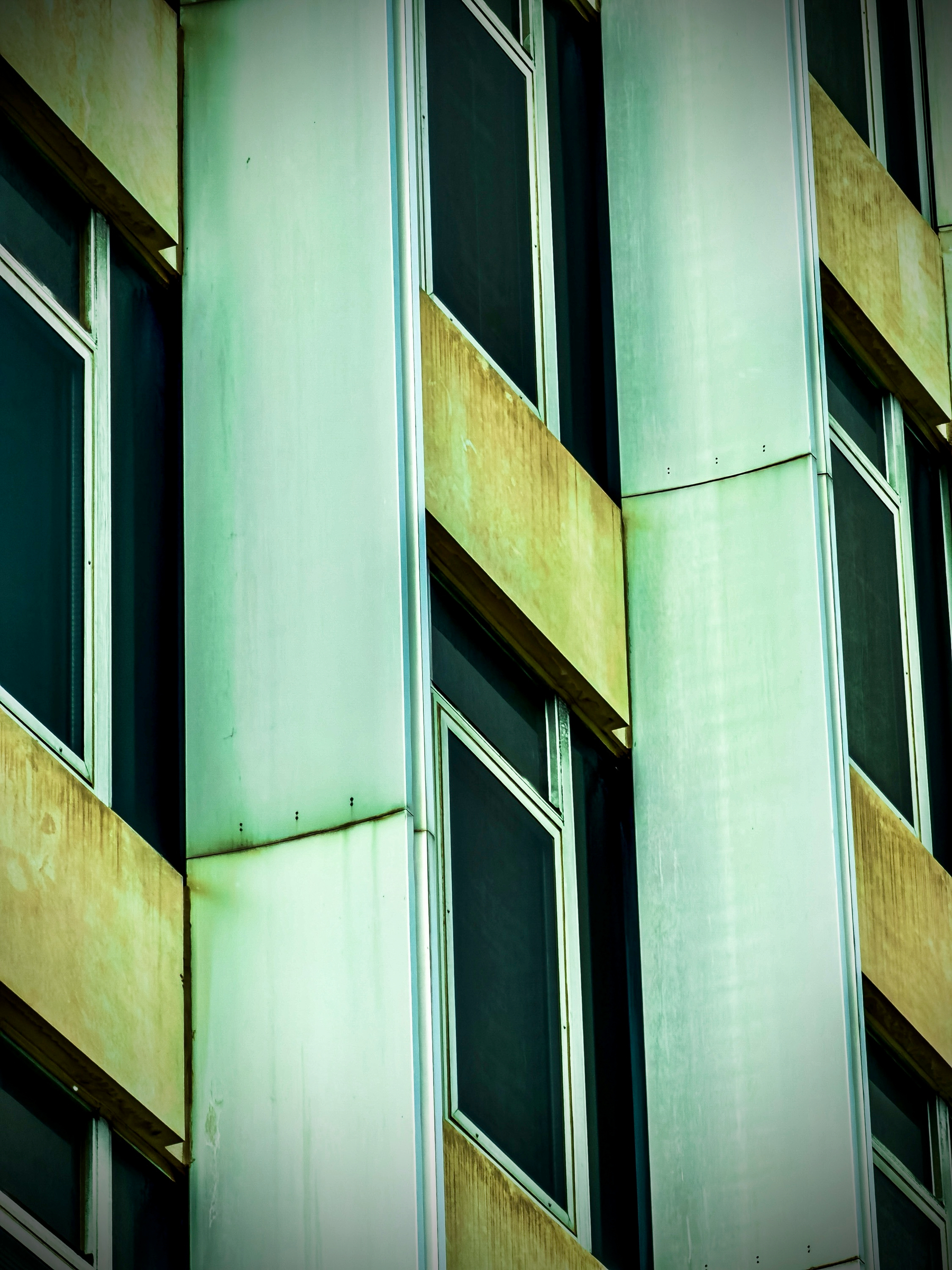
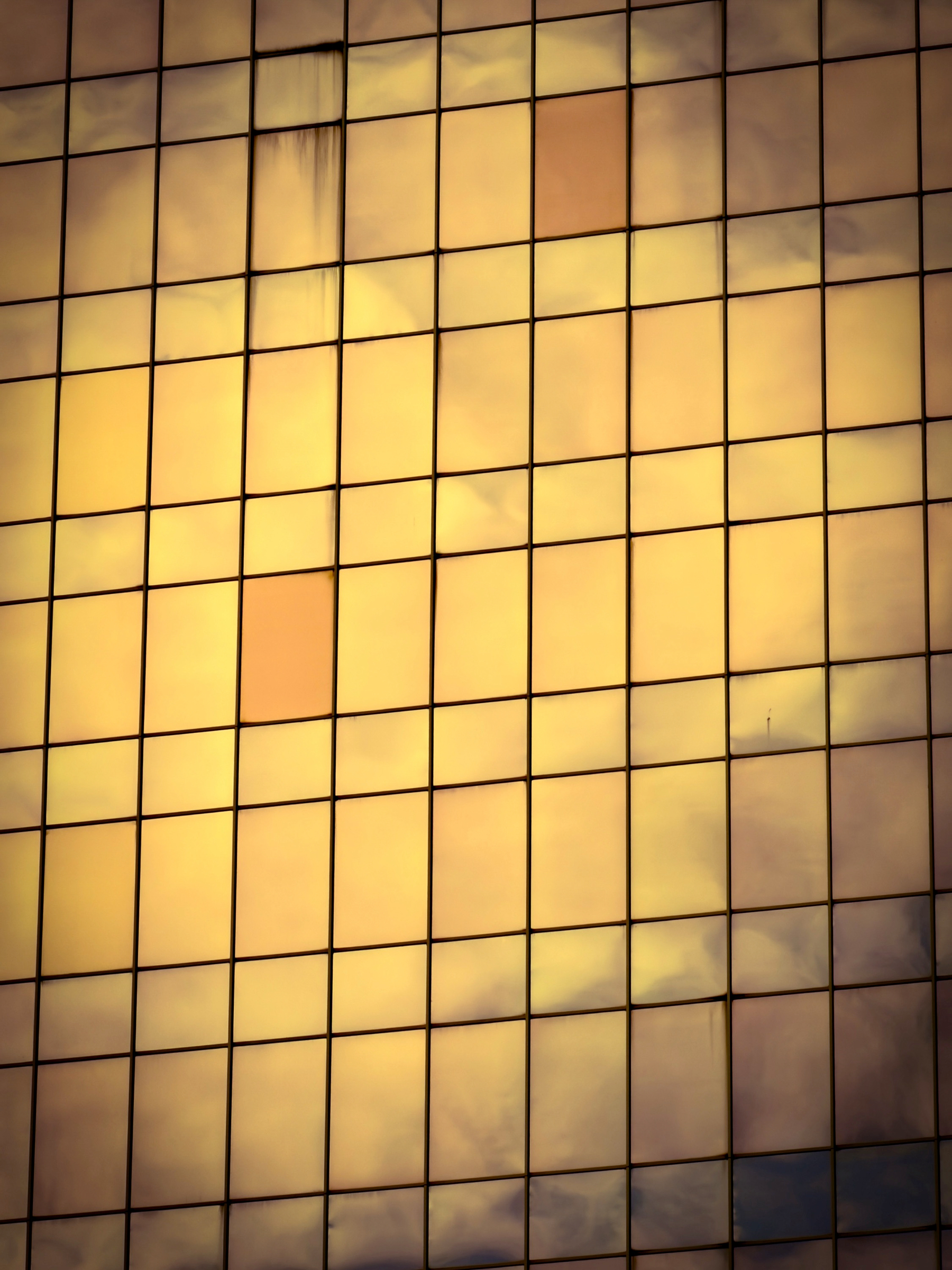
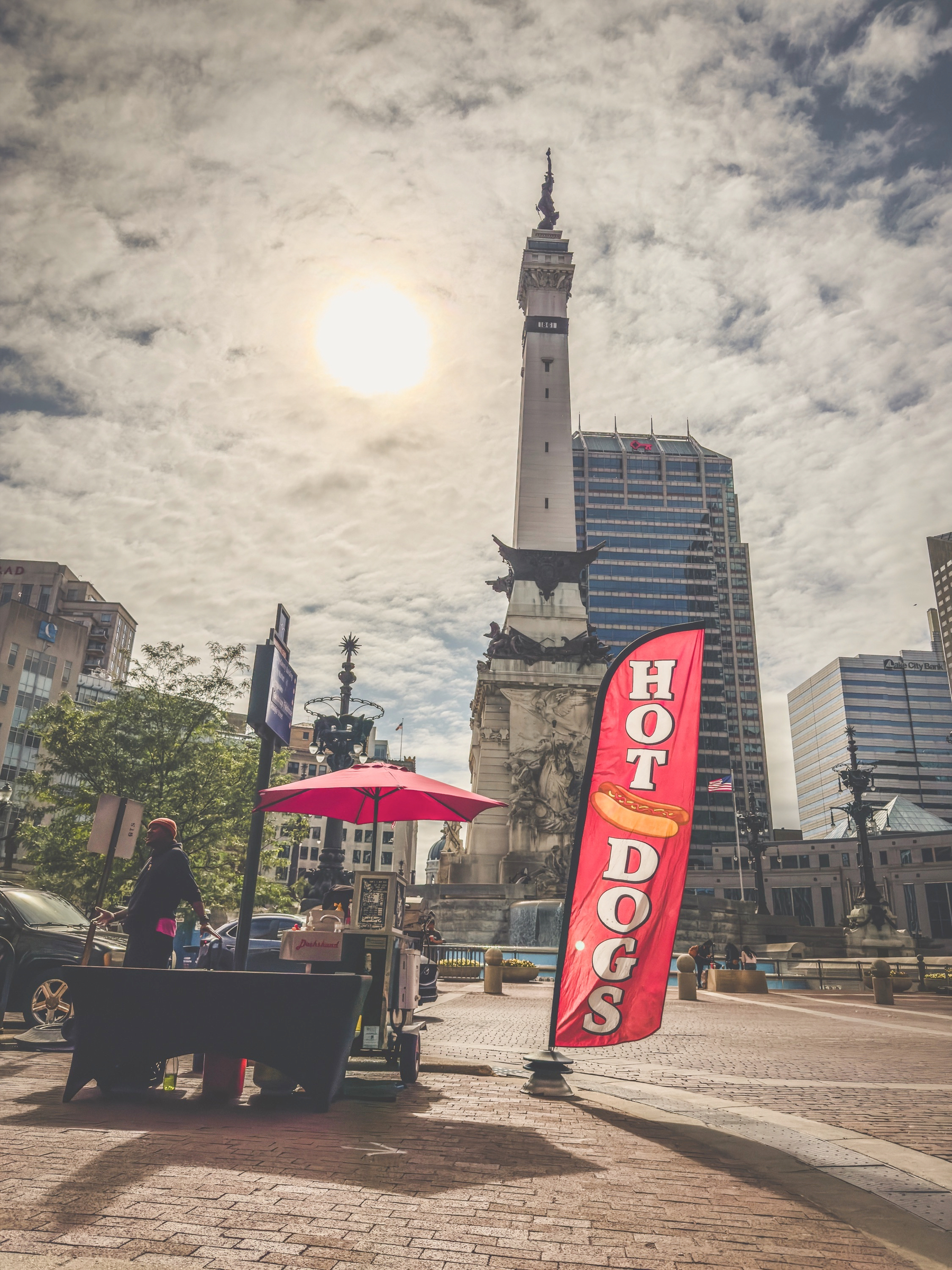
On the road, I had a few hours to wander around downtown Indianapolis before bed—another early morning ahead.
Shot and processed on iPhone. More photos down in Stray Pixels.
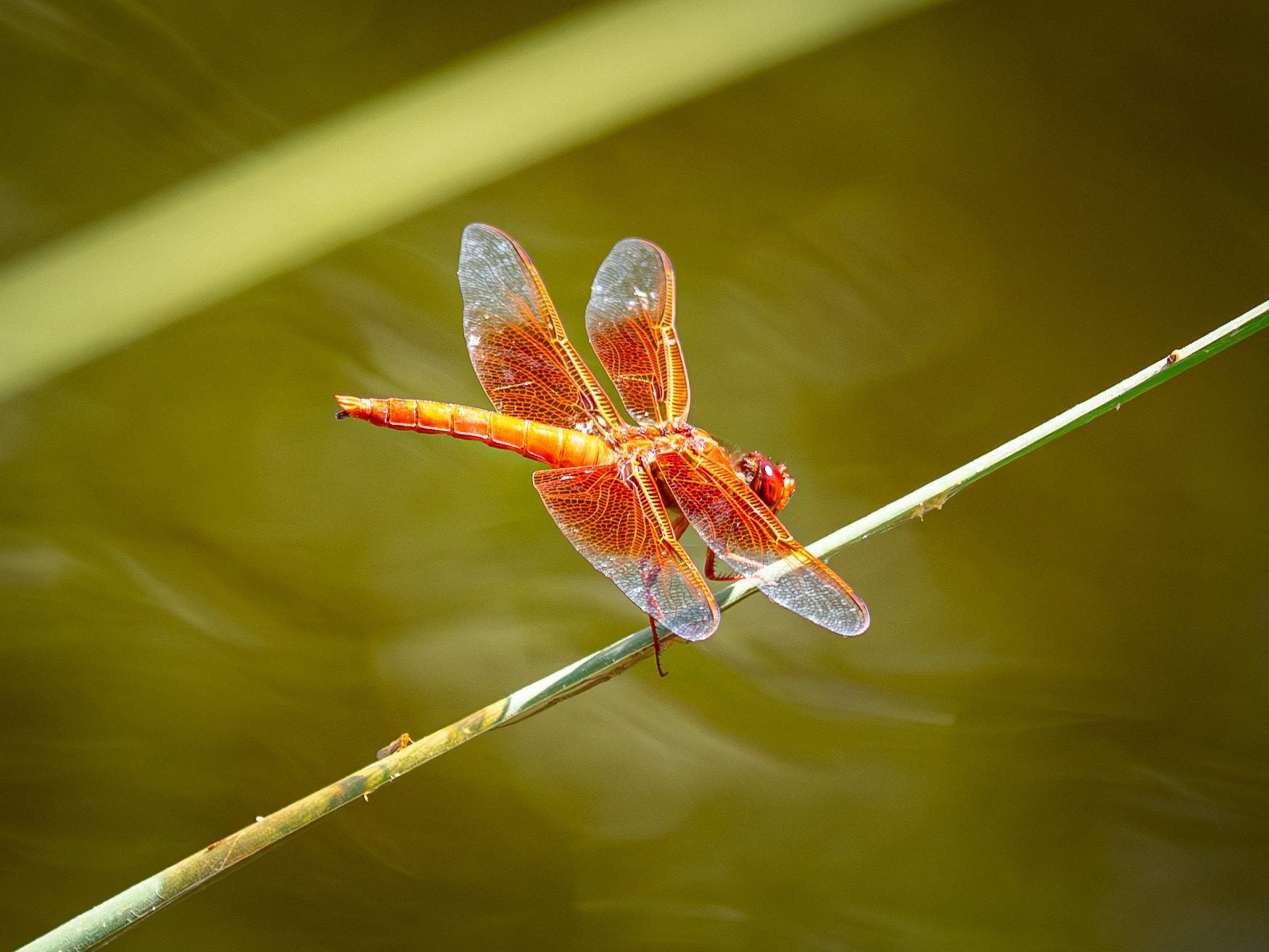
Flame Skimmer Dragonfly (Libellula saturata)
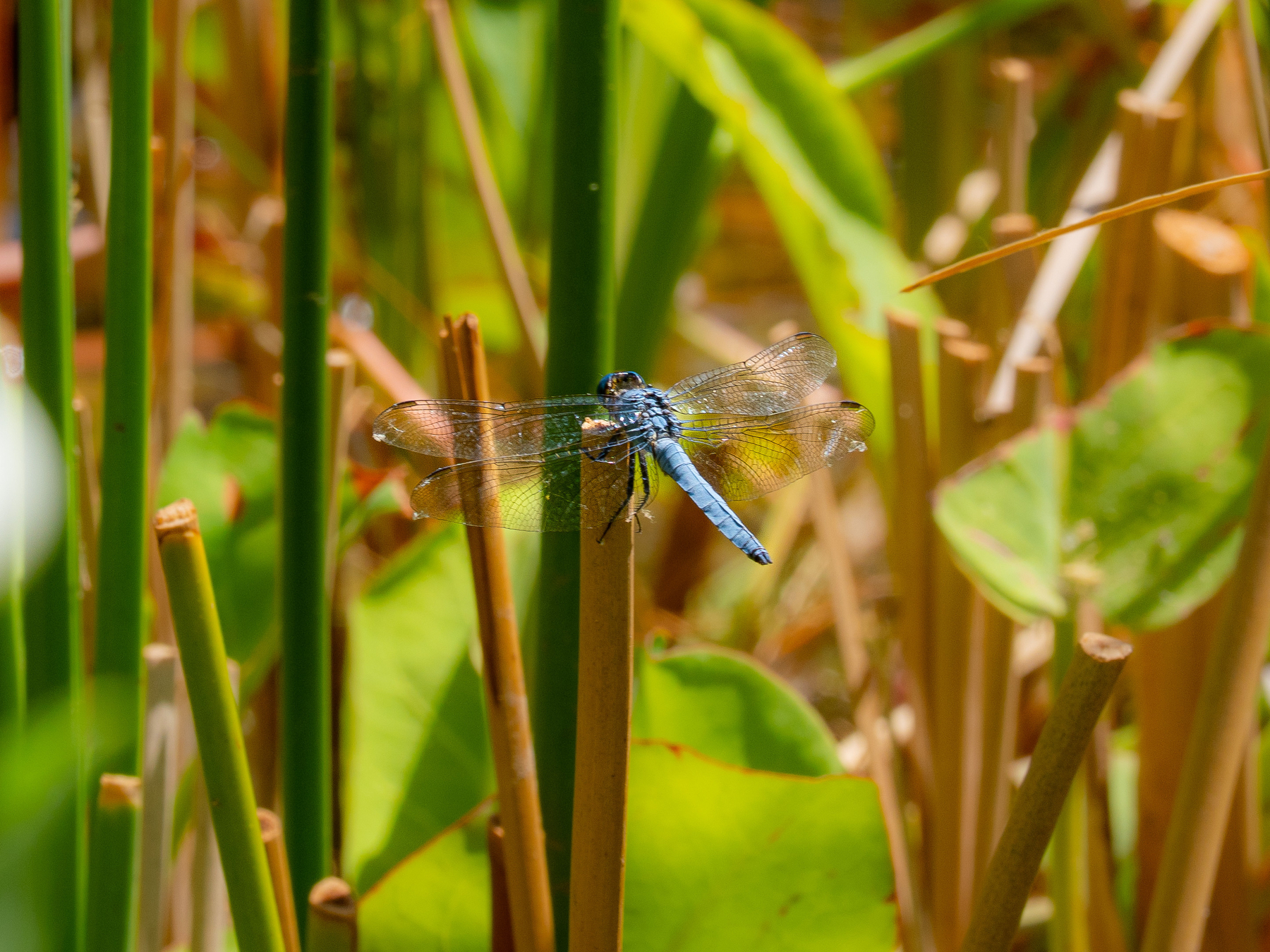
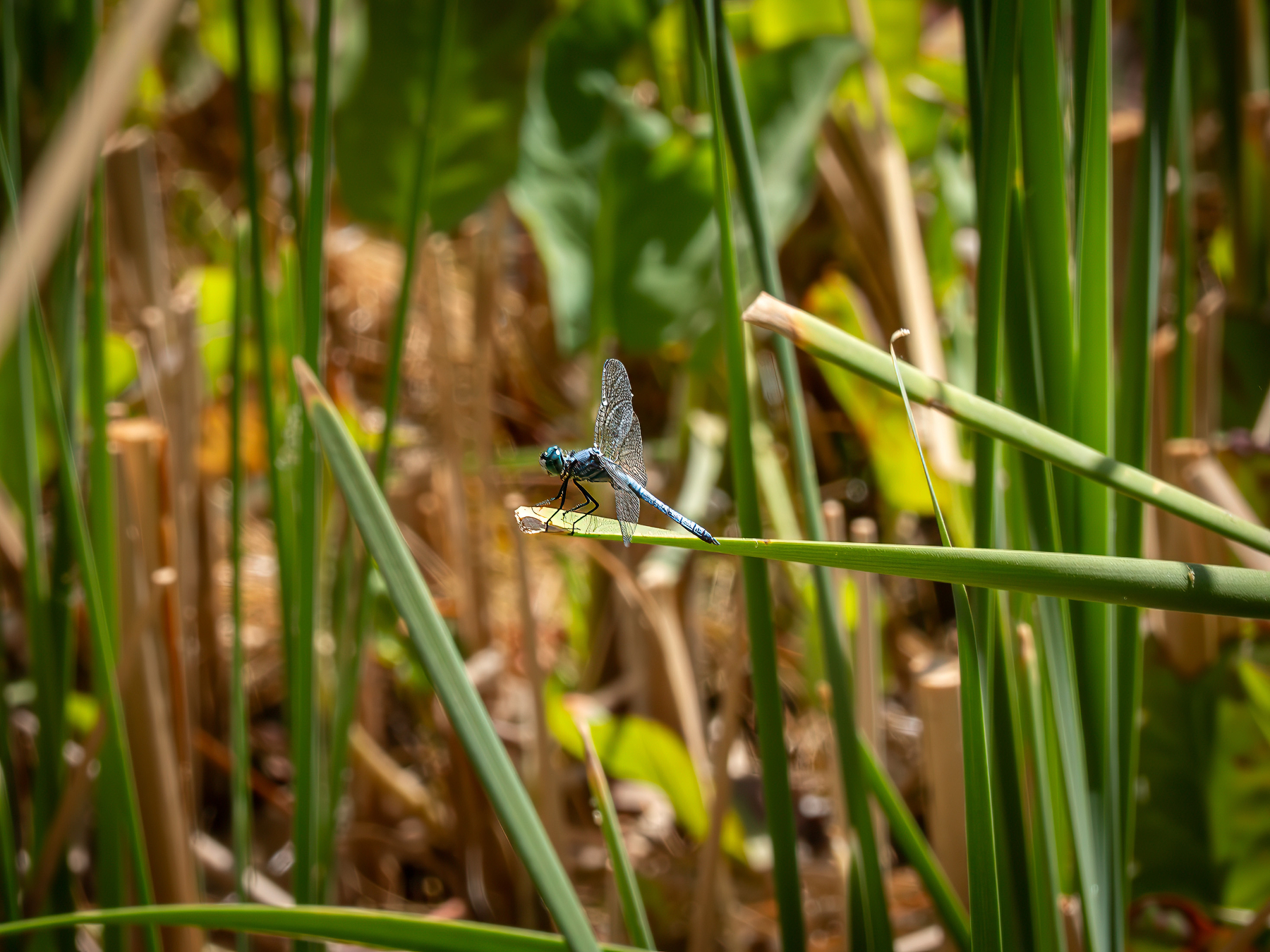
Ok, the 10-year-old boy in me had to ask the internet if the Blue Dasher had a long penis, hence its scientific name. Well, it turns out my Latin is just really rusty. Longi is Latin for long, and Pennis is winged/feathered. Talk about a let down 😆
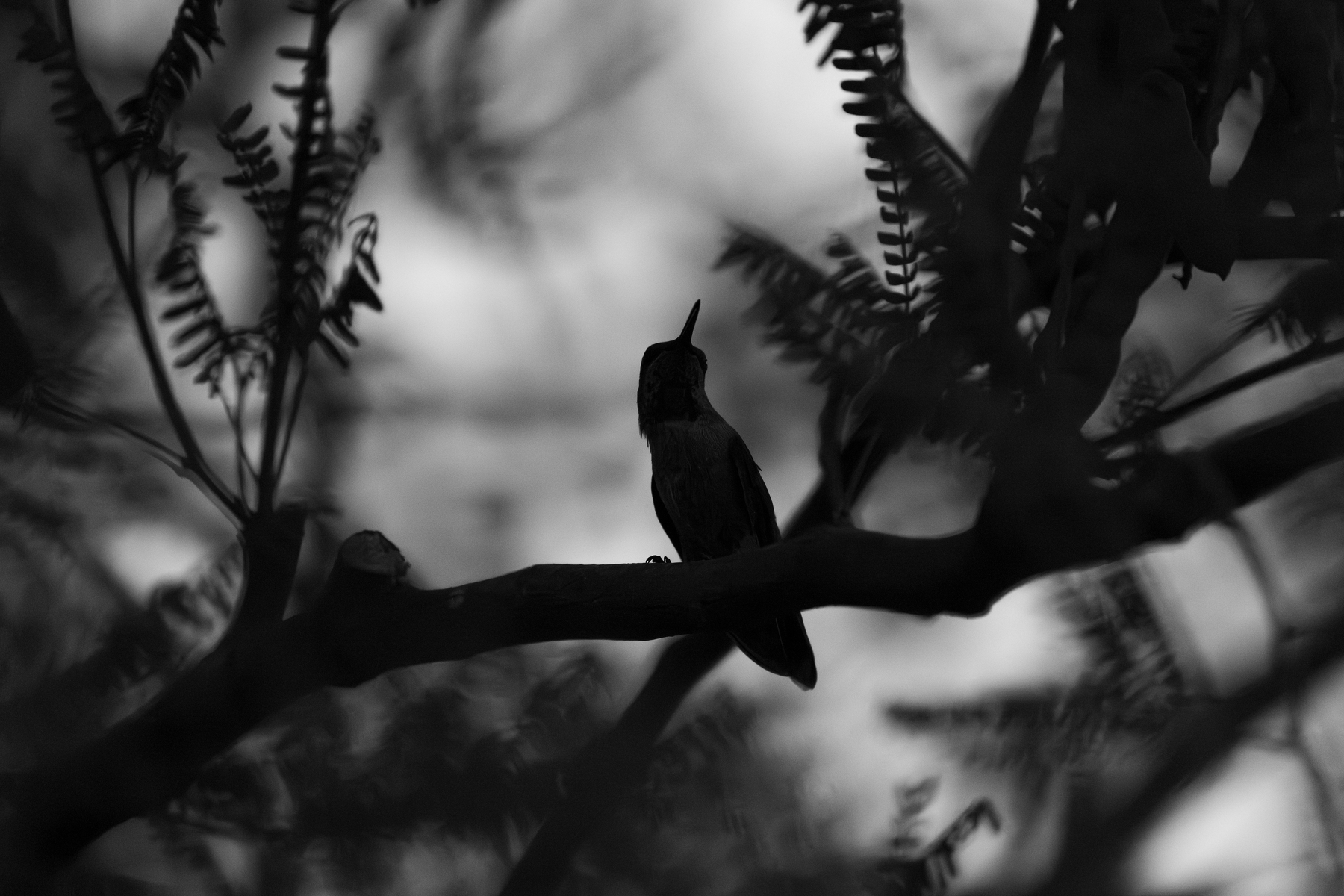
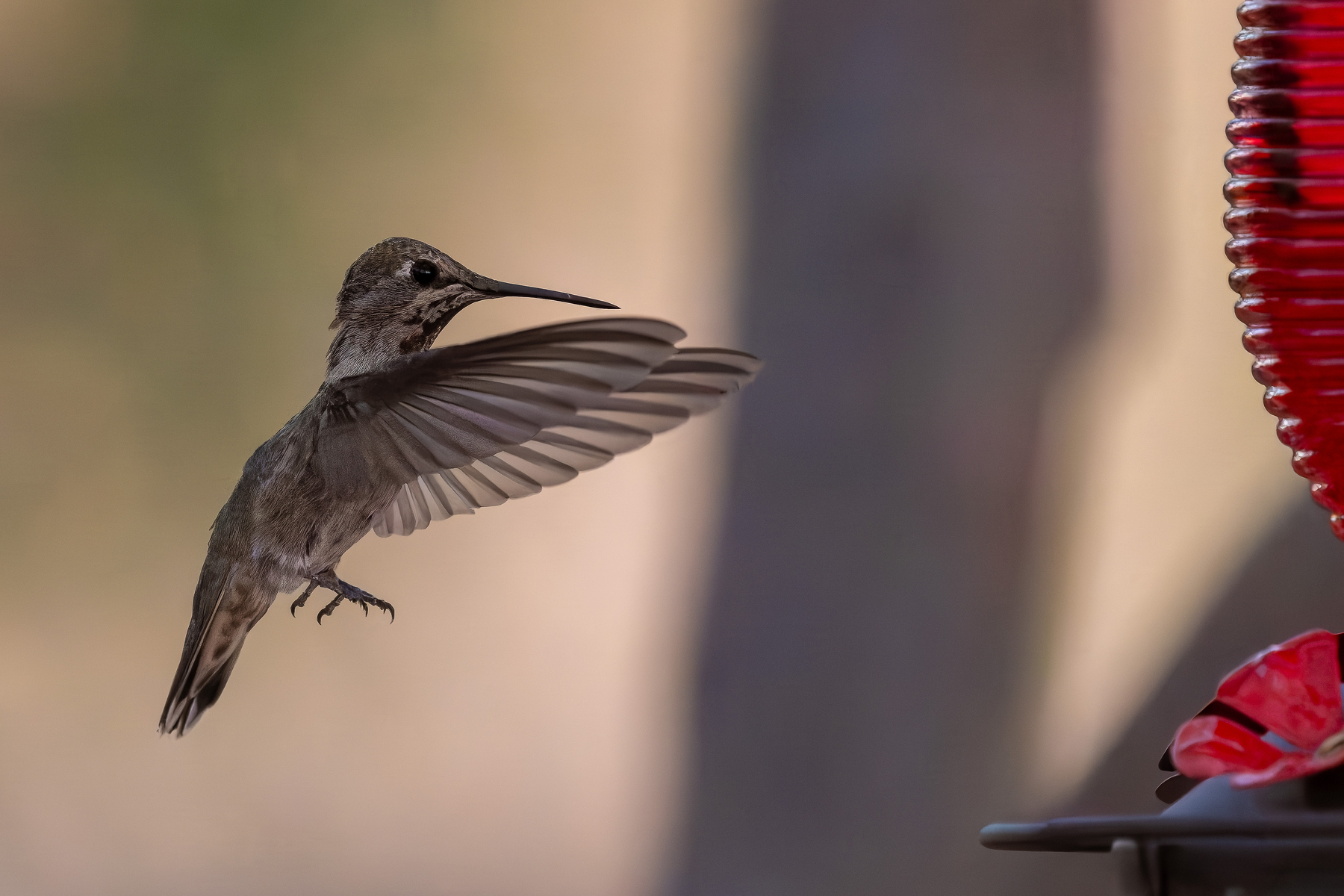
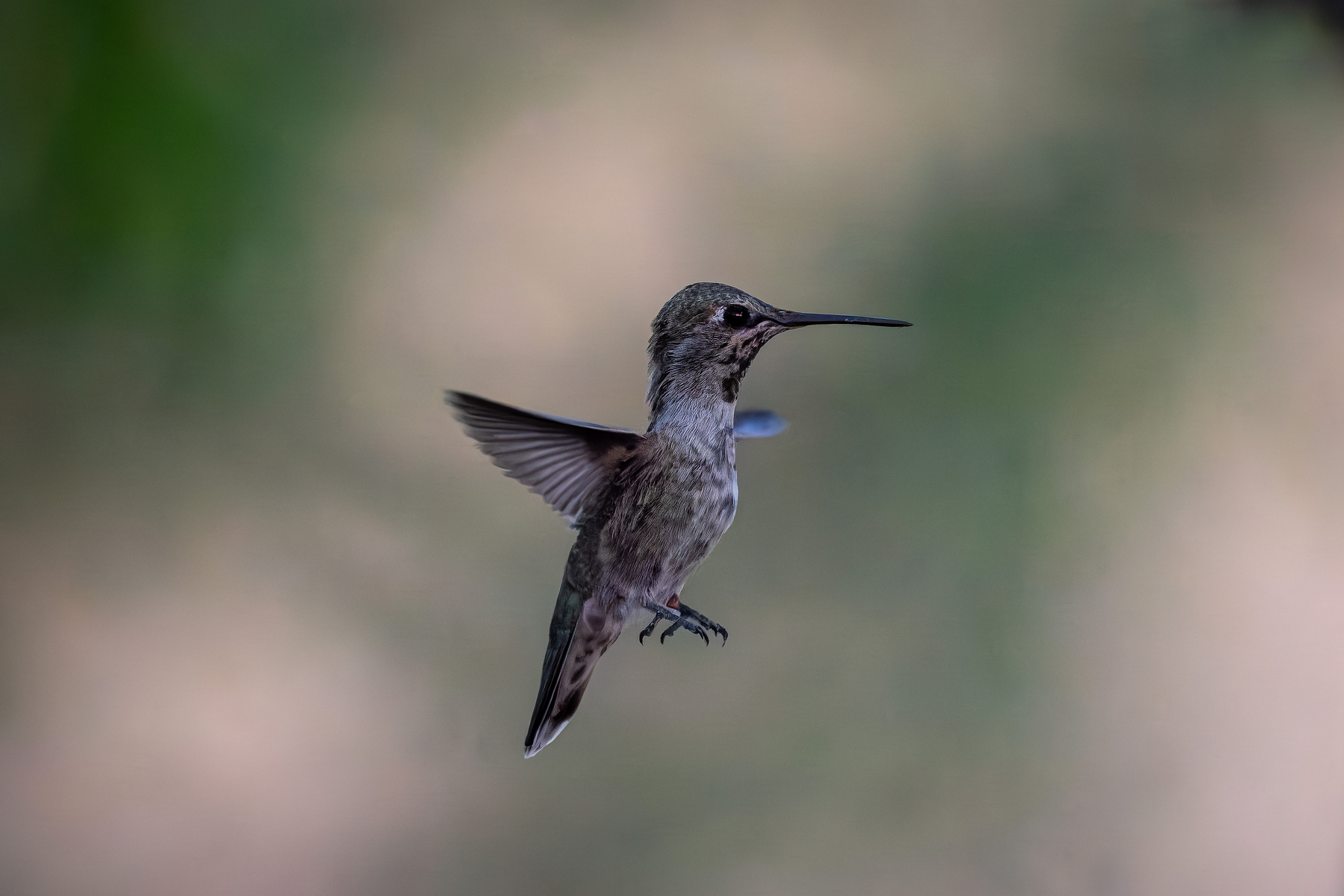
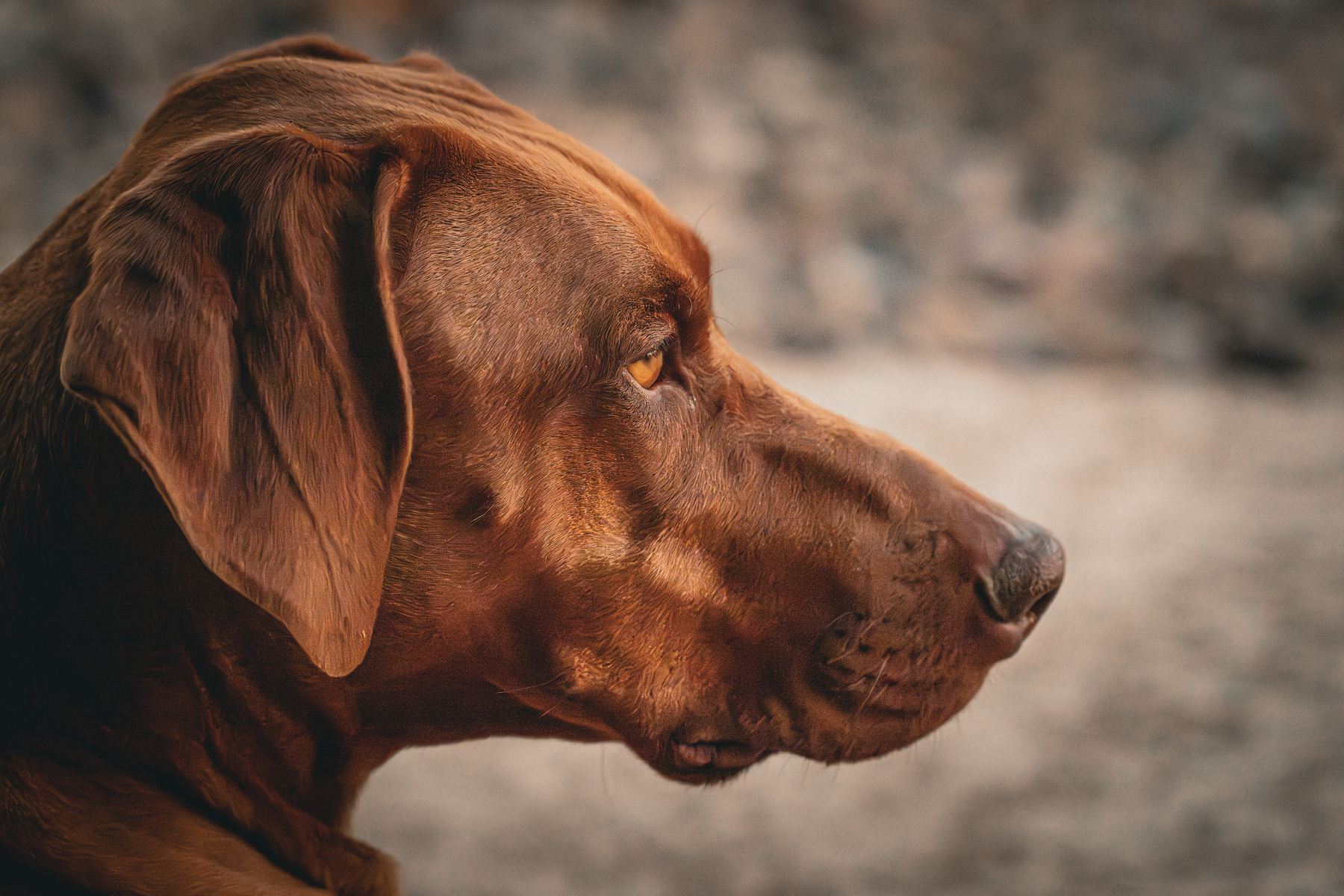
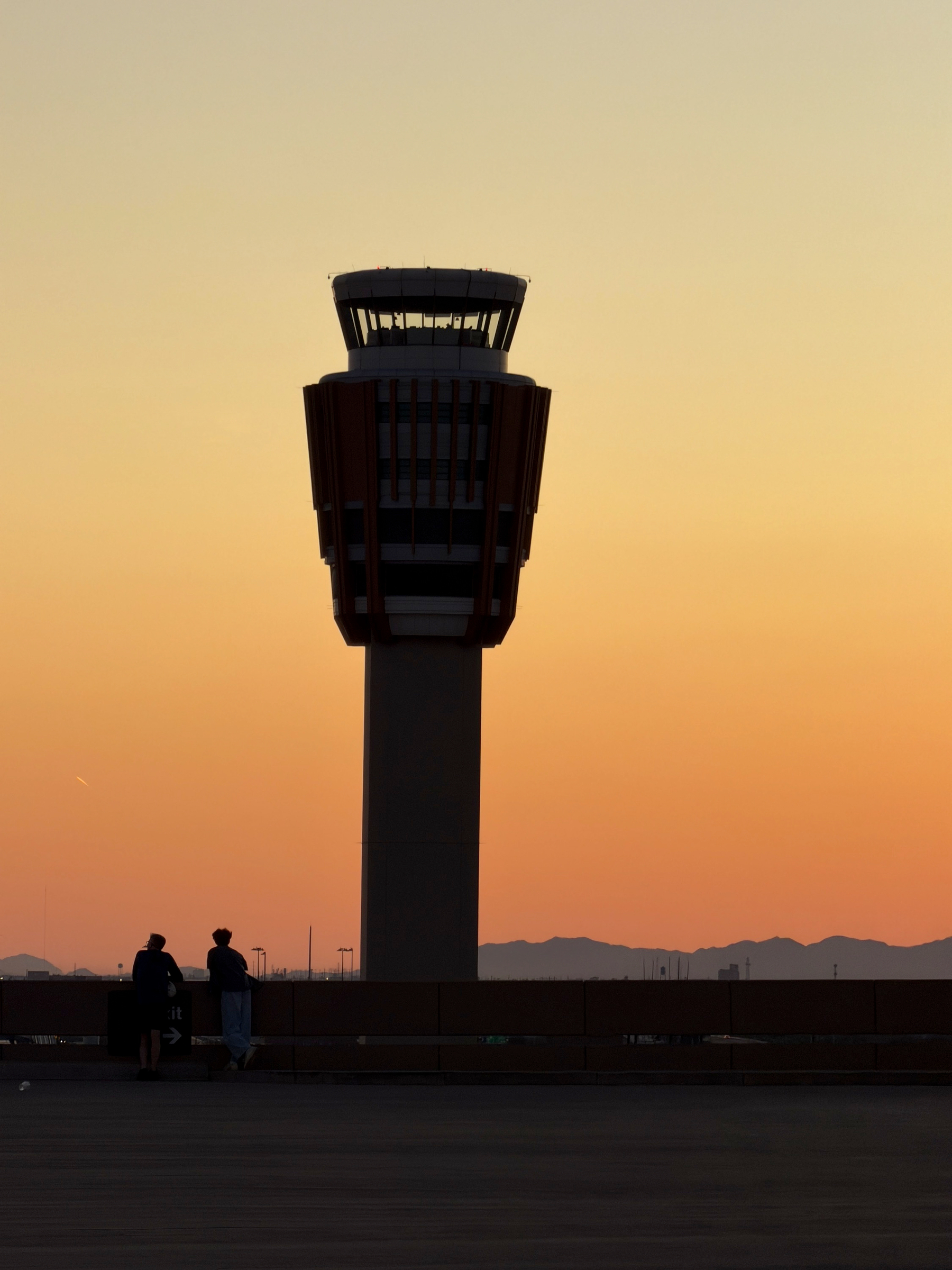
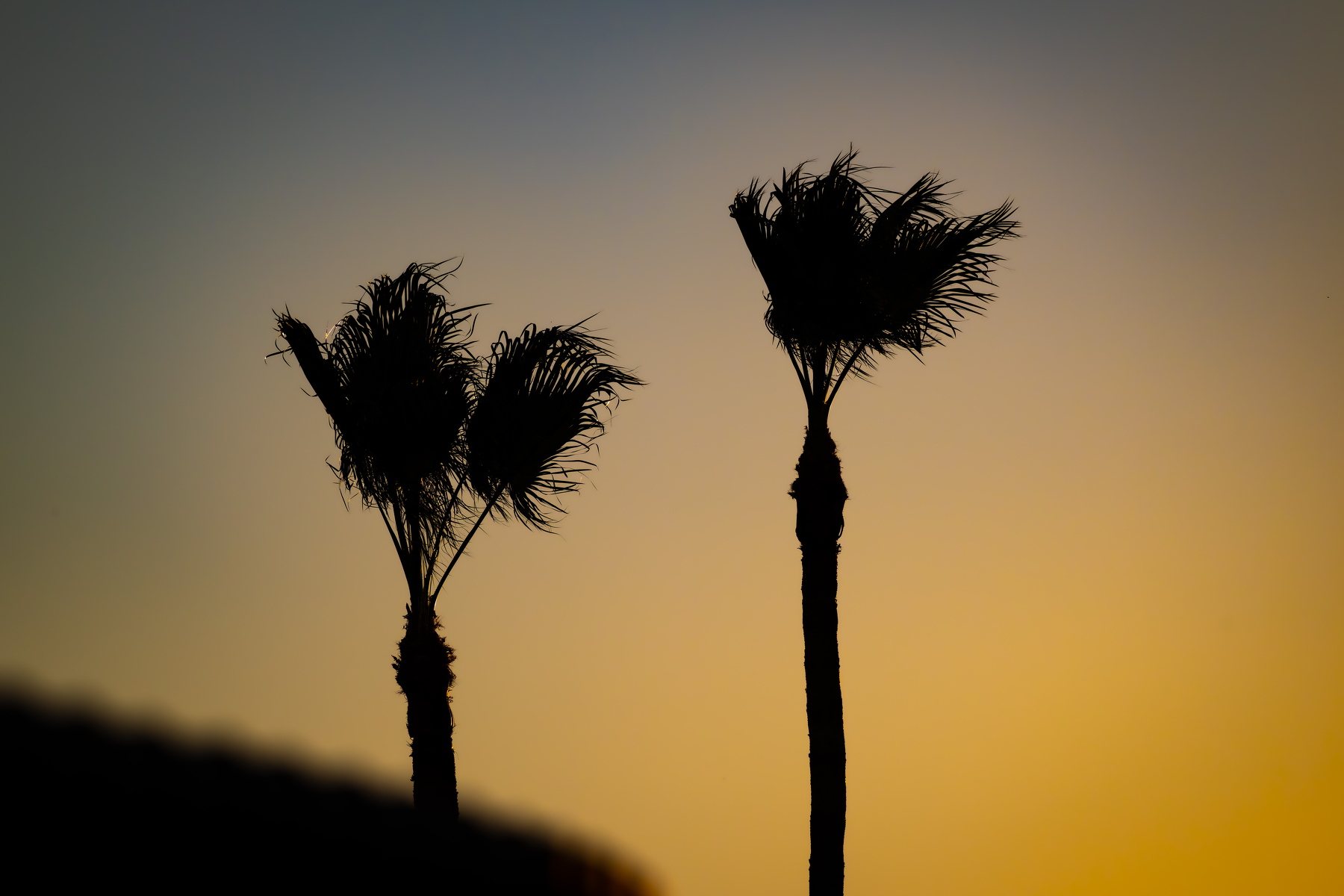
My friend Richard died this morning in his sleep.
Today’s pictures are dedicated to him. I took them yesterday—Richard’s last day, at least here on Earth. These pictures are for him. Richard may have commented on one or two of them on Flickr. I will miss that.
I will never forget Richard. I did not know him for very long, but he was such an amazing human being—so kind, so talented. Richard was a husband, father, grandfather, teacher, artist, woodworker, photographer, and so much more—a wonderful photographer with a unique style. He had many art shows featuring his work, and I was lucky enough to see a few of them.
We lived close to each other and consulted on projects from time to time. We texted and communicated on Flickr. Richard loved Flickr and had so many Flickr friends.
You will be greatly missed, my friend. You made me a better human. You gave me so many creative ideas and inspired me.
Wherever you are, my friend, take some pictures and send them to me…
The last comment from Richard on Flickr to me.
Richards last photo on Flickr.
😔
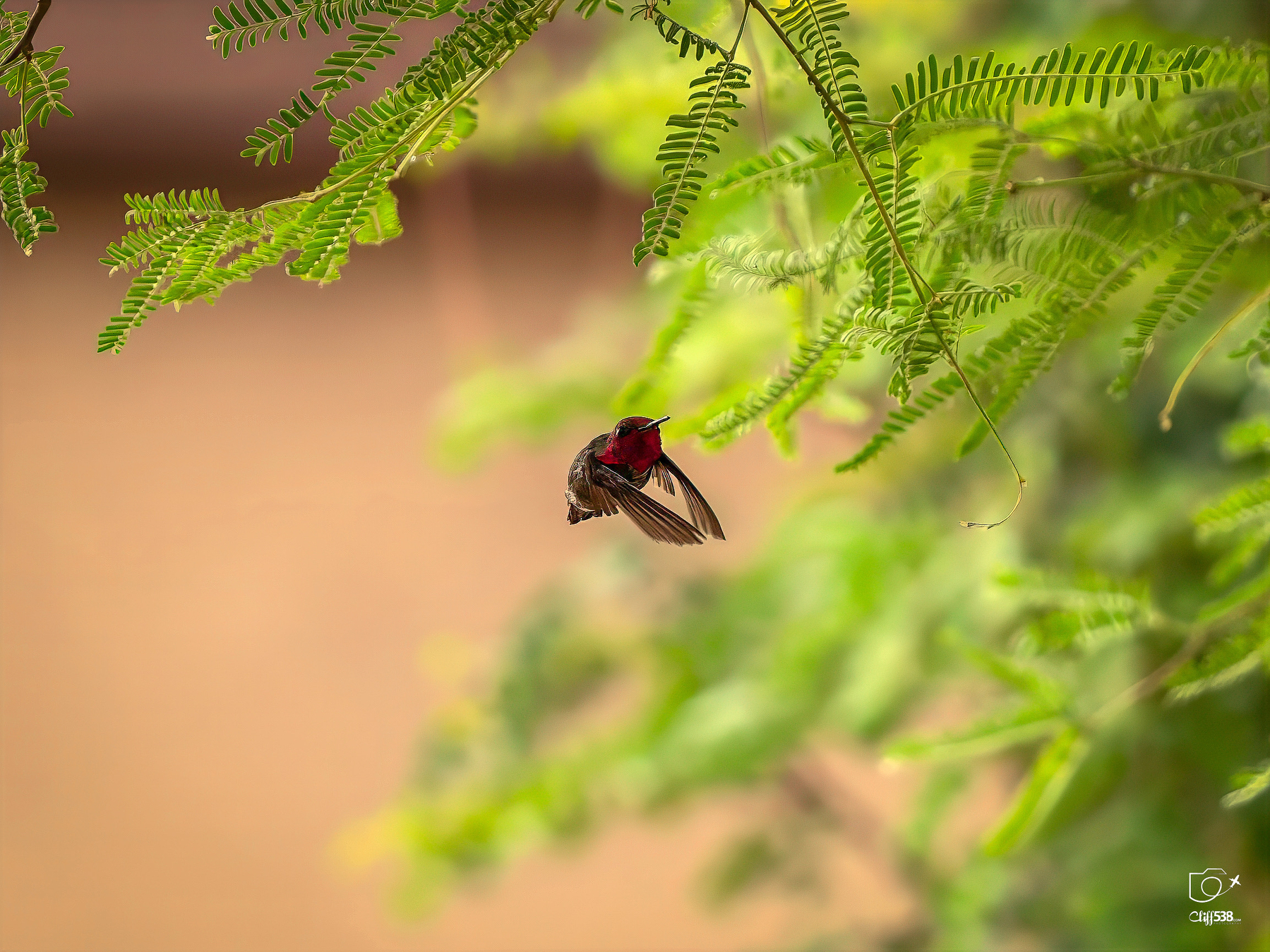
Pictures are from yesterday, hopefully you can forgive me!
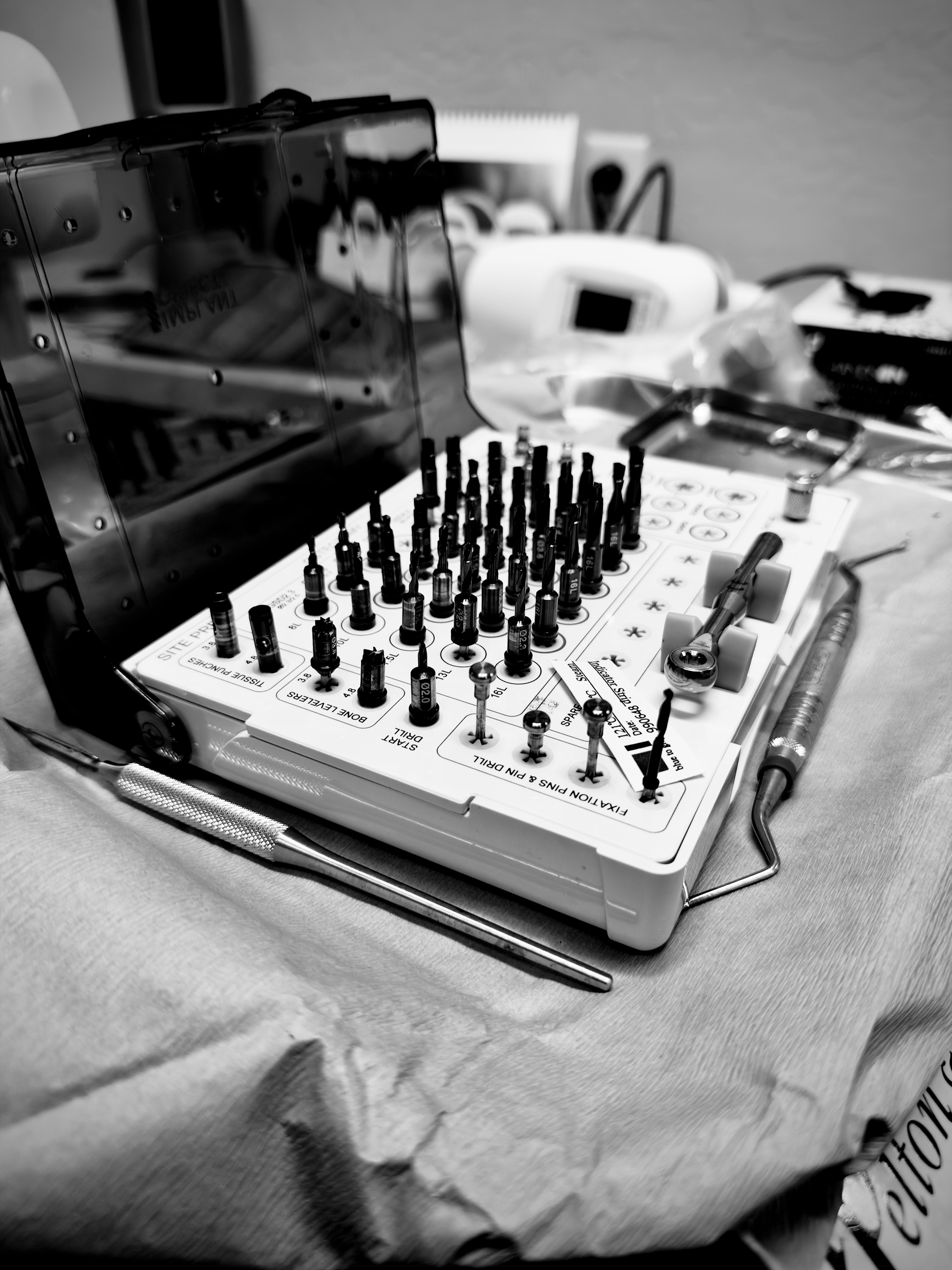
You know, I persevered yesterday with the “Bone Leveler” and “Tissue Puncturer” after all!
I experimented with some new denoising software and was pretty happy with the results. Most of the time, it was a toss-up between DxO and Topaz Photo, but maybe more often than not, Topaz came out on top. I almost think Topaz comes out on top with their sharpening more than the denoise.
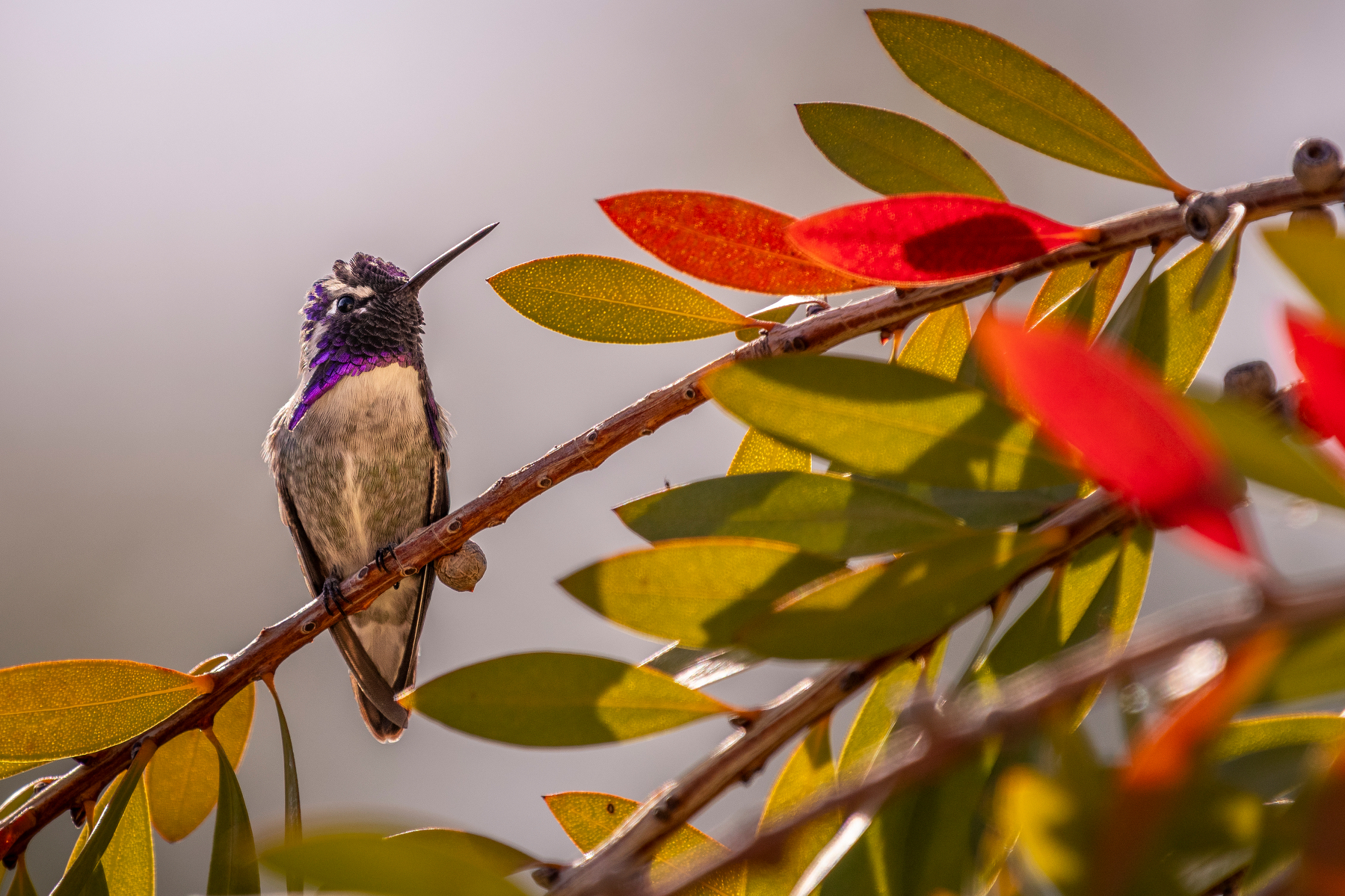
I can’t help but think how much better things would be if I could shoot these with the Nikon. At the very least, they wouldn’t be anywhere this noisy, and I’d have some more shadow recovery. You can see a couple of Nikon Full Frame Hummingbird shots down in Stray Pixels to compare. I didn’t even have to denoise on those shots, and I think they look much better than the OM shots.
You know what this means, don’t you? I need the Nikon Z8. Just Say’n.
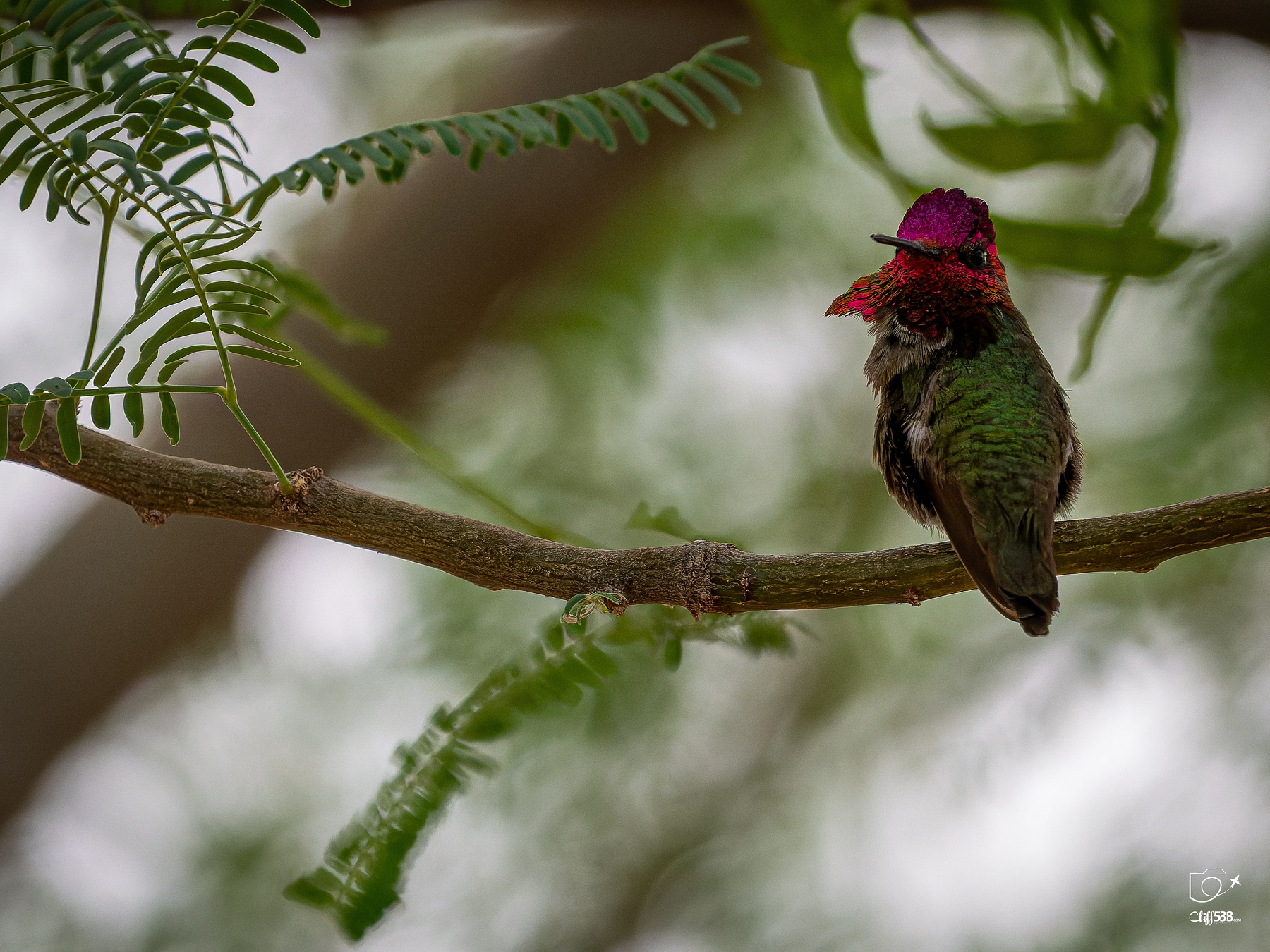
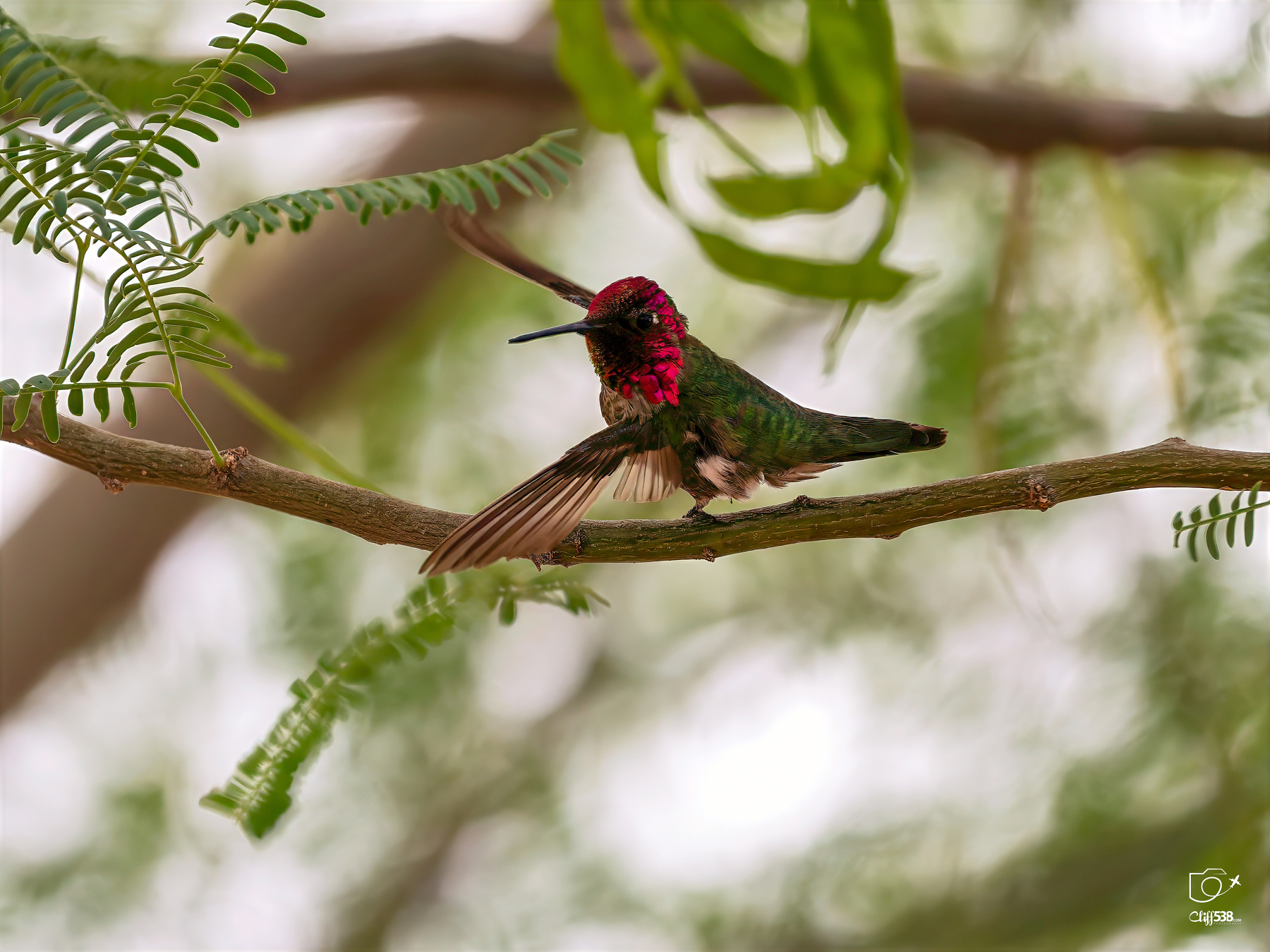
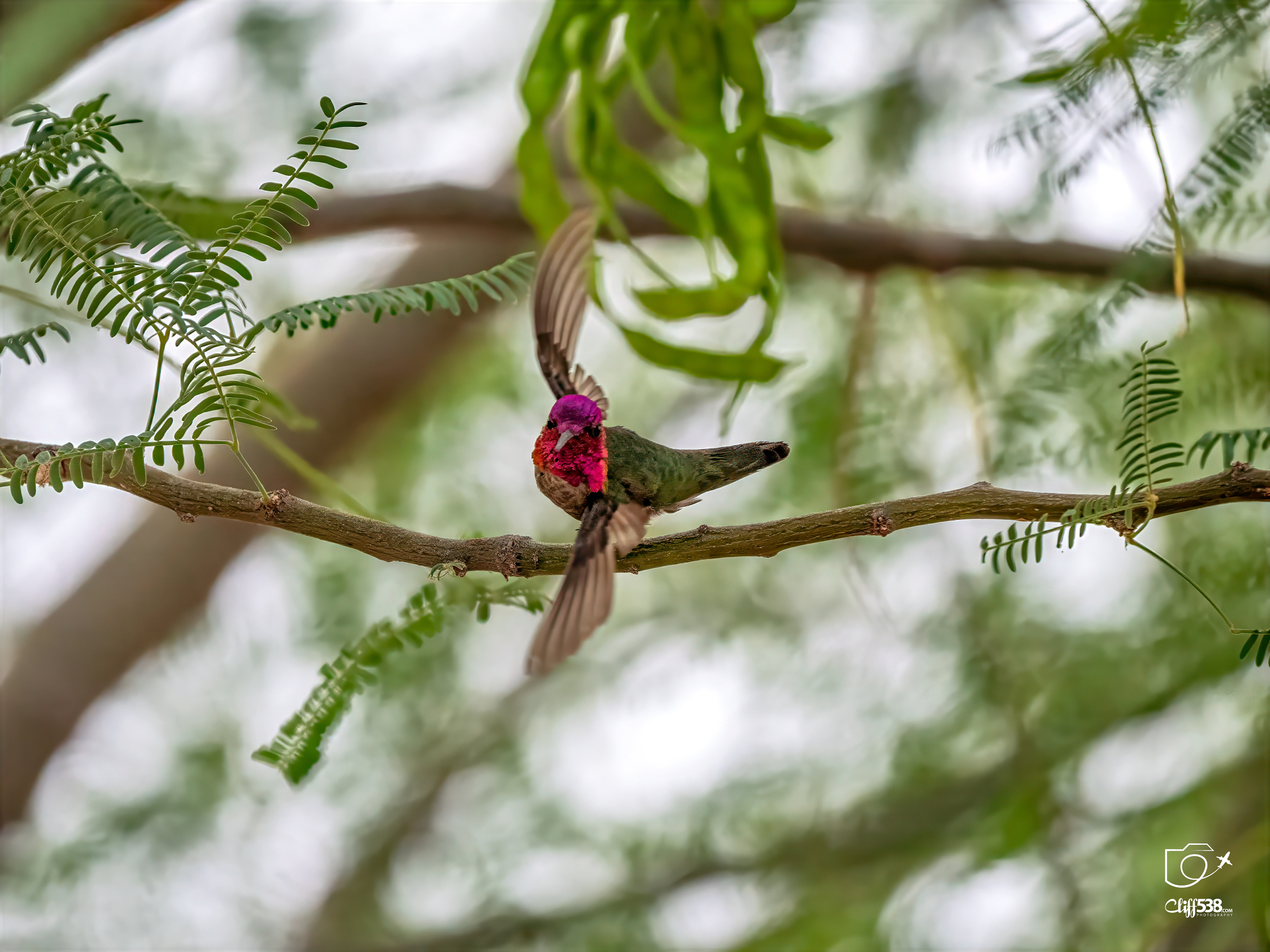
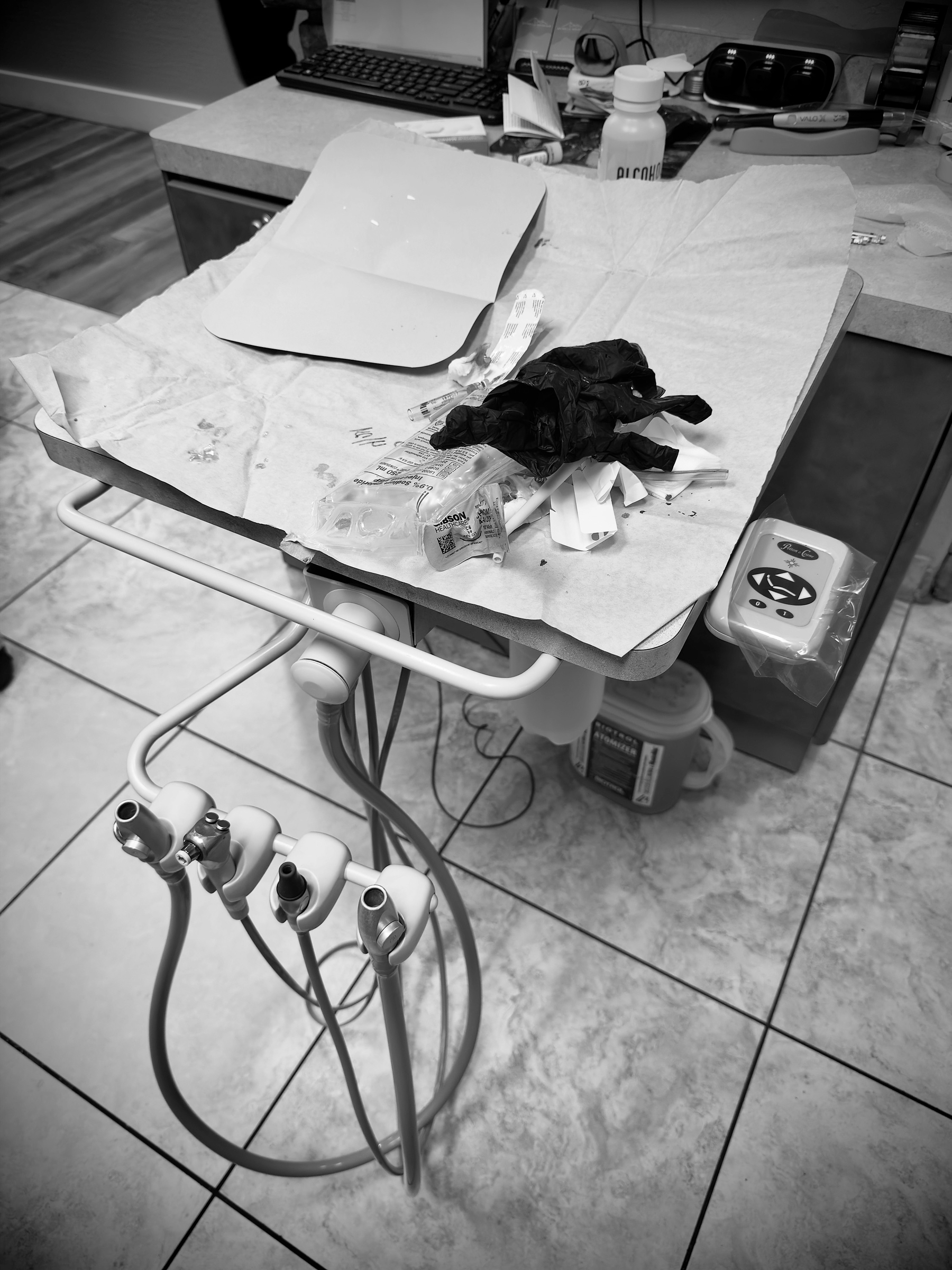
Tough day at the dentist, you can see the “Bone Levelers” in Stray Pixels below. Glad I didn’t look until after it was done. Never fun.
Being numb and lethargic gave me a good chance to shoot/edit pictures, nothing spectacular; the lighting was all wrong for really good shots. Don’t pixel-peep, because there is heavy shadow/highlight recovery and denoising going on!
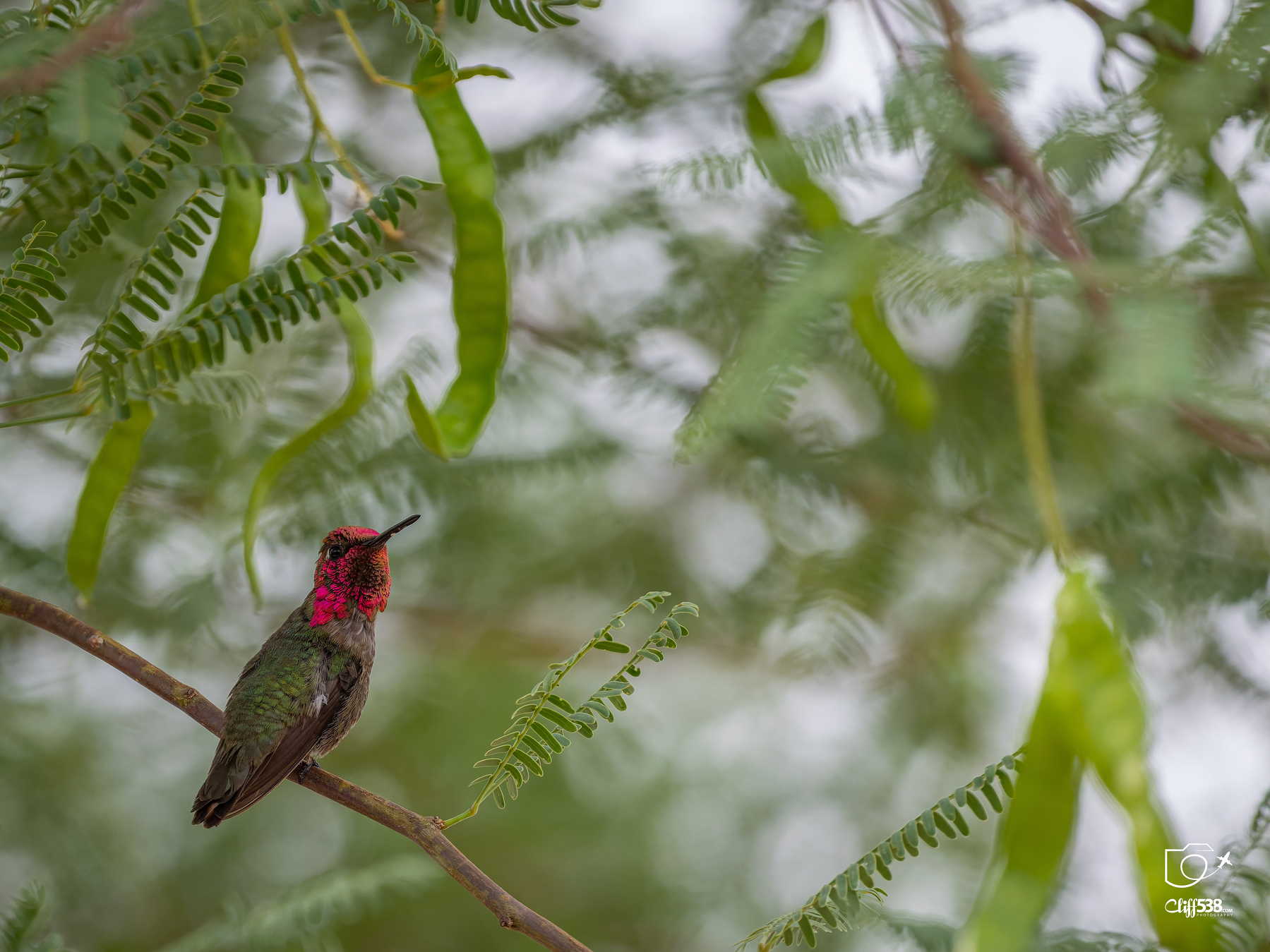
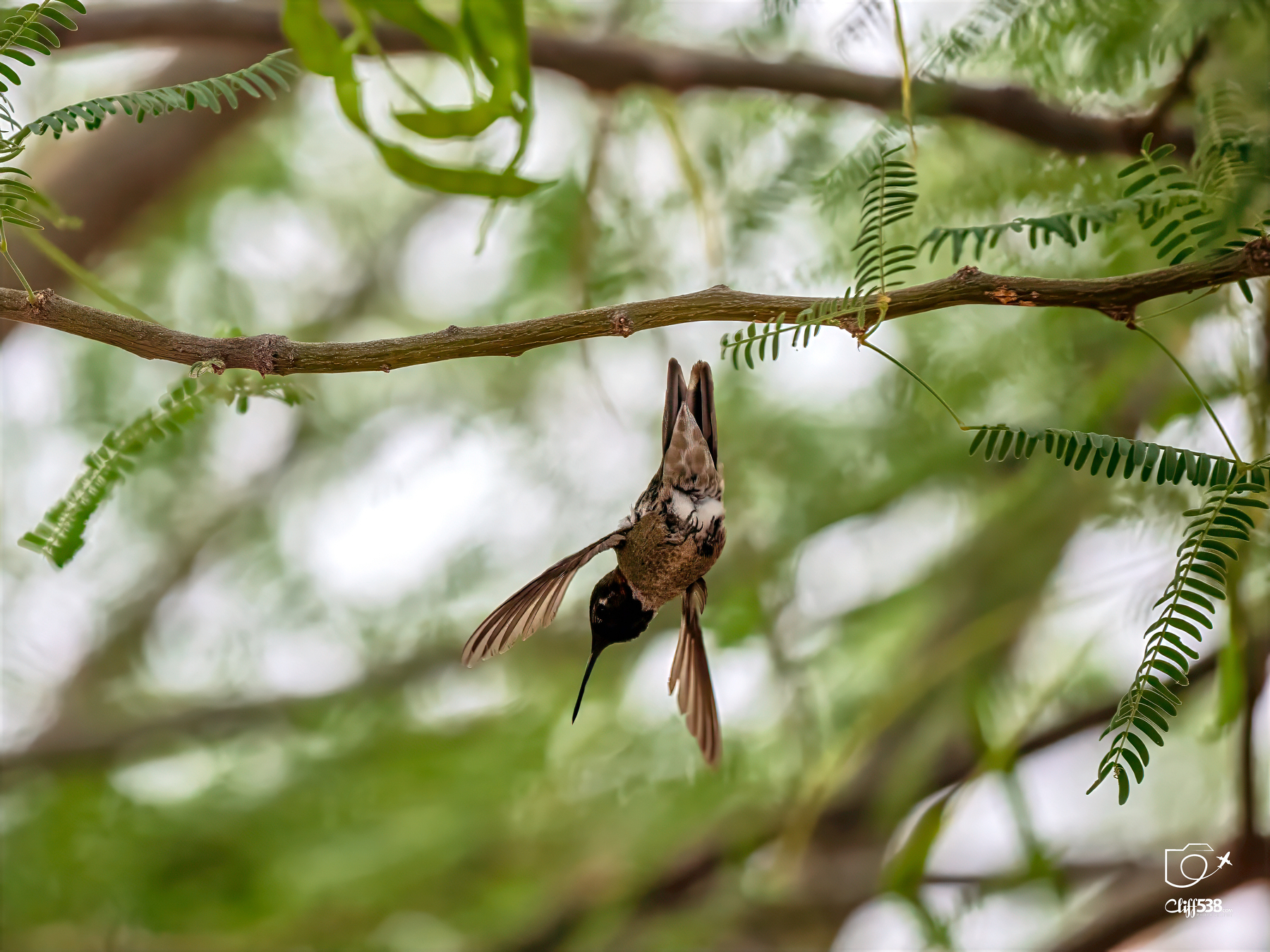
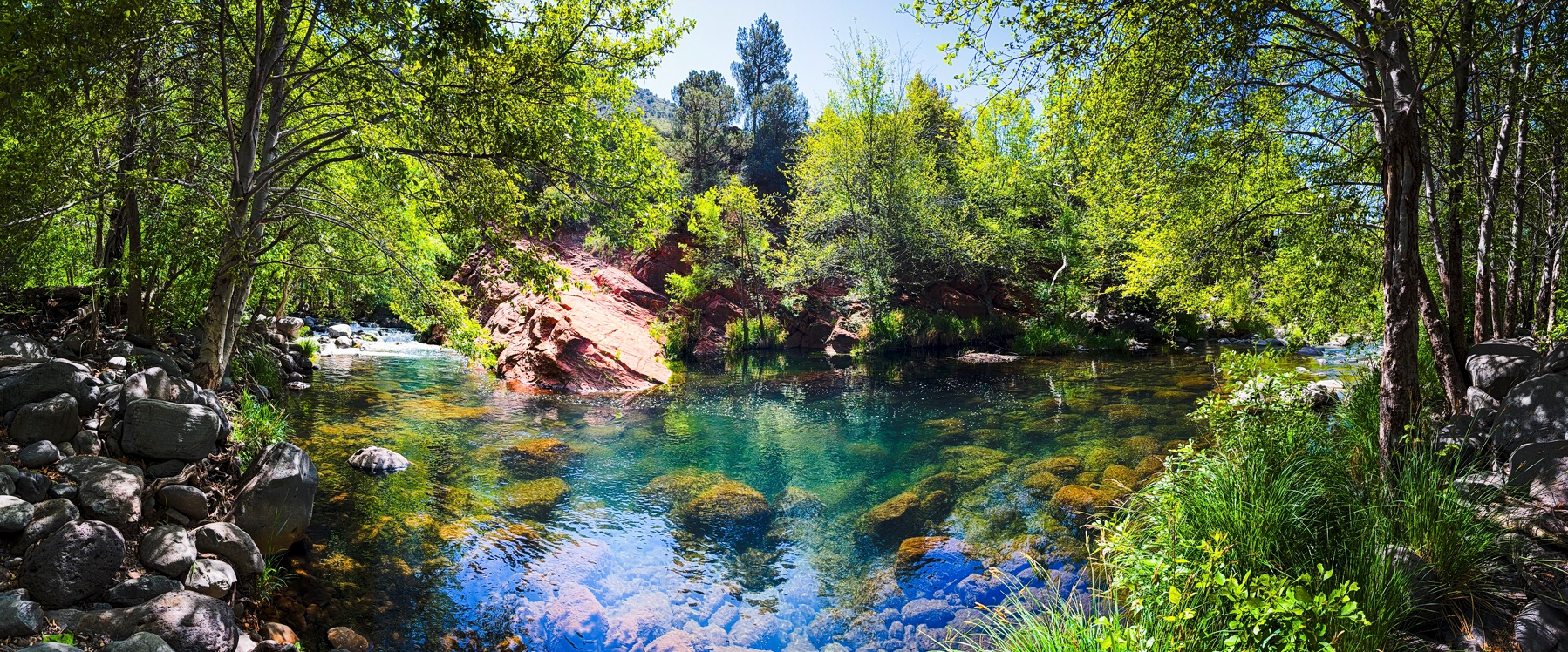
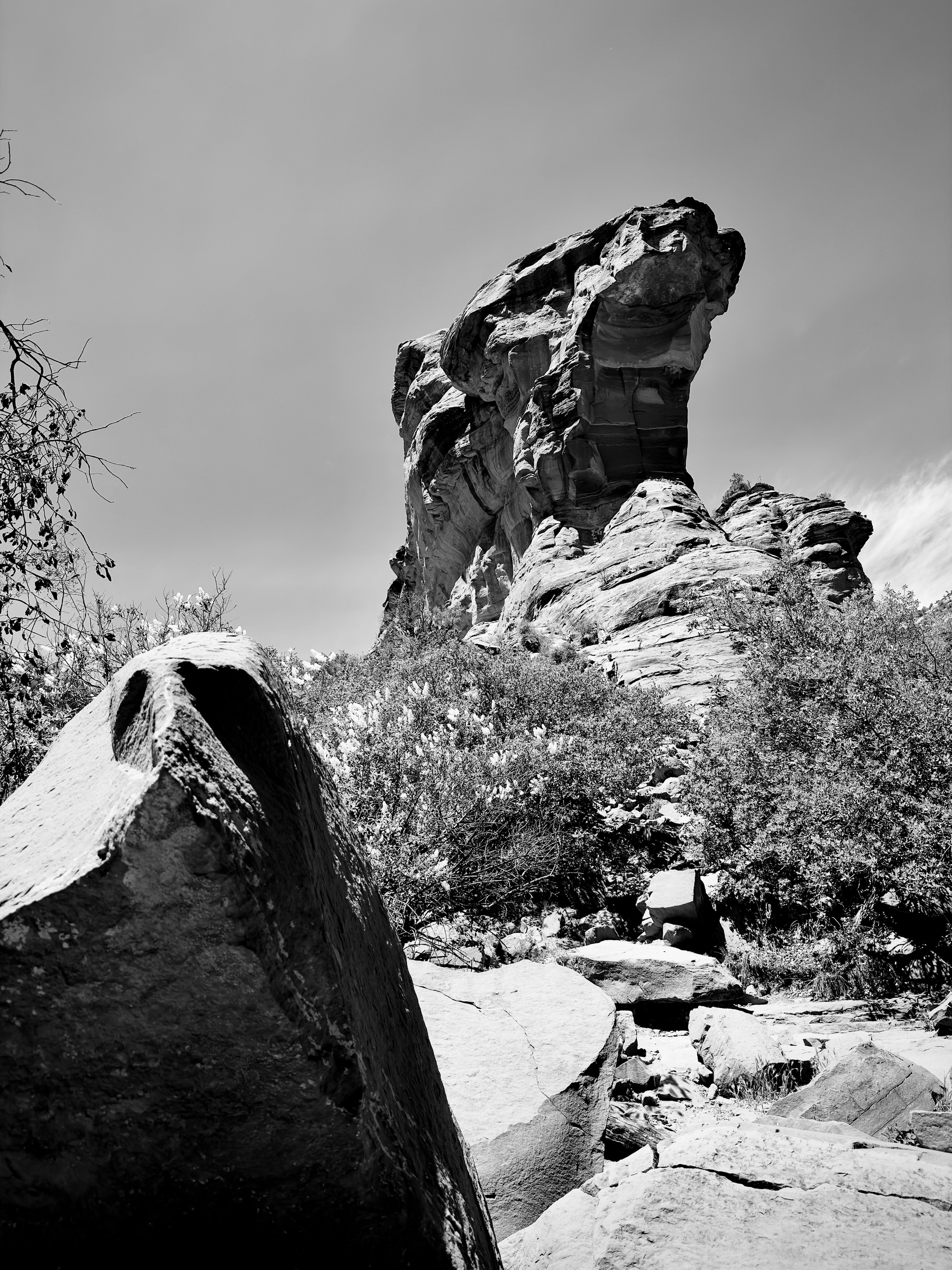
Take time to sit by little streams and simply watch. It’s good for the soul.
I sat here for over an hour, just observing—the sun on my face, the birds and insects moving about, the water flowing, one little trout holding steady in the current. It was glorious.
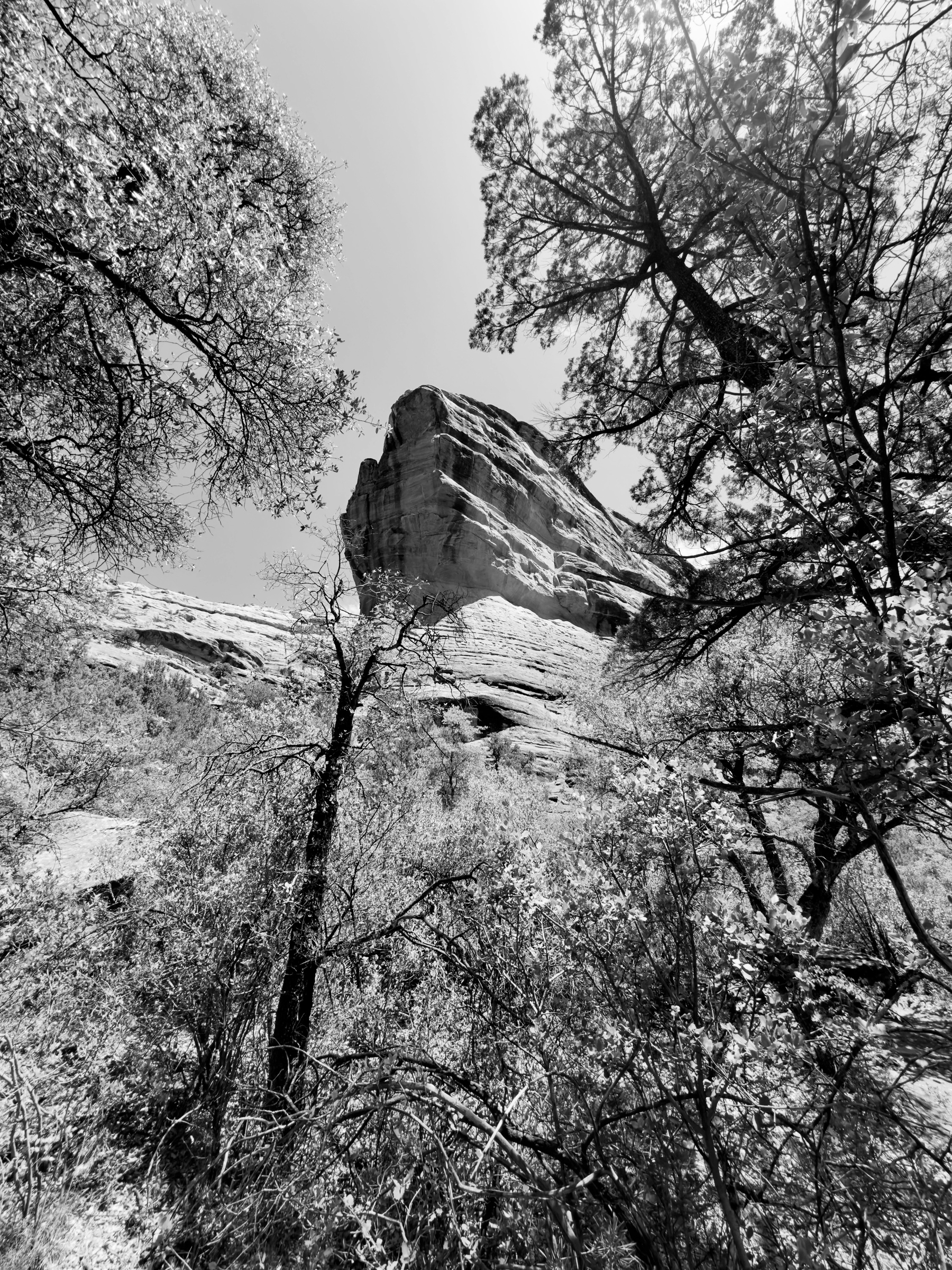
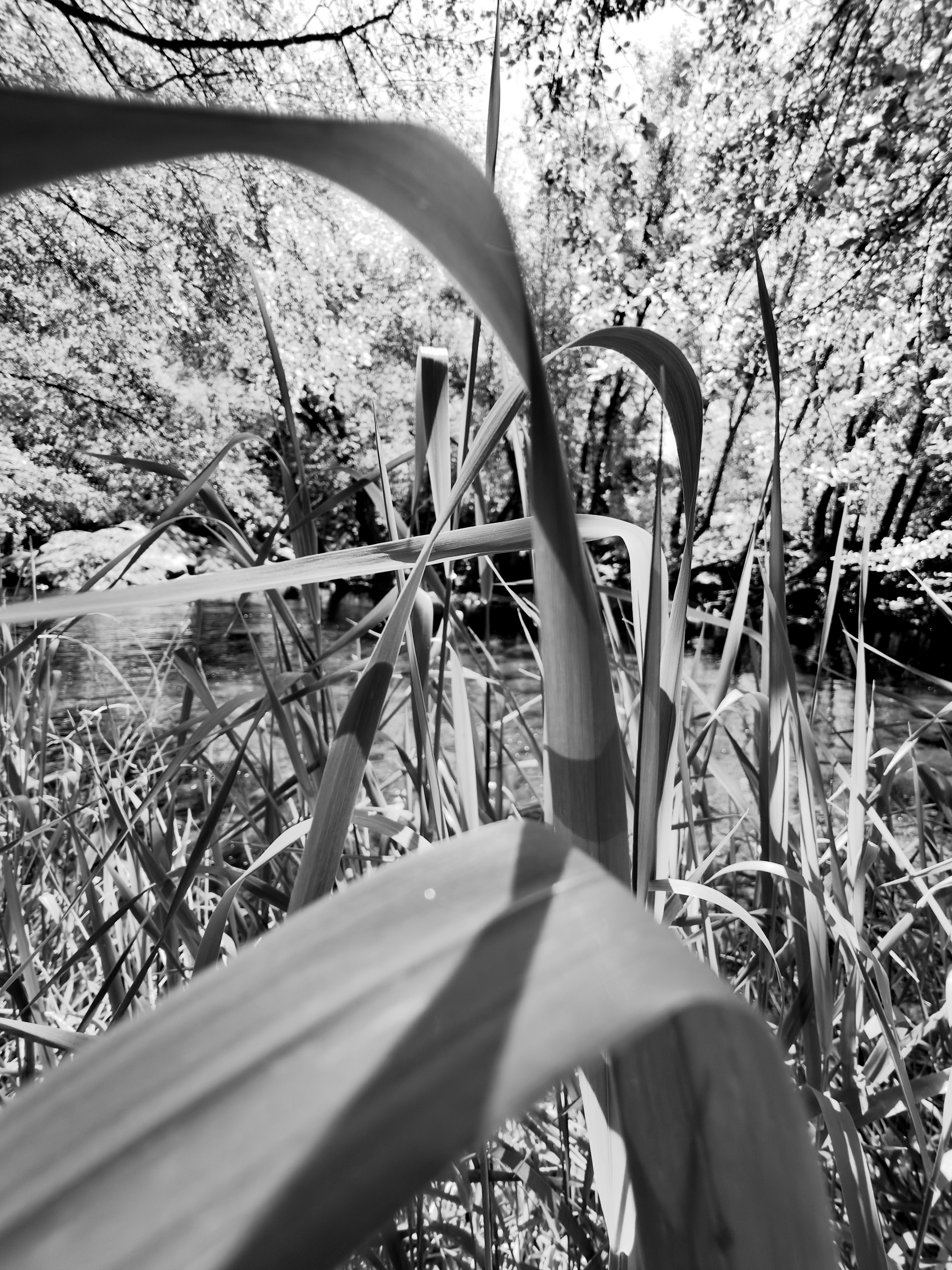
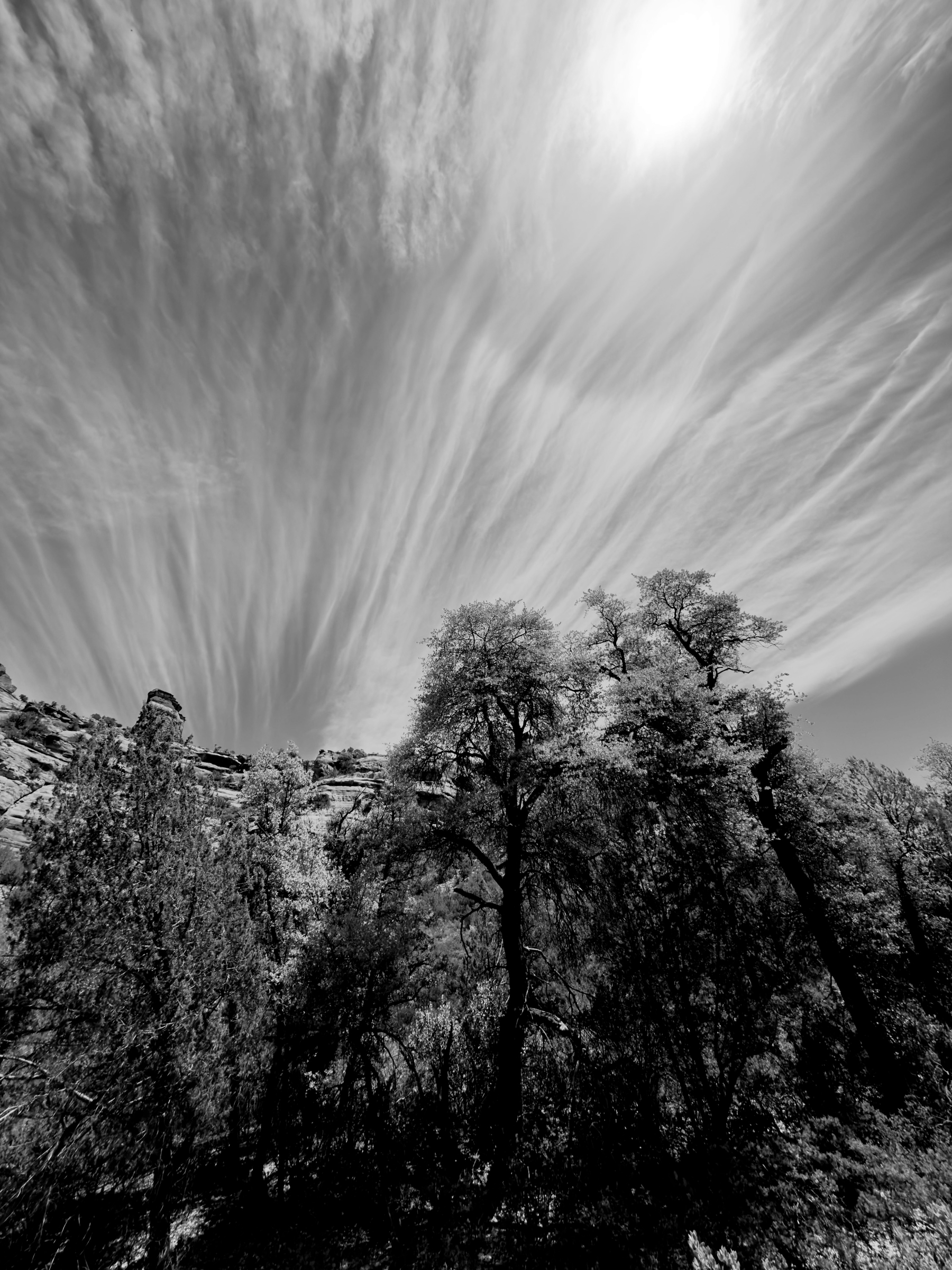
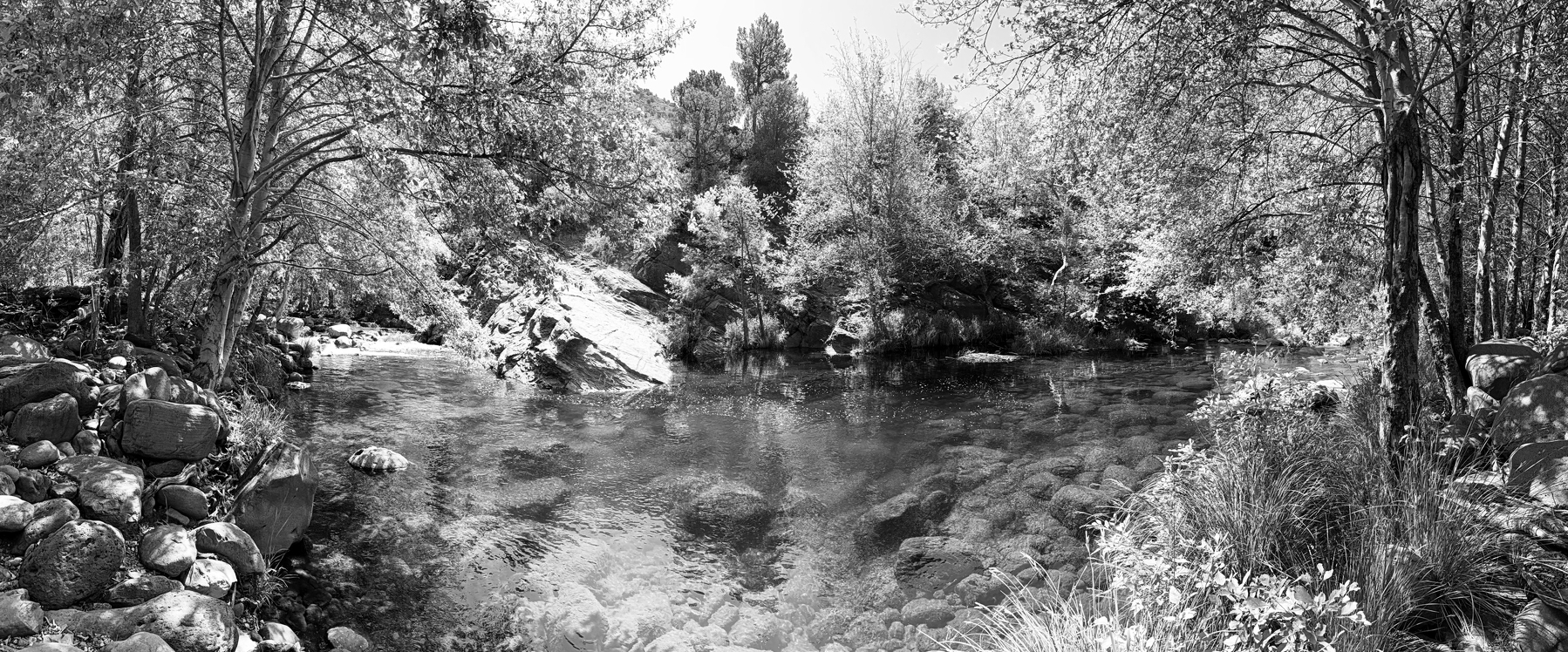
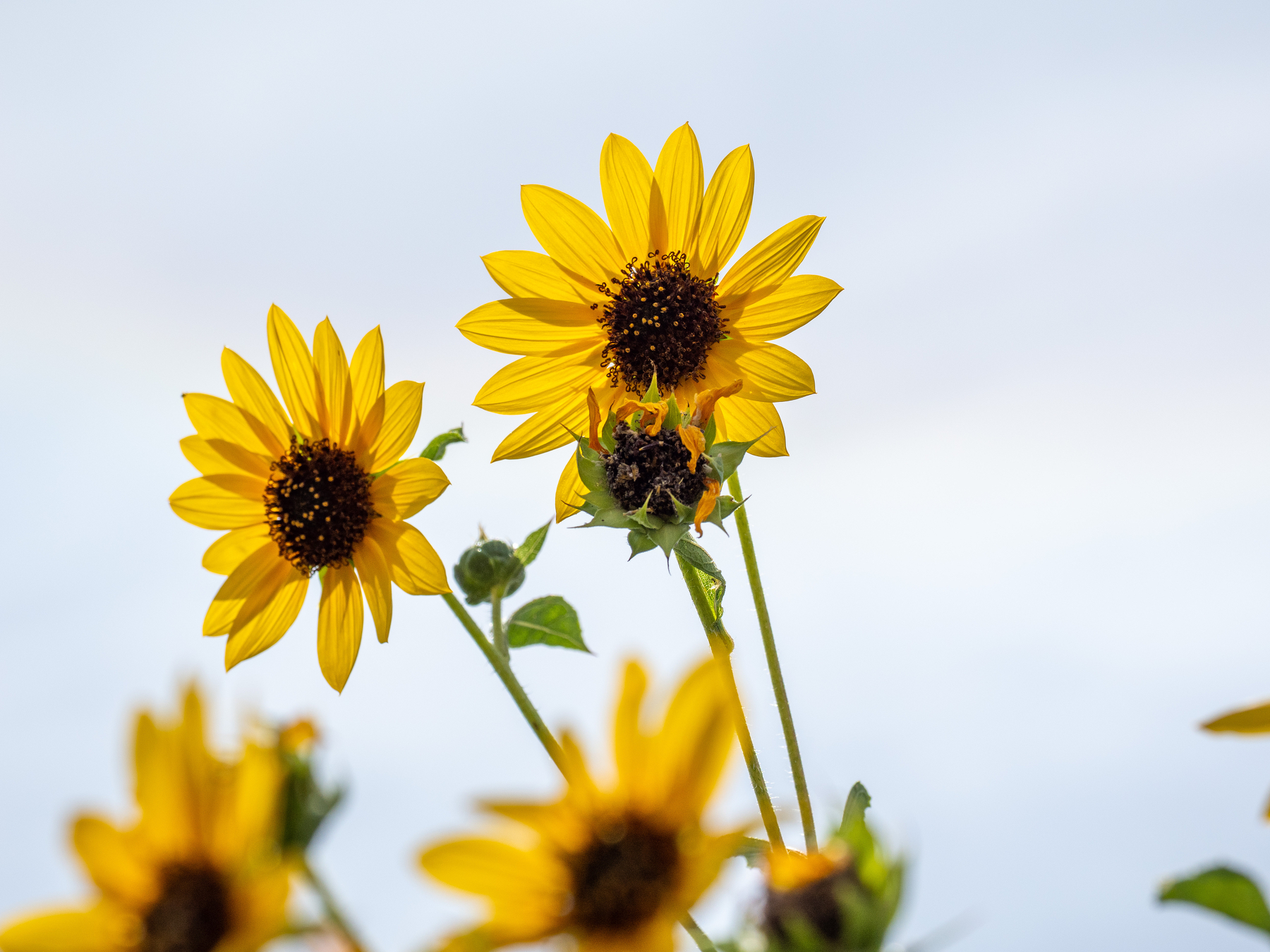
We had so much fun with our guests. Lots of good late-night talks, food, hiking, and photography. I’m behind in processing pictures, but hopefully I will get caught up soon. I’ll do a random photo dump in the Stray Pixel section within a day or two.
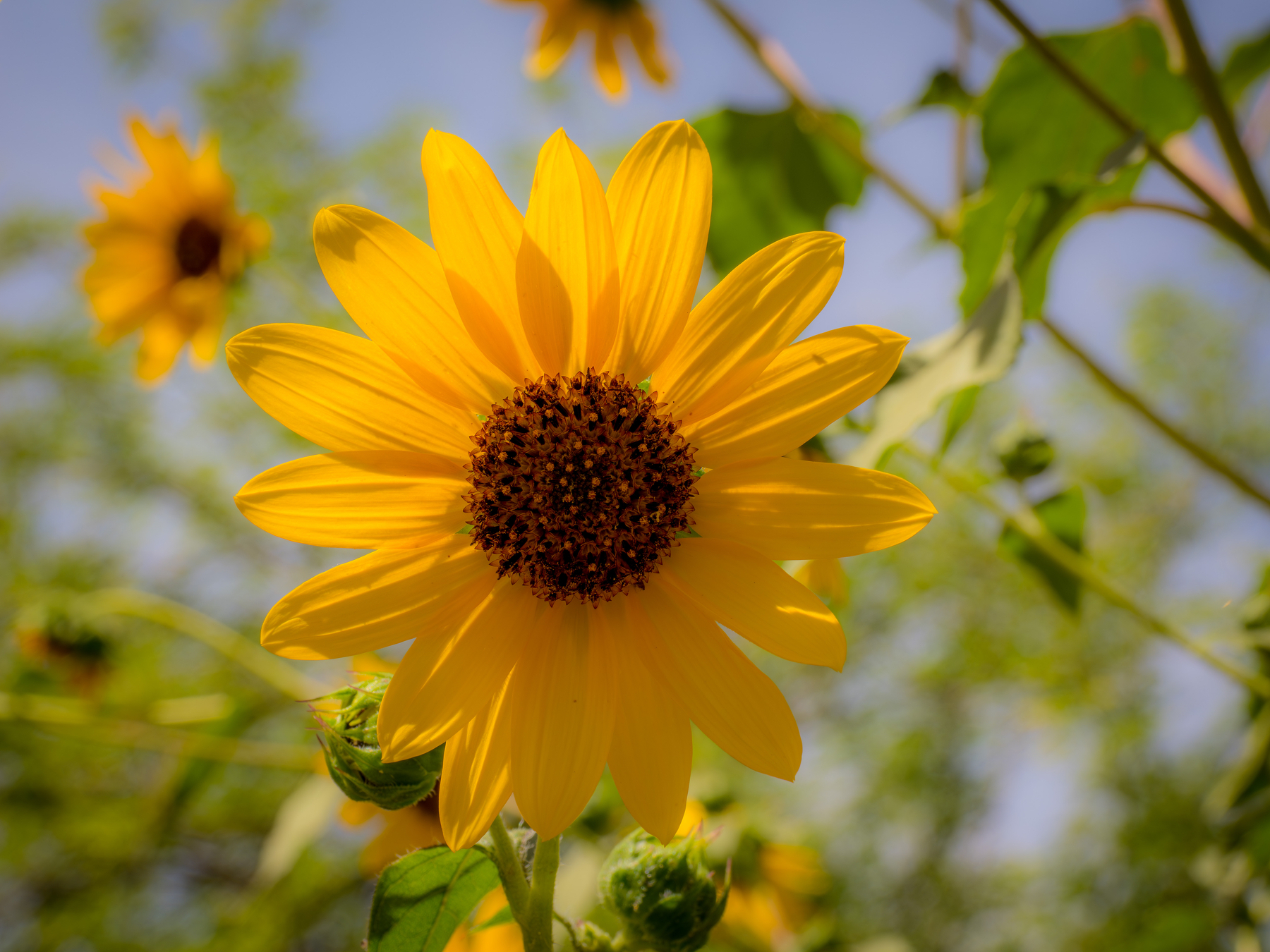
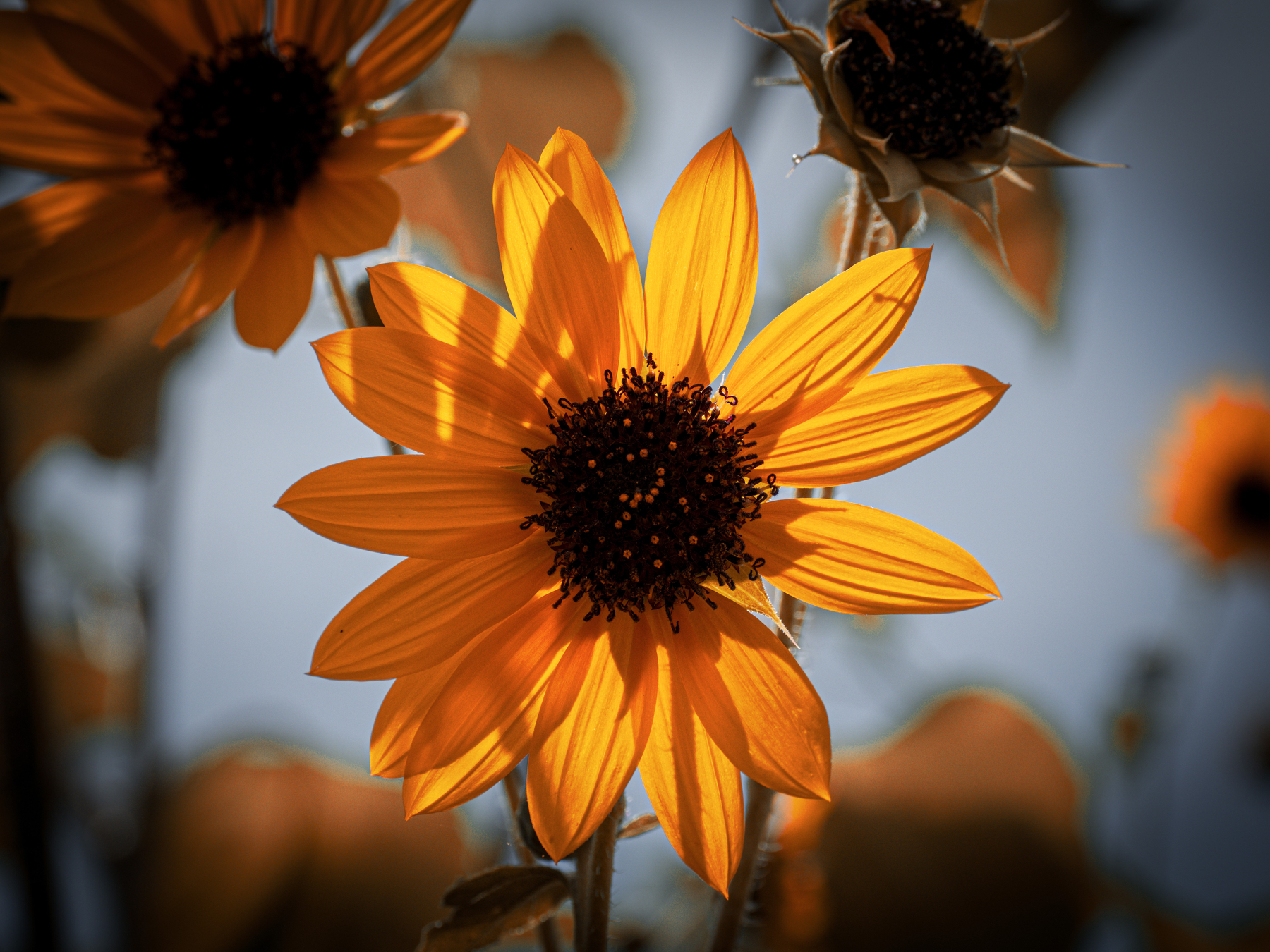
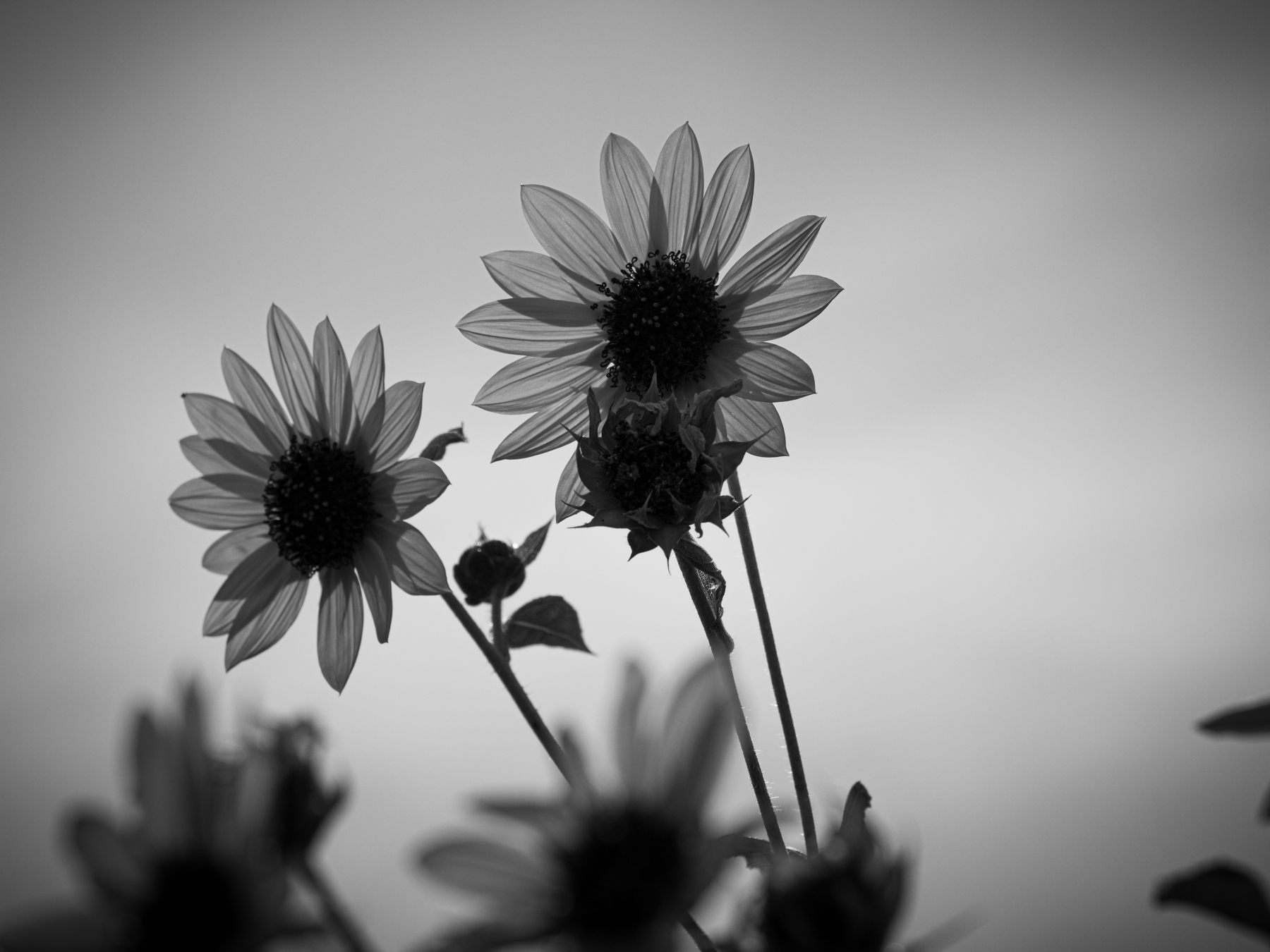
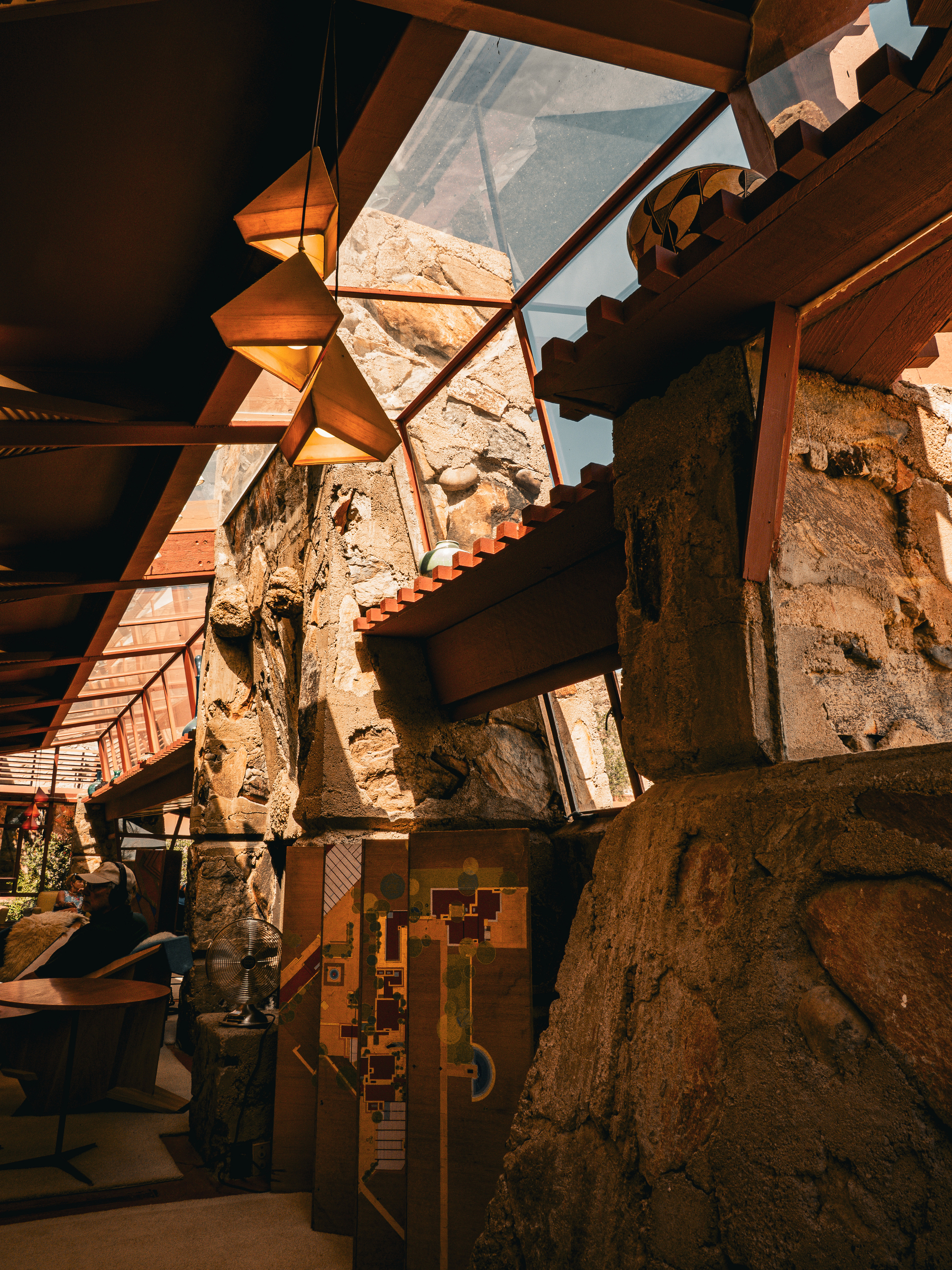
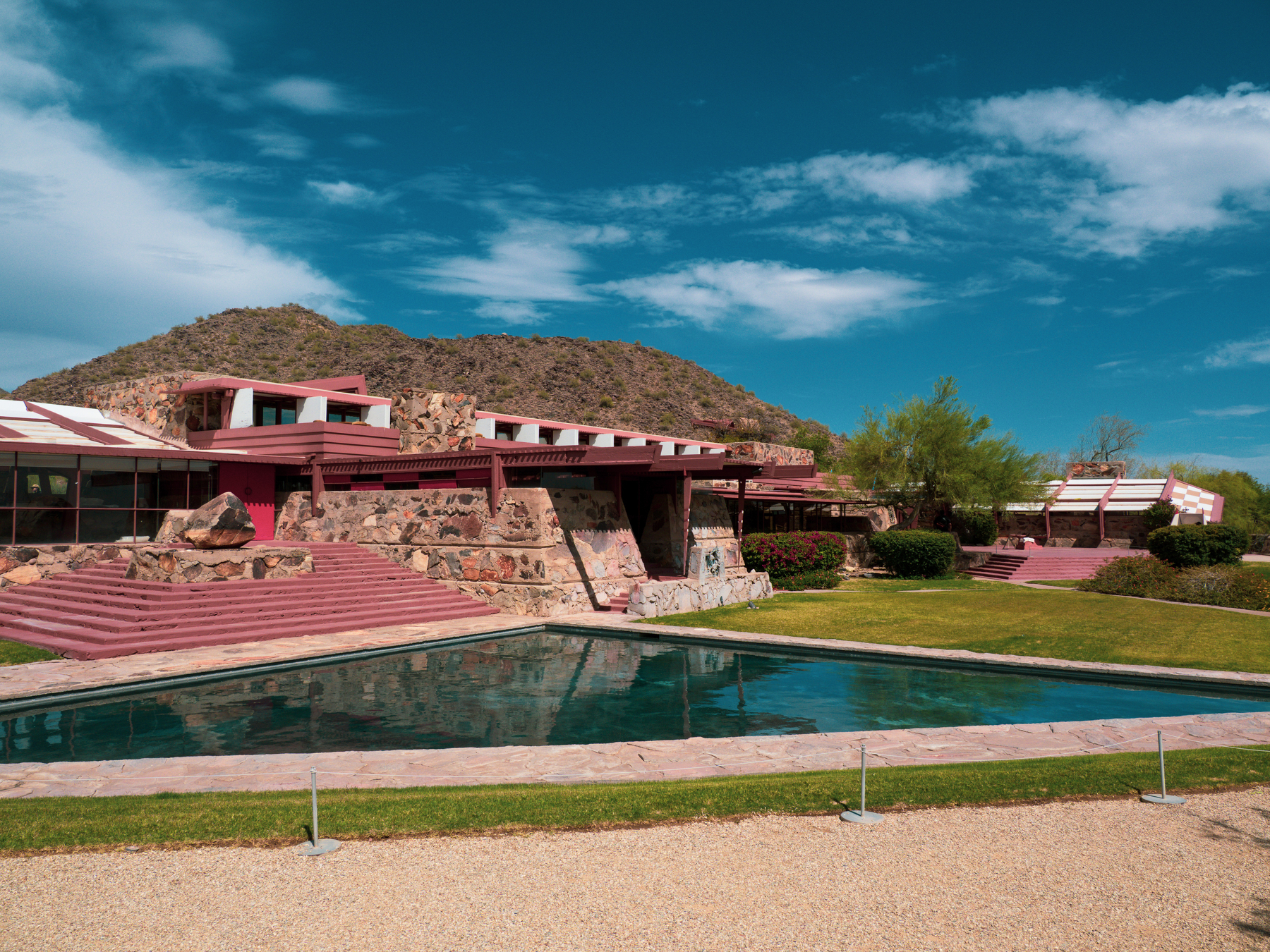
Frank Lloyd Wright - Taliesin West 1937 - 1959
(Wikipedia) Named after Wright’s Taliesin studio in Spring Green, Wisconsin, Taliesin West was Wright’s winter home and studio from 1937 until his death in 1959. The complex is the headquarters of the Frank Lloyd Wright Foundation, a nonprofit organization that hosts tours and events there. Taliesin West is designated as a National Historic Landmark and a World Heritage Site.
Wright and his Taliesin Fellowship (later the School of Architecture) began making wintertime pilgrimages from Wisconsin to Arizona in 1935, and he bought a site in the McDowell Mountains two years later. His apprentices set up a temporary camp there, erecting the initial structures between 1938 and 1941. During Wright’s lifetime, he oversaw several expansions, and some of the original construction materials were replaced. After Wright’s death, the fellowship continued to modify the structures, and Taliesin West gradually gained popularity as a tourist attraction. The Frank Lloyd Wright Foundation began planning major renovations and a visitor center in the late 20th century. Parts of Taliesin West were gradually renovated and upgraded during the early 21st century.
Worth a visit if you are in the Phoenix area.
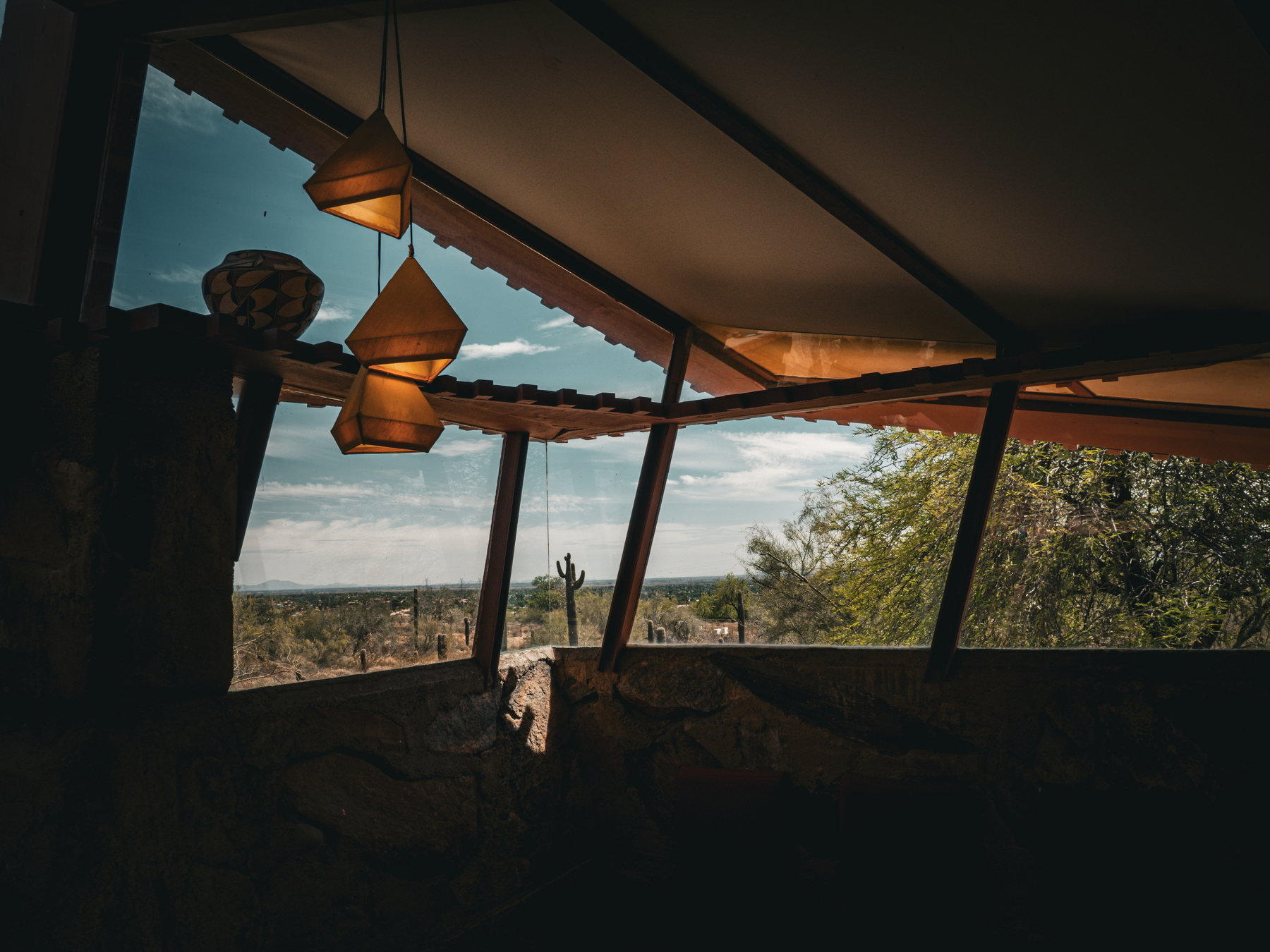
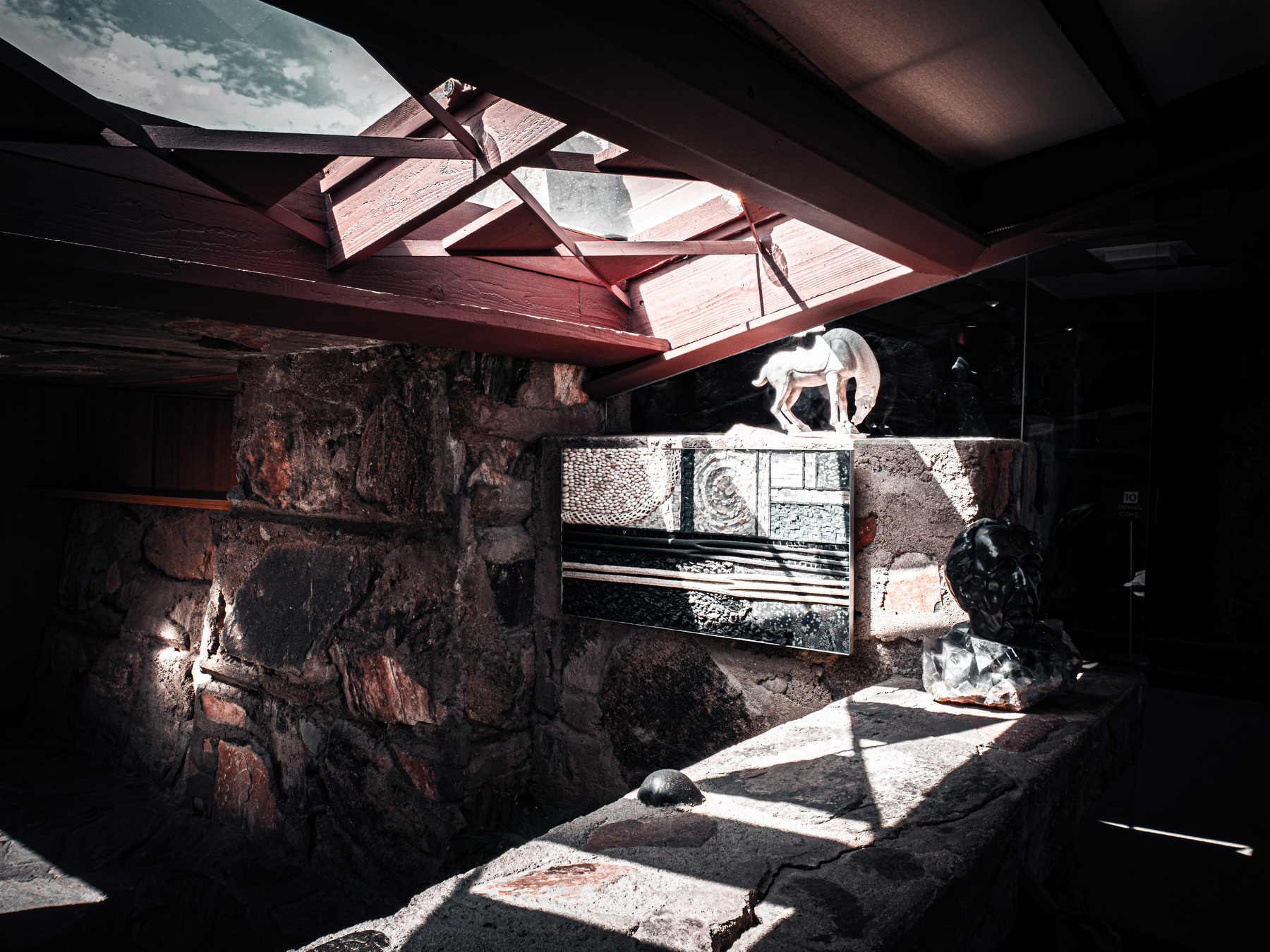
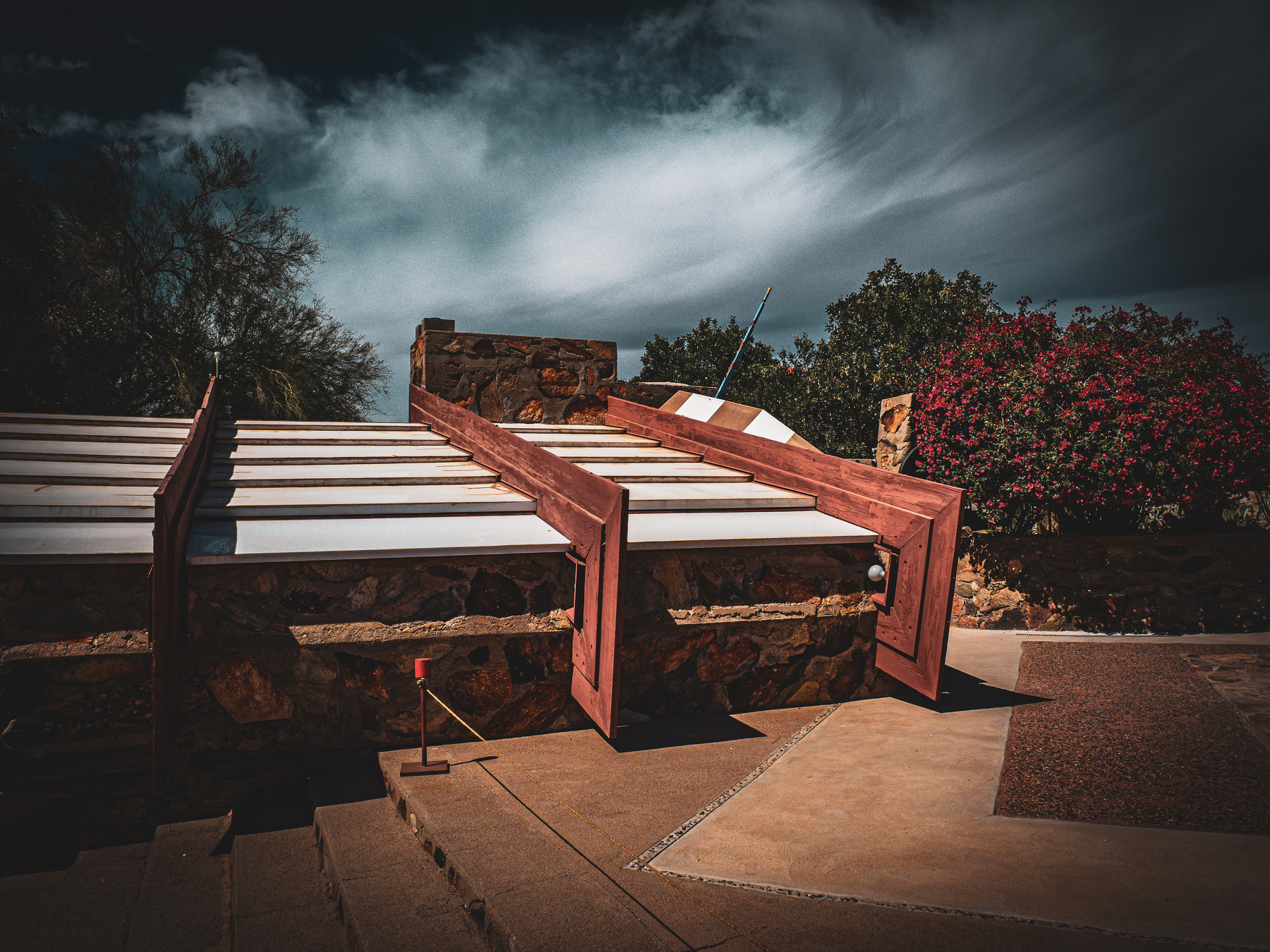
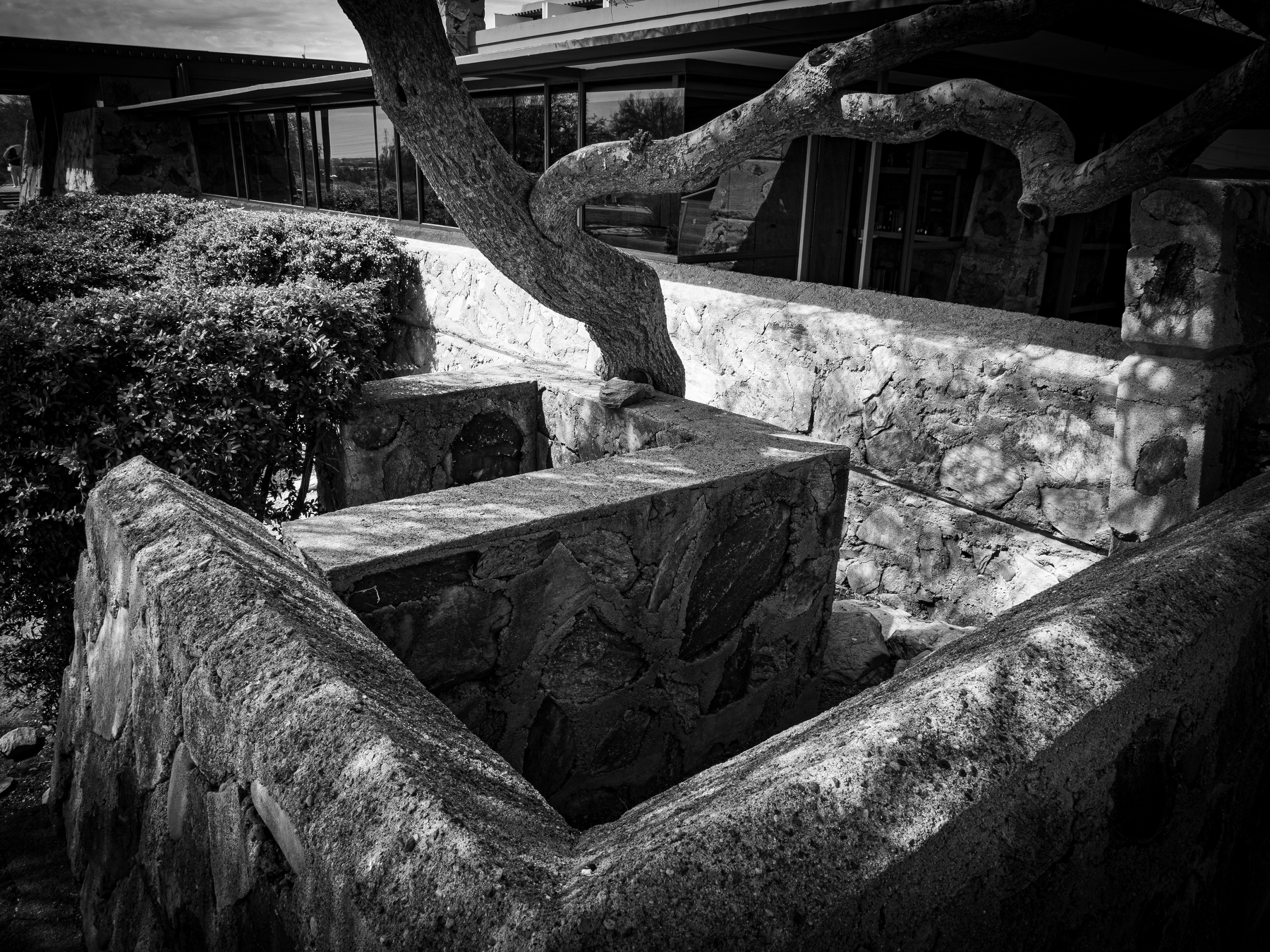
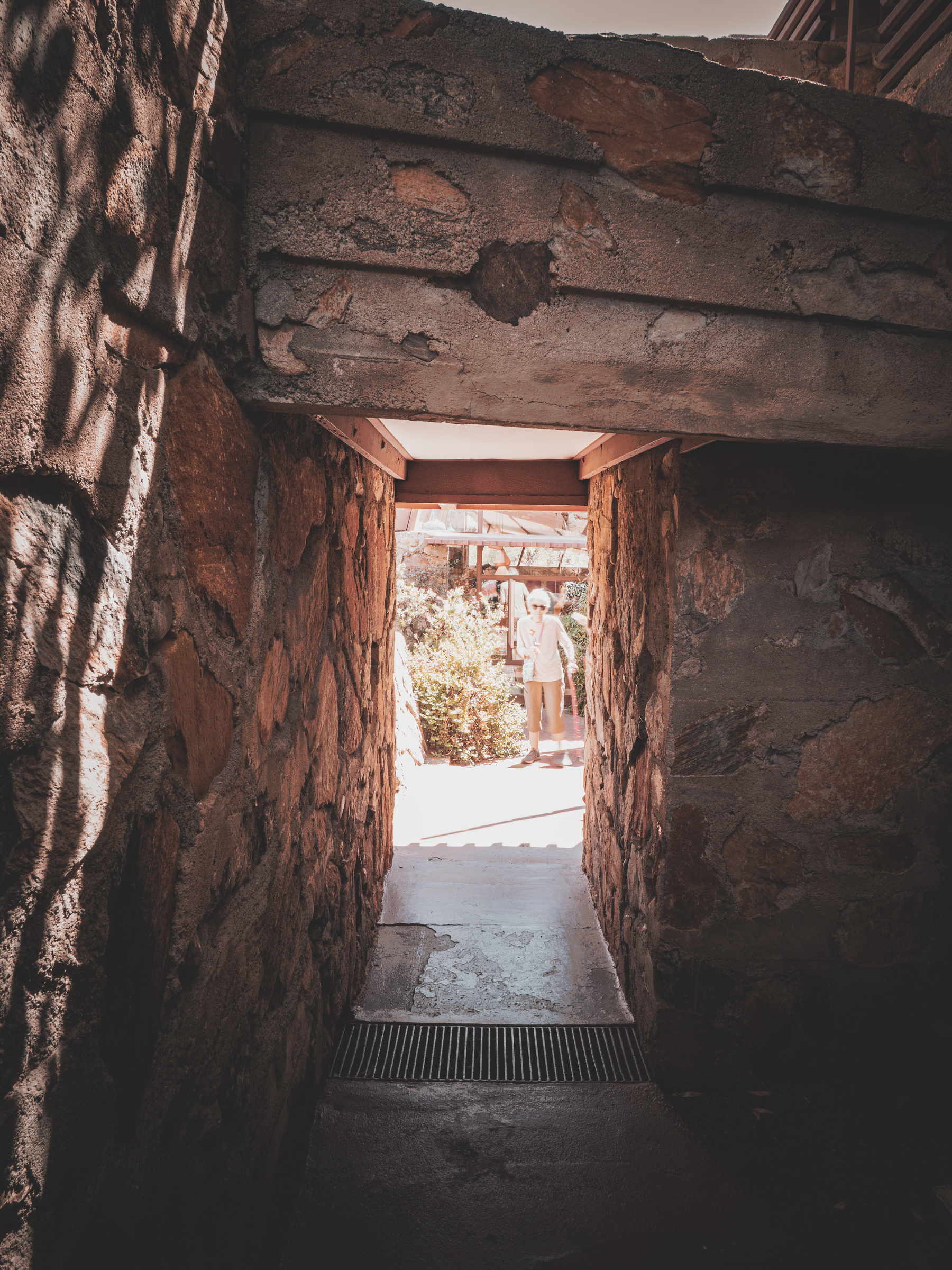
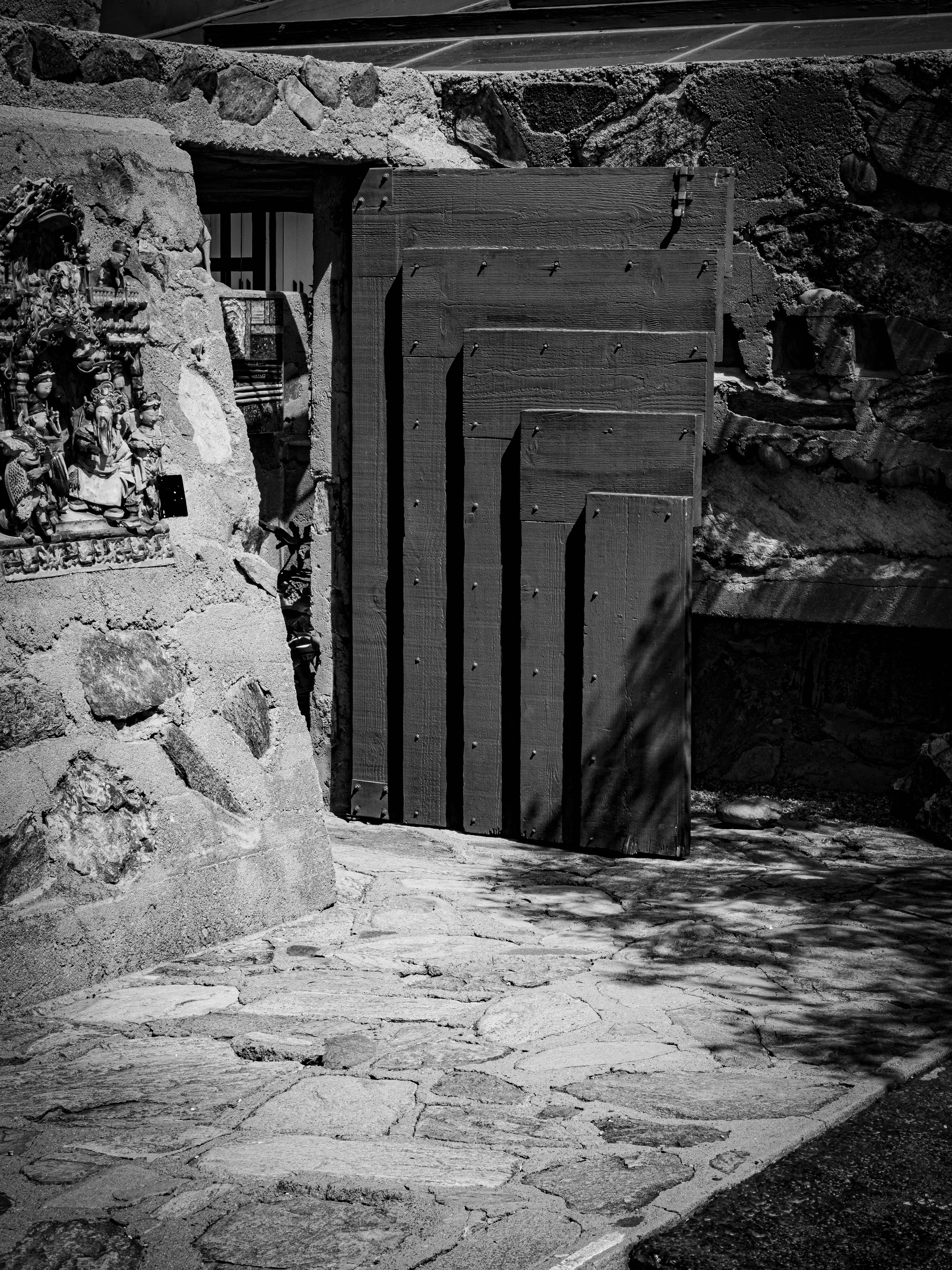
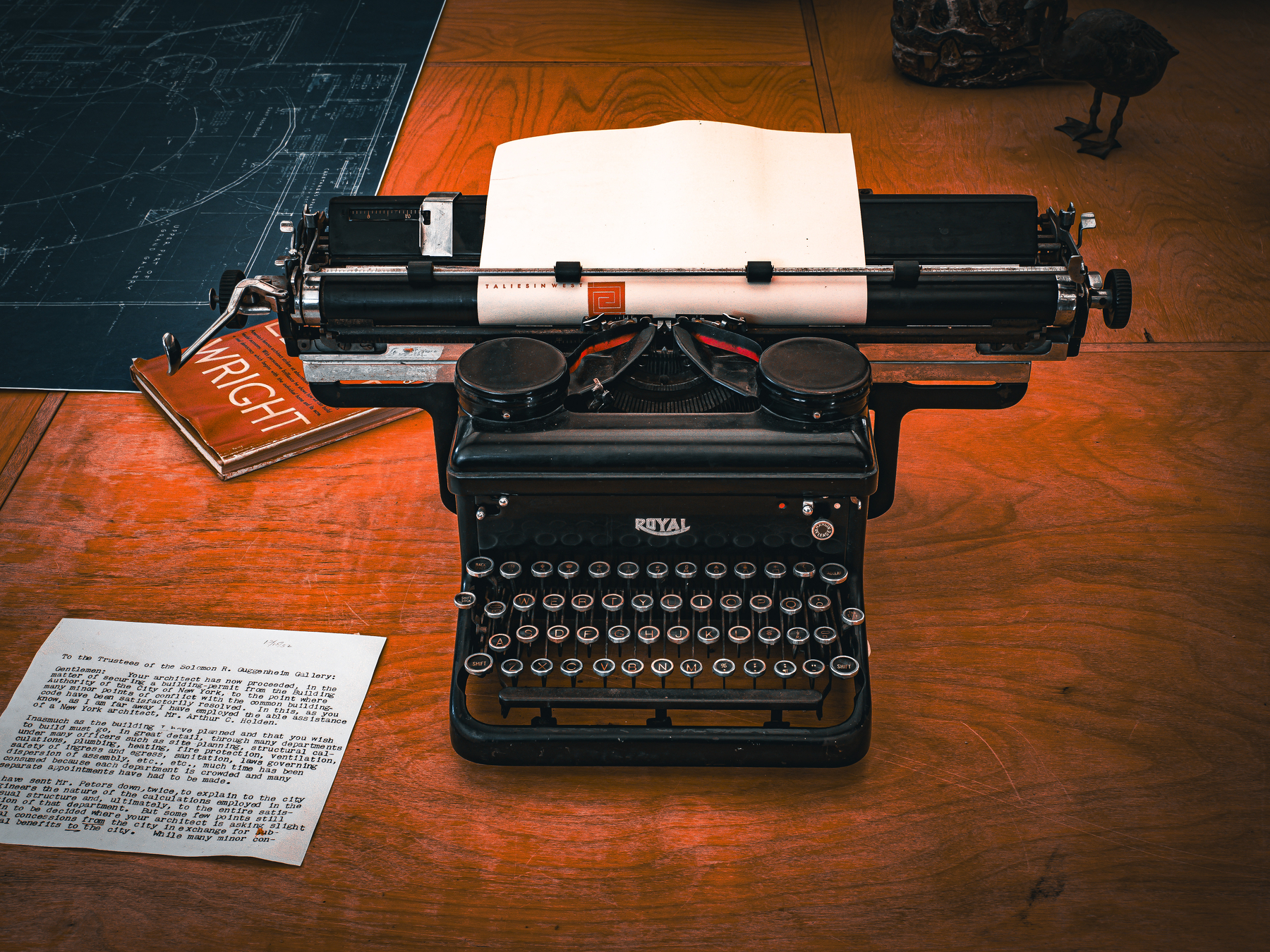
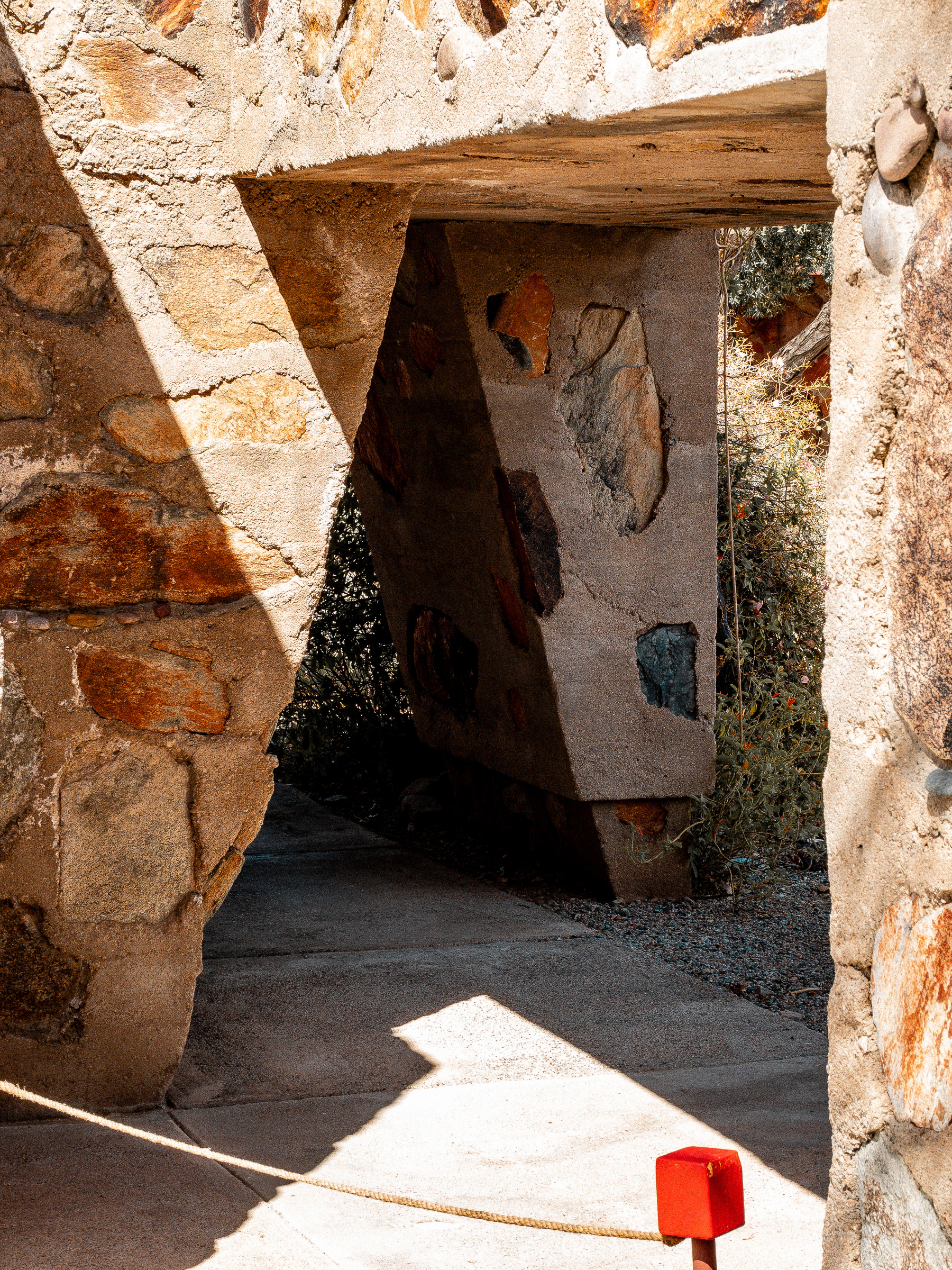
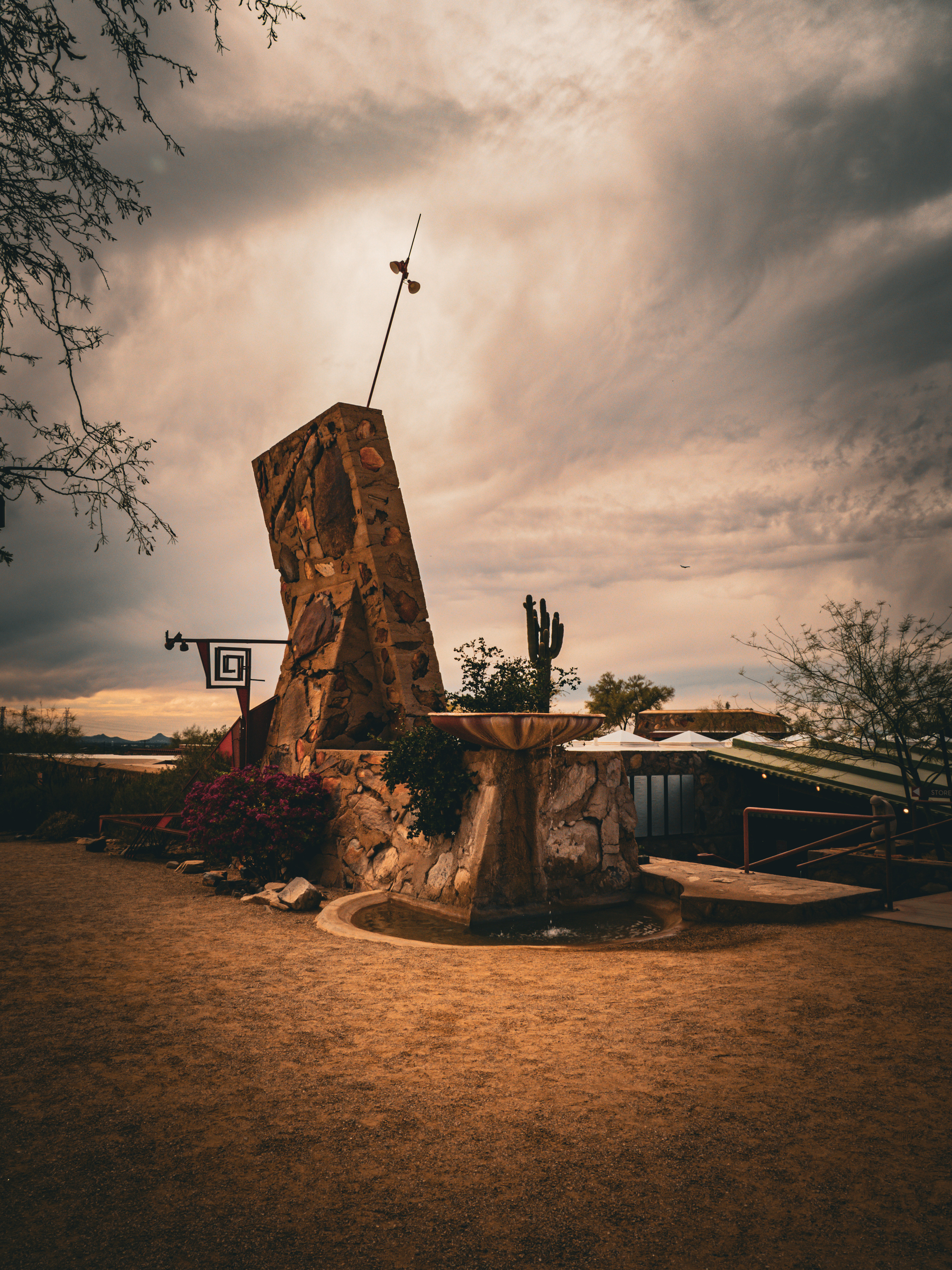
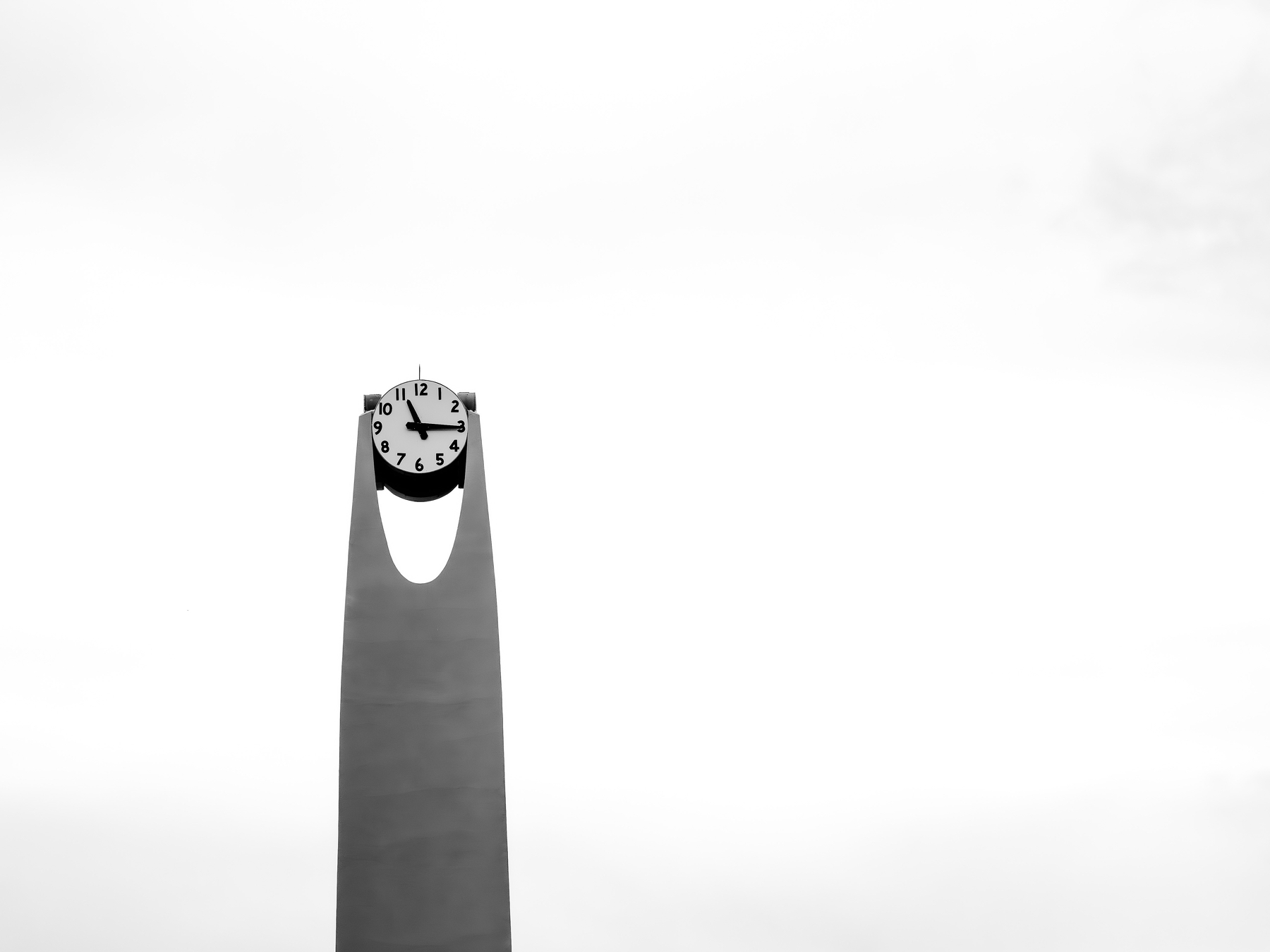
I love having the time to just walk around and shoot. It’s my happy place.
Sometimes you see the shot, sometimes the shot finds you. All you have to do is take the time to look.

We have friends in town and have been out and about visiting museums, gardens, and cultural centers. It’s been wonderful, with lots of much needed photography time. The struggle has been going through pictures and developing after a long day. I’ll be behind in processing for weeks at this pace!
Hope everyone is well. Thank you for stopping by for a look.
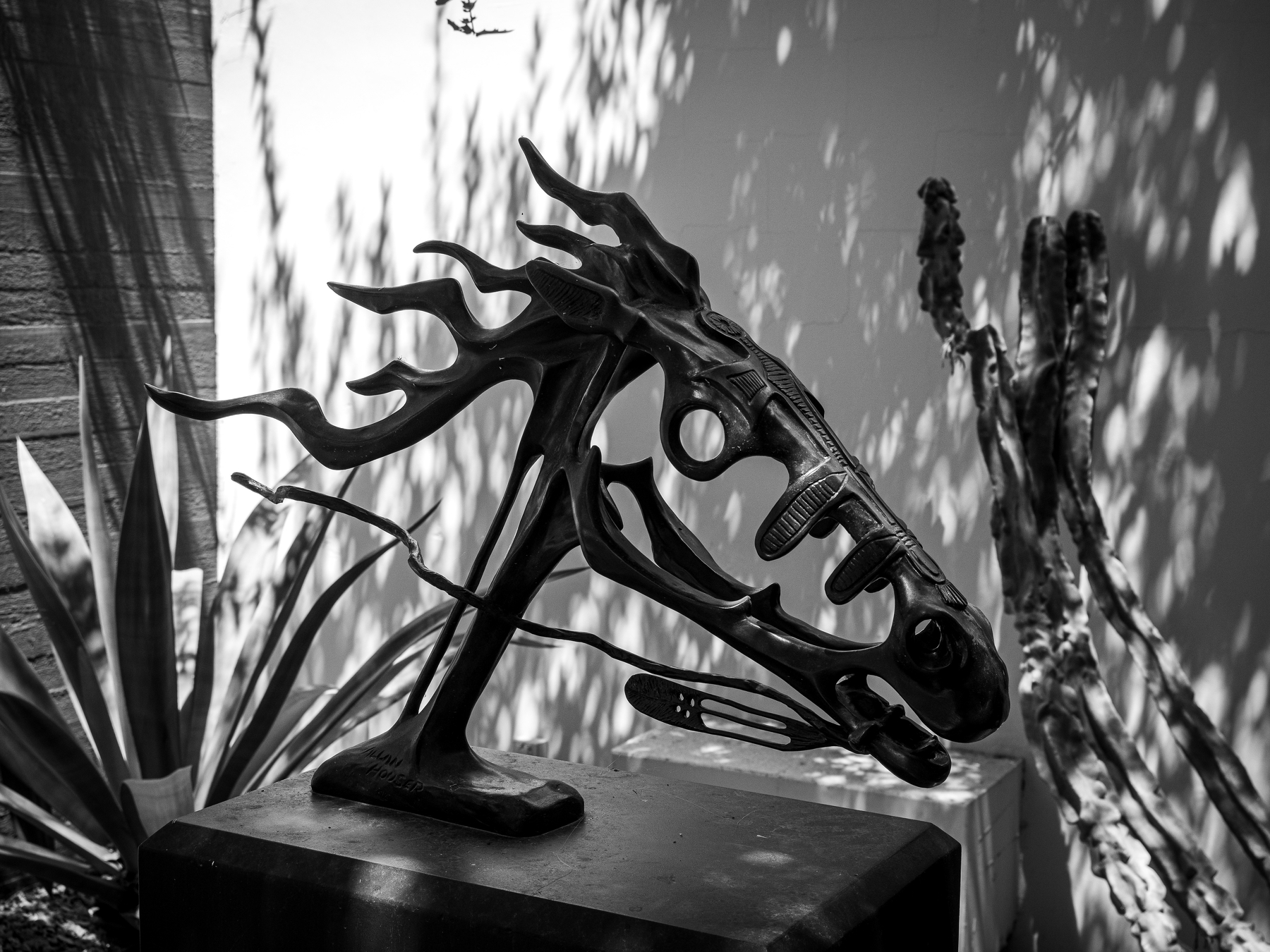
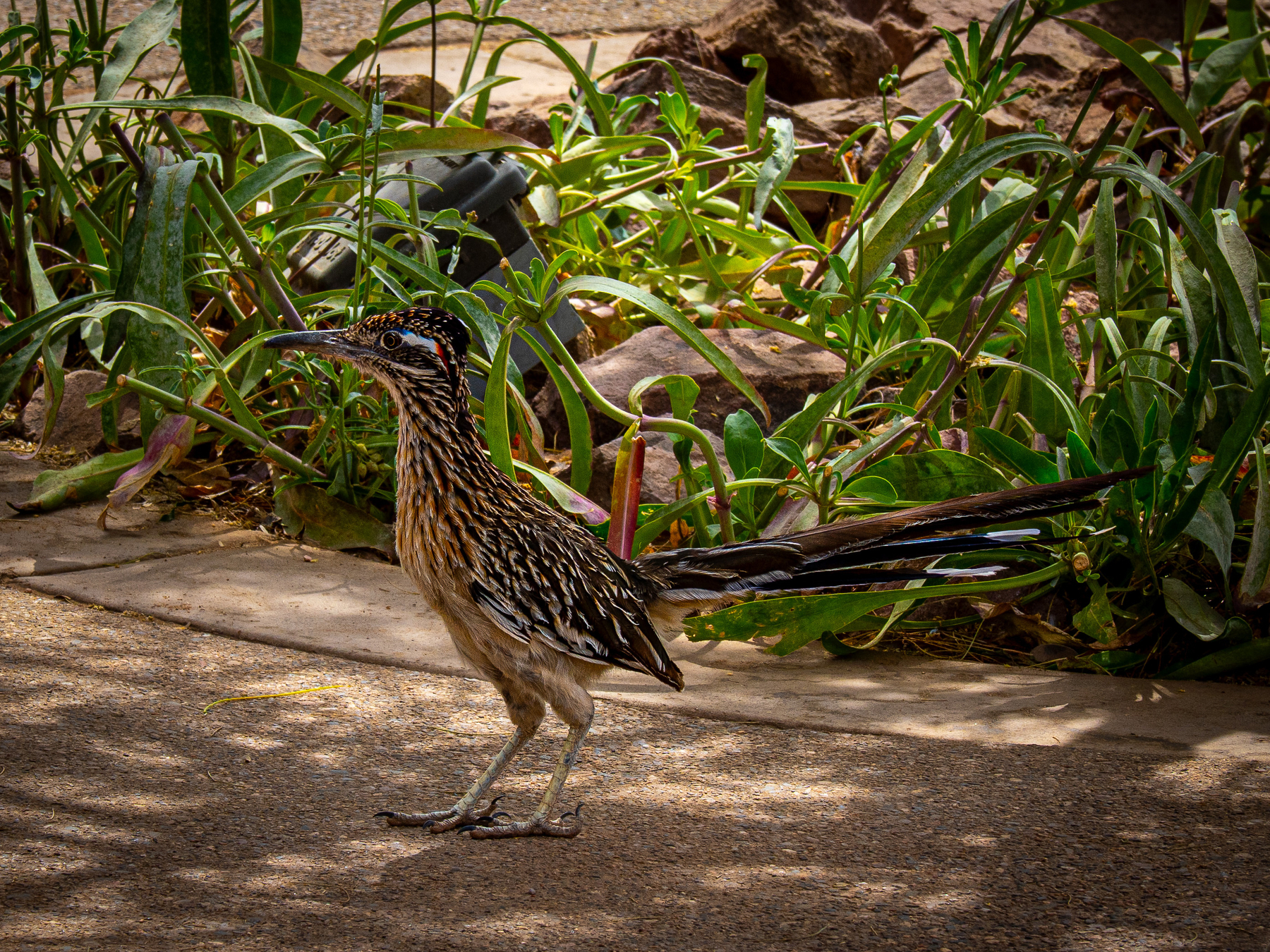
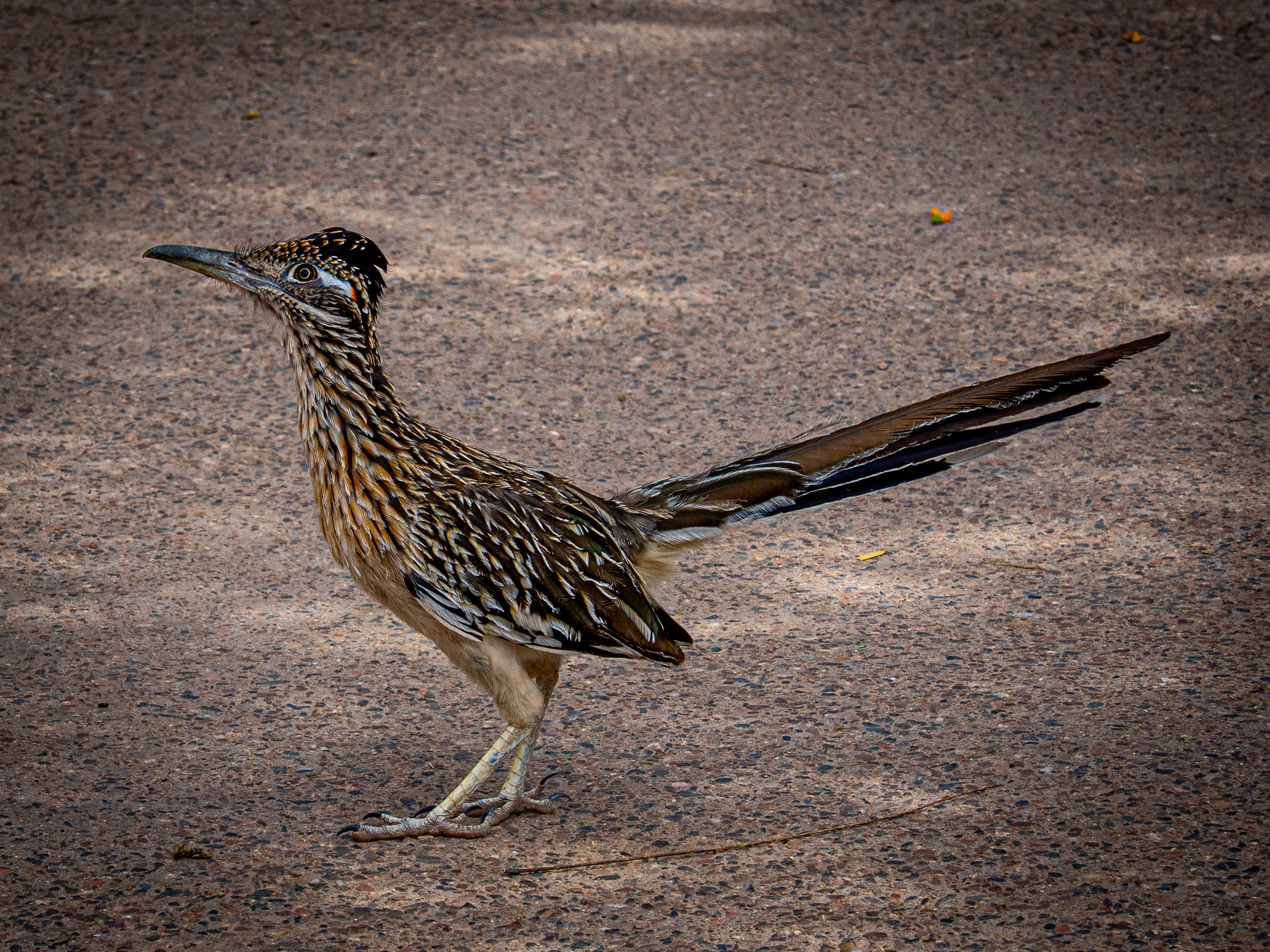
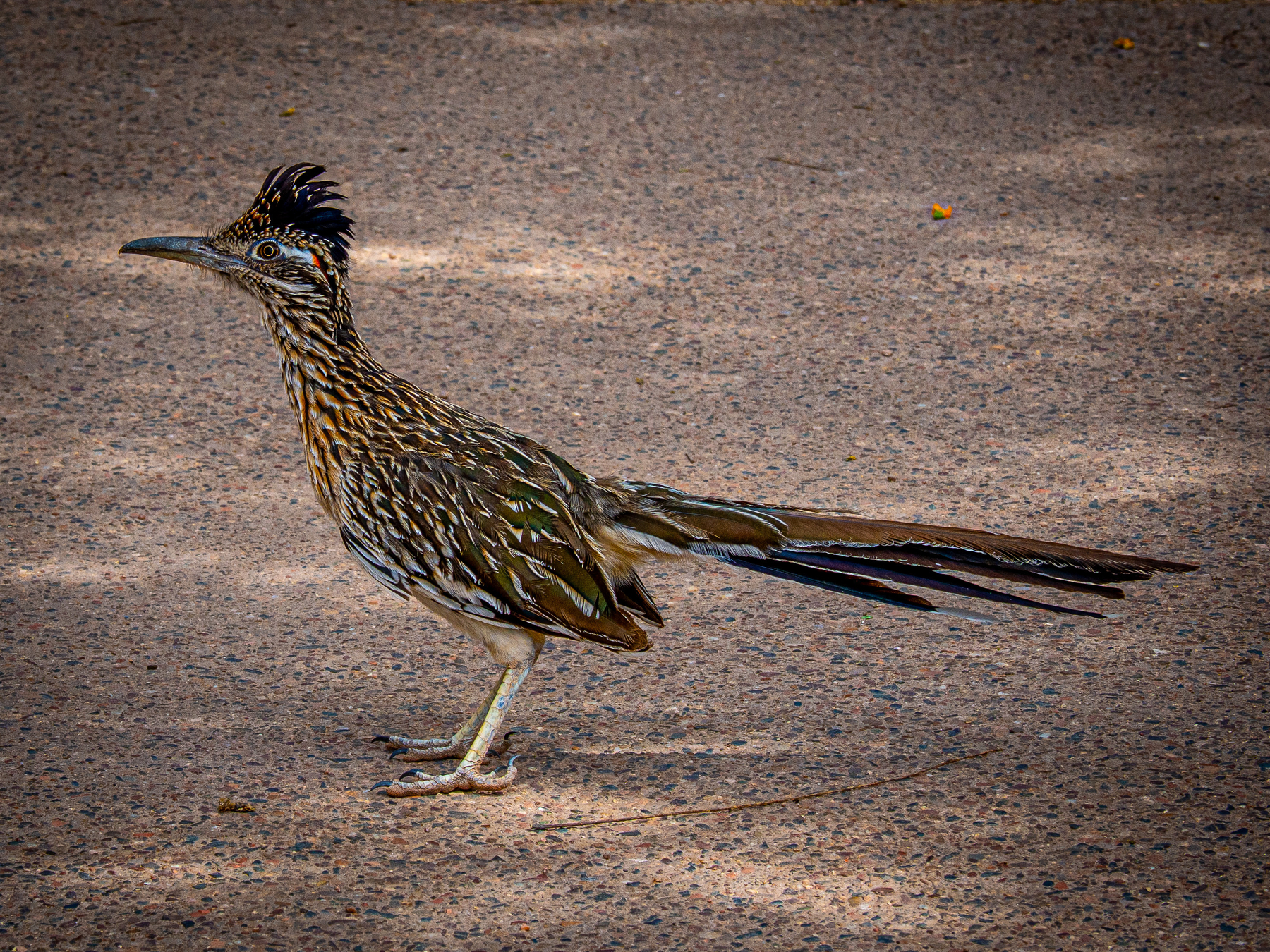
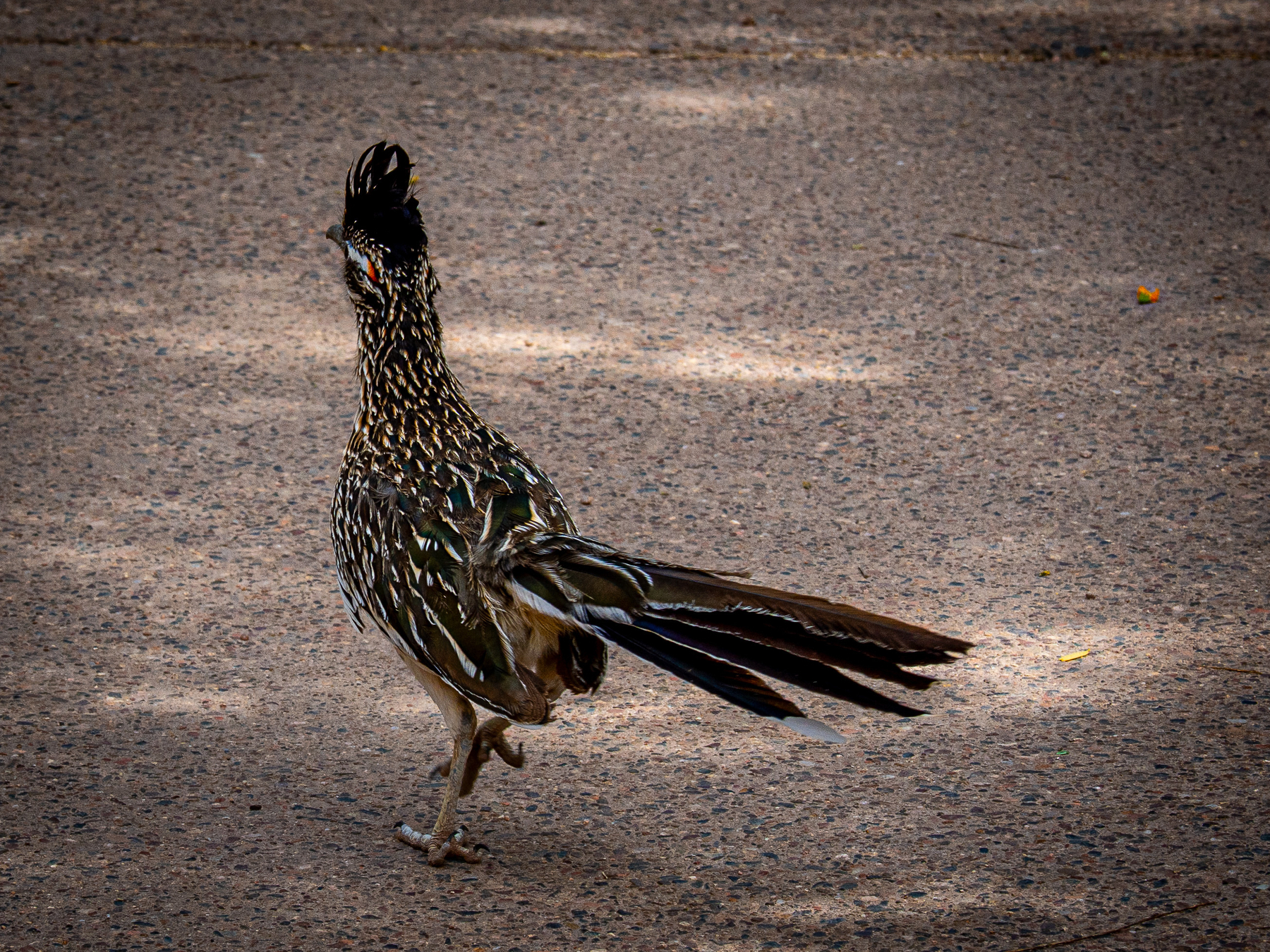
Geococcyx californianus (Common name: Greater Roadrunner)
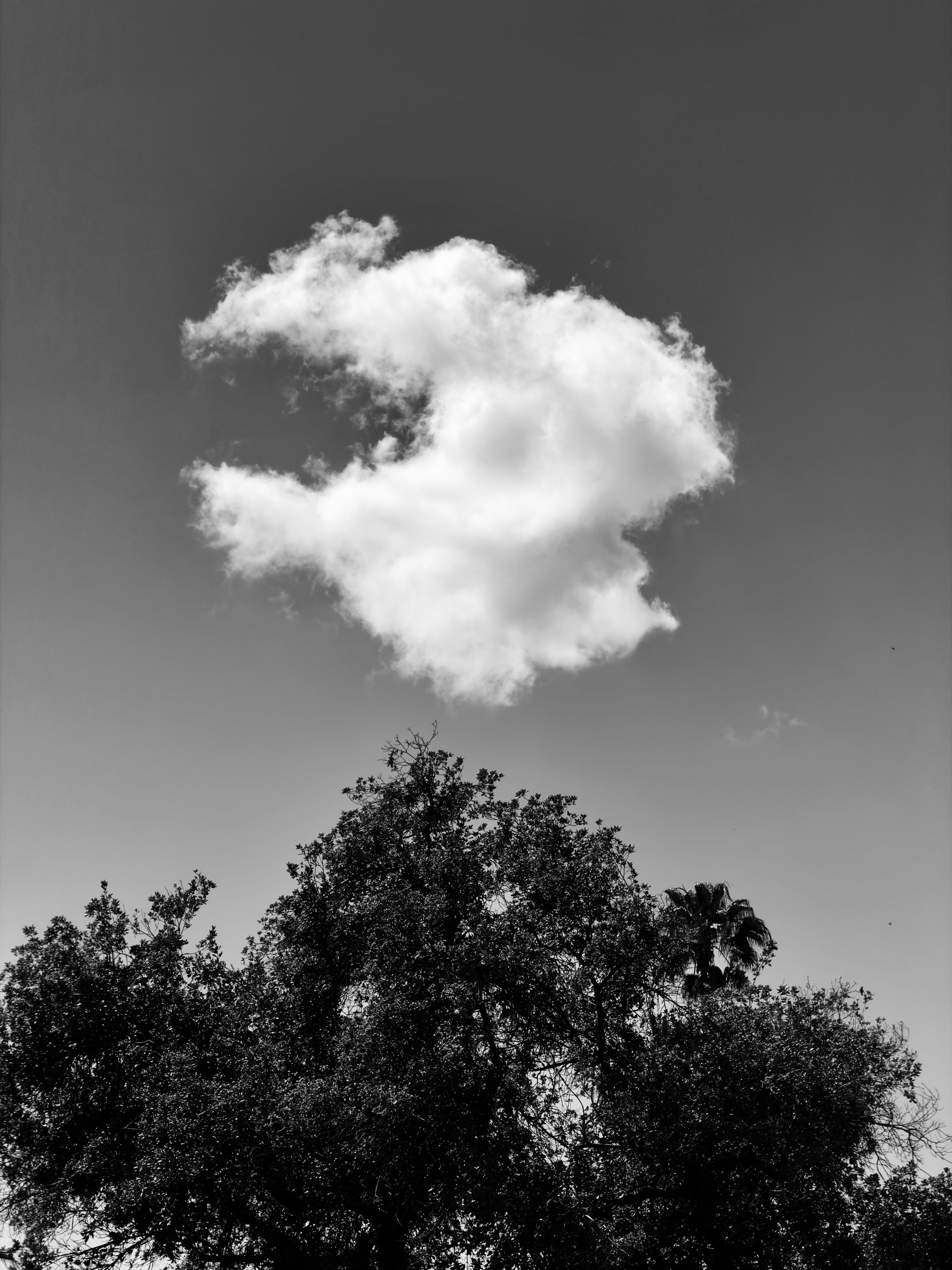
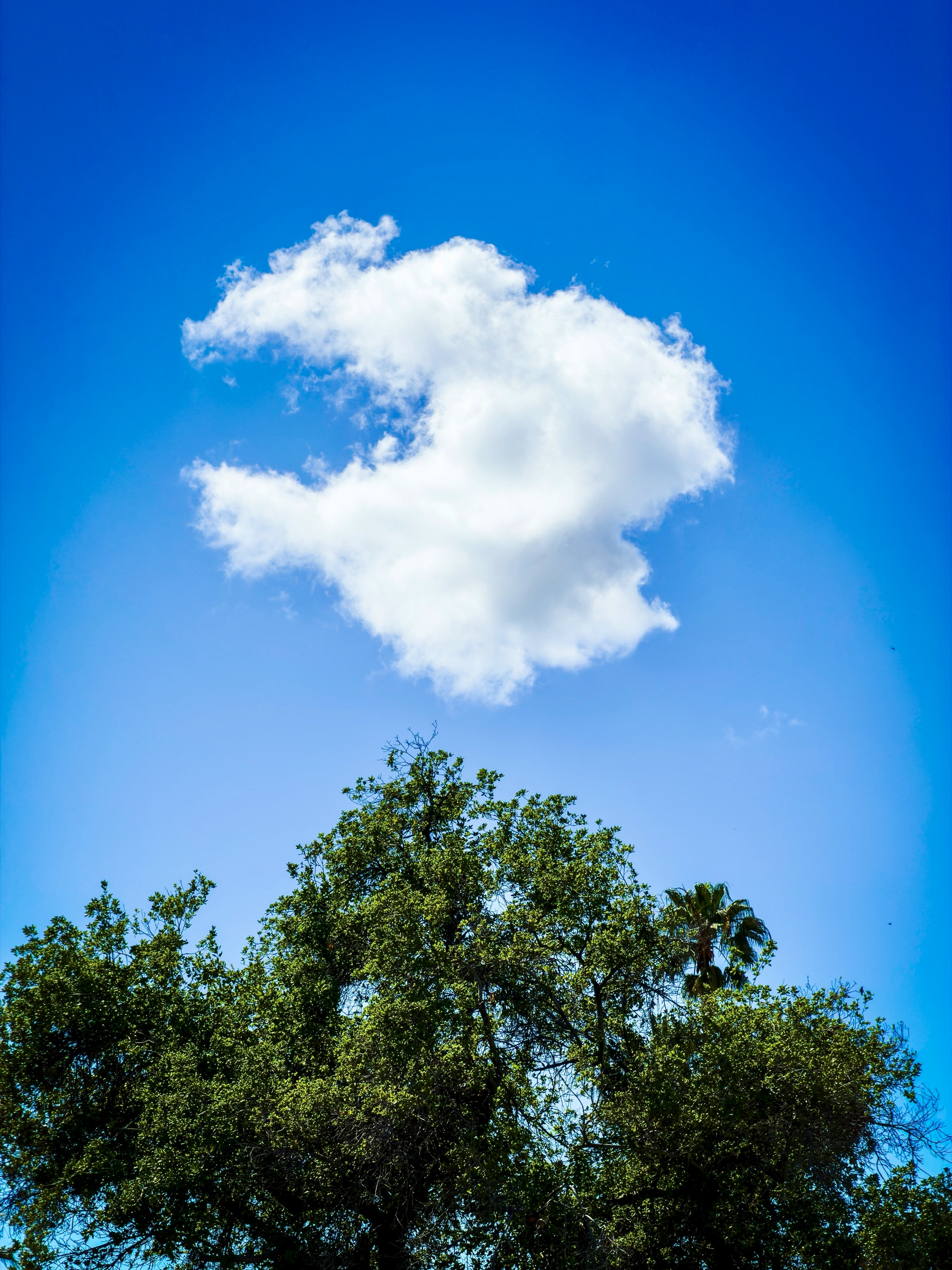
Or is it a Cloud Tree?
Long damn day. Long three-day trip. I’m tired. Exhausted. Ready to be home.
photo
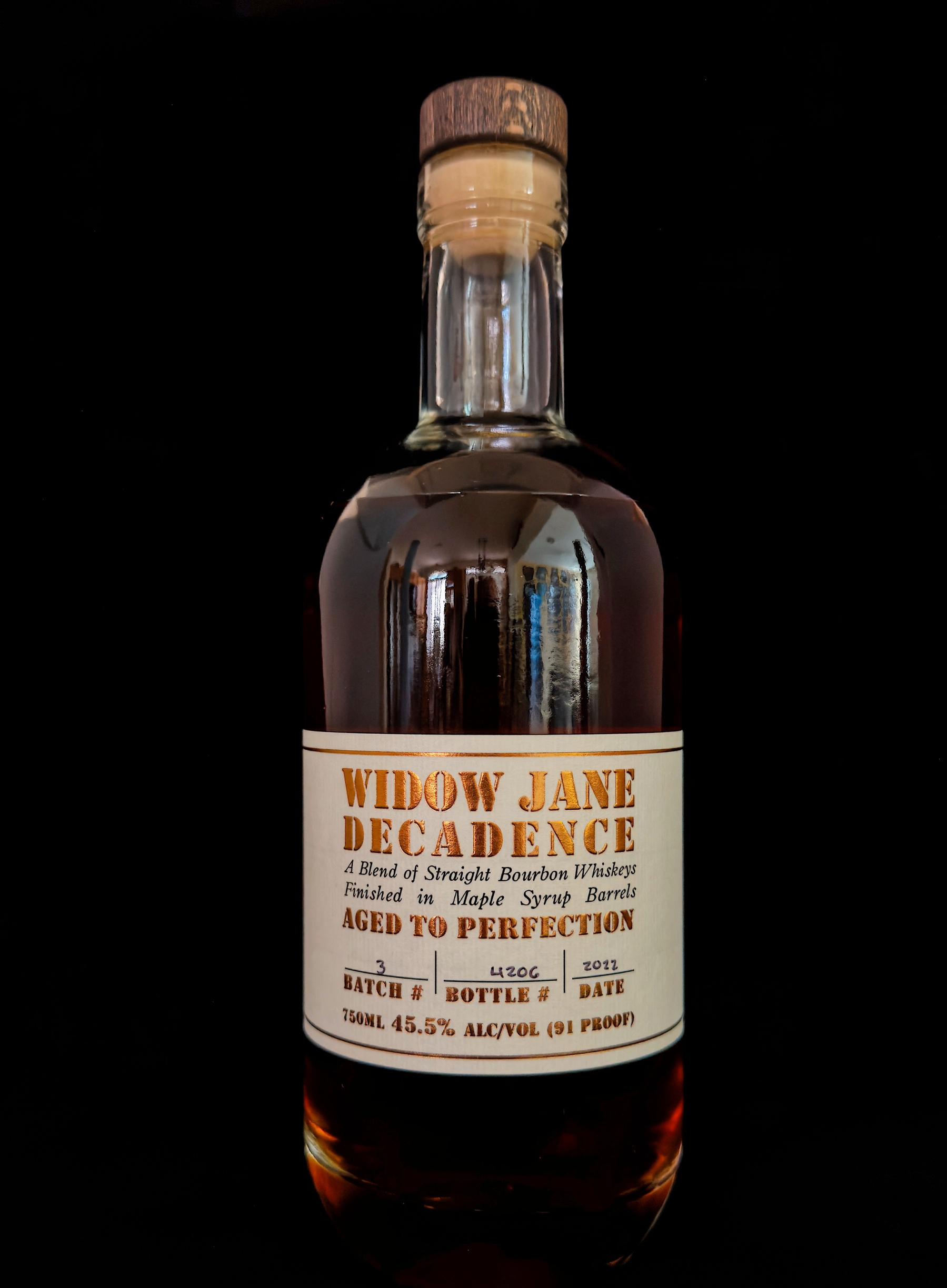
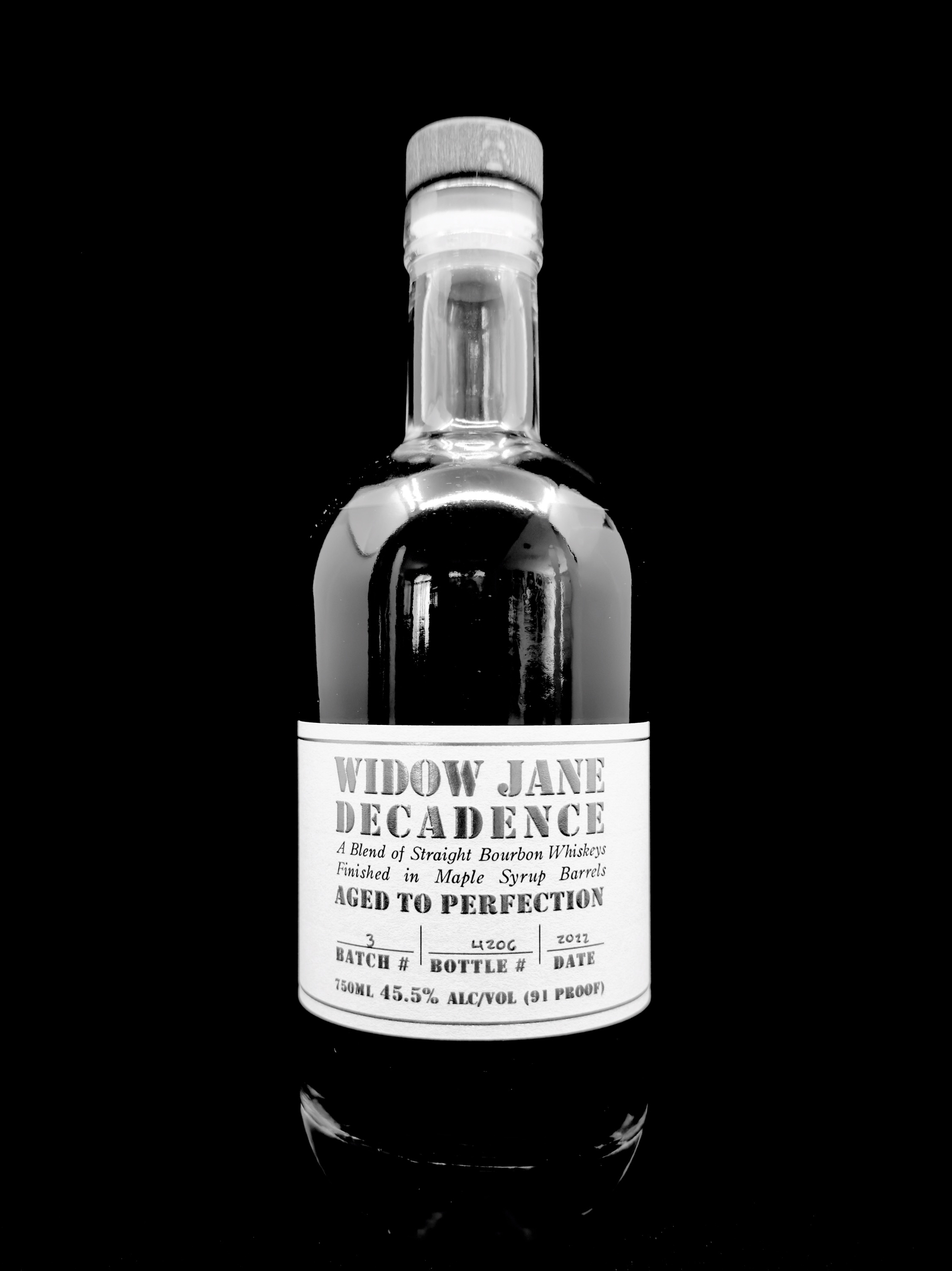
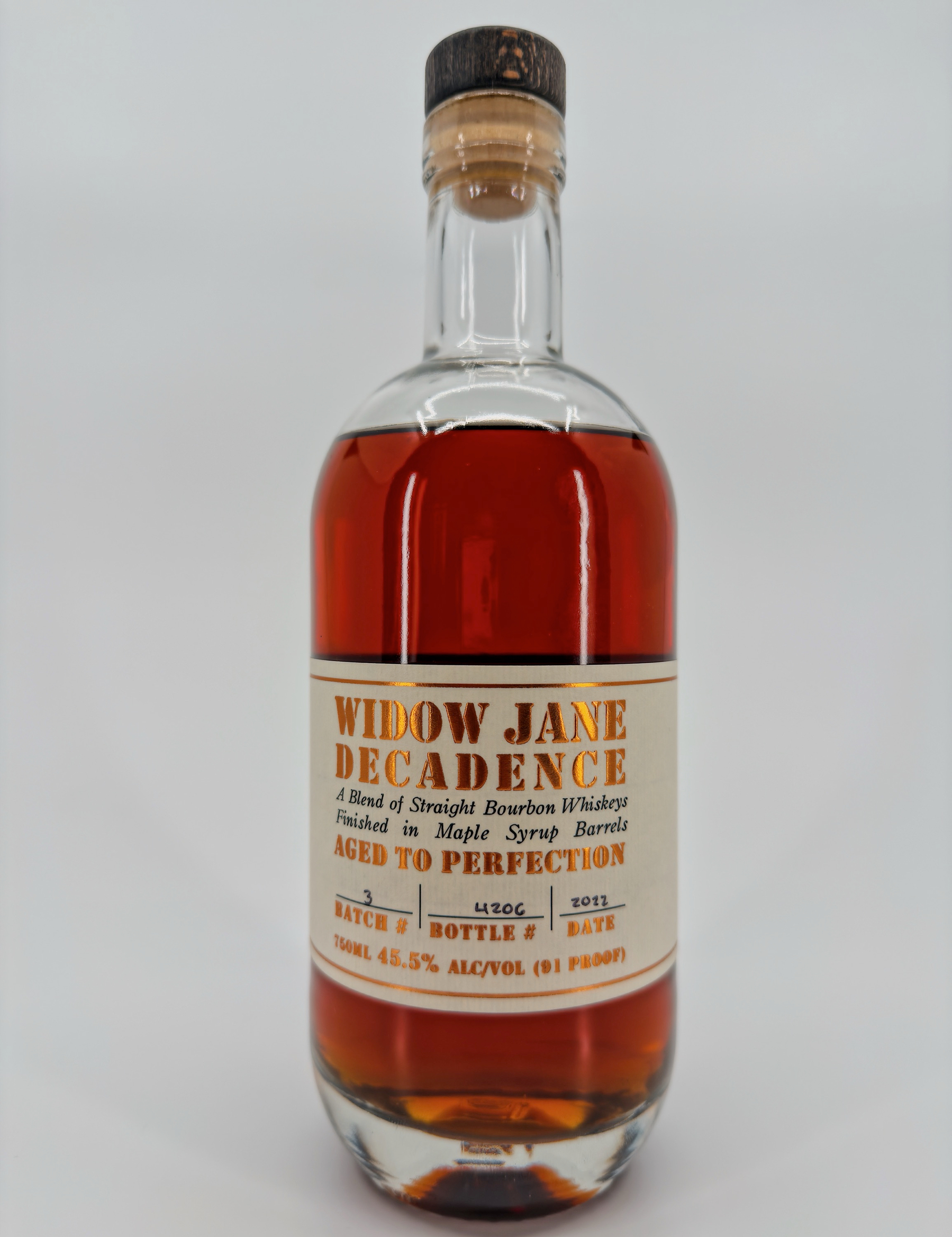
Recently received a new lightbox and wanted to take some test photos. I used my iPhone and struggled to keep the neck and cap, along with the label, in focus. Did not get the results I wanted, but the experimentation will continue!
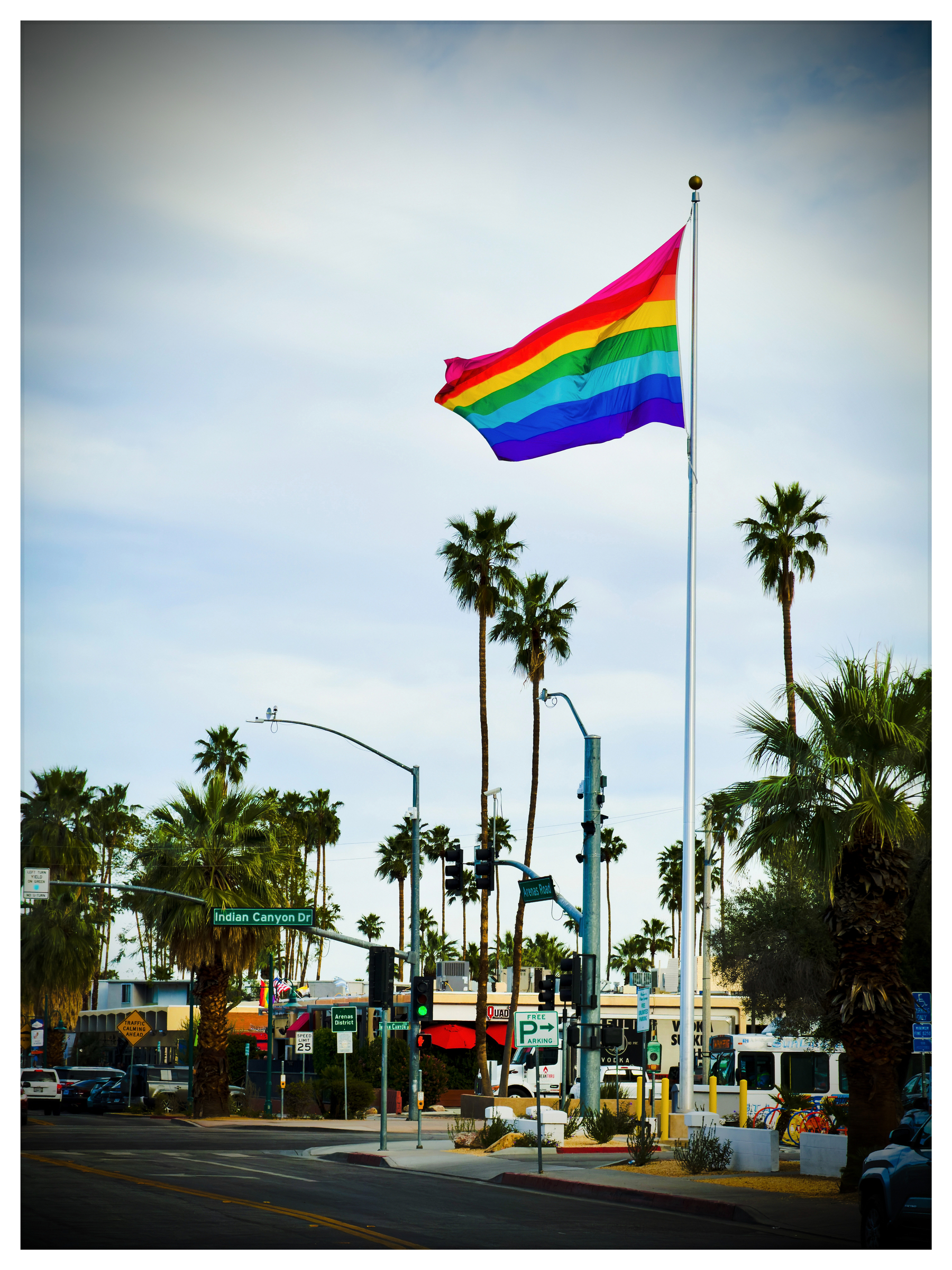
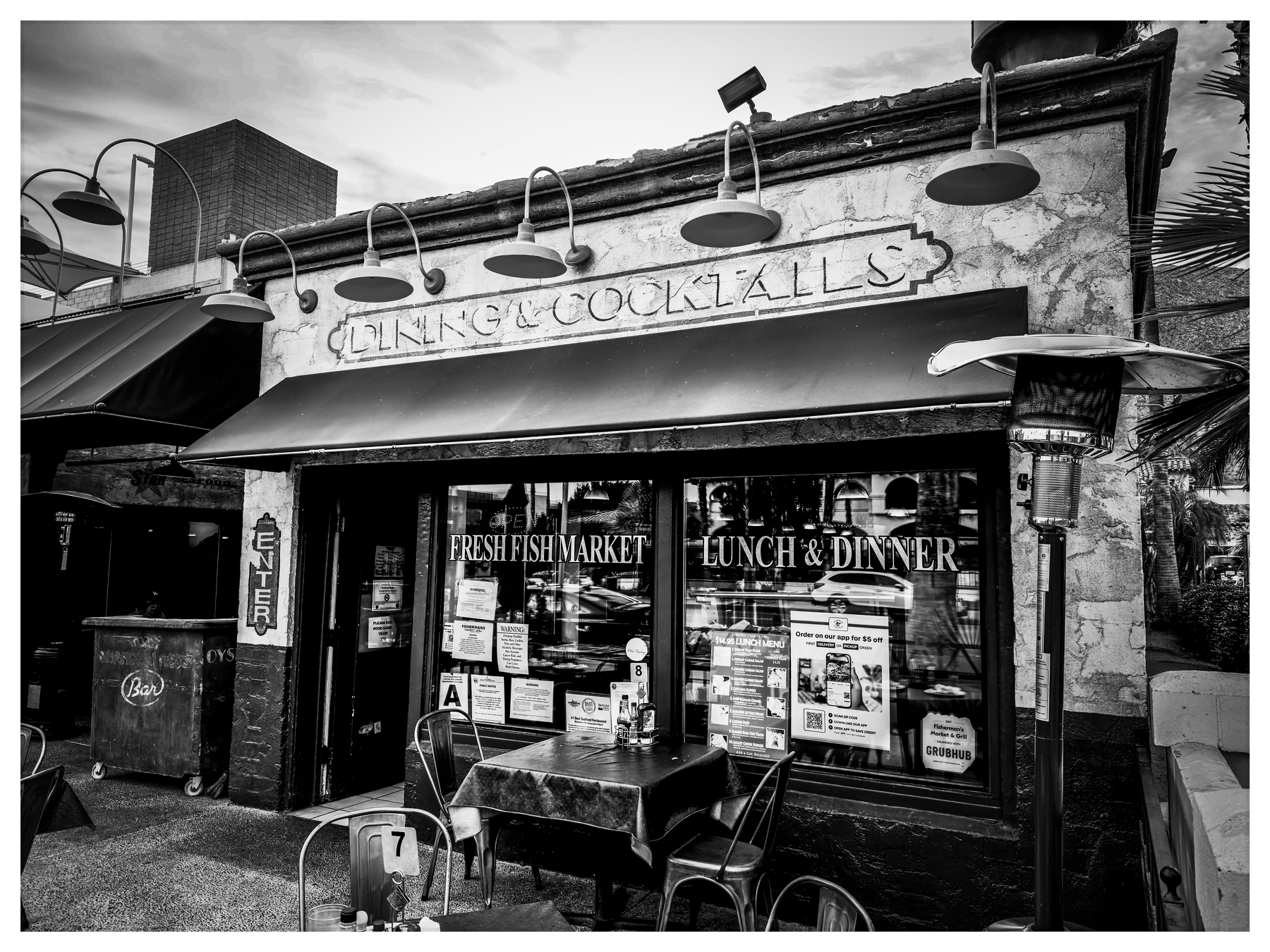
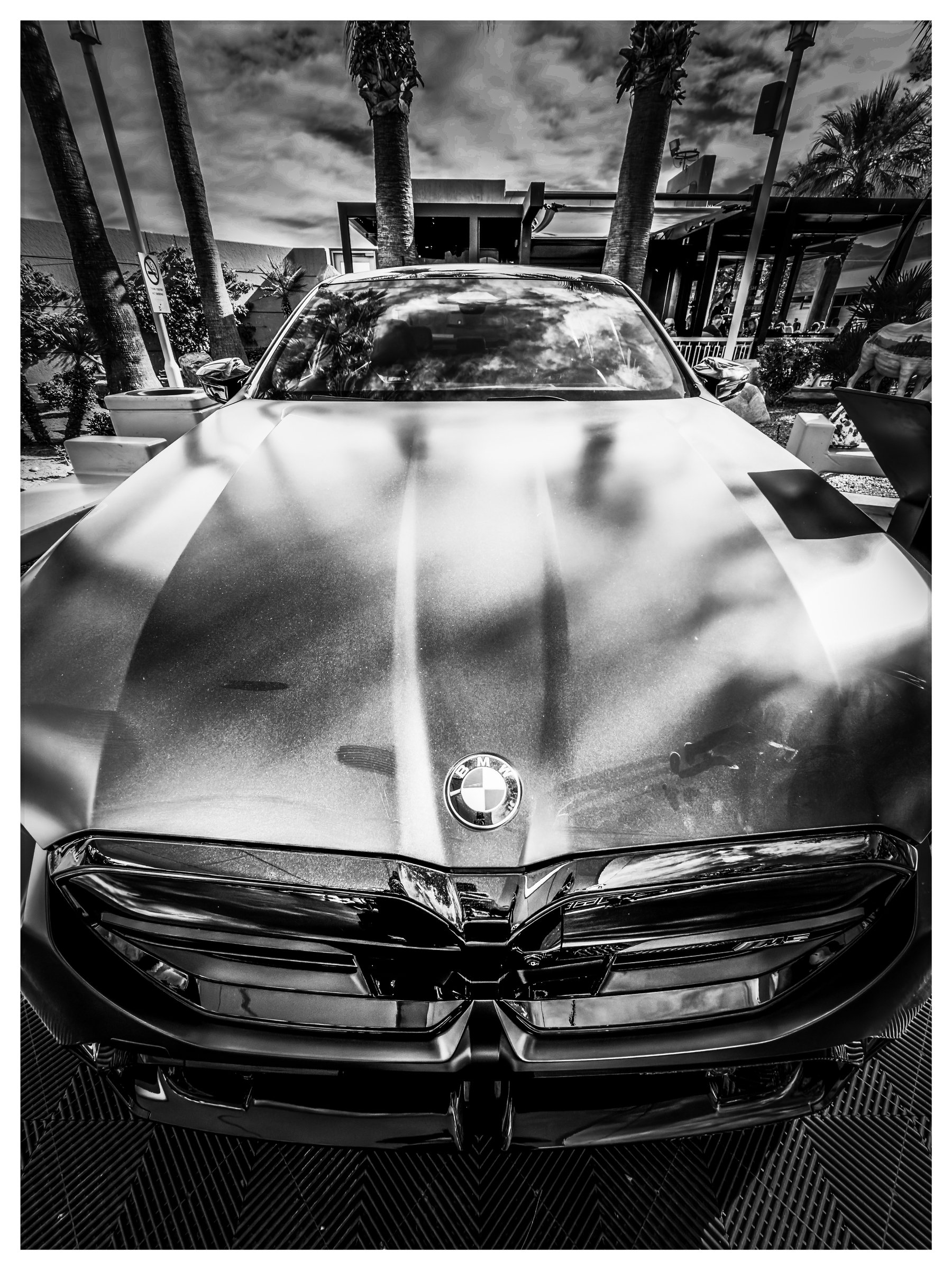
Lucky to get a Palm Springs layover, beautiful evening, great walking, and outstanding food.
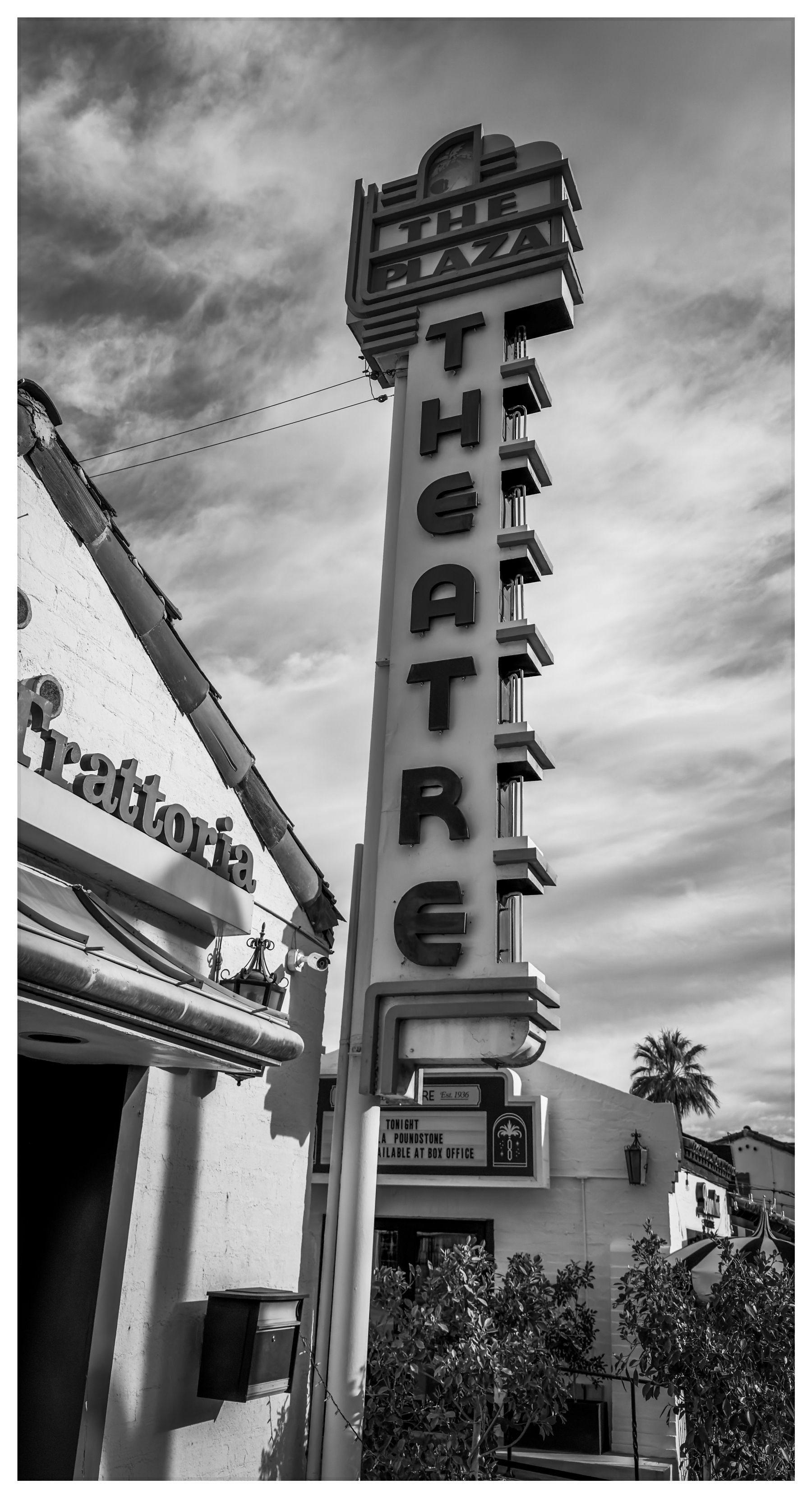
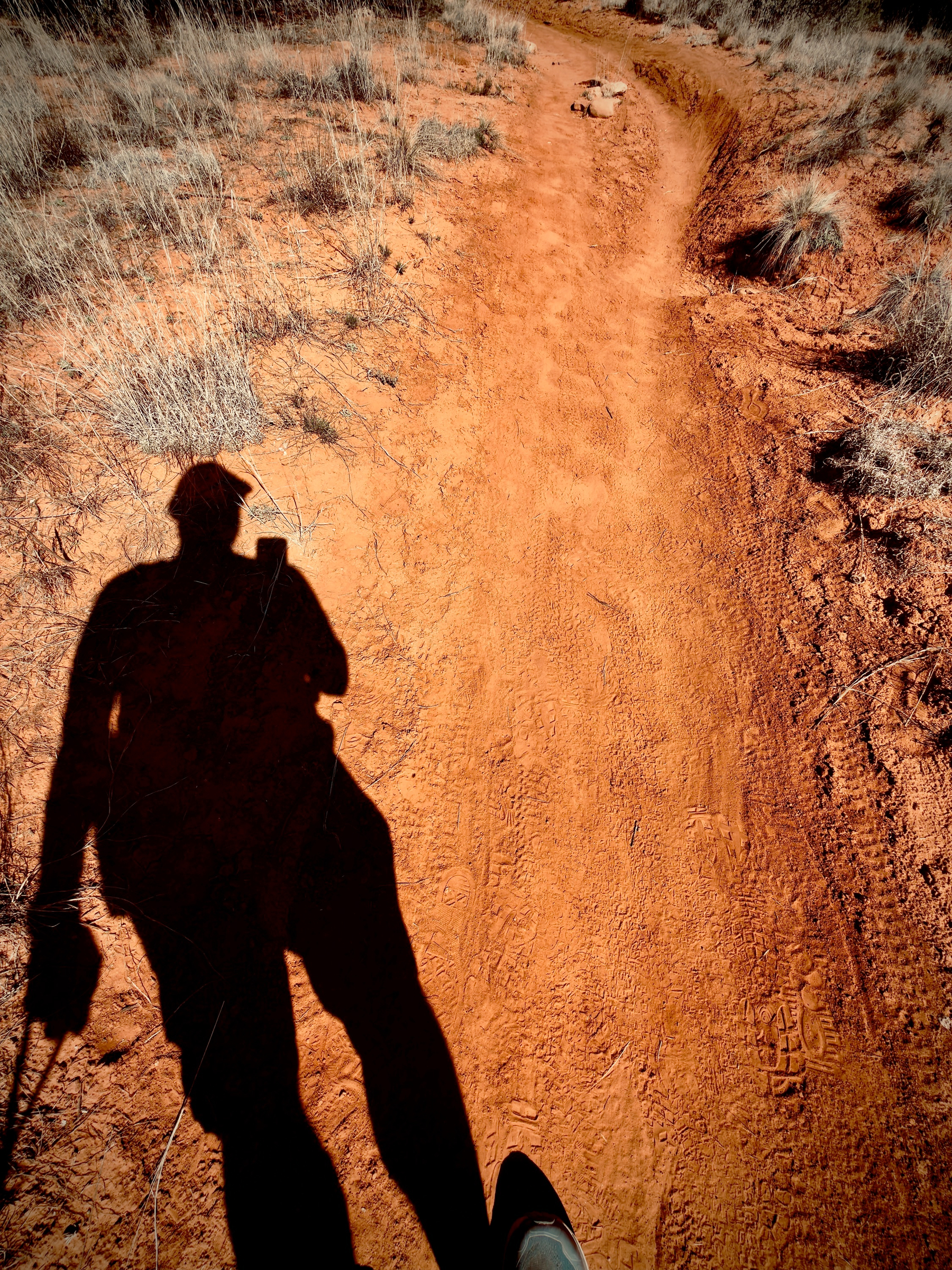
Friends don’t let friends shoot in the harsh noon sun. Lots of pictures today and nothing really to work with. Hard to recover overblown highlights and true colors. That harsh, high-in-the-sky sun just washes everything out. Yet, we try! When that’s what you got, you use it to the best of your ability.
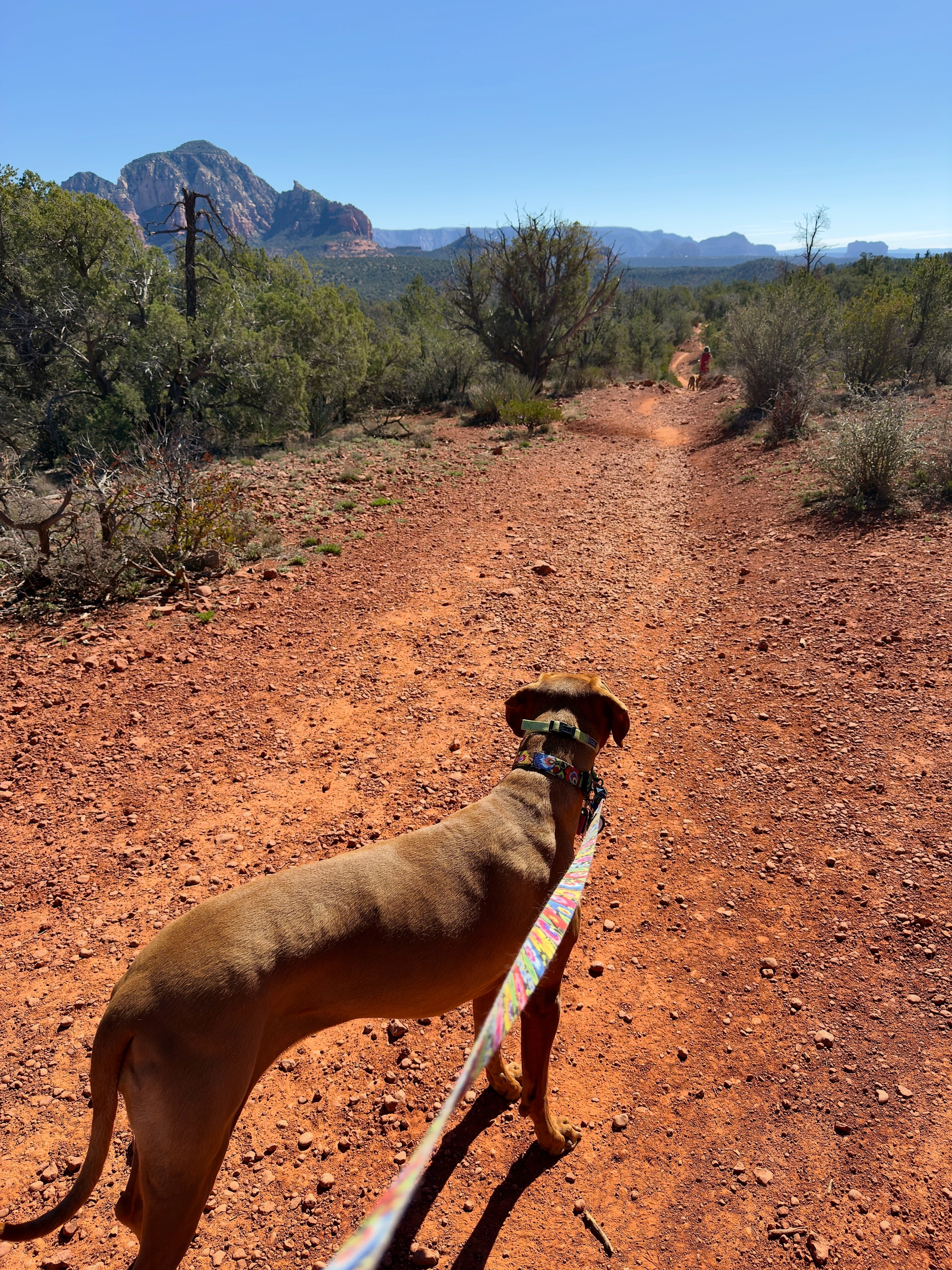
Nice hike in the red dirt.
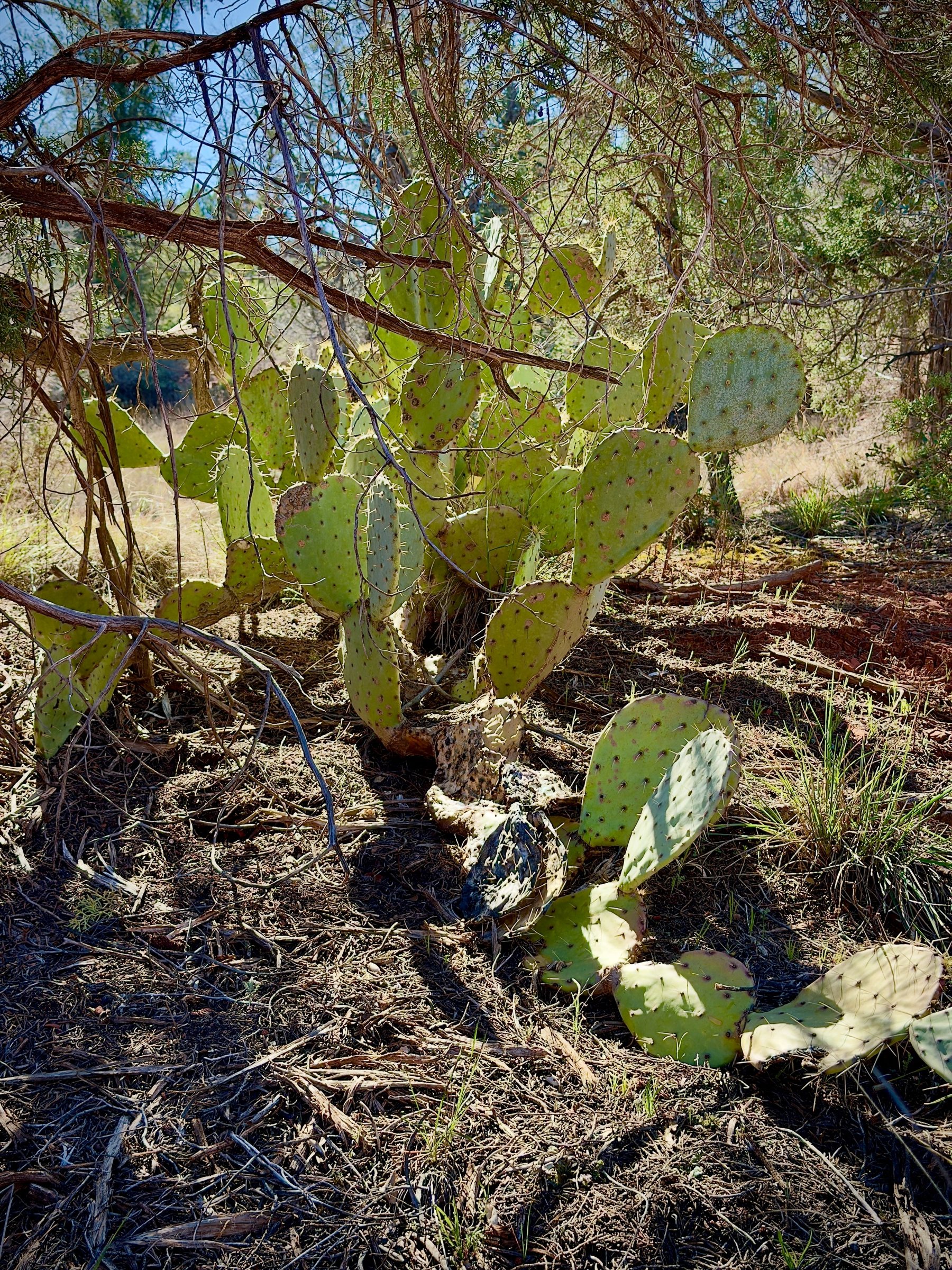
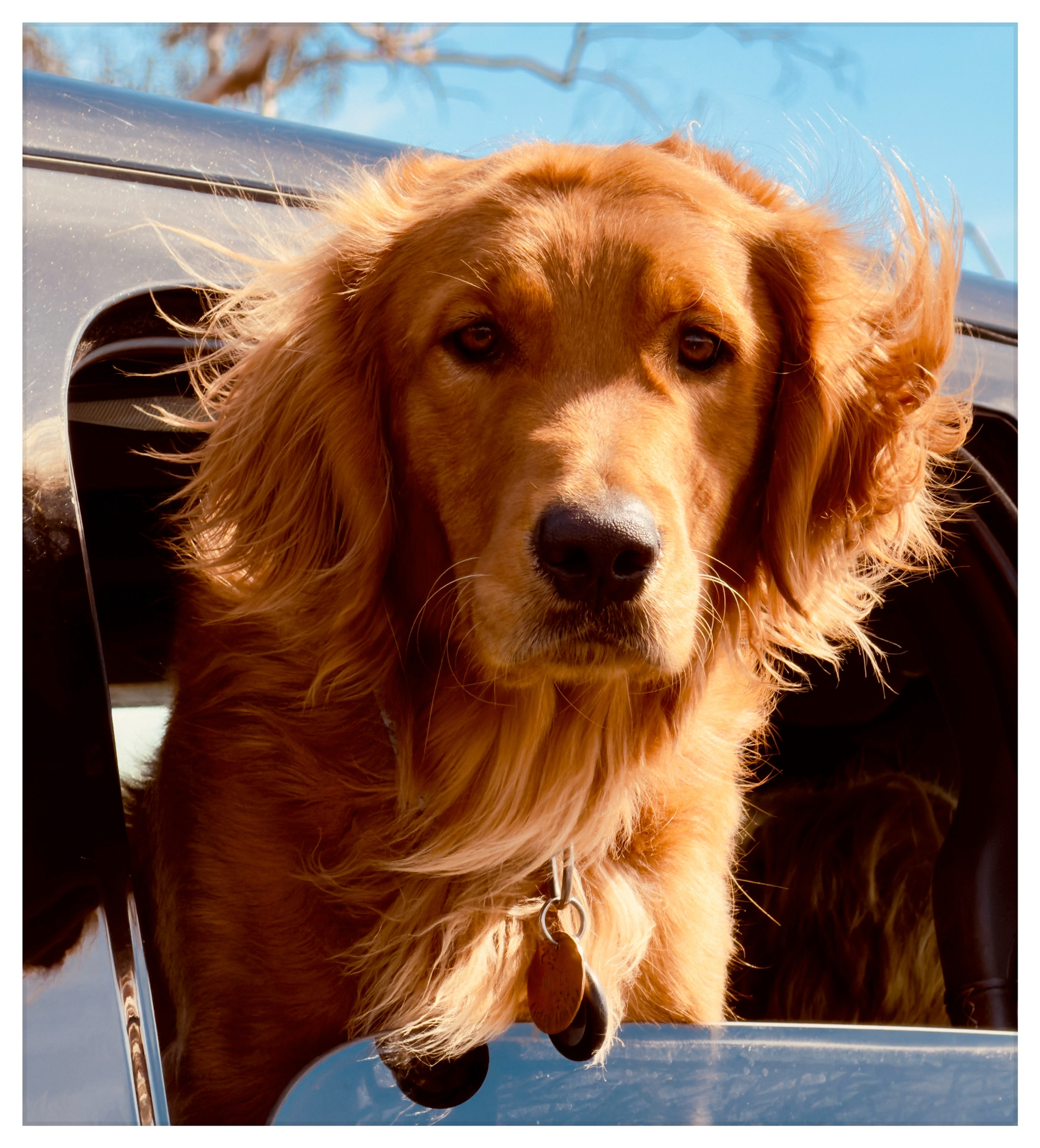
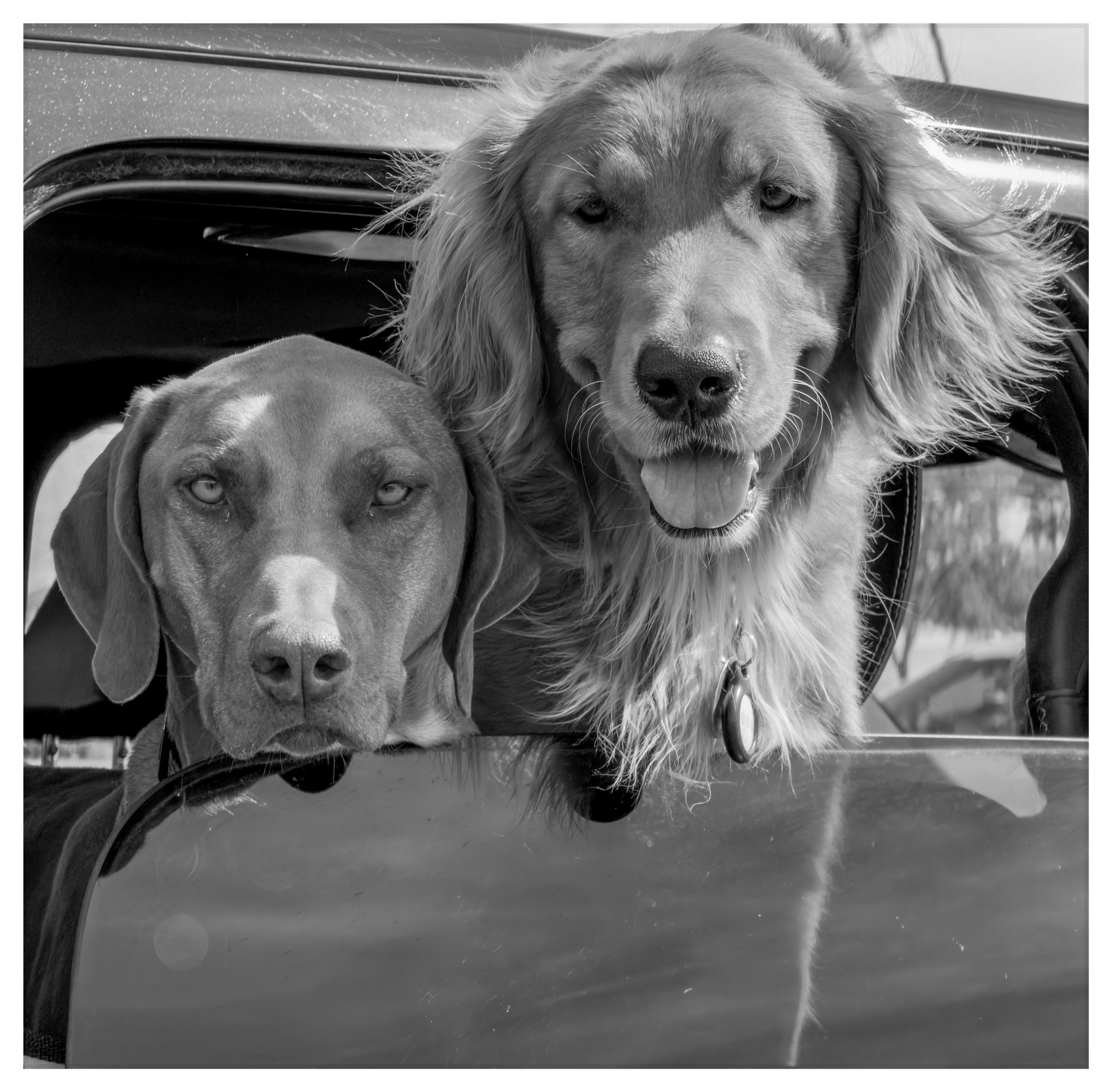
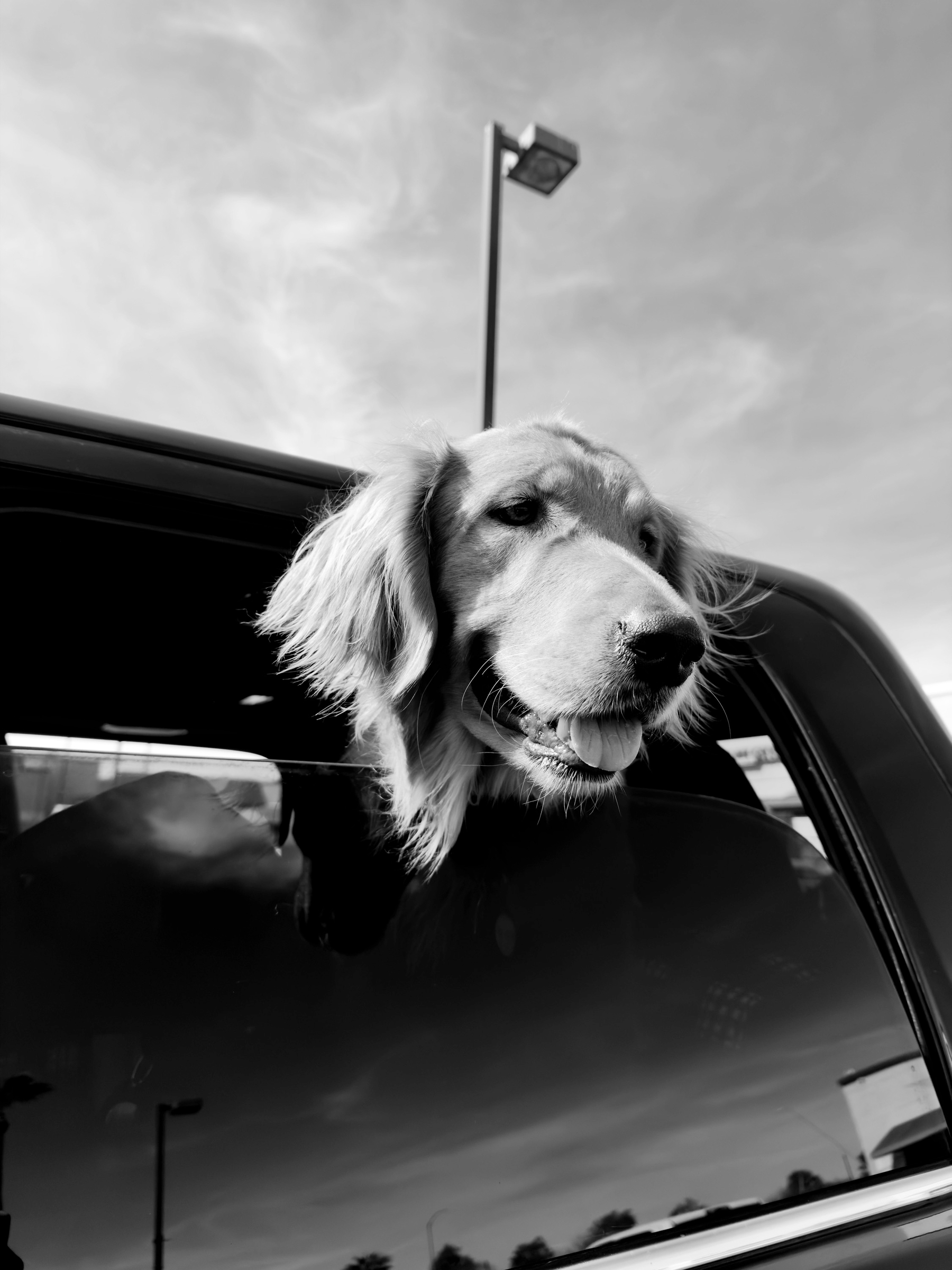
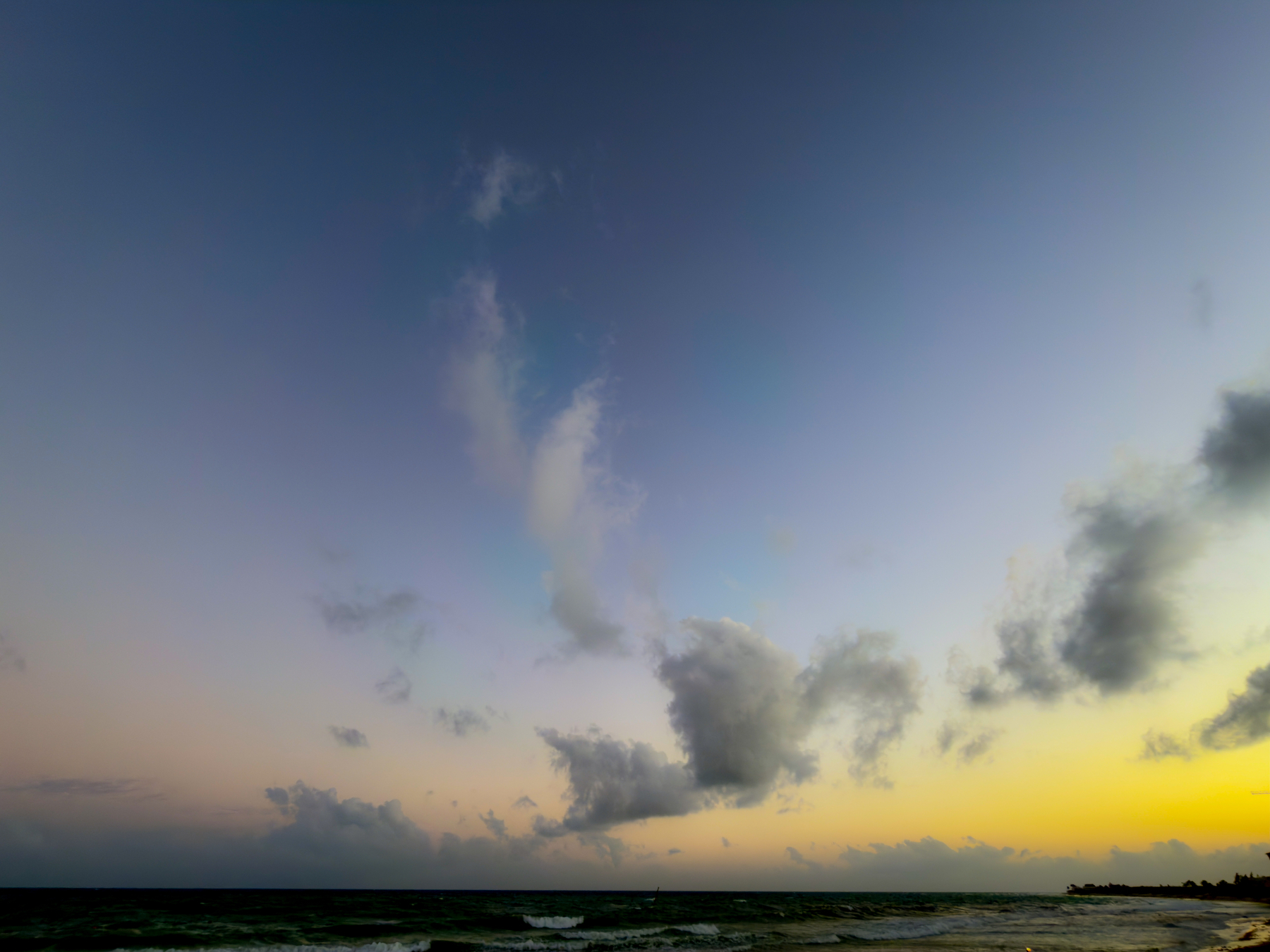
I’ve decided to stick with my current format and just post all the days' extra shots under the Name “Stray Pixels”, since they’re strays or extras from the daily shot. I will also add the category stray-pixels to the post so they are easier to find.
I’ve struggled with how to handle the days' other photos, making a whole new blog, or making stray pixels a separate post, but this seems to be the cleanest, easiest answer. All the photos are automatically sent to Flickr as well.